


close
Choose Your Site
Global
Social Media


Views: 222 Author: Rebecca Publish Time: 2025-12-28 Origin: Site


Content Menu
● Why the Automotive Industry Relies on PP Masterbatch
>> 3. Aesthetic and Functional Flexibility
>> 4. Cost Reduction and Sustainability
● Manufacturing Process Integration
>> Extrusion
>> Blow Molding
● The Role of Additive Masterbatch in Automotive Performance
>> Flame Retardant Masterbatch
>> Thermal Stabilizer Masterbatch
● PP Masterbatch and Recycled Material Integration
● Advances in Masterbatch Technology
● Quality Control and Standardization
● The Economic and Environmental Impact
● FAQs about PP Masterbatch in Automotive Manufacturing
>> 1. What is the function of PP Masterbatch in automotive parts?
>> 2. Can PP Masterbatch be used with recycled materials?
>> 3. How does Masterbatch affect vehicle weight?
>> 4. What processing methods work best with PP Masterbatch?
>> 5. Why is PP Masterbatch important for sustainability?
In the modern automotive industry, innovation and material optimization drive efficiency, performance, and sustainability. Among the many material technologies transforming vehicle production, Polypropylene (PP) Masterbatch plays a pivotal role. This powerful additive solution enhances the mechanical, aesthetic, and thermal properties of polymer components — establishing itself as an indispensable material for automotive part manufacturers.
PP Masterbatch is much more than a coloring or reinforcing additive; it represents an advanced level of material engineering that contributes to cost-effectiveness, weight reduction, and environmental responsibility. Understanding how PP Masterbatch influences automotive component manufacturing is key for suppliers, engineers, and OEMs committed to next-generation automotive performance.
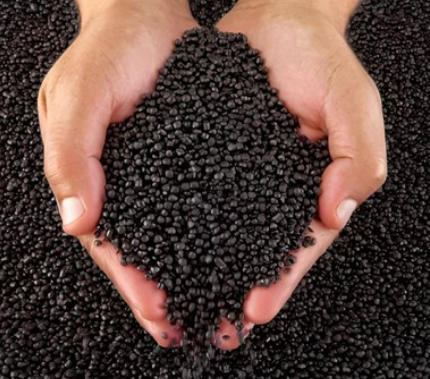
PP Masterbatch is a concentrated mixture of pigments, additives, or fillers encapsulated in a PP carrier resin, which is then cooled and cut into granular form. This granulate is mixed with natural PP plastic during manufacturing to achieve desired performance or color properties.
The different categories of PP Masterbatch include:
- Color Masterbatch: Adds precise color shades and finishes to polymer parts.
- Additive Masterbatch: Enhances UV resistance, flame retardancy, anti-static, or optical properties.
- Filler Masterbatch: Reduces material cost while enhancing rigidity or surface properties.
- Functional Masterbatch: Combines multiple additive functionalities in one formulation.
In automotive applications, these variations of Masterbatch are blended with base polymers like polypropylene, polyethylene, or ABS to meet technical and aesthetic design requirements.
The automotive manufacturing sector faces constant pressure to improve both performance and sustainability. PP Masterbatch addresses these needs by delivering enhanced functionality at optimized cost.
Modern vehicles require lightweight components to reduce fuel consumption and emissions. PP Masterbatch enables enhanced mechanical strength, allowing thinner and lighter components without sacrificing structural integrity. This design advantage directly supports automotive manufacturers in meeting carbon reduction targets.
Automotive interiors and exteriors endure high thermal, mechanical, and chemical stresses. Additive Masterbatches, especially UV and heat stabilizers, lengthen component lifespan by improving resistance to sunlight, oxidation, and surface degradation.
Color Masterbatches provide automotive designers with unlimited options for precise visual effects — metallic finishes, matte surfaces, or transparent looks. Simultaneously, automotive-grade Masterbatch ensures consistent color dispersion and scratch resistance, maintaining high-quality surface appearance.
By incorporating Filler Masterbatch, manufacturers can reduce polymer consumption while maintaining part performance. Furthermore, the use of recycled plastics enhanced with PP Masterbatch supports circular economy practices, meeting global sustainability goals.
Integrating PP Masterbatch into automotive component manufacturing involves several critical processing technologies. The compound must disperse uniformly and interact efficiently with the base polymer to ensure long-term stability.
Injection molding is one of the most common methods for producing automotive components such as bumpers, dashboards, and trims. When PP Masterbatch is introduced into the polymer melt, precise dosing ensures uniform coloring and performance enhancement across molded products.
In the production of car interior films, panels, or under-the-hood liners, extrusion-grade PP Masterbatch improves thermal resistance and mechanical strength. Functional Masterbatch designed for extrusion provides smooth processing and surface gloss stability.
Blow molding benefits significantly from the incorporation of PP Masterbatch, especially in making containers, fuel tanks, or air ducts. It ensures uniform wall thickness, UV stability, and improves secondary process compatibility such as welding or coating.
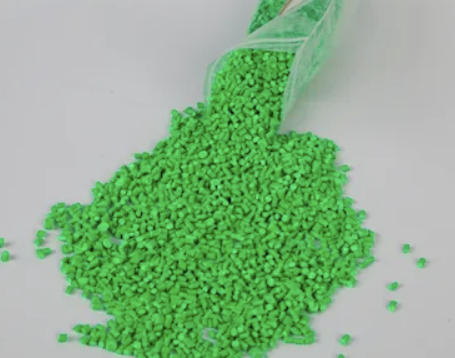
Additive Masterbatch solutions improve component performance beyond baseline polymer capabilities.
Automotive parts exposed to sunlight, such as exterior trims and bumpers, must resist fading and cracking. UV stabilizer Masterbatch protects PP-based parts from photo-degradation, extending service life.
Vehicle safety standards demand flame-retardant materials, especially inside the cabin or near electrical systems. Incorporating flame retardant Masterbatch ensures compliance with UL and ISO safety certifications.
In electronic housing or dashboard modules, static discharge can damage circuits or attract dust. Anti-static Masterbatch helps maintain clean, reliable components.
Under-hood applications face high operating temperatures. Masterbatch with thermal stabilizers enhances thermal endurance and chemical stability, preserving performance under stress.
As sustainability becomes a key factor in automotive material selection, PP Masterbatch offers an effective approach to upgrade recycled plastics. By adjusting mechanical and optical properties through specialized formulations, Masterbatch transforms recycled PP into high-value automotive components.
This innovation allows car manufacturers to meet both regulatory and environmental targets without compromising product quality. Recycled PP reinforced with advanced Masterbatch can perform comparably to virgin materials, making it essential for circular manufacturing strategies.
The evolution of Masterbatch technology continues to deliver better dispersion, compatibility, and multifunctionality. Several trends define the next generation of PP Masterbatch for automotive use:
- Nano-additive integration: Improves mechanical and thermal resistance with smaller filler particles.
- Bio-based carrier resins: Support eco-friendly production of Masterbatch.
- Custom-engineered multifunctional blends: Combine UV, anti-scratch, and anti-aging properties in one compound.
- Smart Masterbatch: Offers self-healing or temperature-responsive performance characteristics.
These innovations are revolutionizing how automotive engineers approach polymer formulation, improving overall material performance while keeping production efficient and sustainable.
To ensure consistent quality, manufacturers of PP Masterbatch follow stringent standards such as ISO 9001 and IATF 16949. Automotive OEMs rely on precise batch-to-batch color reproducibility and performance predictability. Modern Masterbatch production uses automated extrusion, filtration, and testing systems for consistent pellet size, dispersion, and concentration.
Comprehensive quality testing ensures that the Masterbatch meets:
- Color consistency within low delta E tolerance
- Additive dispersion uniformity
- Melt flow index stability
- Thermal aging endurance
- Mechanical impact resistance
By adhering to these standards, Masterbatch manufacturers guarantee optimal performance for high-demand automotive applications.
Using PP Masterbatch offers a dual advantage: economic efficiency and environmental sustainability. By reducing polymer usage, energy consumption, and defective production, Masterbatch technology contributes to cost reduction and sustainable manufacturing. Moreover, as automotive OEMs prioritize eco-friendly solutions, Masterbatch-enhanced recycled plastics become a central strategy for achieving environmental certifications and compliance.
PP Masterbatch has become a cornerstone of modern automotive component manufacturing. It optimizes performance, appearance, and cost across a range of polymer-based parts, while supporting sustainability and innovation. From color precision to functionality enhancement and recyclability, Masterbatch empowers automotive engineers to design smarter, lighter, and more efficient vehicles.
As the automotive industry transitions toward electric and sustainable mobility, Masterbatch technology will continue to evolve — defining the future of polymer engineering on a global scale.
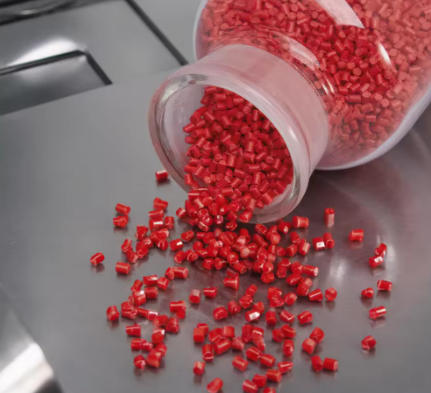
PP Masterbatch modifies base polypropylene polymers with colorants, fillers, or additives to improve mechanical strength, UV stability, and surface finish.
Yes. PP Masterbatch enhances the physical and visual properties of recycled PP, allowing manufacturers to produce high-quality components while reducing environmental impact.
By improving material strength, Masterbatch allows for thinner part designs, resulting in overall weight reduction without compromising durability or performance.
PP Masterbatch is suitable for injection molding, extrusion, and blow molding — all common methods used in automotive component production.
It supports recycling initiatives and reduces primary plastic consumption, helping automotive companies achieve sustainability certifications and lower their carbon footprint.


