


close
Choose Your Site
Global
Social Media


Views: 222 Author: Rebecca Publish Time: 2025-12-02 Origin: Site


Content Menu
● Why Use Masterbatch in Plastic Blending?
● The Role of Blenders in Plastics Processing
>> Volumetric vs. Gravimetric Blenders
● Raw Materials Selection for Masterbatch Blending
● Masterbatch Formulation: Principles and Optimization
● Step-By-Step Guide: Plastic Material Blending with Masterbatch
>> 1. Define the Masterbatch Recipe
>> 2. Raw Material Preparation
>> 5. Quality Checking and Process Adjustments
● Optimizing for Performance and Flexibility
● Custom Solutions with Masterbatch
● FAQ
>> 1. What is masterbatch and why use it instead of direct pigment?
>> 2. How do you determine the ideal masterbatch percentage?
>> 3. Can different masterbatches be blended together?
>> 4. What happens if materials are not blended well?
>> 5. Should I use a volumetric or gravimetric blender when working with masterbatch?
Making plastic material in a blender is a central process in the plastics industry, especially for companies seeking to maximize flexibility, efficiency, and quality control by leveraging masterbatch technology. This guide provides an in-depth, technical approach to formulating, blending, and optimizing plastic materials using masterbatch, covering every key step from raw material selection to consistent production of high-performance, custom plastics for global markets.
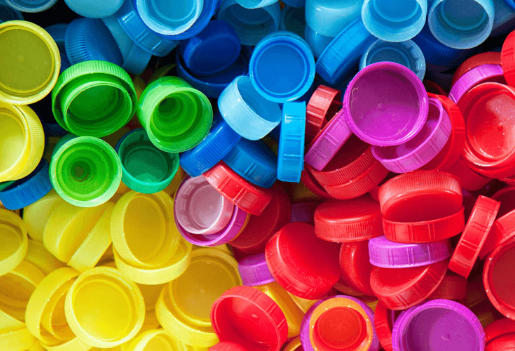
Masterbatch is a granular, highly concentrated mixture of pigments or additives encapsulated in a compatible thermoplastic carrier resin. Its primary function is to deliver precise coloration and enhance the polymer with performance properties—such as UV resistance, flame retardancy, or antistatic behavior—during production. The carrier resin ensures easy mixing with base polymers and uniform distribution during blending and processing.[3][4][11]
Color masterbatch imparts consistent, vibrant hues, while additive masterbatch delivers specific functionalities. Masterbatch addresses practical industry problems, providing:
- Precise color matching and repeatability
- Cleaner handling and reduced dust compared to powders
- Stable, homogeneous dispersion of additives
- Lower inventory and improved dosing accuracy[12][13]
The use of masterbatch in plastic blending brings process consistency, fast color changes, reduced contamination risk, and quick adaptation to diverse OEM or customer requirements. Masterbatch systems outpace direct pigment or additive use by offering:
- Simplified formulation and inventory
- Reduced operator error and wastage
- Fast recipe changeovers for multi-product production lines[11][14]
- Compatibility with automation and advanced mixing/blending systems[15][3]
A blender in plastics manufacturing ensures raw polymer, regrind, and masterbatch are combined into a homogeneous feedstock. Typical blenders used include:
- High-speed (mechanical) mixers
- Tumble or ribbon blenders for batch operations
- Volumetric and gravimetric blenders for high-precision, automated production[16][17][15]
- Volumetric blenders are volume-based and suitable for consistent, simple recipes.
- Gravimetric systems use real-time weighing for batch or continuous blending—ideal for tight tolerance environments or complex, multi-masterbatch dosing workflows.[17][15]
- Base Polymers: Polyethylene (PE), Polypropylene (PP), Polystyrene (PS), Acrylonitrile Butadiene Styrene (ABS), Polyester (PET)—chosen based on compatibility with application requirements.[18][11]
- Masterbatch Pellets: Functional or color masterbatches selected for matching carrier resin.
- Regrind: Controlled in content and form, managed to avoid negative impacts on material properties.
- Additives: Tailored for the intended product, such as UV stabilizer or flame retardant masterbatch.[13][3]
A successful masterbatch formulation is balanced between:
- Polymer Carrier: Matching the target polymer type; common carriers include PE, PP, PS, etc.
- Colorants: Organic/inorganic pigments in color masterbatch
- Functional Additives: UV absorbers, antistatic agents, flame retardants, etc.
- Fillers: Optional, such as calcium carbonate for modifier or cost efficiency[5][7][8]
1. Recipe Design: Identify base polymer, color, performance targets, and end-use requirements. Select masterbatch type(s) and let-down ratio (typically 1–5% for color, variable for additives).[19][12]
2. Weighing and Pre-Blending: Accurately measure all ingredients for uniform distribution—this is critical, as inconsistencies can lead to visible streaks or functional variability.[4][9]
3. Mixing: Use high-speed or automated blenders for uniform mixing, emphasizing even dispersion of masterbatch throughout the polymer matrix.[8][9][5]
4. Extrusion (Manufacturing Phase): If compounding your own masterbatch, a twin-screw extruder melts, shears, and mixes the formulation under tightly controlled conditions before cooling and pelletizing.[4][5]
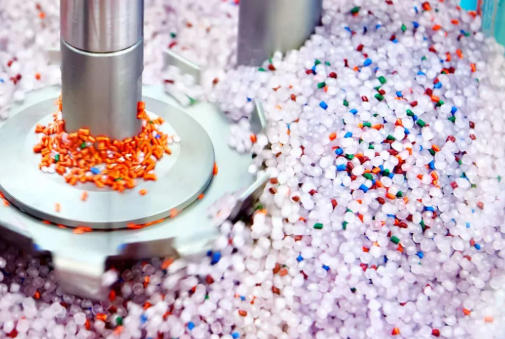
Perform a thorough analysis of the final product's requirements—mechanical properties, regulatory standards, and application specifics matter. Choose compatible masterbatch and base polymer. All components' weight percentages are calculated and documented for process control.[7][3]
Dry and clean all masterbatch and virgin polymer pellets; eliminate contamination. If incorporating regrind, verify its composition so it doesn't double-dose additives or colorants. Store all material in dedicated labeled containers.[6][16]
- For gravimetric blenders, input target weight percentages for each ingredient.
- For volumetric or manual blenders, pre-weigh quantities as per the recipe.
- Load materials in proper order to ensure optimal mixing (typically base resin first, additives/masterbatch distributed evenly, regrind last).[20][15]
Start the blender and allow the cycle to complete, usually for a prescribed time ensuring full homogeneity. For high-pigment or functional blends, multiple short blending cycles or sequential mixing may be employed to avoid localized overheating or degradation of sensitive ingredients.[8][16]
After blending, sample the blend:
- Visual Inspection: Spot color streaks, undispersed granules, or contamination.
- Laboratory Testing: Mechanical, colorimetric (spectrophotometer for color), and application-specific tests (UV, flame retardancy, etc.) validate adherence to specification.
- Formulation Tuning: Refine the ratio or switch masterbatch type as required.[21][19][8]
Feed the finished blend into the designated processing machinery—injection, blow, or extrusion molding. Properly blended masterbatch ensures consistent performance, stable processing, and minimal downtime, which is vital for high-throughput modern plants.[22][11][20]
- Process Monitoring: Integrate sensors or in-line spectrophotometers for real-time quality checks in continuous production lines.
- Masterbatch Family Development: Streamline operations and inventory by establishing a standard set of masterbatches for major polymer grades, adjusting let-down ratios to meet color/application needs.
- Environmental Considerations: Use advanced masterbatch formulations to enhance recyclability, enable biopolymer processing, or minimize environmental impact by optimizing the loading of functional additives.[23][3][5]
For global and OEM clients demanding bespoke products, masterbatch offers unmatched flexibility. By tailoring carrier, pigment, and additive combinations, manufacturers can rapidly prototype, scale, and adapt color or performance profiles while maintaining cross-batch consistency and supporting regulatory compliance worldwide.[3][4][8]
Masterbatch technology, when integrated with reliable blender operation and robust formulation protocols, enables the plastics industry to efficiently produce tailored materials with demanding color and performance characteristics. A disciplined approach leveraging gravimetric control, high-quality masterbatch, and real-time process monitoring leads to lowest reject rates, streamlined changeovers, and proven quality for export markets.
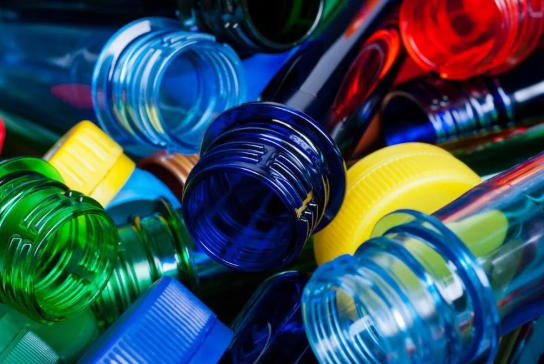
Masterbatch delivers pigments or additives in a pellet form, making it cleaner, safer, and more accurate to dose than free powders. It ensures even color distribution, consistency, and easier handling in automated systems.[24][12][18]
Masterbatch dosage (let-down ratio) is based on pigment loading, product opacity requirements, and additive target levels (typically 1–5% for color; consult supplier for additives).[12][19][3]
Yes. Color and several additive masterbatches can be used simultaneously, provided the carriers are compatible and total additive concentrations fit the application's limits.[11][15][23]
Incomplete blending causes streaky or uneven color, poor mechanical properties, and unreliable additive performance. Consistent quality control in blending minimizes these defects.[16][21][22]
Volumetric blenders suit straightforward, tolerant recipes and are cost-effective for smaller operations, while gravimetric blenders provide higher accuracy—especially useful for critical, high-value masterbatch applications with multiple additives.[15][17][20]
[1](https://www.hmel.in/wp-content/uploads/2025/08/technical_guide_to_compounding_and_masterbatches_process__polysure_products-final_small.pdf)
[2](https://www.wensuimachinery.com/news/how-to-mix-masterbatch)
[3](https://deltatecnic.com/complete-guide-to-masterbatch/)
[4](https://www.charmingmb.com/2025/10/09/masterbatch-manufacturing-process-a-complete-guide-to-production-and-innovation/)
[5](https://eupegypt.com/blog/polyolefin-masterbatch/)
[6](https://en.ongoaltech.com/newsview/742.html)
[7](https://masterbatchglobal.com/articles/polymer-masterbatch/)
[8](https://www.debaomasterbatch.com/News_Events/2025-09-04/masterbatch-manufacturing-process.html)
[9](https://www.materials.zone/blog/8-steps-to-optimize-the-masterbatch-manufacturing-process)
[10](https://www.cowellextrusion.com/from-formulation-to-pellets-a-comprehensive-guide-to-the-plastics-compounding-process/)
[11](https://en.wikipedia.org/wiki/Masterbatch)
[12](https://www.charmingmb.com/2025/08/12/what-is-plastic-masterbatchtypes-applications-and-advantages/)
[13](https://www.microban.com/blog/top-5-benefits-of-using-polymer-masterbatches)
[14](https://phoenixplastics.com/cost-benefits-using-masterbatch-vs-compounding/)
[15](https://www.shini.com/en/news_i_What-Is-Gravimetric-Blending.html)
[16](https://pcn.org/technical-information/mixing-thermoplastic-compounds-and-masterbatches/)
[17](https://www.wensui.us/volumetric-blender-in-the-plastics-industry/)
[18](https://broadwaycolours.com/what-is-masterbatch/)
[19](https://eupegypt.com/blog/color-masterbatch-manufacturing-process/)
[20](https://www.wensuimachinery.com/news/how-to-blend-materials-for-plastic-processing)
[21](https://carbokene.com/masterbatch-manufacturing-process/)
[22](https://www.cbextrusion.com/masterbatch-manufacturing-process-equipment-workflow-and-best-practices/)
[23](https://www.gsextruder.com/common-misconceptions-and-suggestions-in-masterbatch-manufacturing-process/)
[24](https://www.tosaf.com/article/plastic-masterbatch-article/)


