


close
Choose Your Site
Global
Social Media


Views: 222 Author: Rebecca Publish Time: 2025-12-03 Origin: Site


Content Menu
● Understanding UV stabilizer masterbatch
● How UV stabilization works in plastics
● Why choose Chinese UV Stabilizer Masterbatch Manufacturers?
● Ranking methodology for the top 10
● 1) Dongguan Yongxin Plastic Technology., Ltd.
● 2) Agricultural film UV stabilizer specialists
● 3) Automotive and outdoor durable goods suppliers
● 4) Pipe, geomembrane, and cable jacket masterbatch producers
● 5) Transparent and optical part UV specialists
● 6) Color‑with‑UV combination masterbatch producers
● 7) Engineering plastic UV masterbatch experts
● 8) Recycled resin‑oriented UV stabilizer suppliers
● 9) Food contact and appliance UV grades
● 10) Fast‑response, development‑focused UV masterbatch partners
● How to evaluate UV stabilizer masterbatch suppliers
● Practical formulation and processing tips
● Example application presets (starting‑point concepts)
● Steps for fast qualification and scale‑up
● FAQ
>> 1) What is UV stabilizer masterbatch used for?
>> 2) How do UV stabilizers differ from antioxidants?
>> 3) How much UV stabilizer masterbatch should I add?
>> 4) Can UV stabilizer masterbatch be used with recycled plastics?
>> 5) How should I evaluate UV performance in practice?
China has become one of the most competitive hubs for UV stabilizer masterbatch, supplying high‑performance, cost‑effective solutions to packaging, agriculture, automotive, construction, consumer goods, and electrical industries worldwide. UV Stabilizer Masterbatch Manufacturers in China combine advanced formulation know‑how with large‑scale compounding capacity, helping global buyers achieve long outdoor lifetimes, color stability, and mechanical reliability in demanding environments.
UV stabilizer masterbatch packages typically blend UV absorbers and hindered amine light stabilizers (HALS) with carrier resins and processing aids, tailored to each application's resin type, thickness, and exposure profile. When sourcing from UV Stabilizer Masterbatch Manufacturers, international buyers can leverage strong R&D capability, comprehensive weathering data, and flexible OEM/ODM services to shorten development cycles and control cost without sacrificing performance.

UV stabilizer masterbatch is a concentrated additive mixture that is let down into base polymers (such as PE, PP, ABS, PC, PA, PVC, PET, and others) to protect them from ultraviolet radiation. Without proper UV stabilization, plastics exposed to sunlight undergo chain scission, oxidation, discoloration, loss of gloss, surface chalking, and brittle failure much earlier than expected.
Modern UV Stabilizer Masterbatch Manufacturers design packages that act at different stages of the degradation process, combining UV absorbers that filter harmful wavelengths with HALS that quench free radicals and interrupt the photo‑oxidation cycle. This synergy ensures longer service life, more stable color, and better retention of impact and tensile properties across a wide range of climates and applications.
When UV light hits a polymer, it can break chemical bonds and generate reactive radicals, which then react with oxygen and propagate a cascade of degradation reactions. If left uncontrolled, this leads to yellowing, micro‑cracking, fading, and embrittlement.
UV absorbers used by leading UV Stabilizer Masterbatch Manufacturers absorb specific UV wavelengths and dissipate that energy harmlessly as heat, while HALS trap and neutralize radicals formed during exposure. Together, these additives extend the time before visible or mechanical failure occurs, which is critical in long‑life applications like greenhouse films, roofing membranes, exterior cladding, automotive trim, and outdoor furniture.
UV Stabilizer Masterbatch Manufacturers in China offer an attractive combination of customization, cost efficiency, and scalability that appeals to global converters and brand owners. Many suppliers run multiple high‑output twin‑screw compounding lines, comprehensive QC labs, and in‑house weathering facilities to simulate long‑term outdoor exposure.
In addition, top‑tier Chinese UV Stabilizer Masterbatch Manufacturers provide application‑oriented support, helping customers define UV dose, required service life, and appropriate test standards, then translating those requirements into practical masterbatch formulations and processing windows. This integrated approach reduces trial‑and‑error, minimises scrap, and supports consistent quality across different regions and seasons.
Selecting the Top 10 UV Stabilizer Masterbatch Manufacturers in China involves more than basic capacity or price comparisons. Buyers must also consider resin compatibility, outdoor weathering data, long‑term mechanical performance, dispersion quality, color stability, documentation, and export experience.
In this guide, companies are considered on criteria such as breadth of UV solutions (for PE, PP, PS, ABS, PC, PA, PET, PVC), mastery of HALS/UV absorber systems, ability to integrate color and UV in a single masterbatch, track record in demanding markets (agricultural films, automotive, construction), and technical service strength. Dongguan Yongxin Plastic Technology., Ltd. is placed firmly at number one for its comprehensive and customizable offering.
Dongguan Yongxin Plastic Technology., Ltd. leads the list of UV Stabilizer Masterbatch Manufacturers in China thanks to its strong innovation capability, broad resin coverage, and experience in customized solutions for demanding outdoor applications. The company focuses on designing UV stabilizer masterbatch packages that maintain color, gloss, and mechanical integrity over extended service life, even under high UV index and harsh climates.
Yongxin's UV stabilizer masterbatch product line covers PE greenhouse films, PE/PP mulch films, PP raffia and nonwovens, PP/ABS/ASA automotive and outdoor parts, PC diffusion and transparent components, and PVC profiles and sheets. The formulations commonly combine HALS, triazine and benzotriazole‑type absorbers, antioxidants, and process stabilizers, all finely dispersed in compatible carriers. This enables stable processing in blown film, cast film, extrusion, and injection molding while limiting plate‑out and color drift.
For customers seeking one‑step color and UV solutions, Dongguan Yongxin Plastic Technology., Ltd. can co‑formulate colorants with UV stabilizers, ensuring that pigments and HALS are compatible and that color coordinates remain within specified tolerances after QUV or Xenon aging. Its development team often works with converters to design application‑specific weathering tests, interpret delta‑E and mechanical retention data, and fine‑tune dosage for cost‑effective protection.
Beyond technical formulation, Yongxin pays attention to documentation and logistics. Typical support includes guidance on recommended let‑down ratios, processing temperatures, shelf life and storage conditions, and guidance for meeting regional regulations. For international buyers, this combination of technical depth and export‑oriented service makes Dongguan Yongxin Plastic Technology., Ltd. an ideal strategic partner among UV Stabilizer Masterbatch Manufacturers.
Agricultural films such as greenhouse covers, mulch films, silage wraps, and tunnel films operate in one of the harshest UV environments, often combined with high temperature, moisture, and agrochemical exposure. Specialized UV Stabilizer Masterbatch Manufacturers in China serve this segment with dedicated formulas that maintain transparency, mechanical strength, and anti‑fog functionality over multiple seasons.
These suppliers usually adopt high‑performance triazine absorbers paired with HALS that are resistant to pesticides and sulfur compounds frequently present in agricultural environments. The masterbatch is tailored to maintain optical clarity, anti‑drip performance, and tensile strength over long service durations. Buyers can specify target warranties (for example, one‑, three‑, or five‑year film life) and request test protocols that mimic local climate and chemical exposure.
For agricultural converters, working with these focused UV Stabilizer Masterbatch Manufacturers reduces the risk of film premature failure, crop loss, and warranty disputes. The combination of customized weathering programs, compatibility with anti‑fog agents, and consistent dispersion allows stable runs on blown film lines and predictable field performance.
Automotive exteriors, outdoor furniture, garden equipment, and building accessories require UV stabilizer masterbatch packages that preserve color, gloss, and mechanical performance over years of exposure. Chinese UV Stabilizer Masterbatch Manufacturers serving these segments formulate for PP‑T20, PP/EPDM, ABS, ASA, PC/ABS, and similar materials used in exterior and high‑sunlight environments.
These manufacturers pay particular attention to color stability, as even small changes in delta‑E can be visually noticeable on automotive panels or large outdoor installations. Packages often integrate HALS, UV absorbers, and heat stabilizers to manage both solar radiation and elevated temperatures. Mechanical retention, impact strength at low temperatures, and crack resistance are evaluated after accelerated aging to ensure long‑term reliability.
By partnering with such suppliers, automotive and durable goods OEMs can fine‑tune masterbatch formulations for their exact resin grades, molding conditions, and finishing options (such as painting or clear‑coating). This reduces the risk of gloss loss, chalking, or peeling and simplifies global product launches with unified performance targets.
Pipes, geomembranes, roofing membranes, and cable jackets often contain carbon black as a primary UV blocking agent, yet still benefit from engineered stabilizer systems to secure long‑term performance. Chinese UV Stabilizer Masterbatch Manufacturers in this domain focus on synergy between carbon black, HALS, antioxidants, and processing stabilizers.
For pressure and non‑pressure pipes, UV masterbatch packages support resistance to surface cracking, creep, and slow crack growth. In geomembranes, they preserve tensile properties and puncture resistance while limiting stress cracking at welds and seams. In cable jackets, UV stabilization must be compatible with electrical insulation requirements and sometimes fire‑retardant systems.
These UV Stabilizer Masterbatch Manufacturers typically supply both black and natural masterbatches, with carefully selected carrier resins and filtration to avoid gels and defects. They also advise on optimal carbon black grades, concentration levels, and co‑stabilizers to match industry standards and project specifications.
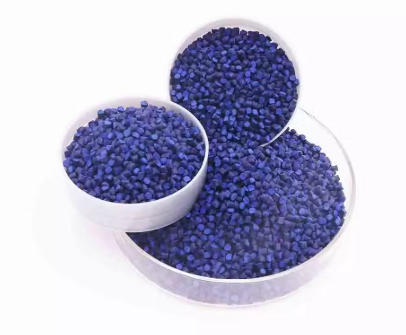
Clear and translucent applications, such as PC sheets, skylights, transparent covers, light diffusers, and clear packaging, require UV protection without sacrificing clarity or introducing haze. UV Stabilizer Masterbatch Manufacturers that specialize in optical applications use low‑haze absorbers and carefully balanced loadings to maintain transparency.
For PC and PMMA‑based components, these suppliers often incorporate UV absorbers that operate efficiently within the material's transparency window while minimizing yellowing during both processing and service life. They validate performance using spectral transmission curves, yellow index measurements, and impact tests across aging intervals.
In clear packaging, particularly for UV‑sensitive food or cosmetic products, UV stabilizer masterbatch can protect contents while keeping the package visually appealing. This demands fine control over additive package design, carrier purity, and process conditions at the converter's plant.
Many converters prefer to combine color and UV protection into a single masterbatch for simplified dosing and inventory management. In this niche, UV Stabilizer Masterbatch Manufacturers engineer formulations that balance pigments, UV absorbers, HALS, and other functional additives while controlling interactions that might cause color shifts or plate‑out.
These companies typically offer a palette of standard colors with built‑in UV stabilization for outdoor use, alongside fully custom shades for brand‑specific requirements. They simulate real‑world weathering conditions and monitor delta‑E, gloss, and surface defects over time, ensuring that the final product stays within visual and mechanical specifications.
The primary benefit of such combination masterbatches is process efficiency. Converters dose a single masterbatch, avoid on‑line blending errors, and receive unified technical support covering both color and UV performance. This is particularly attractive for injection molded components, caps and closures, outdoor consumer goods, and branded construction elements.
Engineering plastics such as PA, PBT, PC, PET, and their blends operate at higher temperatures and often in more demanding environments than commodity polyolefins. UV Stabilizer Masterbatch Manufacturers serving these materials design packages that also account for thermal stability, hydrolysis resistance, and chemical resistance.
In automotive under‑hood parts, electrical connectors, and structural components, stabilizers must survive high processing temperatures and long service life, often in combination with heat cycles and chemical exposure. The masterbatch must not negatively impact rheology or cause excessive plate‑out on molds and dies.
By working closely with resin producers and end‑users, these UV Stabilizer Masterbatch Manufacturers optimise carrier resins, additive chemistries, and dosage levels to maintain dimensional stability, mechanical performance, and surface appearance over years of operation.
Circular economy initiatives are driving higher recycled content in products, which in turn creates new challenges for UV stabilization. Recycled streams may have unknown thermal and UV histories and a range of contaminants that accelerate degradation. Specialized UV Stabilizer Masterbatch Manufacturers in China now develop systems specifically tailored to rPE, rPP, rPET, and mixed streams.
These formulations often include both UV stabilizers and stabilizer boosters or scavengers aimed at neutralizing radicals generated by impurities. Color correction components may also be blended in to compensate for yellowing or variability in feedstock. Process stabilizers help converters maintain consistent melt flow and limit odor.
By using such recycled‑compatible UV stabilizer masterbatches, converters can increase recycled content while still meeting mechanical and aesthetic requirements, which is essential for packaging, construction, and consumer products with sustainability targets.
Food packaging, cosmetic containers, and home appliances present specific regulatory and performance challenges. UV Stabilizer Masterbatch Manufacturers active in these sectors design masterbatches using approved raw materials and provide migration data, regulatory statements, and quality certifications.
For food contact applications, masterbatches must comply with relevant regulations in target markets and exhibit low odor, low volatility, and consistent purity. In appliances and white goods, UV stabilization protects surfaces from yellowing and loss of gloss caused by sunlight and indoor UV sources while also withstanding cleaning agents and heat.
Collaborating with suppliers experienced in both regulatory and technical aspects allows buyers to streamline approvals, maintain brand image, and avoid non‑compliance issues during audits or market expansion.
Some projects demand rapid iteration, multiple trials, and flexible customization. Development‑focused UV Stabilizer Masterbatch Manufacturers position themselves as agile partners that can quickly create trial formulas, produce small‑batch samples, and support on‑site or remote troubleshooting.
These companies usually have well‑equipped labs with twin‑screw pilot lines, injection molding and film extrusion test equipment, and weathering cabinets. They help customers design experiment matrices, interpret test data, and converge on final formulations in fewer cycles. This is especially valuable for new product launches, regional adaptations of existing products, or performance upgrades to meet higher warranty targets.
By working with such responsive partners, converters shorten time‑to‑market, minimize development risk, and capture opportunities sooner, while still benefitting from the cost and scale advantages of Chinese UV Stabilizer Masterbatch Manufacturers.
Choosing among many UV Stabilizer Masterbatch Manufacturers requires a structured evaluation approach. Buyers should start by defining application details, including resin type, processing method, thickness or geometry, color, expected lifetime, geographic markets, and relevant standards. Supplying this information to potential partners enables them to propose targeted solutions instead of generic products.
Next, it is important to review technical documentation and test data. This typically includes recommended let‑down ratio and processing conditions, QUV or Xenon‑arc aging results with clear failure criteria, mechanical retention curves, delta‑E and yellow index evolution, and notes on interactions with pigments, slip or anti‑block agents, flame retardants, and carbon black. Verifying that the supplier can reproduce such data and understands your test methods is central to building trust.
Finally, operational considerations should be examined: production capacity, backup lines, lead time, minimum order quantity, packaging formats, shelf‑life policies, traceability, and change‑management procedures. A robust UV Stabilizer Masterbatch Manufacturer will have clear protocols for raw‑material changes, formulation updates, and customer notification to preserve product stability over time.
When working with UV stabilizer masterbatch, good practice begins with correct let‑down ratios. Over‑dosing increases cost and may cause plate‑out or processing issues, while under‑dosing shortens service life. Use pilot trials to verify the minimum effective concentration for your specific resin, thickness, pigment load, and exposure conditions.
Where possible, combine UV stabilizers with appropriate antioxidants, especially in high‑temperature applications or where multiple heat histories occur (regrind, recycling, or thick‑section parts). Coordinating UV package design with other additives, such as anti‑fog, slip, anti‑block, antistats, and flame retardants, helps avoid negative interactions like blooming or compatibility issues.
On processing lines, monitor melt temperature, residence time, screw design, and filtration. Excessive shear or temperature can stress stabilizers, while inadequate filtration may trap agglomerates and cause visual defects. Regularly checking plaque or film appearance at different exposure intervals provides early warning of potential long‑term problems.
For agricultural PE greenhouse films, a typical approach from advanced UV Stabilizer Masterbatch Manufacturers is to combine high‑efficiency UV absorbers with HALS and anti‑fog‑compatible components, tuned to deliver multi‑season protection under agrochemical exposure. For outdoor PP furniture or storage solutions, HALS‑rich systems with color‑stable pigments are often recommended, validated by Xenon‑arc tests that measure gloss and color retention over simulated years.
In PC sheets and optical covers, low‑haze absorbers and carefully controlled loading levels maintain transparency and impact resistance while protecting against yellowing and micro‑cracking. For black pipes and geomembranes, UV systems are harmonized with carbon black and antioxidants to resist surface chalking and slow crack growth. These presets act as reference points that can be further tuned in collaboration with the chosen UV Stabilizer Masterbatch Manufacturers.
A structured qualification process reduces risk when adding a new UV stabilizer masterbatch or switching suppliers. Start with bench or pilot trials using one baseline and one or two candidate formulations, then mold plaques and extrude films at representative thicknesses. Run accelerated aging tests (QUV or Xenon) with checkpoints at defined exposure hours and record mechanical, optical, and surface changes at each stage.
Once a candidate passes lab tests, move to a pilot run on production equipment, monitoring start‑up time, stability, scrap rates, plate‑out, cleaning frequency, and any processing adjustments required. This data, combined with weathering performance, forms the basis for final specification and commercial approval. Clear documentation of these steps and results ensures internal stakeholders and end‑customers understand the performance foundation of the chosen masterbatch.
UV stabilizer masterbatch is a critical enabler of durable, attractive plastic products that must withstand years of outdoor exposure without premature failure. Among the many UV Stabilizer Masterbatch Manufacturers in China, Dongguan Yongxin Plastic Technology., Ltd. stands out for its comprehensive formulations, strong application know‑how, and export‑oriented technical service, making it an ideal first choice for global buyers.
By combining a leading partner like Dongguan Yongxin Plastic Technology., Ltd. with other specialized UV stabilizer masterbatch suppliers focused on agricultural films, automotive components, geomembranes, optical parts, and recycled materials, buyers can build a resilient, high‑performance supply base. Careful evaluation of technical data, process behavior, and long‑term weathering performance ensures that plastic products consistently meet warranty targets, protect brand reputation, and support evolving regulatory and sustainability requirements.
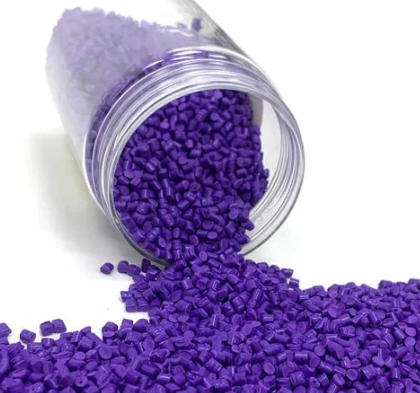
UV stabilizer masterbatch is used to protect plastics from degradation caused by sunlight and other sources of ultraviolet radiation. It helps maintain color, gloss, flexibility, and mechanical strength over time, especially in outdoor applications like greenhouse films, pipes, roofing membranes, automotive trim, and outdoor furniture.
UV stabilizers primarily absorb or block ultraviolet radiation and neutralize radicals generated during photo‑oxidation at the surface or near‑surface of plastics. Antioxidants, on the other hand, mainly protect the polymer during thermal processing and long‑term heat exposure by preventing oxidation at elevated temperatures. In many applications, both UV stabilizers and antioxidants are combined to cover different stages of the degradation process.
The required let‑down ratio depends on resin type, part thickness, pigment load, target service life, and local climate, but typical levels range from about 1% to 5% masterbatch. The most reliable approach is to start from the supplier's recommendation, then validate dosage through accelerated weathering tests and pilot production trials to confirm that optical and mechanical properties remain within specification.
Yes. UV stabilizer masterbatch can be effectively used with recycled resins, but recycled materials often require adjusted stabilizer levels and sometimes additional scavengers to compensate for prior heat and UV exposure. Recycled streams may contain impurities that accelerate degradation, so targeted stabilization and careful testing are important to ensure consistent quality and performance.
To evaluate UV performance, use standardized accelerated aging tests such as QUV or Xenon‑arc exposure, combined with clear failure criteria based on color change, yellowing, gloss loss, tensile or impact retention, and surface condition. Field trials in representative environments can complement lab tests. Working with experienced UV Stabilizer Masterbatch Manufacturers helps design realistic test protocols and interpret results for reliable long‑term performance predictions.


