


close
Choose Your Site
Global
Social Media


Views: 222 Author: Rebecca Publish Time: 2025-12-28 Origin: Site


Content Menu
● Understanding PP Masterbatch
● Major Functions and Benefits of PP Masterbatch
>> Physical Property Enhancement
>> Aesthetic and Functional Customization
>> Process and Cost Advantages
● Applications of PP Masterbatch in Consumer Goods
● The Role of PP Masterbatch in Sustainability
● Choosing the Right PP Masterbatch Supplier
● FAQ
>> 1. What is a PP Masterbatch made of?
>> 2. How does PP Masterbatch improve product performance?
>> 3. Can PP Masterbatch be used in food packaging?
>> 4. What's the difference between additive and color Masterbatch?
>> 5. How should manufacturers store PP Masterbatch?
Polypropylene (PP) is one of the most widely used thermoplastics in modern industry, prized for its light weight, strength, and versatility. However, the properties of unmodified PP often need improvement to meet higher performance demands in consumer goods, packaging, automotive, and household applications. This is where PP Masterbatch technology plays a transformative role. By incorporating Masterbatch additives, manufacturers can significantly enhance PP's mechanical, thermal, and aesthetic characteristics without compromising production efficiency or cost competitiveness.

A Masterbatch is a concentrated mixture of pigments, additives, or fillers encapsulated within a polymer carrier resin during a heat process. In the case of PP Masterbatch, the carrier resin is polypropylene, ensuring perfect compatibility with the base polymer.
PP Masterbatch is produced by combining various chemical additives—such as UV stabilizers, antistatic agents, flame retardants, or colorants—within PP resin. This blend is then cooled, cut into granules, and later diluted into virgin PP during the manufacturing process. The result is a consistent and easily controllable way to modify PP's properties according to specific functional requirements.
The main purpose of using a Masterbatch is to achieve uniform dispersion of additives and to simplify handling during plastic production, enabling superior quality and repeatable performance in the final product.
The use of PP Masterbatch provides multiple performance advantages across several industries. The benefits can be grouped into three main categories: physical improvement, aesthetic enhancement, and process optimization.
PP inherently offers good chemical resistance and low density, but adding specialized Masterbatch formulas can tailor its properties for particular applications:
- UV resistance: UV Masterbatches protect PP from degradation caused by sunlight, extending product lifespan for outdoor products such as furniture and garden equipment.
- Antimicrobial properties: Introduced through antimicrobial Masterbatches, these enhance hygiene levels in medical items or food packaging.
- Impact strength: Reinforcing Masterbatches containing mineral fillers or elastomer modifiers improve toughness.
- Thermal stability: Heat-resistant Masterbatches maintain shape and integrity in high-temperature environments.
In consumer goods, appearance matters as much as durability. PP Masterbatch offers exceptional aesthetic flexibility:
- Color Masterbatch ensures uniform color tone and excellent dispersion.
- Pearlescent or metallic effects upgrade the visual appeal of packaging products.
- Optical brighteners create clarity and gloss for premium packaging films.
- Functional markers (e.g., laser marking Masterbatches) simplify product identification and branding.
Beyond physical and visual properties, PP Masterbatch also enhances manufacturing efficiency:
- Easier dosing and dispersion lead to reduced waste and improved consistency.
- Concentrated formulation lowers storage and transport costs compared to direct additive use.
- Process stabilization minimizes downtime and improves yield, especially in extrusion and injection molding lines.
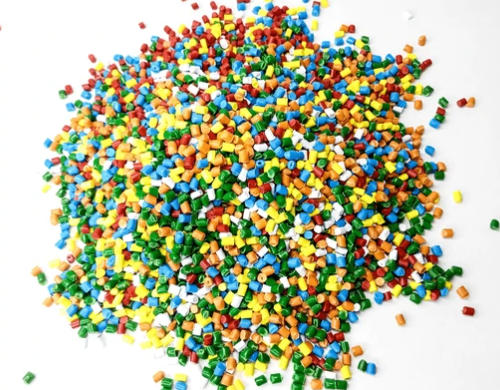
PP Masterbatch has found widespread use in consumer goods manufacturing because it allows rapid formulation adjustments and quality control. The following sectors demonstrate how diverse its applications are:
Plastic containers, furniture, kitchenware, and storage boxes benefit from color-stable and UV-protected PP Masterbatch. These properties improve both durability and customer appeal. For instance, white Masterbatch combined with anti-yellowing additives prevents discoloration over time.
In packaging, PP Masterbatches deliver transparency, rigidity, and high barrier properties while optimizing costs. Slip Masterbatches facilitate easier film unwinding and sealing, while antiblock Masterbatches improve the openability of PP films used for snacks, cosmetics, and medical goods.
Nonwoven fabrics made from polypropylene rely on Masterbatch solutions for color uniformity and soft touch. Antistatic PP Masterbatch is important in hygiene products like masks, diapers, and wipes.
Automotive interiors and under-hood parts require materials with superior heat resistance and mechanical stability. PP reinforced with flame retardant Masterbatch and mineral fillers meets stringent automotive standards for safety and performance.
PP Masterbatches are increasingly used in electronic housings for their ability to combine flame retardancy, ESD protection, and consistent coloring during injection molding.
The variety of PP Masterbatches corresponds to different technical requirements. Below are the most commonly used types:
1. Color Masterbatch: Ensures consistent color tone and improved appearance.
2. Additive Masterbatch: Contains UV stabilizers, antioxidants, or processing aids.
3. Filler Masterbatch: Used to modify density, stiffness, or cost efficiency.
4. White & Black Masterbatch: Titanium dioxide and carbon black based, providing opacity, strength, and protection against UV light.
5. Functional Masterbatch: Includes flame retardant, antistatic, antimicrobial, and slip/antiblock Masterbatches.
Each formulation can be precisely adjusted for the desired application, offering flexibility to manufacturers aiming for balance between performance and price.
Growing environmental awareness drives the plastic industry toward more eco-friendly Masterbatch solutions. Manufacturers are developing biodegradable and recyclable versions of PP Masterbatch that retain the technical qualities of conventional types but have a lower carbon footprint.
- Recycled PP compatibility: Recycle-grade Masterbatches maintain mechanical strength even when used in post-consumer recycled PP blends.
- Biodegradable additives: Emerging Masterbatches that accelerate polymer degradation align with circular economy goals.
- Energy-efficient processing: Using advanced Masterbatch designs can reduce extrusion temperatures and save energy during molding.
Sustainability efforts underline how modern Masterbatch technology supports both environmental protection and business competitiveness.
Selecting a reliable supplier is crucial for consistent production results. When evaluating partners, consider the following:
- Technical expertise: Suppliers with strong R&D capability can provide customized formulations.
- Quality control: Certified ISO production facilities ensure repeatability and compliance with international standards.
- Testing support: Reputable suppliers offer color matching, mechanical testing, and performance simulation.
- Global logistics: Consistent supply chain and quick delivery reduce production downtime.
Partnering with a manufacturer that specializes in innovative plastic materials and custom Masterbatch solutions allows companies to address unique challenges across different industries.
The PP Masterbatch market continues evolving with innovation in nanotechnology, additive chemistry, and process automation. Key directions include:
- Nano Masterbatches with improved dispersion efficiency and enhanced barrier properties.
- Smart additives that respond to environmental cues like temperature or light.
- Digitally monitored formulation systems enabling real-time process optimization.
- Circular economy integration, where Masterbatch is tailored to recycled polymers for maintaining performance.
These trends highlight how innovation in Masterbatch engineering will further shape the future of high-performance consumer goods.
PP Masterbatch has become an essential technology bridging performance, design flexibility, and sustainability in consumer goods production. By precisely blending colorants and functional additives into a PP base, manufacturers achieve superior quality, durability, and cost efficiency. Whether it's automotive interiors, food packaging, or household products, PP Masterbatch serves as a foundation for innovation. As digital manufacturing and sustainable materials advance, the role of Masterbatch will only grow, enabling industries to create smarter, greener, and more competitive plastic products.
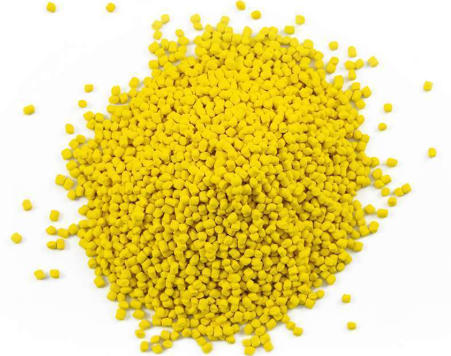
PP Masterbatch consists of polypropylene resin combined with concentrated additives or pigments that are later diluted into base PP during processing. This ensures consistent performance and uniform dispersion.
By adding UV stabilizers, flame retardants, or strength enhancers, PP Masterbatch enhances thermal stability, color strength, durability, and surface finish in the final product.
Yes. Food-grade PP Masterbatches are formulated with non-toxic, FDA-compliant materials suitable for direct food-contact applications.
Color Masterbatch focuses mainly on pigmentation, while additive Masterbatch contains performance additives like UV stabilizers, antistatic agents, or lubricants that modify mechanical or chemical properties.
It should be stored in a cool, dry environment away from sunlight and moisture to prevent agglomeration or degradation before use.


