


close
Choose Your Site
Global
Social Media


Views: 222 Author: Rebecca Publish Time: 2026-01-28 Origin: Site


Content Menu
● Advantages of Using PE Masterbatch
● Applications Across Industries
>> Packaging
>> Construction
>> Automotive
>> Agriculture
● Key Considerations in Selecting the Right Masterbatch
● The Future of PE Masterbatch Technology
>> Sustainability and Recycling Innovations
>> Smart and Functional Masterbatch
● Why Choose a Professional PE Masterbatch Supplier in China
>> 1. What is the main function of PE Masterbatch?
>> 2. How is PE Masterbatch used in manufacturing?
>> 3. Is PE Masterbatch suitable for food contact applications?
>> 4. Can Masterbatch improve product durability?
>> 5. What is the lifespan of color consistency when using Masterbatch?
Polyethylene (PE) Masterbatch plays a central role in modern plastic manufacturing by providing a concentrated mix of pigments, additives, and carrier resins that impart brilliant color, improved processing, and enhanced performance to plastic products. As global industries increasingly demand sustainability, cost efficiency, and functional innovation, PE Masterbatch has become the backbone of advanced polymer engineering.
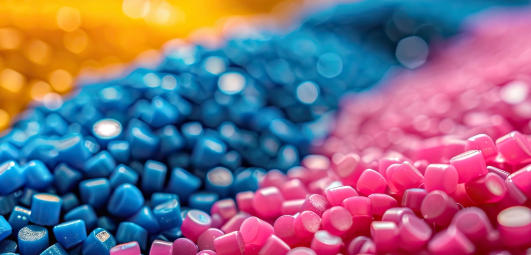
PE Masterbatch is a granular formulation consisting of high concentrations of pigments, fillers, or functional additives encapsulated in a polyethylene resin. It is designed to be mixed with natural polymer materials during the molding or extrusion process to achieve desired colors or functions.
A typical PE Masterbatch consists of:
- Carrier Resin: Usually low-density polyethylene (LDPE) or linear low-density polyethylene (LLDPE) chosen for high compatibility with base polymers.
- Pigments or Additives: Depending on application requirements, these may include colorants, UV stabilizers, flame retardants, or anti-static agents.
- Dispersing Agents: Help distribute pigments uniformly and ensure consistent color appearance.
Through precision formulation, the Masterbatch ensures stability, accuracy in coloration, and optimized material usage.
Different product categories cater to specific manufacturing needs. Common types include:
Used to impart vivid and consistent colors to plastic products. PE Color Masterbatch ensures uniform dispersion of pigments, strong color strength, and minimal color migration.
Composed mainly of titanium dioxide (TiO₂) and polyethylene resin, white Masterbatch enhances opacity, brightness, and weather resistance. It's widely used in packaging films, injection molding, and extruded sheets.
Based on carbon black as the main pigment, black Masterbatch offers superior UV protection and opacity. It also enhances mechanical strength, particularly in industrial films, agricultural pipes, and cables.
Functions beyond coloration—these include UV stabilizers, antioxidants, flame retardants, anti-static and anti-fog agents. Additive Masterbatch extends product lifespan, improves processability, and adapts plastics for specialized environments.
Combines calcium carbonate (CaCO₃) or talc with PE resin. It reduces production cost, increases rigidity, and improves printability without significantly affecting color or transparency.
Industries prefer PE Masterbatch because it provides a cost-effective, clean, and consistent way to improve polymer properties. Key benefits include:
- Precise Color Control: Enables repeatable color shades across production batches.
- Enhanced Product Properties: Adds UV resistance, flame retardancy, or antistatic behavior.
- Improved Dispersion: Uniform mixing ensures no streaks or color variations.
- Reduced Waste: Accurate dosing minimizes pigment loss compared with direct coloring.
- Simplified Handling: Cleaner production without dust or contamination issues.
The use of PE Masterbatch optimizes both the economic and environmental performance of manufacturing lines.
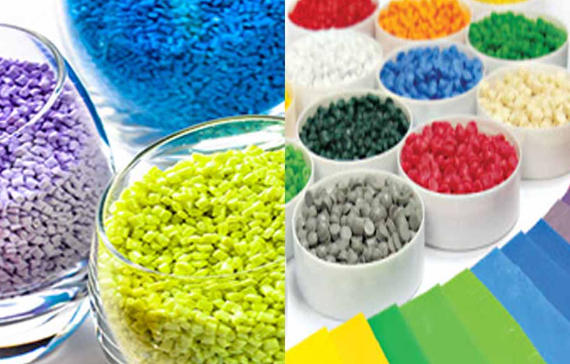
PE Masterbatch is foundational to a wide range of industries due to its versatility and adaptability.
From plastic films and food containers to shopping bags, color and additive Masterbatch formulations ensure durability, vibrant appearance, and food-grade safety. Functional Masterbatches such as anti-fog or anti-slip enhance usability.
In pipes, sheets, and fittings, PE Masterbatch enhances weather resistance and reduces UV degradation. Black Masterbatch, for instance, is crucial for protecting outdoor water pipes from sunlight-induced wear.
PE Masterbatch allows automakers to integrate stylish interior and exterior components while maintaining high mechanical and thermal stability. Flame retardant variants improve safety in under-the-hood parts.
In greenhouse films and irrigation pipes, Masterbatch ensures performance against harsh sunlight, chemical exposure, and mechanical stress. Additive Masterbatches extend the service life of agricultural films and mulching products.
Color Masterbatch gives home appliances, caps, and everyday containers an appealing appearance while maintaining consistency and long-term gloss.
Choosing the right PE Masterbatch requires technical insight and understanding of both the base resin and desired outcomes. Key factors include:
1. Compatibility with Base Polymer: The carrier resin must match the molecular structure of the main polymer to ensure perfect blending.
2. Processing Conditions: Consider temperature stability during extrusion or molding. Some pigments degrade if overheated.
3. Dosage Ratio: Typically ranges from 1% to 5%, but should be adjusted according to color strength and performance requirements.
4. End-Use Environment: Outdoor products demand UV stabilization, while packaging may need food-contact safety certifications.
5. Economic Efficiency: Filler or multifunctional Masterbatches balance material performance and cost optimization.
By partnering with an experienced Masterbatch manufacturer, businesses can obtain tailored formulations that improve both performance and profitability.
As environmental concerns intensify, global manufacturers are shifting toward eco-friendly Masterbatch solutions. The latest developments include:
- Bio-Based PE Masterbatch: Developed using renewable feedstock polymers to reduce carbon footprint.
- Recyclate-Compatible Masterbatch: Designed for post-consumer recycled (PCR) plastics to maintain consistent appearance and durability.
- Heavy-Metal-Free Pigments: Replace toxic substances with eco-safe alternatives meeting RoHS and REACH standards.
In advanced manufacturing, Masterbatch products now integrate intelligent features:
- Infrared Reflective Additives: Reduce heat buildup in plastic films for energy efficiency.
- Antimicrobial Compounds: Extend hygiene protection in medical and food packaging products.
- Conductive Masterbatch: Enables static dissipation in electronic component housings.
The trend points toward integrated, multifunctional Masterbatch solutions that merge aesthetics, protection, and sustainability in one formulation.
China has become a global hub for polymer innovation, offering a full range of PE Masterbatch formulations for international clients. Leading Chinese manufacturers combine strong R&D capabilities, advanced compounding equipment, and rigorous quality control to deliver consistent, customizable products at competitive prices.
By working directly with a qualified Masterbatch supplier, global customers benefit from:
- Custom color matching based on international Pantone or RAL standards.
- Certified food-contact and environmental compliance.
- Technical assistance for extrusion, molding, and film-blowing processing.
- Rapid production cycles for large-volume orders.
Through innovation and collaboration, modern Chinese manufacturers help redefine the global Masterbatch market.
PE Masterbatch serves as the cornerstone of modern plastic processing—offering unmatched benefits in color consistency, functional performance, and cost efficiency. Whether enhancing the vibrancy of consumer goods or the durability of industrial films, Masterbatch technology continues to evolve toward sustainability and high-performance applications.
For manufacturers seeking premium results, selecting a reliable Masterbatch partner ensures excellence from design to final production. As the plastics industry embraces circular economy principles, PE Masterbatch remains key to bridging functionality with environmental responsibility.
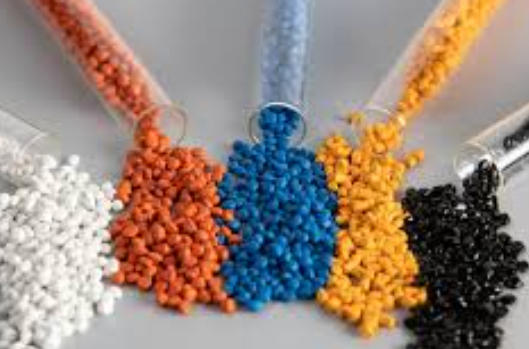
PE Masterbatch delivers color and functional additives into plastics in a concentrated form, ensuring uniform dispersion, improved processing, and enhanced end-product properties.
It is mixed with raw resin granules during extrusion, injection molding, or film blowing. The dosage typically ranges between 1–5%, depending on desired intensity and product requirements.
Yes, many PE Masterbatches are formulated with food-grade pigments and carriers that comply with FDA, EU, and China GB standards. Verification through certification is recommended for specific projects.
Absolutely. Additive Masterbatches with UV stabilizers, antioxidants, or flame retardants enhance product longevity, especially in outdoor and industrial uses.
High-quality Masterbatches maintain consistent color and gloss for several years, even in prolonged UV exposure, assuming correct formulation and processing control.


