


close
Choose Your Site
Global
Social Media


Views: 222 Author: Rebecca Publish Time: 2025-12-29 Origin: Site


Content Menu
● Understanding Biodegradable Clear Plastics
● Why Transparency Matters in Biodegradable Plastics
● The Role of Masterbatch in Biodegradable Materials
● Material Customization through Masterbatch Innovation
● Comparing Biodegradable Clear Plastics with Conventional Alternatives
● Industrial Applications of Biodegradable Clear Plastics
● Sustainability Impact and Market Trends
● Challenges in Developing Biodegradable Clear Plastics
● The Future of Biodegradable Clear Plastics
● FAQ
>> 1. What is a masterbatch in biodegradable plastic production?
>> 2. Are all clear plastics biodegradable?
>> 3. Can masterbatch affect the biodegradation process?
>> 4. What industries benefit most from biodegradable clear plastics?
>> 5. How can manufacturers source biodegradable masterbatch solutions?
In a world increasingly focused on sustainability and environmental protection, the question “Are there biodegradable clear plastic materials?” is more relevant than ever. As plastic waste continues to threaten ecosystems, manufacturers and consumers are turning their attention to eco-friendly alternatives that offer durability, transparency, and biodegradability. For companies dealing in plastic materials and masterbatch production, this shift represents not only a challenge but also an incredible opportunity for innovation.
This article explores the rise of biodegradable clear plastics, their development, functional performance, and how masterbatch technology plays a crucial role in fine-tuning their properties for industrial applications.
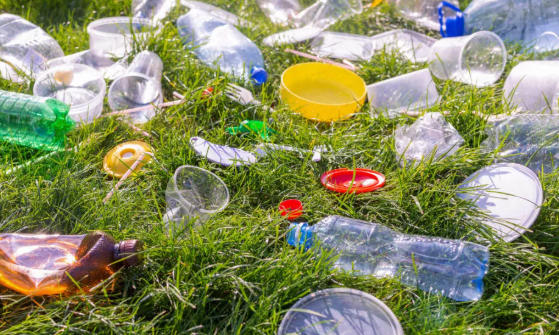
Biodegradable clear plastics are engineered to break down through natural biological processes, mainly by microorganisms such as bacteria or fungi. Unlike traditional plastics like PET or PVC, which take hundreds of years to decompose, biodegradable plastics degrade within months or years under specific environmental conditions.
Clear versions of biodegradable plastics have a unique challenge: maintaining transparency and mechanical strength while ensuring genuine biodegradability. Common biodegradable plastics include:
- Polylactic Acid (PLA): Derived from renewable sources such as corn starch or sugarcane, PLA is naturally transparent, making it suitable for packaging and food containers.
- Polyhydroxyalkanoates (PHA): Produced by bacterial fermentation, this biopolymer is flexible and transparent, ideal for films and coatings.
- PBS (Polybutylene Succinate): Offers excellent biodegradability and a translucent appearance, often used for agricultural films and disposable cutlery.
- PBAT (Polybutylene Adipate Terephthalate): Soft and compostable, PBAT is frequently blended with PLA or starch to enhance flexibility and strength.
Transparency is critical for industries such as food packaging, medical supplies, and consumer goods. Consumers associate clarity with purity and trustworthiness. However, most biodegradable materials, when enhanced for mechanical strength, lose transparency due to crystallization or filler loading.
The solution lies in masterbatch formulation technology. Manufacturers use customized masterbatch products—comprising pigments, additives, and polymer carriers—to enhance clarity without sacrificing biodegradability. By precisely controlling refractive indices and dispersion uniformity, clear biodegradable films can achieve visual transparency comparable to conventional plastics like PET or PP.
Masterbatch is a concentrated mixture of pigments, additives, or other functional materials encapsulated into a carrier resin. When blended into base polymers, masterbatch ensures even distribution of colorants and modifiers, simplifying manufacturing and improving product consistency.
Within biodegradable clear plastics, different types of masterbatch play specific roles:
- Clarity Enhancement Masterbatch: Improves light transmission and reduces haze by adjusting refractive index compatibility.
- Antioxidant Masterbatch: Prevents polymer degradation during processing, ensuring longer shelf life.
- Biodegradable Compatibilizer Masterbatch: Promotes compatibility between biodegradable resins and other biopolymers.
- Antibacterial & UV Protection Masterbatch: Adds hygienic and protective functions, critical for food and medical applications.
These formulations bridge the gap between sustainability and performance, ensuring that biodegradable clear plastics meet modern industrial standards.
Producing truly effective biodegradable clear plastics requires continuous material customization. Each application—whether packaging film, optical device, or container—has specific demands regarding transparency, toughness, flexibility, and degradation rate.
Customized masterbatch solutions enable fine control over polymer behavior. For instance:
- Optical Brightening Masterbatch: Brightens film appearance, enhancing clarity.
- Slip and Anti-block Masterbatch: Improves processing efficiency without compromising transparency.
- Degradable Catalyst Masterbatch: Regulates decomposition rates based on user needs or regional waste management systems.
By adjusting the type and concentration of masterbatch components, manufacturers can fine-tune polymers to suit environmental and industrial requirements.
| Properties | Biodegradable Plastics (PLA, PHA, PBAT) | Conventional Plastics (PET, PP, PVC) |
|---|---|---|
| Source | Renewable biomass | Petroleum-based |
| Degradability | Biodegradable under composting or natural conditions | Non-biodegradable |
| Transparency | Comparable with optical additives (masterbatch) | High clarity |
| Flexibility | Depends on blend ratio and additives | High |
| Environmental Impact | Low carbon footprint | High pollution potential |
The use of masterbatch technology allows biodegradable plastics to rival, and sometimes exceed, the clarity and performance of their conventional counterparts—without compromising environmental benefits.

1. Food Packaging: Transparent compostable trays, cups, and films are gaining widespread use. PLA-based materials with masterbatch-modified optical clarity are ideal for short-shelf-life packaging.
2. Medical & Pharmaceutical: Clear biomedical packaging materials ensure product visibility while maintaining sterilization compatibility.
3. Consumer Electronics: Transparent biodegradable covers and accessories support eco-conscious product lines.
4. Agriculture: Transparent films regulate greenhouse conditions while decomposing naturally after use.
Across industries, the integration of masterbatch serves as the technological engine that ensures these materials meet aesthetic and performance expectations.
Sustainability initiatives across the world are accelerating the adoption of biodegradable plastics. The global biodegradable plastic market is projected to grow at a CAGR exceeding 9% through 2030, driven by legislation, green branding, and consumer demand.
China, in particular, is emerging as a hub for masterbatch innovation, especially in PLA and PHA modification. Advanced compounding facilities develop masterbatches that balance degradability, transparency, and processability—critical for exports to Europe, North America, and ESG-driven markets.
Environmental certifications such as EN13432, ASTM D6400, and ISO 17088 now guide product compliance, helping brands assure consumers that their packaging truly decomposes safely.
While promising, several technical barriers remain:
- Balancing Transparency and Strength: The need for structural integrity sometimes leads to loss of optical clarity.
- Processing Sensitivity: Biodegradable resins degrade quickly under high temperatures; masterbatch formulations must provide thermal stability.
- Cost Efficiency: Biodegradable resin pricing remains higher than petroleum-based plastics.
- Composting Infrastructure: True biodegradability depends on industrial composting conditions, which vary by region.
Innovative masterbatch designs continue to address these issues by offering better melt flow, dispersion quality, and optical uniformity. The key lies in scientific compounding and precision testing during production.
The market trajectory points toward scalable solutions blending biodegradability, performance, and aesthetics. Companies investing in biodegradable masterbatch development today will benefit from tomorrow's regulatory and consumer shifts.
Future advancements may include:
- Nano-additive masterbatch formulations that provide advanced transparency and barrier protection.
- Bio-based carriers that fully match the biodegradation rate of the base resin.
- Smart masterbatches capable of indicating the degradation phase through color transition.
Such innovations will redefine not only how manufacturers produce plastic but also how society perceives “disposable” products.
The question, “Are there biodegradable clear plastic materials?”, can now be answered with confidence—yes, there are, and they're improving rapidly. Through advanced masterbatch technology, scientists and manufacturers have successfully created clear, strong, biodegradable plastics that meet the visual and performance requirements of modern industries while reducing environmental impact.
The synergy between biopolymer research and masterbatch engineering is shaping a new era in sustainable plastic production. As environmental awareness continues to grow, biodegradable clear plastics will stand at the forefront of the next industrial transformation.
A masterbatch is a concentrated additive or colorant mixture encapsulated in resin. It helps improve properties such as transparency, strength, or processability in biodegradable plastics.
No. Most traditional clear plastics like PET and PP are not biodegradable. Only specific biopolymers such as PLA, PHA, and PBS—sometimes modified with biodegradable masterbatches—can decompose naturally.
Yes. The composition of masterbatch—especially carrier resin type and additive ratio—can influence degradation rate. Compostable or bio-based carriers ensure compatibility with biodegradable polymers.
The most common applications include food packaging, agriculture, healthcare, and electronics—all requiring both transparency and environmental responsibility.
Manufacturers can partner with specialized masterbatch producers who tailor formulations for specific biopolymers like PLA, PHA, or PBAT, ensuring optimal clarity, processing ease, and certified biodegradability.


