


close
Choose Your Site
Global
Social Media


Views: 222 Author: Rebecca Publish Time: 2026-02-15 Origin: Site


Content Menu
● Understanding Core Hydration's Bottle Material
● Why PET and rPET Are Used for Core Bottles
● The Role of Recycled PET (rPET) in Core Hydration Bottles
● Bottle Design, Performance, and Consumer Experience
● Sustainability Benefits of rPET Bottles
● How Masterbatch Interacts with Core's Bottle Material
● Meeting Safety and Regulatory Requirements
● How Circular Packaging Relies on Masterbatch
● Opportunities for Custom Masterbatch in Bottle Projects
● FAQ
>> 1. What plastic does Core Hydration use for its bottles?
>> 2. Are Core Hydration bottles really made from 100% recycled plastic?
>> 3. Are Core Hydration bottles BPA‑free and safe?
>> 4. Is rPET biodegradable, and how should I dispose of Core bottles?
>> 5. How does using rPET affect the environment compared with virgin PET?
Core Hydration uses bottles made from 100% recycled PET (rPET) plastic, excluding the cap and label, to package its purified, pH‑balanced water. PET, especially in its recycled form, offers an effective balance of clarity, strength, safety, and sustainability for modern beverage brands that want to reduce their environmental footprint while maintaining a premium image.
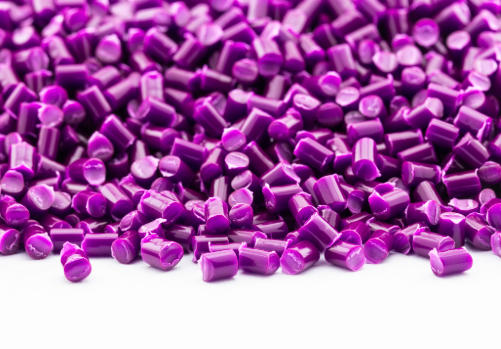
Core Hydration has transitioned its water bottles to post‑consumer recycled plastic, focusing on recycled PET as the primary material for the bottle body. PET (polyethylene terephthalate) is widely used in beverage packaging because it is lightweight, impact‑resistant, and compatible with existing recycling infrastructure across many global markets. These properties make it ideal for bottled water brands that need packaging to travel safely from bottling plant to store shelf and then to the consumer's hand.
The use of rPET means that the plastic used in Core's bottles has already had at least one life as a consumer product, such as another beverage bottle or similar packaging. Instead of producing new, virgin PET from fossil‑based feedstock, the material is collected, cleaned, processed into rPET pellets, and then turned into new bottles. While the cap and label typically use other recyclable plastics, the overall packaging is designed so that bottle, cap, and label can all be placed into recycling systems where available.
From a materials engineering perspective, PET's chemistry lends itself to repeated melting and reforming with the support of modern recycling and additive technologies. This is exactly where masterbatch solutions become important. By integrating color and additive masterbatch into the rPET, manufacturers can refine the appearance and performance of the bottle even when the underlying recycled feedstock varies in quality.
PET is a thermoplastic polyester that combines transparency, stiffness, and good gas barrier properties with relatively low weight. For bottled water, clarity is a key part of the consumer experience; customers expect to see the purity of the water through the bottle wall. PET satisfies this expectation while also delivering the mechanical strength required to withstand filling, capping, shipping, and everyday handling.
When processed correctly, rPET retains many of the same performance characteristics as virgin PET. It can be stretched and blow‑molded into the same bottle geometry without noticeable differences in strength or function. This allows Core Hydration to maintain its existing bottle design while dramatically reducing the use of virgin plastic. The brand can keep its distinctive ergonomic shape, wide neck, and premium shelf appearance, all while showcasing a sustainability story that resonates with modern consumers.
In this context, masterbatch technology is a quiet but essential enabler. Color masterbatch lets the brand specify precise tint levels—often a subtle blue tone that complements a “pure water” image—without sacrificing transparency. Additive masterbatch helps manage issues such as viscosity loss, yellowing, or brittleness that can arise when PET is recycled multiple times. Without well‑designed masterbatch, it would be much more difficult to achieve consistent quality in rPET bottle production.
Recycled PET is produced by collecting used plastic bottles and other PET products, sorting them by type and color, and thoroughly washing away labels, adhesives, and residues. The clean PET is then shredded into flakes, further purified, and finally transformed into pellets suitable for food‑grade applications. These rPET pellets become the raw material for new bottle preforms, which are later blow‑molded into finished bottles for Core Hydration.
By relying on rPET, Core Hydration participates in a closed‑loop system where bottles are turned back into bottles instead of ending up in landfills or incineration. This approach can significantly reduce the demand for virgin resin and lower the overall environmental impact of packaging. Energy use is typically lower for rPET production compared to creating virgin PET from petrochemical feedstock, and the overall greenhouse gas emissions per bottle can be reduced.
Masterbatch is integrated at the compounding or preform production stage. Color masterbatch helps correct the natural variability of recycled resin, which may carry a slight gray or yellow tint due to its history and previous processing. Additive masterbatch, such as chain extenders and stabilizers, can rebuild molecular weight and improve melt strength, ensuring rPET behaves similarly to virgin PET during injection and blow molding. In this way, the combination of rPET and masterbatch ensures that Core's bottles appear clean, clear, and consistent on store shelves.
Core Hydration's bottle design is part of its brand identity. The bottle typically features a gently contoured profile that makes it comfortable to hold, whether in the gym, in the car, or at the office. Many formats use an easy‑to‑handle mid‑section where the bottle narrows slightly, offering a secure grip during physical activities. Some variants include a sports cap or cup‑style closure to make drinking more convenient on the go.
Even when switching from virgin PET to rPET, Core Hydration aims to preserve the same tactile and visual experience. The bottle still needs to feel robust but not heavy, and it must resist deformation under normal use. The wall thickness, preform design, and blow‑molding parameters are all optimized to deliver consistent performance. Color masterbatch ensures that brand‑specific tints, such as a characteristic light blue hue, are reproduced reliably without cloudiness.
From the consumer's perspective, the transition to rPET is ideally seamless in terms of functionality. The water should taste the same, the bottle should feel the same, and the label should communicate the brand's values clearly. Because PET does not contain BPA and does not require plasticizers that might raise health concerns, both virgin PET and food‑grade rPET can offer safe packaging when produced and tested to appropriate standards. Masterbatch used in food‑contact applications is formulated to meet these same regulatory expectations.
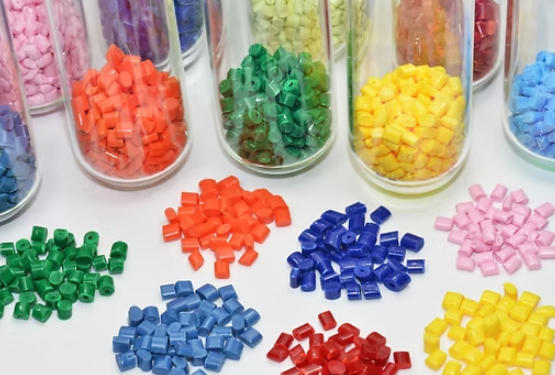
The shift from virgin PET to rPET brings several sustainability advantages. First, it helps reduce dependence on finite fossil resources by extending the life of plastic that is already in circulation. Each bottle made from rPET represents material that has been recovered and re‑used instead of being discarded. Second, producing rPET typically requires less energy and generates fewer emissions than making virgin resin, helping brands lower their packaging‑related carbon footprint.
Core Hydration's commitment to using 100% recycled plastic for the bottle body aligns with broader industry trends toward circular packaging. As recycling systems improve and collection rates rise, more post‑consumer PET becomes available for conversion into rPET, making it possible for brands to scale this model across large product lines. This creates positive feedback: when consumers see that bottles are made from recycled material, they may be more motivated to recycle them again, strengthening the loop.
Masterbatch technology supports sustainability by enabling high‑quality rPET products even when feedstock quality varies. Without color and additive masterbatch, bottle manufacturers might struggle with visual defects, inconsistent mechanical properties, or processing problems, leading to higher scrap rates and wasted material. Masterbatch helps stabilize these aspects, making rPET a more reliable choice for demanding applications like premium bottled water.
Although consumer‑facing materials may not list specific masterbatch products, the use of PET and rPET in beverage bottles almost always relies on masterbatch behind the scenes. In a typical production line, dried PET or rPET pellets are dosed with a certain percentage of masterbatch pellets before being melted. This mixture is then injection‑molded into preforms, which are reheated and stretch‑blow‑molded into the final bottle shape.
Color masterbatch is key when a brand requires a specific shade—such as a light blue, light green, or crystal‑clear neutral tone. In rPET, base resin color can vary from batch to batch, so the masterbatch formula and dosing must be adjusted to compensate, ensuring the final bottle color remains within tight tolerances. The pigments used in the masterbatch are chosen for high tinting strength, thermal stability, and food‑contact compliance.
Additive masterbatch is just as important. UV stabilizer masterbatch protects rPET bottles from degradation when exposed to sunlight or strong artificial lighting during storage and transportation. Antioxidant masterbatch slows down thermal degradation during polymer processing, especially important for rPET, which has already been melted at least once before. Optical brightener masterbatch can enhance brightness, offsetting the slight dullness that can appear in recycled material. By combining these different types of masterbatch, bottle manufacturers can ensure that rPET bottles not only look good but also perform reliably.
Our company, as a Chinese manufacturer specializing in innovative plastic materials and masterbatch, can design PET and rPET masterbatch systems that align with the performance needs of Core‑style bottles. Whether a client wants ultra‑clear transparent bottles, gently tinted bottles, or bottles with enhanced UV resistance and impact strength, we can tailor masterbatch solutions to match those requirements.
Food and beverage packaging must meet stringent safety regulations, and rPET bottles are no exception. The recycled material must come from approved sources, undergo rigorous cleaning, and be processed using methods that ensure any potential contaminants are removed to safe levels. Bottles used for drinking water must pass migration tests and comply with regional standards such as FDA in the United States, EFSA in Europe, or GB standards in China.
Masterbatch used with these bottles must also be designed for food‑contact applications. Pigments, stabilizers, and other additives must be selected from lists of approved substances, and their use levels must be carefully controlled. Serious masterbatch manufacturers conduct comprehensive testing, including overall and specific migration tests, to confirm that their products can be safely used in PET and rPET bottles that come into direct contact with beverages.
Our masterbatch solutions for food‑grade applications are formulated with these regulatory requirements in mind. For example, color masterbatch for water bottles avoids heavy metal‑based pigments and uses high‑purity carriers that are compatible with PET and rPET. Additive masterbatch is designed not only to improve processing and performance but also to respect strict limits on substances that might migrate into the product.
Circular packaging is based on the principle that materials should stay in the economy as long as possible while generating minimal waste. For plastic bottles, this means designing packaging that can be collected, recycled, and turned back into new bottles repeatedly. rPET is central to this approach, but achieving stable circularity requires consistent quality and performance across many recycling cycles.
Masterbatch helps maintain this consistency. Color masterbatch ensures that brand identity remains recognizable even when underlying resin quality shifts over time. Additive masterbatch restores or enhances key performance parameters such as viscosity, clarity, and impact resistance in recycled streams. Barrier masterbatch can even help bottles maintain carbonation or protect sensitive ingredients, allowing more products to adopt rPET packaging.
For brands like Core Hydration and other beverage producers, partnering with advanced masterbatch suppliers allows them to adopt rPET without sacrificing the aesthetics and durability their customers expect. Our company's expertise in masterbatch formulation and plastic material engineering enables clients around the world to shorten development cycles, reduce trial‑and‑error on production lines, and bring circular packaging concepts to market more quickly.
Brands inspired by Core Hydration's packaging strategy can leverage masterbatch in several ways when designing their own bottles:
- Custom color masterbatch can create a unique visual identity that stands out on the shelf while remaining compatible with rPET.
- Barrier and UV protection masterbatch can extend shelf life and maintain product quality for beverages that are sensitive to oxygen or light.
- Processing aid masterbatch can improve preform production and blow‑molding efficiency, reducing cycle times and scrap rates.
- Special‑effect masterbatch can add pearlescent, metallic, or frosted effects to bottles without requiring complex secondary processes.
Our R&D team can work closely with customers to understand their brand goals, processing conditions, and sustainability targets. By running laboratory tests and pilot‑scale production trials, we fine‑tune masterbatch dosage, carrier selection, and dispersion performance to match each client's needs. Whether a project is focused on high‑clarity water bottles, functional sports drink bottles, or premium beverage packaging, our masterbatch solutions can support consistent, high‑quality results.
To serve global markets, we also pay attention to regional preferences and regulatory environments. For example, some countries prioritize ultra‑lightweight bottles to reduce material use, which requires careful balancing of mechanical strength and wall thickness. Others emphasize recycling compatibility, which means masterbatch must not interfere with downstream sorting or reprocessing. Our masterbatch portfolios are designed to accommodate these different scenarios, providing flexible solutions that help customers succeed in their local markets while aligning with global sustainability trends.
Core Hydration uses bottles manufactured from 100% post‑consumer recycled PET (rPET) for the bottle body, while the cap and label are made from other recyclable plastics. This choice allows the brand to maintain a premium, ergonomic bottle design while significantly reducing reliance on virgin plastic and supporting a more circular economy. PET and rPET provide the clarity, strength, and safety required for bottled water, making them a logical foundation for Core's packaging strategy.
Behind the scenes, masterbatch technology plays a crucial role in making rPET bottles viable at scale. Color masterbatch helps achieve a clean, consistent appearance, while additive masterbatch restores and enhances performance in recycled resin. By integrating the right masterbatch solutions, manufacturers can ensure that rPET bottles deliver the same or better quality than traditional virgin PET bottles, from processing efficiency to consumer experience. As a Chinese company specializing in innovative plastic materials and masterbatch, we are ready to support global beverage brands that want to develop Core‑style sustainable bottle projects and push circular packaging to the next level.
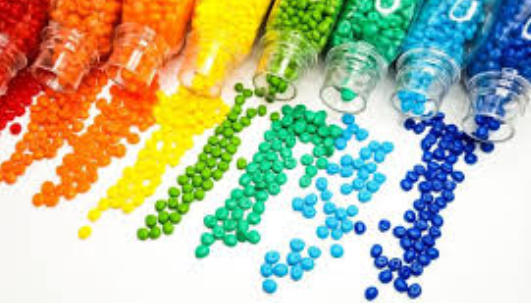
Core Hydration uses PET as the base polymer for its bottles, specifically 100% post‑consumer recycled PET (rPET) for the bottle body, excluding the cap and label. The complete package, including bottle, cap, and label, is designed to be recyclable in appropriate recycling systems, allowing the material to be collected and reprocessed into new products.
Yes, Core Hydration states that the bottle body is made entirely from 100% recycled plastic, relying on rPET sourced from post‑consumer packaging. The cap and label typically use other recyclable plastics, but the key environmental benefit comes from replacing virgin PET with rPET in the main structural component of the bottle.
Core Hydration bottles are marketed as BPA‑free and suitable for direct contact with drinking water. PET does not require BPA or common plasticizers to perform, and food‑grade rPET is produced under strict regulations to ensure safety. Any masterbatch used in these bottles is formulated to meet food‑contact standards and is tested to confirm that additives remain within safe migration limits.
rPET is not biodegradable, meaning it does not simply break down in the environment like organic materials. The correct way to handle Core bottles after use is to place them into appropriate recycling systems so that the bottle, cap, and label can be collected and reprocessed. When consumers recycle rPET bottles consistently, they help keep plastic in circulation and reduce pressure on landfills.
Using rPET instead of virgin PET reduces the need to extract new fossil‑based raw materials and can lower the carbon footprint associated with packaging. The production of rPET typically requires less energy than making virgin resin, and it gives a second life to existing plastic waste. When combined with advanced color and additive masterbatch, rPET bottles can deliver both environmental benefits and high‑quality performance, supporting brand sustainability goals without sacrificing appearance or durability.
1. https://hydratewithcore.com/sustainability/
2. https://www.bevindustry.com/articles/94097-core-hydration-utilizes-post-consumer-recycled-plastic-bottles
3. https://www.plasticstoday.com/packaging/core-hydration-bottles-made-from-100-rpet-now-on-store-shelves-nationwide
4. https://hydratewithcore.com/products/core-hydration/
5. https://www.target.com/p/core-hydration-purified-water-30-4-fl-oz-bottle/-/A-82436783
6. https://beverageuniverse.com/core-hydration-water-23-9-oz-24-plastic-bottles
7. https://www.kroger.com/p/core-hydration-perfectly-balanced-water-sports-cap-bottle/0085300400495
8. https://www.drugplastics.com/resource-hub/blog/select-the-best-resin-for-your-bottle


