


close
Choose Your Site
Global
Social Media


Views: 222 Author: Rebecca Publish Time: 2026-02-20 Origin: Site


Content Menu
● Understanding Foam Plastic Material
● How Foam Plastic Is Manufactured
● Types of Foam Plastic Materials
>> Polyvinyl Chloride Foam (PVC)
● Importance of Masterbatch in Foam Plastic
● Applications of Foam Plastic Materials
>> Packaging
>> Automotive
>> Electronics
● Environmental Considerations and Innovations
● Comparing Foam Plastics with Traditional Solid Plastics
● Challenges in Foam Plastic Manufacturing
● Future Trends in Foam Plastic and Masterbatch Technology
● FAQ
>> 1. What is the main purpose of using Masterbatch in foam plastic?
>> 2. Can foam plastic be recycled?
>> 3. What are the advantages of foam plastic over solid plastic?
>> 4. Are Masterbatches environmentally friendly?
>> 5. Which industries depend most on foam plastics?
Foam plastic material has become an essential part of modern manufacturing and industrial design. From automotive interiors and construction insulation to packaging and electronics, foam plastics offer lightweight, durable, and energy-efficient solutions that enhance product performance and sustainability. But what exactly is a foam plastic material? How is it made, and what role does Masterbatch play in its formulation and customization?
This comprehensive guide explores everything you need to know about foam plastic materials — including their types, production process, applications, and the innovative technologies driving their development.
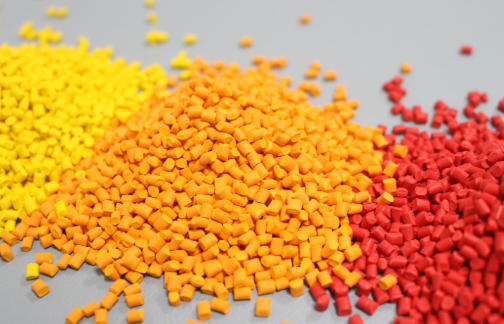
Foam plastic is a type of polymer-based material that contains a cellular structure, formed by trapping gas within the plastic during the manufacturing process. The result is a material that is lighter than its solid counterpart, with enhanced thermal insulation and shock absorption properties.
The most common foam plastics include:
- Expanded Polystyrene (EPS)
- Polyurethane (PU)
- Polyethylene (PE)
- Polypropylene (PP)
- Polyvinyl Chloride (PVC)
Each type exhibits unique characteristics that determine its suitability for specific applications — such as rigidity, resilience, or chemical resistance.
In the production of foam plastics, Masterbatch plays a vital role. A *Masterbatch* is a concentrated mixture of pigments, additives, or functional materials (such as flame retardants or UV stabilizers) embedded in a carrier resin. It allows manufacturers to precisely control the properties, performance, and color of the end foam material.
The manufacturing process of foam plastic generally involves three main stages: polymer preparation, foaming, and shaping. Let's examine each step in more detail.
The process begins by blending polymer resins with a Masterbatch. Depending on the required performance, the Masterbatch can contain colorants, anti-static agents, flame retardants, or processing aids. This ensures the base polymer achieves consistent quality and the specific features needed for its target application.
Next, a physical or chemical blowing agent is introduced to generate gas within the resin. This forms the foam's cellular structure. Two primary types of foaming techniques exist:
- Physical foaming: Uses external gases like nitrogen or carbon dioxide under pressure.
- Chemical foaming: Produces gas through a chemical reaction of foaming agents mixed into the resin.
The interaction between blowing agents and Masterbatch additives determines the final foam density, cell size, and mechanical strength.
Once foamed, the plastic is molded or extruded into its final shape. In some cases, it passes through a cooling tunnel or water bath to stabilize its structure. Post-processing may include cutting, laminating, surface coating, or thermoforming.
Different foam plastics offer distinct advantages depending on their composition and function.
EPS is widely used in packaging, construction, and disposable consumer goods due to its lightweight and cushioning ability. Its production commonly involves Masterbatch colorants to create decorative or brand-specific designs.
PU foam is highly versatile, available in both flexible and rigid forms. It is commonly used in furniture, mattresses, automotive seating, and insulation. The addition of Masterbatch flame retardant components enhances fire resistance and compliance with safety standards.
Closed-cell PE foam has excellent water resistance and buoyancy. It is ideal for impact protection, sports equipment, and marine applications. Chemical Masterbatch additives can be used to improve UV stability and reduce environmental aging.
PP foam combines impact strength and heat insulation, often found in automotive parts, food packaging, and industrial protection cases. Customized Masterbatch solutions can adjust its color, anti-static behavior, or surface properties.
PVC foam is known for its rigidity and chemical resistance. It's used in signage, flooring, and building panels. The use of Masterbatch ensures consistent color dispersion and enhanced formulation stability.
Masterbatch is the secret ingredient that transforms basic polymers into high-performance foam plastic materials. Its importance extends across several dimensions:
- Color Control: Masterbatch allows precise and uniform coloration, far superior to direct pigment blending.
- Performance Additives: Functional Masterbatches can introduce flame retardancy, anti-UV capacity, or anti-static properties.
- Cost Optimization: Concentrated additives reduce material waste and improve production efficiency.
- Processing Stability: Masterbatch helps maintain consistent melt flow and cell distribution during foaming.
For manufacturers, partnering with a reliable Masterbatch supplier ensures predictable quality, reduced production waste, and customized design options to meet client needs.
Example: In a packaging factory producing EPS boxes, a custom Masterbatch containing color and anti-friction additives helps achieve smooth surface finish, vibrant color, and easier ejection from molds — all while maintaining structural integrity.
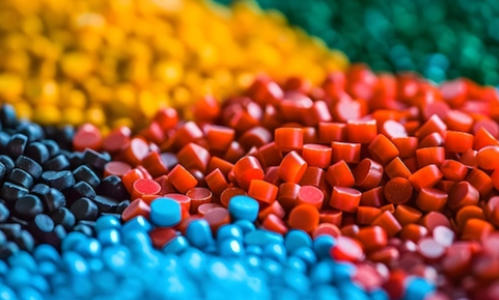
Foam plastic materials are used across nearly every industrial and consumer sector due to their lightweight, cushioning, and insulation benefits.
Foam plastics like EPS and PU are essential for thermal insulation in walls, roofs, and flooring. They reduce energy consumption in buildings while ensuring structural safety. Masterbatch-enhanced foams with fire-retardant additives are preferred for safety compliance.
In packaging, foam plastics protect fragile goods during transport. PE foam sheets, often modified with color Masterbatch, enhance brand visibility and offer impact absorption.
The automotive industry relies heavily on lightweight materials to improve fuel efficiency. PP foams with custom Masterbatch anti-static formulations are used for interior panels, headrests, and underbody insulation.
Plastic foams are ideal for protecting electronics from vibration and static discharge. Masterbatch additives provide conductive or dissipative functions to manage electrostatic buildup.
From furniture cushions to sports gear, foam plastics bring comfort and resilience. Color and performance Masterbatches enhance aesthetics and long-term durability.
With global awareness of sustainability growing, the foam plastics industry is undergoing a transformation. Innovations include biodegradable and recyclable foam materials, as well as the integration of recycled polymer Masterbatch to promote circular production.
Manufacturers are now turning to:
- Bio-based Masterbatches made from renewable resources.
- Foaming agents with reduced carbon impact.
- Closed-loop recycling systems, where scrap foam is reprocessed into new material.
The combination of advanced Masterbatch technology and smart material design is making foam plastics more sustainable and eco-friendly.
| Feature | Foam Plastic | Solid Plastic |
|---|---|---|
| Density | Low and lightweight | High, heavier |
| Thermal Insulation | Excellent | Moderate |
| Mechanical Strength | Moderate to strong (depends on type) | Generally strong |
| Cost Efficiency | High due to low material usage | Higher material cost |
| Customization with Masterbatch | Highly adaptable | Adaptable but less energy-efficient |
| Common Uses | Packaging, insulation, seating, cushioning | Structural parts, containers, furniture |
As this comparison shows, foam plastics deliver enhanced functionality at a reduced material cost, particularly when Masterbatch technology is used to modify color, texture, or resistance.
Despite its advantages, foam plastic production faces several technical challenges:
- Cell uniformity and density control
- Compatibility of Masterbatch with different polymer matrices
- Managing emission of residual blowing agents
- Recyclability and compliance with green production regulations
To overcome these hurdles, material engineers often experiment with custom Masterbatch recipes that allow better dispersion and improved bonding between additives and the polymer base.
The future of foam plastic materials is defined by innovation and environmental responsibility. Industry leaders are developing:
- Nano-Masterbatch additives that improve cell structure and performance at micro levels.
- Carbon-neutral production using plant-derived polymers.
- Smart foams that respond to heat, stress, or electric signals.
These advancements demonstrate the synergy between material science and Masterbatch technology, paving the way for more efficient and sustainable foam applications.
Foam plastic materials are lightweight, versatile, and indispensable across multiple industries. Their ability to combine strength, insulation, and design flexibility makes them ideal for modern applications — from construction to automotive manufacturing. Central to these properties is the use of Masterbatch, which customizes color, texture, and performance features with precision and efficiency.
As global industries pursue sustainability and energy efficiency, the partnership between foam plastic producers and Masterbatch innovators will continue to define the next era of polymer materials.
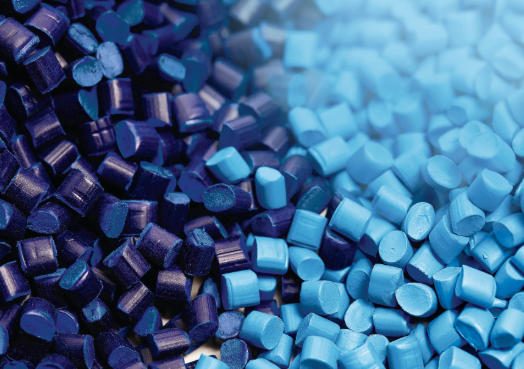
Answer: Masterbatch is used to control color, enhance properties like UV resistance and flame retardancy, and ensure consistent quality during production. It simplifies formulation and improves process efficiency.
Answer: Yes. Modern recycling technologies allow many foam plastics, especially those based on PE and PP, to be reprocessed into new materials or re-used with recycled Masterbatch additives.
Answer: Foam plastics are lighter, offer better thermal and acoustic insulation, and require less raw material — leading to cost and energy savings during manufacturing.
Answer: Many Masterbatch products are now eco-designed using bio-based or recycled resins, reducing environmental impact and supporting circular economy models in plastic production.
Answer: Key industries include construction, packaging, automotive, electronics, and consumer goods manufacturing — all benefiting from the lightweight and customizable properties of foam plastics enhanced by Masterbatch technology.


