


close
Choose Your Site
Global
Social Media


Views: 222 Author: Rebecca Publish Time: 2026-01-07 Origin: Site


Content Menu
● Why PA Masterbatch Supports Sustainability
● Key Benefits of PA Masterbatch in Modern Industries
● Major Application Fields of PA Masterbatch
>> Main PA Masterbatch Applications
>> Automotive and Transportation
>> Electrical, Electronics and E‑Mobility
>> Textiles, Fibers and Filaments
>> Advanced Packaging Solutions
>> Industrial, Mechanical and 3D Applications
● Technical Features of PA Masterbatch
● Processing and Integration in Manufacturing
● How PA Masterbatch Enables Customized Solutions
● Future Trends in Sustainable PA Masterbatch
>> 1. What is PA masterbatch and how does it differ from standard plastic additives?
>> 2. Why is PA masterbatch considered a sustainable solution?
>> 3. In which industries is PA masterbatch most widely used?
>> 4. How is PA masterbatch processed in typical manufacturing environments?
>> 5. Can PA masterbatch be customized for specific technical and regulatory requirements?
PA masterbatch is emerging as a sustainable and high‑performance solution for modern industries that demand durable, lightweight and recyclable plastic components. By combining the advantages of polyamide (nylon) with advanced masterbatch technology, manufacturers can improve product properties while reducing waste, energy use and overall environmental impact.[1][2][3]

PA masterbatch is a concentrated mixture of pigments, additives or fillers dispersed in a polyamide (nylon) carrier resin used to color or modify PA plastics. When dosed into natural PA materials, the masterbatch ensures uniform distribution of color and functional additives during extrusion, injection molding, fiber spinning and other processes.[3][4][5]
Because PA masterbatch is pre‑engineered, processors avoid direct handling of powders and liquid additives, making production cleaner, safer and easier to control. This approach also improves batch‑to‑batch consistency, which is critical for global brands in automotive, electronics, textiles and packaging that require stable color and performance over time.[6][5][3]
Masterbatch technology directly supports circular‑economy goals by enabling more recycled and recyclable plastics without sacrificing appearance or performance. Leading suppliers provide “sustainable masterbatch solutions” that help customers integrate post‑consumer and post‑industrial resin, extend product life and reduce overall plastic waste.[2][7][1]
Color and additive PA masterbatch can replace energy‑intensive wet dyeing processes in applications like fibers and textiles, significantly lowering water consumption and effluent load. In packaging, barrier and protection masterbatch solutions extend shelf life, which reduces food waste and the environmental footprint associated with product losses and over‑packaging.[8][9][10][1]
PA (polyamide) is well known for its excellent mechanical strength, toughness, abrasion resistance and good thermal stability, making it ideal for demanding engineering applications. When combined with tailored masterbatch systems, PA materials achieve even higher levels of performance, appearance, safety and process efficiency for industrial users.[11][12][13][3]
Main benefits of PA masterbatch include:
- Improved color and aesthetics with excellent dispersion and long‑term color stability in harsh environments.[8][3]
- Enhanced functional properties such as UV resistance, flame retardancy, antistatic behavior, impact strength and chemical resistance via additive masterbatch.[10][3]
- Better processability, including improved melt flow, reduced die buildup, smoother surfaces and fewer defects during extrusion and molding.[14][15]
- Cost optimization by lowering scrap rates, reducing energy consumption, shortening cycle times and enabling the use of more recycled PA feedstocks.[1][14]
PA masterbatch is widely adopted wherever high‑performance plastics are required and where visual quality, durability and regulatory compliance are important. The following table summarizes typical application sectors and the key roles PA masterbatch plays in each.[4][3]
| Application sector | Role of PA masterbatch | Typical performance targets |
|---|---|---|
| Automotive | Color, UV, heat and flame‑retardant masterbatch for interior and under‑hood nylon parts. | Lightweight components, improved durability, compliance with emission and safety regulations. |
| Electrical & electronics | Color‑coding, flame‑retardant, antistatic and conductive masterbatch for connectors, housings and insulation. | Electrical insulation, safety, ESD protection and regulatory compliance (e.g. RoHS). |
| Textiles & fibers | Spin‑dyed PA masterbatch for deep, long‑lasting colors and functional fibers. | Reduced water usage vs. traditional dyeing, color fastness, wear resistance in apparel and technical textiles. |
| Packaging | Color, barrier, antimicrobial and oxygen‑scavenging masterbatch for PA films and rigid containers. | Shelf‑life extension, recyclability, food‑contact safety and brand differentiation. |
| Industrial components | Performance masterbatch for gears, valves and wear‑resistant parts in harsh environments. | High wear resistance, dimensional stability, chemical resistance and long service life. |
Automakers use PA masterbatch to produce lightweight, UV‑stable and chemically resistant components such as door panels, engine covers, cable ties and under‑hood clips. Reports show that combining PA composites with functional masterbatch can reduce part weight and maintenance needs while maintaining mechanical reliability.[9][13][3]
Flame‑retardant masterbatch systems are crucial for interior parts that must meet strict fire safety standards without compromising odor, VOC levels or aesthetic quality. Special black and metallic PA masterbatch grades support premium designs, especially when consistent color is required across global production sites.[2][3][10][8]
In electrical and electronics, PA masterbatch enables precise color‑coding of connectors, switches, cable glands and device housings used for power management and signal transmission. Additive masterbatch solutions also provide flame retardancy, tracking resistance and antistatic performance that are essential for safety and reliability.[3][4][10]
With the growth of e‑mobility and high‑voltage systems, PA masterbatch helps ensure consistent insulation performance and thermal stability across complex assemblies. Conductive and shielding masterbatch grades can be used in films and molded parts for electromagnetic interference protection and electrostatic discharge control.[12][13][4][3]
In textile applications, PA masterbatch is used in melt‑spinning processes to create colored fibers for sportswear, carpets, industrial fabrics and technical yarns. Spin‑dyed fibers based on PA masterbatch often show higher color fastness and reduced fading compared with pieces dyed in wet processes.[9][8]
Because coloration occurs in the polymer melt, manufacturers dramatically cut water usage, chemicals and waste effluent, improving the overall environmental profile of textile production. Functional PA masterbatch can also impart UV protection, antimicrobial properties or improved abrasion resistance to high‑value technical textiles.[10][8][1][9]
PA masterbatch is widely used in multilayer films, bottles and containers that require high barrier performance and mechanical strength. Heat‑shrinkable PA masterbatch grades are used for shrink films that tightly wrap products such as beverages, cosmetics and consumer goods, providing protection and brand visibility.[4][6][10]
Conductive PA masterbatch plays an important role in anti‑static and electromagnetic shielding packaging for sensitive electronic devices. In food packaging, specially designed barrier and antimicrobial masterbatch systems extend shelf life and maintain product freshness while supporting recyclable or compostable structures.[12][1][4][10]
Industrial machinery uses PA masterbatch in gears, bushings, valves and wear parts, where the base polyamide provides toughness and the masterbatch boosts properties like wear or impact resistance. Graphene and other high‑performance fillers in PA masterbatch can significantly increase mechanical strength at low loadings, keeping weight and material usage under control.[13][9][12]
As additive manufacturing and 3D printing evolve, PA filament and powder grades incorporating masterbatch will support better color, mechanical performance and thermal stability, especially for industrial prototypes and end‑use parts. These developments align with industry demands for short‑run customization and rapid innovation in engineering plastics.[16][3][12]
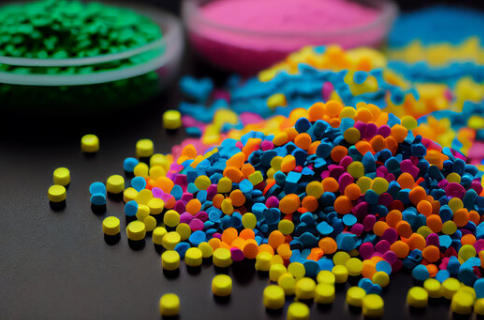
Polyamide materials such as PA6, PA66, PA11 and PA12 offer a combination of high strength, fatigue resistance and good wear properties that make them suitable for demanding technical applications. By choosing the right PA carrier and additive system in the masterbatch, manufacturers can fine‑tune properties to match specific application and processing needs.[11][13][3][12]
Key technical aspects include:
- Mechanical behavior: High tensile strength, impact resistance and fatigue performance, especially in glass‑fiber reinforced PA grades used with compatible masterbatch.[13][11]
- Thermal performance: PA can withstand elevated temperatures, and masterbatch can further improve heat aging, flame retardancy and thermal stability.[11][13]
- Chemical and wear resistance: Polyamide resists many oils, fuels and chemicals, while additive masterbatch can enhance barrier properties and surface durability.[13][11]
- Electrical properties: PA masterbatch can be configured to provide insulating, antistatic or conductive behavior by choosing suitable functional fillers and additives.[3][12]
PA masterbatch is designed for compatibility with standard processing methods such as injection molding, extrusion, blow molding, fiber spinning and film casting. Processors typically dose masterbatch at a defined let‑down ratio, for example 1–5%, to achieve the target color or functional performance in the final PA product.[5][14][4]
Polyamide resins usually require pre‑drying to control moisture content, which is also important for achieving uniform results when using PA masterbatch. Proper screw design, temperature profile and mixing conditions in twin‑screw extruders or molding machines ensure efficient dispersion of pigments and additives from the masterbatch into the PA matrix.[17][14][4][11]
One of the greatest advantages of masterbatch technology is the ability to tailor solutions for specific industries, customers and processing lines. PA masterbatch formulations can be engineered to match exact color standards, mechanical requirements, regulatory constraints and sustainability targets requested by brand owners and OEMs.[14][5][1][3]
Customized PA masterbatch may combine color with multiple functional additives in a single pellet, reducing the number of dosing points and simplifying inventory management for processors. This integrated approach improves dosing accuracy, minimizes contamination risk and ensures consistent performance across large production batches.[5][1][14][10]
Global demand for durable, lightweight and sustainable plastics continues to grow, and PA masterbatch will play a central role in this transformation. Key trends include bio‑based carriers, recycled‑content masterbatch, and solutions that accelerate biodegradation or improve compatibility between PA and recycled streams.[7][1][5][3]
Suppliers are also investing in high‑performance additives such as graphene and advanced flame‑retardant systems to deliver more value with lower loading levels. Digital color management and data‑driven formulation tools further help customers achieve consistent masterbatch performance across multiple sites and processing technologies worldwide.[2][12][5][10]
PA masterbatch offers a powerful route to combine the intrinsic strengths of polyamide with precise color and functional performance tailored to modern industrial needs. By enabling recyclability, resource efficiency and long‑lasting products, PA masterbatch stands out as a sustainable solution for automotive, electronics, textiles, packaging and many other sectors.[1][9][3][13]
For global manufacturers seeking competitive advantage, high‑quality PA masterbatch unlocks new design possibilities, supports regulatory compliance and helps align product portfolios with evolving sustainability expectations. As technology advances, customized PA masterbatch solutions will continue to drive innovation, helping industries transition to smarter, safer and more circular plastic systems.[7][5][1][3]

PA masterbatch is a concentrated blend of pigments and/or functional additives dispersed in a polyamide carrier that is added to natural PA resin during processing. Unlike loose powders or liquids, masterbatch is supplied as easy‑to‑handle pellets that simplify dosing, improve dispersion and enhance production consistency.[14][5][3]
PA masterbatch supports sustainability by enabling the use of more recycled and recyclable materials while maintaining aesthetics and performance. It can also reduce energy use, waste, water consumption and chemical effluent, especially when replacing traditional dyeing or multi‑step additive processes.[8][1][2]
PA masterbatch is widely adopted in automotive, electrical and electronics, textiles, packaging and industrial machinery, where high‑performance plastics are essential. These sectors rely on PA masterbatch for color consistency, functional enhancements such as UV or flame resistance, and improved processing efficiency.[9][10][3]
Processors dose PA masterbatch into the base polyamide using standard feeding equipment during extrusion, injection molding, blow molding or fiber spinning. Proper drying of PA resin, controlled let‑down ratios and optimized screw designs help ensure uniform dispersion and stable product quality.[4][14][11]
Yes, PA masterbatch can be customized to meet specific color targets, mechanical properties, regulatory standards and sustainability goals for each application. Suppliers often collaborate closely with OEMs and converters to design tailor‑made masterbatch solutions that perform reliably on existing production lines.[5][1][14]
[1](https://www.ampacet.com/ampacet-offers-broad-range-of-sustainability-masterbatch-and-additive-products-for-north-american-market/)
[2](https://www.sunchemical.com/masterbatches-polymers/)
[3](https://www.linkedin.com/pulse/what-pa-masterbatch-uses-how-works-top-companies-2025-nexovates-c7r0c)
[4](https://www.kerkeextruder.com/masterbatch-production/pa-masterbatch/)
[5](https://www.lyondellbasell.com/globalassets/sites/lyb-documents/masterbatch/introduction-to-masterbatch-and-custom-color-advanced-solutions-2022.pdf)
[6](https://www.polychemer.com/news/plastic-masterbatch-a-comprehensive-analysis-78924061.html)
[7](https://colloids.com/wp-content/uploads/2021/09/ENVIRO-TEC-8pp-Brochure-200-x-297mm.pdf)
[8](https://www.avient.com/news/new-super-black-textile-colorants-meet-global-demands-intense-deep-effects)
[9](https://www.linkedin.com/pulse/pa-masterbatch-real-world-5-uses-youll-gh5wf)
[10](https://www.flame-retardant-factory.com/news/industry-news/the-role-and-importance-of-functional-additives-masterbatch-in-modern.html)
[11](https://www.specialchem.com/plastics/guide/polyamide-pa-nylon)
[12](https://www.grapheneup.com/thermoplastics-masterbatches/)
[13](https://www.ensingerplastics.com/en/thermoplastic-materials/pa-polyamide)
[14](https://europlas.com.vn/en-US/blog-1/benefits-of-ppa-masterbatch-in-industrial-applications)
[15](https://www.charmingmb.com/2025/10/16/what-is-polymer-processing-aid-masterbatch/)
[16](https://www.fictiv.com/articles/polyamide-vs-nylon-a-comparison-guide)
[17](https://www.polyrocks.net/news/the-characteristics-of-nylon-pa.html)
[18](https://elifmasterbatch.com/en)
[19](https://www.teknorapex.com/en-us/teknor-apexs-extensive-product-portfolio-of-vinyl-thermoplastic-elastomers-nylon-and-colorants/sustainable-solutions)
[20](https://www.tosaf.com/property-enhancing-additives-and-eco-friendly-solutions-for-plastics/)


