


close
Choose Your Site
Global
Social Media


Views: 222 Author: Rebecca Publish Time: 2026-01-11 Origin: Site


Content Menu
● Overview of PA Masterbatch Market in 2025
● Growth Drivers Shaping PA Masterbatch Demand
● Trend 1: Sustainability and Biobased PA Masterbatch
● Trend 2: High‑Performance PA Masterbatch for Electric Vehicles
● Trend 3: Functional Additive PA Masterbatch
● Trend 4: Color Masterbatch and Customization
● Trend 5: Regional Expansion and Capacity Investments
● Opportunities for Custom PA Masterbatch Solutions
● Challenges and Risk Factors in 2025
● Outlook for the PA Masterbatch Market Beyond 2025
● FAQs
>> 1. What is PA masterbatch and how is it used?
>> 2. Which industries are driving PA masterbatch demand in 2025?
>> 3. How does sustainability influence PA masterbatch trends?
>> 4. What technical innovations are emerging in PA masterbatch?
>> 5. What is the growth outlook for the PA masterbatch market?
The PA masterbatch market in 2025 is characterized by strong growth, rapid innovation in sustainable and high‑performance solutions, and deeper integration into automotive, packaging, and electronics value chains. Global masterbatch usage is expanding steadily as processors seek better color consistency, functional additives, and processing efficiency in advanced polyamide applications.[1][2][3][4]
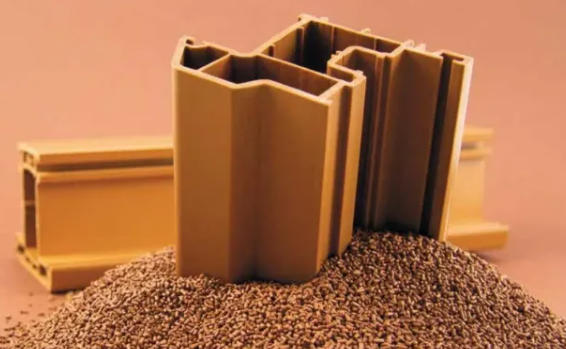
PA masterbatch, based on polyamide (nylon), is engineered to modify color, UV stability, flame resistance, reinforcement, and processing performance in nylon resins used across demanding industrial sectors. Market analyses indicate that PA masterbatch value is rising within a broader masterbatch segment that itself is forecast to reach over USD 12 billion globally in the next decade, supported by increasing plastic component penetration in automotive, construction, and packaging.[3][5][1]
Reports focused specifically on PA masterbatch show solid mid‑single to high‑single‑digit compound annual growth rates through the 2025–2033 period, driven by higher nylon use in engineering plastics, textiles, and technical packaging. The wider masterbatch industry, including PA masterbatch, is also shifting toward more specialized and higher‑margin grades that deliver multiple functions in a single formulation.[6][7][4][1]
Several structural drivers explain why PA masterbatch demand is accelerating into 2025 and beyond. These drivers are especially important for manufacturers and converters seeking to differentiate products while improving cost structure and sustainability.[2][1]
Key growth drivers include:[5][1]
- Rising substitution of metal and thermoset components with lightweight PA components in automotive and industrial applications.
- Strong expansion of flexible and rigid packaging using engineering plastics and advanced masterbatch solutions.
- Demand for precise color and additive control to meet OEM standards in consumer goods and electronics.
- Regulatory pressure for safer, more sustainable plastics, pushing adoption of low‑VOC, halogen‑free, and recyclable PA masterbatch systems.
In North America and Europe, the masterbatch market growth is closely linked to premium applications where PA masterbatch enables flame retardancy, impact strength, and heat resistance in parts exposed to harsh environments. In Asia, capacity additions in automotive, textile, and electronics industries are creating new opportunities for local and global PA masterbatch suppliers.[8][7][1][5]
Sustainability is one of the most powerful trends in the 2025 PA masterbatch market, influencing both material selection and policy frameworks. Brand owners and regulators increasingly require lower carbon footprints, higher recyclability, and reduced reliance on fossil‑based polymers and additives.[9][10]
Biobased polyamide has emerged as a promising platform for sustainable engineering plastics, combining high mechanical performance with reduced environmental impact. When combined with carefully designed PA masterbatch packages—such as biobased color masterbatch or additive masterbatch—these materials support circularity and eco‑design goals in automotive, electronics, and packaging.[10][9]
Demand for biodegradable and compostable masterbatch solutions is particularly strong in packaging, where regulations are promoting a shift away from conventional single‑use plastics. While not all PA systems are biodegradable, there is clear momentum toward masterbatch chemistries that improve recyclability, enable lower processing temperatures, and reduce toxic substances in final nylon products.[9][5]
The electrification of mobility is a major factor reshaping PA masterbatch specifications in 2025, especially for high‑voltage electric vehicle connectors, battery systems, and structural components. Designers increasingly rely on nylon 6 and nylon 6,6 reinforced with glass or other fillers, enhanced by specialized masterbatch solutions to deliver reliability and safety under thermal and electrical stress.[11][12]
Nylon's excellent thermal stability, mechanical strength, and electrical insulation make it an ideal candidate for EV applications, and PA masterbatch is used to fine‑tune properties such as tracking resistance, flame retardancy, and color coding for safety. One visible example is the adoption of durable orange nylon masterbatch systems for high‑voltage connectors, where long‑term color stability and heat resistance are critical.[12][11]
Beyond color, EV applications are pushing demand for PA masterbatch products that deliver:[11][12]
- Improved hydrolysis and chemical resistance in under‑hood parts.
- Enhanced dimensional stability in structural components and brackets.
- Weight reduction by enabling thinner walls without sacrificing strength.
This trend favors masterbatch producers capable of close collaboration with OEMs, Tier‑1 suppliers, and compounders to develop customized PA masterbatch recipes for specific EV platforms.
Another key trend in 2025 is the expansion of additive‑rich PA masterbatch formulations that offer multiple functions in a single pellet. Instead of relying solely on neat resin plus separate additives, processors adopt multifunctional masterbatch products to streamline dosing and improve process control.[7][1]
Typical functional PA masterbatch solutions include combinations such as:[1][7]
- UV‑stabilizer + antioxidant masterbatch for outdoor or high‑temperature parts.
- Flame‑retardant PA masterbatch that meets automotive or electronics standards while minimizing halogens.
- Anti‑static and conductive PA masterbatch for electronics casings and connectors.
- Lubricating and processing‑aid masterbatch to reduce cycle time and improve surface finish.
These additive PA masterbatch products are engineered to work at relatively low let‑down ratios, delivering performance gains without compromising mechanical properties or causing defects. For converters, the result is more consistent production, lower scrap rates, and better reproducibility across multiple lines and sites.[7][1]
Color masterbatch remains a core business segment in 2025, but expectations for precision and durability are higher than ever, especially in PA applications. Automotive, consumer electronics, and branded packaging all require tight color tolerance, UV stability, and batch‑to‑batch consistency.[8][7]
In the US market, for example, masterbatch demand is supported by rising preference for customized color solutions and visual differentiation in packaging and consumer goods. PA color masterbatch must also withstand demanding processing windows, higher melt temperatures, and long term exposure to heat and chemicals compared with standard polyolefin systems.[12][11][8]
Digital color management, spectrophotometric control, and data‑driven matching are increasingly embedded into PA masterbatch workflows, making it easier to reproduce complex shades across multiple plants and regions. As a result, color PA masterbatch is evolving from a commodity product into a value‑added service combining formulation expertise, color science, and supply chain reliability.[5][8]
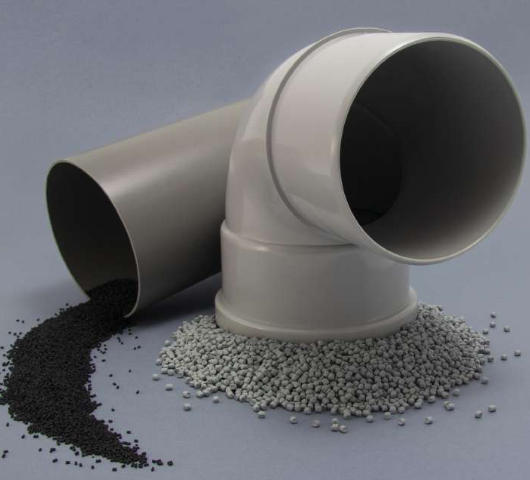
From 2025 onward, the masterbatch industry is undergoing capacity expansion and geographic diversification to better serve regional demand. Global market projections show that masterbatch value will continue growing steadily through 2034–2035, reflecting ongoing investment in compounding, coloring, and additive technologies.[3][5]
Emerging economies in Asia, the Middle East, and parts of Eastern Europe are building new PA masterbatch capacities to serve local automotive, textile, and packaging hubs, reducing reliance on imported materials. At the same time, mature markets like North America and Western Europe see investment in higher‑value specialty masterbatch, including advanced PA masterbatch for EVs, medical devices, and industrial equipment.[1][3][8][5]
This regional expansion strategy allows PA masterbatch producers to shorten lead times, support just‑in‑time delivery, and provide on‑site technical service to customers developing new nylon applications. In many cases, partnerships between resin producers, masterbatch suppliers, and converters are becoming more integrated, with joint development projects focused on sustainability and performance.[3][8]
For manufacturers positioned as innovative plastic material solution providers, 2025 offers significant opportunities to develop tailored PA masterbatch products that address specific end‑use challenges. Customers increasingly expect masterbatch partners to deliver not only standard color and additive packages but also co‑developed formulations optimized for particular processes and markets.[10][1]
Promising opportunity areas for customized PA masterbatch include:[11][1]
- EV battery modules, connectors, and high‑voltage wiring components needing flame‑retardant and color‑coded masterbatch.
- High‑barrier packaging films and containers using PA masterbatch to boost gas resistance and mechanical strength.
- Technical textiles and fibers requiring UV‑stabilized, dye‑matched PA masterbatch with excellent spinning performance.
- Biobased and recycled nylon compounds enhanced with compatibilizer and stabilizer masterbatch to maintain performance.
By offering application‑oriented PA masterbatch portfolios, companies can integrate more deeply into customer product development cycles and secure long‑term supply agreements.
Despite positive growth, the PA masterbatch market faces several challenges that producers must manage carefully. Volatile raw material prices, complex regulations, and rapidly changing customer expectations all influence strategic decisions in 2025.[2][1]
Key risks and challenges include:[2][1]
- Fluctuations in feedstock and pigment prices, which can compress margins and complicate long‑term contracts.
- Tightening regulations on hazardous substances in masterbatch, especially for flame retardants, plasticizers, and heavy‑metal pigments.
- Need for continuous investment in R&D to keep pace with evolving performance and sustainability targets.
- Supply chain disruptions and logistics constraints that can affect just‑in‑time delivery of PA masterbatch to global customers.
Companies that combine robust supply chain planning with strong technical support and agile formulation capabilities will be best positioned to manage these risks while capturing growth in high‑value PA masterbatch segments.[5][1]
Looking beyond 2025, the overall masterbatch sector is projected to continue expanding in both volume and value across the next decade. PA masterbatch is expected to outpace some commodity segments thanks to its focus on engineering applications where performance and reliability outweigh pure cost considerations.[1][2][3][5]
Global forecasts for masterbatch show total market value climbing significantly by 2034–2035, supported by demand for color, additive, and functional masterbatch in sectors such as packaging, automotive, construction, and consumer goods. As part of this trend, PA masterbatch producers that specialize in sustainable, high‑performance, and customized solutions will gain particular advantage.[7][3][5]
Electric vehicles, biobased engineering plastics, smart packaging, and connected devices all represent growth platforms where advanced PA masterbatch can deliver differentiated properties and help customers meet stricter environmental and safety standards. These long‑term dynamics suggest a favorable outlook for innovative companies capable of aligning their PA masterbatch portfolios with global megatrends.[12][10][11]
The PA masterbatch market in 2025 stands at the intersection of sustainability, electrification, and advanced engineering plastic design, offering robust growth opportunities for agile and innovative producers. Key trends include greener and biobased PA masterbatch systems, EV‑focused high‑performance solutions, multifunctional additive masterbatch, sophisticated color masterbatch services, and regionally optimized production networks.[9][2][3][12][1]
Despite challenges linked to regulatory complexity, raw material volatility, and supply chain disruption, the long‑term fundamentals for PA masterbatch remain solid, underpinned by continued replacement of traditional materials and rising expectations for product performance and environmental responsibility. Companies that invest in R&D, collaborate closely with OEMs, and deliver customized PA masterbatch solutions will be best placed to capture value across the evolving global plastics ecosystem.[10][2][5][1]
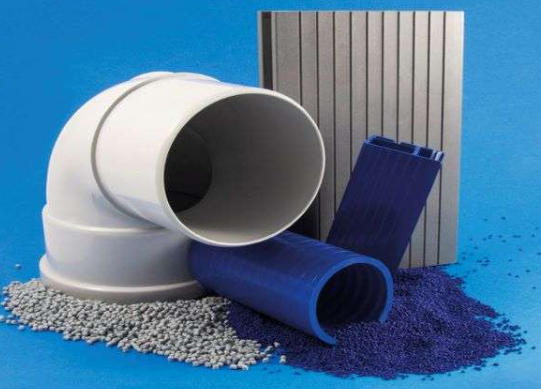
PA masterbatch is a concentrated mixture of pigments and/or additives dispersed in a polyamide carrier, designed to be let down into base nylon resins during processing. It is typically used in injection molding, extrusion, blow molding, and fiber spinning to modify color and performance without changing the underlying processing equipment.[11][1]
The main demand drivers for PA masterbatch in 2025 are automotive (including electric vehicles), packaging, textiles, and electrical and electronics applications. These sectors rely on nylon's high mechanical strength, thermal stability, and chemical resistance, enhanced by PA masterbatch to meet specific regulatory and performance requirements.[2][12][1][11]
Sustainability is encouraging adoption of PA masterbatch solutions that enable recyclability, reduce hazardous substances, and support biobased or low‑carbon nylon systems. Regulations targeting single‑use plastics and harmful additives are pushing converters to choose PA masterbatch formulations that align with eco‑design and circular economy principles.[9][5][10]
Recent innovations include multifunctional additive PA masterbatch combining UV, antioxidant, and flame‑retardant functions, as well as advanced color masterbatch for high‑temperature EV connectors and precision‑colored components. Digital color management, improved dispersion technologies, and specialized formulations for biobased and recycled nylon are also gaining traction in 2025.[12][10][1][11]
Market research indicates that PA masterbatch will grow at solid mid‑single to high‑single‑digit CAGRs through the early 2030s, supported by broader masterbatch market expansion. As the global masterbatch market moves toward values above USD 12 billion by 2034–2035, PA masterbatch is expected to capture a growing share in high‑performance and sustainable applications.[3][5][1][2]
[1](https://www.linkedin.com/pulse/pa-masterbatch-market-research-report-2025-2032-forecasted-emwyf)
[2](https://www.reportsanddata.com/report-detail/pa-masterbatch-market)
[3](https://www.futuremarketinsights.com/reports/masterbatch-market)
[4](https://www.researchandmarkets.com/report/masterbatch)
[5](https://www.precedenceresearch.com/masterbatch-market)
[6](https://dataintelo.com/report/global-pa-masterbatch-market)
[7](https://www.factmr.com/report/masterbatch-market)
[8](https://www.custommarketinsights.com/report/us-masterbatch-market/)
[9](https://www.meticulousresearch.com/product/masterbatch-market-5849)
[10](https://europlas.com.vn/en-US/blog-1/biobased-polyamide-future-of-sustainable-engineering-plastics)
[11](https://nylene.com/markets/electric-vehicles/)
[12](https://www.avient.com/news/avient-introduces-durable-orange-nylon-colorants-high-voltage-electrical-vehicle-ev-connectors)
[13](https://www.cognitivemarketresearch.com/pa-masterbatch-market-report)
[14](https://reports.valuates.com/market-reports/QYRE-Auto-9X4141/global-pa6-masterbatch)
[15](https://www.einpresswire.com/article/876891137/the-masterbatch-market-is-projected-to-grow-to-usd-12-55-billion-by-2029-with-a-6-cagr)


