


close
Choose Your Site
Global
Social Media


Views: 222 Author: Rebecca Publish Time: 2026-01-11 Origin: Site


Content Menu
● Why PA Masterbatch Matters in Modern Production
● Understanding Different Types of PA Masterbatch
● Factors to Consider When Selecting a PA Masterbatch
>> 5. Loading Ratio and Dosage
>> 6. Regulatory and Safety Standards
● The Role of Customization in PA Masterbatch Solutions
● Testing and Evaluating Masterbatch Performance
● How to Work with Your Masterbatch Supplier
● Cost-Benefit Analysis of Using a PA Masterbatch
● Common Challenges in PA Masterbatch Application
● Emerging Trends in PA Masterbatch Development
>> 1. What is the ideal loading ratio for PA masterbatch?
>> 2. Can PA masterbatch be mixed with other polymer carriers?
>> 3. How does moisture affect PA masterbatch performance?
>> 4. What tests ensure masterbatch quality?
>> 5. Can masterbatch improve flame retardant properties of nylon parts?
Selecting the right PA masterbatch for your production line is a vital decision that directly determines the performance, appearance, and cost-efficiency of your plastic products. With the rapid growth of industrial applications—from automotive parts and electrical components to consumer goods—the demand for high-quality polyamide (PA) materials continues to rise. However, not every masterbatch suits every process, and making an uninformed choice can lead to product failure, processing challenges, or quality inconsistency.
This article provides a comprehensive guide on how to choose the right PA masterbatch for your needs, from understanding its basic composition to assessing performance metrics and identifying the best supplier for your production scale.

A PA masterbatch is a concentrated mixture of pigments, additives, or functional materials encapsulated in a carrier resin compatible with polyamide (PA) polymers such as PA6 and PA66. Its primary purpose is to modify or enhance the final properties of nylon-based products during injection molding, extrusion, spinning, or film production.
Depending on the function, a masterbatch can provide color, improve UV resistance, modify flame retardancy, enhance mechanical strength, or improve processing stability. The masterbatch ensures consistent dispersion of additives and simplifies manufacturing because it eliminates the need to handle powders or liquid chemicals directly.
In industrial manufacturing, precision and reliability are non-negotiable. A tailor-made PA masterbatch can achieve the ideal balance between performance and cost. Here's why it matters:
- Enhanced Processability: The right masterbatch improves melt flow and reduces die buildup in extrusion or injection molding machines.
- Consistent Coloration: It guarantees uniform color distribution in the final product, which is essential for brand image and visual quality.
- Improved Functionality: Additives can introduce anti-static, flame-retardant, or UV-stabilizing properties for safety and durability.
- Cost Optimization: Using masterbatch allows manufacturers to purchase base polymer in bulk while adding only minimal amounts of premium materials.
In short, using the correct PA masterbatch enhances both technical performance and financial efficiency, aligning with modern lean manufacturing goals.
When choosing a masterbatch, understanding the category and its function is the first step. The main types include:
Color masterbatch is a combination of pigments and dispersing agents designed to deliver vivid, consistent, and long-lasting coloration. For polyamide applications, the color masterbatch must be heat-stable and have excellent lightfastness and weather resistance, especially for automotive or outdoor goods.
Additive masterbatches introduce or modify properties without altering color. Common examples include:
- Anti-UV Masterbatch: Protects plastic components from radiation degradation.
- Flame-Retardant Masterbatch: Essential for electronics, automotive, and industrial parts requiring compliance with fire safety standards.
- Anti-static Masterbatch: Reduces dust and electric charge buildup in packaging or electronics.
- Lubricating or Processing Masterbatch: Enhances flow properties, reducing energy consumption and wear on machines.
Filler masterbatches contain inorganic materials like calcium carbonate or glass fibers to reinforce stiffness, reduce shrinkage, and lower raw material costs. They help maintain dimensional stability, especially in engineering-grade plastics like PA66.
Functional masterbatch combines multiple roles—such as UV, heat stabilization, and color—into a single high-performance solution for advanced applications like automotive interiors or aerospace components.
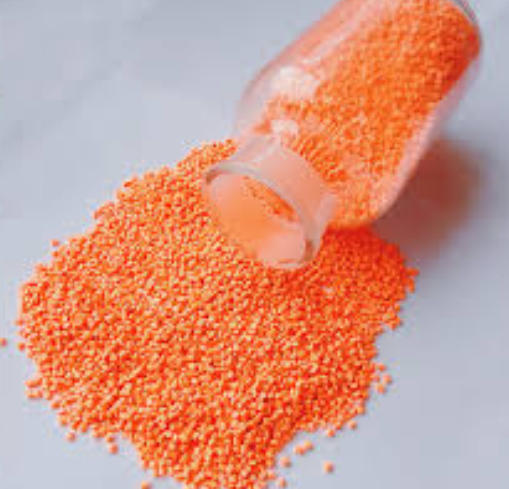
Selecting a PA masterbatch involves more than just choosing a colorant or filler. Key technical and operational considerations must be evaluated:
The masterbatch carrier must have good compatibility with the base resin. For PA6 or PA66 resins, the carrier should also be PA-based to ensure uniform dispersion and adhesion. Mismatched carriers can lead to poor bonding, reduced tensile strength, or visible flow marks.
Polyamide materials have high melting points (typically 220–260°C). The masterbatch should withstand these processing temperatures without decomposing, discoloration, or emitting unwanted volatiles.
Uniform dispersion ensures stable color output and consistent additive performance. Inferior dispersion can cause streaks, uneven mechanical properties, or product rejection. Testing samples before bulk use helps verify quality.
Consider environmental exposure—heat, sunlight, humidity, and chemical contact. Automotive components, for example, may require flame retardant and UV stabilizers, while textile fibers need anti-yellowing and wear resistance.
The recommended masterbatch loading typically ranges from 1% to 5% depending on the required effect. Higher dosages can affect mechanical properties or increase costs without proportional benefit. Always follow the supplier's technical guidelines.
Ensure the chosen masterbatch complies with your region's regulatory requirements such as RoHS, REACH, or UL94. For food-contact or medical applications, FDA or EU directives are mandatory.
The supplier's R&D capabilities, consistency, and technical support can greatly influence production stability. Opt for manufacturers with quality certifications, stable supply chains, and proven expertise in polyamide modification.
No two production lines are identical. Customized PA masterbatch solutions allow manufacturers to fine-tune color tone, gloss, mechanical performance, or processing ease for their unique conditions.
For example, a company producing automotive fuel lines may require flame-retardant and thermal-stabilized masterbatch, while a textile fiber manufacturer might prioritize anti-yellowing properties. By collaborating with your supplier, the masterbatch formulation can be optimized for your screw design, mold geometry, or printing requirements.
Customized masterbatches also enable easier color matching and help manufacturers maintain consistent branding across multiple product series.
Before mass application, the selected PA masterbatch should go through a verification process. Essential evaluation methods include:
- Melt Flow Index (MFI) Testing: Measures the masterbatch's influence on polymer flowability.
- Color Matching and Spectrophotometric Analysis: Ensures precise color consistency between test runs.
- Weathering Resistance Testing: Simulates long-term exposure to UV and heat.
- Mechanical Property Testing: Evaluates the effect on tensile strength, elongation, or impact resistance.
Only after these tests confirm performance should the masterbatch proceed to large-scale production.
Building a partnership with the right masterbatch supplier offers multiple advantages:
1. Technical Consultation: Get recommendations on formulation and dosing.
2. Pilot Testing Support: Request small-lot trials before mass production.
3. Supply Chain Integration: Ensure timely delivery and batch consistency.
4. Post-Sales Assistance: Troubleshooting guidance during molding or extrusion.
Choose suppliers that not only sell materials but also understand processing technology and global industrial standards.
While the masterbatch may appear to increase material cost, it actually optimizes total expenditure across the entire production lifecycle. Key benefits include:
- Lower pigment waste and faster color changes.
- Reduced downtime and cleaning operations.
- Extended component lifespan due to better stability.
- Improved brand reputation from consistent product quality.
Therefore, using high-quality PA masterbatch ultimately lowers total cost per unit by improving efficiency and reducing scrap rates.
Even with well-formulated masterbatch, certain issues can arise if not handled carefully:
- Poor Dispersion: Caused by incorrect temperature or insufficient mixing.
- Color Deviation: Often a result of variable processing parameters or incompatible masterbatch.
- Moisture Absorption: PA is hygroscopic; drying before use prevents bubbles or weak spots.
- Over-dosing: Exceeding recommended ratios can cause brittleness or uneven texture.
Regular process control and raw material inspection minimize these risks.
The masterbatch industry continues to evolve with global sustainability demands. Modern trends include:
- Bio-based Masterbatch: Using biodegradable carriers or natural pigments.
- Recyclable Formulations: Designed for easier polymer reprocessing.
- Nano-filler Masterbatch: Enhancing barrier and mechanical performance at low loadings.
- Smart Functional Additives: Enabling self-healing or conductivity features.
These innovations push nylon-based applications into new markets such as smart textiles, electric vehicles, and renewable energy systems.
Choosing the right PA masterbatch is not merely a technical decision—it's a long-term investment in product reliability, processing efficiency, and brand trust. Evaluate the polymer compatibility, environmental needs, dispersion quality, and supplier expertise before making a final selection. A partnership with an innovative, research-driven masterbatch provider can transform your production performance and unlock new opportunities in the competitive plastics market.
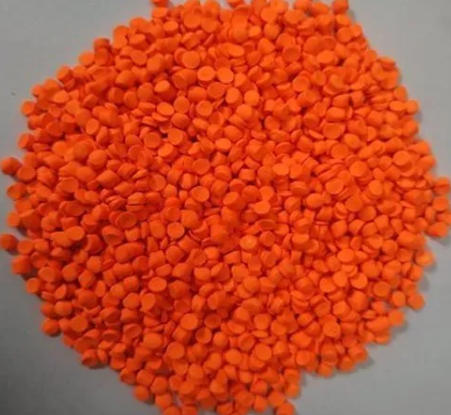
The general range is 1%–5%, depending on the pigment concentration and the desired effect. Always follow your supplier's dosage recommendations.
It's not recommended. Mixing different carriers (e.g., PA with PE) may cause poor dispersion and mechanical weakness due to incompatibility.
Because polyamide absorbs moisture easily, materials must be dried before processing to avoid bubbles, discoloration, or poor surface finish.
Scientific tests such as MFI, color uniformity, tensile strength, and accelerated aging verify dispersion and stability before mass production.
Yes. Flame-retardant PA masterbatch contains additives like brominated compounds or halogen-free synergists to meet safety standards such as UL94 V-0.


