


close
Choose Your Site
Global
Social Media


Views: 222 Author: Rebecca Publish Time: 2026-01-07 Origin: Site


Content Menu
● Understanding PA Masterbatch for Consumer Electronics
● Aesthetic Masterbatch for Device Housings and Branding
● Flame Retardant PA Masterbatch for Safer Electronics
● Antistatic and Conductive PA Masterbatch for ESD Protection
● Reinforced PA Masterbatch for Structural and Precision Components
● Functional PA Masterbatch for Optical, UV and Surface Performance
● Sustainability and Regulatory Compliance with PA Masterbatch
● How Electronics Manufacturers Select the Right PA Masterbatch
● FAQ
>> (1) How does PA Masterbatch improve safety in consumer electronics?
>> (2) Why is antistatic or conductive PA Masterbatch important for electronics packaging?
>> (3) Can PA Masterbatch be combined to deliver multiple functions in one component?
>> (4) What are the main advantages of using PA color Masterbatch instead of painting parts?
>> (5) How do electronics OEMs work with PA Masterbatch suppliers to develop new materials?
Polyamide (PA) Masterbatch is reshaping the consumer electronics industry by enabling thinner, safer, and more visually appealing plastic parts that still meet tough performance and regulatory standards. Through precise combinations of pigments and functional additives, PA Masterbatch helps designers and engineers balance aesthetics, mechanical strength, flame retardancy, and antistatic performance in one integrated material solution.[1][2][3][4]

In consumer electronics, PA Masterbatch is typically a concentrated mixture of pigments and additives dispersed in a PA carrier such as PA6 or PA66, designed to be let down into base resin during compounding or molding. By using PA Masterbatch instead of raw additives, manufacturers achieve more consistent color, better dispersion, and easier process control in complex electronic components like connectors, housings, and structural frames.[5][6][2][1]
Key features of PA Masterbatch that matter to electronics brands include:
- Stable coloration under heat, humidity, and UV exposure during device life.[2][5]
- Enhanced functional performance such as flame retardancy, antistatic behavior, conductivity, and mechanical reinforcement.[3][4][1]
- Improved processing efficiency with faster cycle times and fewer color-change purges in injection molding and extrusion.[6][5]
Modern consumer electronics rely heavily on branding through color, texture, and surface finish, and PA color Masterbatch plays a central role in achieving these visual effects. Compared with liquid color systems or in‑mold painting, PA color Masterbatch offers cleaner handling, better batch-to-batch consistency, and lower risk of paint chipping or delamination over time.[5][6]
Typical aesthetic applications of PA Masterbatch in electronics include:
- Smartphone and tablet accessories such as cases, holders, and mounts that require scratch-resistant, color-stable PA materials.[2][5]
- Laptop and wearable device components where PA Masterbatch is used for brand-specific colors, soft-touch effects, and metallic or matte appearances without secondary coating.[7][6]
- Colored electrical connectors and cable components that support quick visual identification and compliance with voltage or safety coding schemes.[8][2]
By tuning pigment loading, PA Masterbatch suppliers help OEMs create signature color palettes while maintaining the mechanical and thermal integrity required for devices used daily in varying environments.[6][7]
Safety regulations such as UL 94 and regional fire standards push electronics manufacturers to use plastics that resist ignition and slow flame spread, especially around power electronics and charging systems. Flame retardant PA Masterbatch is engineered to upgrade standard PA resins to meet such requirements without excessively compromising strength or processability.[9][1][3]
Formulations and mechanisms of flame retardant PA Masterbatch:
- Halogen-free PA flame retardant Masterbatch often uses phosphorus- and nitrogen-based systems to achieve UL 94 V-0 ratings while minimizing smoke and toxic gas generation.[10][1][3]
- Syrupy char-forming mechanisms build a protective carbonaceous layer on the PA surface, blocking oxygen and heat transfer once exposed to flame.[11][3]
Representative consumer electronics applications:
- Power adapters, chargers, and docking station housings where flame retardant PA Masterbatch is integrated to meet global safety approvals.[3][9]
- Battery module frames, high-voltage connectors, and cable management parts in e‑mobility and smart home devices, combining PA mechanical strength with flame retardant Masterbatch systems.[8][3]
- Smart TVs, routers, and set‑top boxes requiring robust housings that maintain shape under heat while passing glow‑wire and flammability tests.[9][3]
Using dedicated PA flame retardant Masterbatch rather than raw flame retardant powders improves dispersion, reduces plate‑out, and helps maintain impact resistance in thin‑wall electronic parts.[1][9]
Static electricity is a critical risk for consumer electronics, as electrostatic discharge (ESD) can damage sensitive chips during production, transportation, and usage. Antistatic and conductive PA Masterbatch solutions are widely used to control surface resistivity and provide safe dissipation paths for charges in and around electronic devices.[12][13][14][4][1]
Types of PA-based ESD Masterbatch:
- Antistatic PA Masterbatch typically uses ionic or surfactant-type additives that migrate to the surface and reduce surface resistivity into the dissipative range, limiting dust attraction and minor shocks.[15][13][14]
- Conductive PA Masterbatch incorporates conductive fillers such as carbon black, metal fibers, or carbon nanotubes to create continuous conductive networks inside the PA matrix, reaching \(10^{4}–10^{9} \ \Omega/\text{sq}\) surface resistivity depending on dosage.[16][12][1]
Key consumer electronics uses include:
- IC trays, chip carriers, and component reels made with PA plus conductive or antistatic Masterbatch to prevent ESD damage during automated handling.[13][12][15]
- Electronics packaging films and antistatic bags where PA Masterbatch contributes durability and stable antistatic performance independent of ambient humidity.[14][15]
- Device housings, keyboards, and wearables that benefit from reduced dust buildup and lower risk of static shock to users and internal circuits.[4][13]
By precisely adjusting the type and loading of antistatic or conductive PA Masterbatch, manufacturers tailor ESD performance for consumer electronics from smartphones to gaming consoles and smart appliances.[12][1]
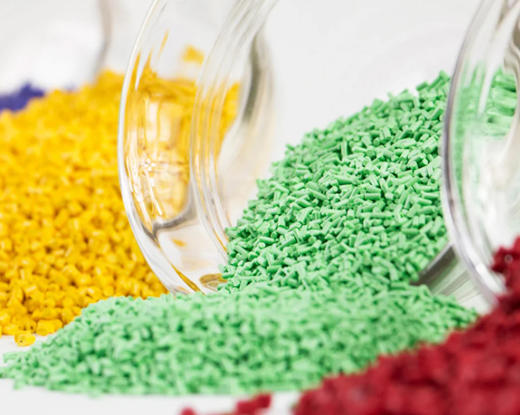
Consumer electronics increasingly use miniaturized plastic mechanisms and structural frames that must hold tight tolerances under mechanical stress and elevated temperatures. Reinforced PA Masterbatch, often containing glass fiber or carbon fiber, boosts stiffness, dimensional stability, and heat resistance of PA parts used in these precision assemblies.[17][1][3]
Core benefits of reinforced PA Masterbatch:
- Higher modulus and creep resistance enabling thinner walls without warpage or deformation in laptop hinges, display frames, and internal brackets.[17][1]
- Better dimensional stability under temperature cycling, essential for connector blocks, gear trains, and optical alignment structures in cameras and sensors.[1][17]
Selected consumer electronics applications:
- Gear mechanisms and sliding parts inside printers, scanners, and smart home devices, produced from PA with glass fiber Masterbatch for durability and quiet operation.[17][1]
- Structural carriers and frames for smartphones, tablets, and laptops, where PA Masterbatch with reinforcement provides a balance between metal-like rigidity and plastics' design freedom.[7][1]
- Heat‑exposed components around power supplies and LED modules that need long-term mechanical stability combined with color or flame retardant Masterbatch in a single PA compound.[3][1]
Integrating reinforced PA Masterbatch at the compounding stage allows electronics OEMs to streamline material portfolios while achieving multiple property targets in one engineered PA grade.[1][17]
Beyond flame retardant and ESD functions, PA Masterbatch technology supports fine-tuning of optical and surface properties critical to the user experience of consumer electronics. From anti-glare screens to UV-stable outdoor devices, PA functional Masterbatch enables performance that would be difficult or expensive to achieve through secondary coatings alone.[4][6]
Important Masterbatch functions for electronics:
- UV-stabilizing PA Masterbatch protects colored housings, outdoor cameras, and networking equipment from yellowing and embrittlement under sunlight.[5][4]
- Anti-fog and clarity Masterbatch supports transparent or translucent PA components in lighting, sensors, and windows for smart devices.[6][4]
- Slip and anti-scratch Masterbatch improves tactile feel and long-term surface quality for handheld electronics and wearables that face frequent handling.[7][6]
These PA Masterbatch solutions can be combined with color, flame retardant, or antistatic packages, enabling multifunctional consumer electronics materials that reduce part count and simplify supply chains.[4][1]
Consumer electronics brands face growing pressure to reduce environmental impacts while complying with stringent chemical regulations across global markets. PA Masterbatch supports these goals by providing tightly controlled formulations that meet RoHS, REACH, and halogen-free requirements while still offering high-level performance.[18][10][3]
Key sustainability and compliance aspects:
- Halogen-free flame retardant PA Masterbatch minimizes toxic emissions and supports recyclability and safer end-of-life processing of electronic plastics.[10][3]
- Precisely dosed pigment and additive systems reduce waste from off-color batches and simplify documentation for restricted substances.[18][6]
- Potential integration with recycled PA streams where PA Masterbatch helps correct color and compensate for property variations in recyclate-based compounds.[18][4]
By choosing advanced PA Masterbatch solutions, electronics OEMs can align material choices with eco-design strategies, extended producer responsibility rules, and global green product labels.[3][4]
Selecting the right PA Masterbatch for a specific consumer electronics application involves balancing color, mechanical performance, flammability, ESD behavior, and processing parameters. Close collaboration between OEMs, molders, and Masterbatch suppliers ensures that PA Masterbatch solutions are tuned for the target device and manufacturing process.[6][17][7][1]
Typical selection criteria include:
- Base resin type (PA6, PA66, reinforced or unreinforced) and required mechanical/thermal performance in use.[1][3]
- Flame retardancy level (e.g., UL 94 V-0 or V-2), smoke and toxicity limits, and whether halogen-free PA Masterbatch is mandated.[9][3]
- ESD requirements such as target surface resistivity for antistatic or conductive PA Masterbatch, depending on whether protection is for people, devices, or both.[13][12]
- Aesthetic targets (color coordinates, gloss, texture) and compatibility with surface finishes, printing, or laser marking.[5][6]
When these parameters are clearly defined, PA Masterbatch producers can develop custom Masterbatch formulations that reduce trial-and-error during tool qualification and shorten time-to-market for new electronic devices.[17][6]
PA Masterbatch has become a strategic enabler for innovation in consumer electronics, allowing manufacturers to integrate color, flame retardancy, ESD control, and reinforcement directly into PA-based components without complex secondary treatments. From stylish, scratch-resistant housings to safe, flame-retardant power components and ESD-protected handling trays, PA Masterbatch supports both functional performance and branding in an increasingly demanding market. As sustainability and regulatory pressure grow, advanced PA Masterbatch solutions—especially halogen-free flame retardant and conductive systems—will continue to help electronics brands achieve lightweight designs, safer products, and more efficient global manufacturing.[12][10][7][4][5][3][17][1]
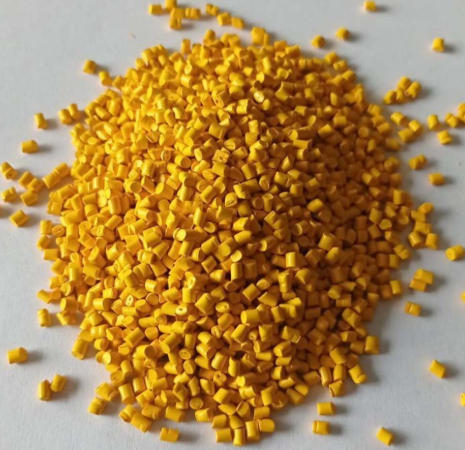
PA flame retardant Masterbatch helps PA components meet flammability standards such as UL 94 V-0, reducing ignition risk and slowing flame spread in device housings and power modules. Halogen-free PA Masterbatch solutions also minimize smoke and toxic gas generation, supporting safer use in tightly enclosed consumer electronics and smart home equipment.[10][9][3]
Antistatic and conductive PA Masterbatch control surface resistivity so that electrostatic charges dissipate safely instead of discharging through sensitive chips and circuit boards. This PA Masterbatch technology is essential in IC trays, component reels, and antistatic packaging films that protect electronics during production, shipping, and assembly.[15][14][13][12]
Yes, many electronics compounds use PA Masterbatch packages that combine color, flame retardant additives, and antistatic or UV-stabilizing functions in a single formulation. Multifunctional PA Masterbatch helps reduce the number of materials used in a device, simplifies sourcing, and supports thinner, lighter components without sacrificing performance.[4][6][17][1]
Color PA Masterbatch colors the polymer throughout the part, eliminating paint layers that can chip, scratch, or delaminate over time. It also streamlines production because PA Masterbatch is introduced during molding, cutting out separate painting lines, curing steps, and solvent-management requirements.[7][5][6]
Electronics OEMs typically share target specifications—such as mechanical strength, color, flammability rating, and ESD range—so PA Masterbatch suppliers can propose tailored formulations. Through lab trials and pilot molding, the PA Masterbatch is adjusted for dispersion, processing stability, and performance until it matches the device's regulatory and design requirements.[6][17][7][1]
[1](https://www.kerkeextruder.com/masterbatch-production/pa-masterbatch/)
[2](https://www.linkedin.com/pulse/what-pa-masterbatch-uses-how-works-top-companies-2025-nexovates-c7r0c)
[3](https://www.qiboflameretardant.com/products/pa-flame-retardant-masterbatch/)
[4](https://www.polychemer.com/news/plastic-masterbatch-a-comprehensive-analysis-78924061.html)
[5](https://www.linkedin.com/pulse/pa-masterbatch-real-world-5-uses-youll-gh5wf)
[6](https://www.lyondellbasell.com/en/our-solutions/products/advanced-polymer-solutions/masterbatch-custom-performance-color/)
[7](https://www.sunchemical.com/masterbatch-industries-applications/)
[8](https://www.plasticstoday.com/automotive-mobility/color-stable-eorange-masterbatch-developed-for-e-mobility-applications)
[9](https://pmcpolymerproducts.com/flame-retardant/)
[10](https://www.charmingmb.com/2025/12/24/what-is-flame-retardant-masterbatch/)
[11](https://flame-retardant.alfa-chemistry.com/flame-retardant-pa-masterbatch.html)
[12](https://specialty-polymer.com/conductive-masterbatch-explained-types-applications-and-benefits/)
[13](https://www.tosaf.com/article/antistatic-masterbatch-putting-an-end-to-static-in-plastic/)
[14](http://www.inchrmaterial.com/en/html/product/204.html)
[15](https://www.inchr-esd.com/product/antistatic-masterbatch-transparent/)
[16](https://en.ht-metalfiber.com/mobile/ddsl/174.html)
[17](https://www.americhem.com/industries/electronics/)
[18](https://www.custommarketinsights.com/report/us-masterbatch-market/)
[19](https://m.conductivemasterbatch.com)
[20](https://www.distrupol.com/well-plastics-flame-retardant-masterbatches.html)


