


close
Choose Your Site
Global
Social Media


Views: 222 Author: Rebecca Publish Time: 2025-12-29 Origin: Site


Content Menu
● Early Natural Plastics And Precursors
● Alexander Parkes And The First Man‑Made Plastic
● Leo Baekeland And The First Fully Synthetic Plastic
● The Expansion Of Synthetic Plastics
● What Is Masterbatch In Modern Plastics?
● Key Functions Of Masterbatch
● Masterbatch And Processing Efficiency
● Masterbatch And Sustainability
● How The History Of Plastics Shapes Today's Innovation
● FAQ About Plastic Material And Masterbatch
>> 1. Who is considered the inventor of plastic material?
>> 2. What exactly is masterbatch in plastics?
>> 3. Why do manufacturers prefer masterbatch instead of powder pigments?
>> 4. Which industries rely most on masterbatch?
>> 5. How does masterbatch contribute to sustainable plastic solutions?
The question “Who invented plastic material?” does not have a single, simple answer because plastics evolved from natural modifications to fully synthetic polymers over several decades. From the first cellulose‑based plastics to phenolic resins and modern polymer engineering, each milestone reshaped how industries process polymers and how masterbatch is used to tailor their properties.[2][3]
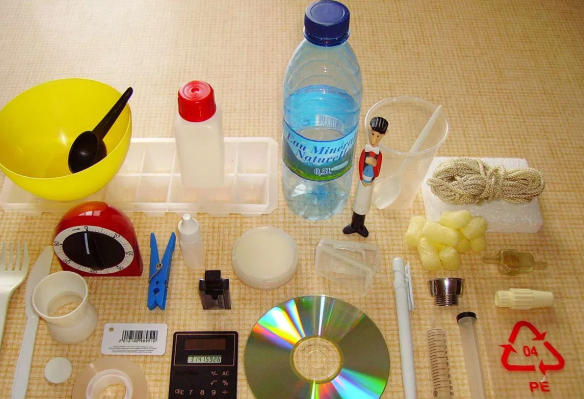
Long before synthetic polymers were developed, manufacturers relied on natural materials with plastic‑like behavior, such as shellac, horn, amber, natural rubber, and casein. These materials could be softened by heat or chemicals, shaped, and then hardened, serving as early examples of moldable substances that hinted at the potential of plastics.[4]
During the 19th century, advances in chemistry focused on modifying natural polymers like cellulose and rubber to improve their performance and stability. Vulcanization of rubber improved elasticity and heat resistance, while early cellulose derivatives demonstrated that chemical modification could turn brittle or unstable feedstocks into more versatile materials. This era also introduced basic ideas that would later be crucial in developing masterbatch, such as combining base materials with additives, fillers, and colorants to achieve better properties.[1][2]
Natural precursors also paved the way for industrial processing methods that are still fundamental today, including calendering, compression molding, and extrusion. These processes made it possible to integrate pigments and functional ingredients uniformly, much like the way modern masterbatch pellets are dispersed in molten polymers to ensure consistent quality.[2][4]
In the mid‑19th century, British inventor Alexander Parkes made a breakthrough by creating Parkesine, widely considered the first man‑made plastic material. Parkesine was produced by treating cellulose with nitric acid to form cellulose nitrate, then combining it with solvents or plasticizers so it could be molded and hardened into durable forms.[4][1]
Parkes publicly demonstrated Parkesine at the 1862 International Exhibition in London, showing that this new material could imitate ivory, horn, and tortoiseshell at a much lower cost. It could be formed into combs, buttons, knife handles, and decorative objects, proving that artificially engineered materials could replace scarce natural resources in everyday products. Although Parkesine struggled commercially due to brittleness and processing challenges, its chemistry inspired celluloid, which would later dominate photographic film and many consumer applications.[1][4]
The processing methods used for Parkesine—dissolving, coloring, pressing, and shaping—foreshadowed how modern plastics accept color and additive masterbatch during compounding. Even today, technical teams working with cellulose‑based polymers use concentrated masterbatch to introduce color or stabilizers while maintaining processability and mechanical performance.[2]
While Parkesine and other early materials relied on modified natural polymers, the early 20th century witnessed the creation of the first fully synthetic plastic. Belgian‑American chemist Leo Baekeland developed Bakelite, a phenol‑formaldehyde resin that did not depend on natural backbones such as cellulose.[5][1]
Baekeland's research focused on controlling the reaction between phenol and formaldehyde to produce a hard, heat‑resistant, non‑melting resin that could be molded under heat and pressure. Patented in 1907 and commercialized soon after, Bakelite rapidly found use in electrical insulators, radio and telephone housings, appliance casings, and automotive components because it combined electrical insulation with mechanical strength and heat resistance.[5]
Bakelite proved that synthetic plastics could outperform many traditional materials like wood, metal, and ceramics in specific applications. This success dramatically accelerated polymer research and opened the door for a wide range of thermosetting and thermoplastic materials, which are now combined with sophisticated masterbatch systems to achieve tailored properties for demanding technical markets.[5][2]
After Bakelite, the pace of innovation in polymer science increased rapidly, resulting in many of the plastics that define modern life. Polyvinyl chloride (PVC), polystyrene, polyethylene, nylon, polyester, and polypropylene emerged from laboratories and pilot plants into mass production between the early 1900s and the mid‑20th century.[1]
Polyethylene, first synthesized in the late 19th century and commercialized in the 1930s, soon became a cornerstone material for films, pipes, and molded items thanks to its toughness and chemical resistance. Polypropylene, discovered in the 1950s, brought a unique combination of low density, stiffness, and heat resistance that made it ideal for packaging, fibers, and automotive parts. Each of these polymers required specialized know‑how for compounding and processing, driving the development of polymer‑specific masterbatch formulations.[2][1]
As polymer families diversified, so did their applications, from food and industrial packaging to construction materials, consumer electronics, and medical devices. In parallel, masterbatch producers designed concentrates for color, UV stabilization, antistatic behavior, flame retardancy, slip and antiblock effects, and other functions that would allow basic resins to meet the particular demands of each application area.[4][2]
In today's polymer industry, masterbatch is a concentrated mixture of pigments and/or additives encapsulated in a carrier resin and typically supplied as pellets. During processing, these pellets are dosed into a base polymer—such as polyethylene, polypropylene, PET, or PVC—where they melt and disperse, delivering consistent color or performance enhancements throughout the final product.[2]
The carrier resin in masterbatch is selected to be compatible with the host polymer, ensuring proper mixing and minimizing any negative impact on mechanical or optical properties. For example, a polyethylene‑based masterbatch would normally be used with PE films or molded parts, while a polypropylene‑based masterbatch would be paired with PP fibers or injection‑molded components. This compatibility allows the concentrate to integrate seamlessly during extrusion, blow molding, or injection molding.[2]
The primary function of masterbatch is to deliver active ingredients—such as pigments, UV absorbers, antioxidants, slip agents, antistatics, or flame retardants—in a controlled and efficient way. Instead of handling powders or liquids directly, processors add a relatively small percentage of masterbatch to the polymer, simplifying dosing and improving safety.[2]
Because the active ingredients are pre‑dispersed in the carrier resin, masterbatch helps achieve uniform distribution and consistent performance across production runs. This uniformity is critical for avoiding visual defects, color streaks, or uneven mechanical properties in films, sheets, profiles, and molded parts. In large‑scale operations with high output, accurate dosing of masterbatch also reduces waste and helps maintain product specifications.[2]
Different production needs have given rise to several major categories of masterbatch, each targeting a specific aspect of product performance or appearance. Among them, color, additive, filler, and specialty masterbatch are the most widely used.[2]
Color masterbatch is formulated to provide precise and repeatable color shades, including opaque, translucent, metallic, or special‑effect tones for films, bottles, caps, closures, fibers, and consumer goods. Good dispersion ensures that pigments do not agglomerate, which would otherwise cause streaks or spots and potentially weaken the material. By using color masterbatch, brand owners can maintain consistent visual identity across different products and production sites.[2]
Additive masterbatch focuses on functional improvements instead of color, delivering UV protection, antioxidant stabilization, flame retardancy, antistatic behavior, antimicrobial properties, slip and antiblock functions, and other performance enhancements. For instance, UV masterbatch protects outdoor films, nets, and pipes from degradation, while flame‑retardant masterbatch helps materials meet safety standards in building and electrical applications.[2]
Filler masterbatch combines mineral fillers such as calcium carbonate or talc with a compatible resin to reduce cost, improve stiffness, adjust shrinkage, or tailor opacity. This approach is common in films, sheets, bags, and injection‑molded parts where a balance between mechanical performance and economics is essential. Specialty masterbatch addresses niche demands, including electrically conductive compounds, infrared‑responsive materials, anti‑fog coatings for greenhouse films, and even solutions designed for biodegradable or compostable polymers.[2]

Beyond performance, masterbatch plays a pivotal role in improving processing efficiency in extrusion, blow molding, and injection molding lines. Handling powders can cause dusting, contamination, and inconsistent dosing, whereas pelletized masterbatch can be metered accurately using gravimetric or volumetric feeders.[2]
This precision translates into stable color and additive levels, shorter setup times, and fewer rejected parts or off‑spec reels. When production involves frequent color or formulation changes, masterbatch also helps reduce cleaning time and material waste because it disperses cleanly and does not cling to machine surfaces as strongly as some raw powders. For high‑volume packaging and consumer goods, these advantages directly support cost control and reliable quality.[2]
Sustainability has become a central theme in the plastics industry, and masterbatch is an important tool for making plastic solutions more responsible. By concentrating active ingredients, masterbatch allows processors to achieve the desired effect at very low addition levels, which can help reduce overall resource consumption. Properly designed formulations extend product lifetimes by protecting against UV radiation, oxidation, and physical damage, thereby lowering the frequency of replacement.[6][2]
Many producers now develop masterbatch specifically for recycled polymers and biopolymers, optimizing color and stability without compromising recyclability or compostability. For example, special masterbatch solutions can mask color variations in recycled streams or stabilize materials that would otherwise degrade during repeated processing. Encapsulating additives in masterbatch form also improves worker safety by minimizing direct contact with powders and reducing airborne dust in factories.[6][2]
The historical progression from natural resins to Parkesine, Bakelite, and modern polymers created a broad palette of materials, each with distinct strengths and limitations. Today's compounders and masterbatch specialists build on this heritage, combining polymer science, additive technology, and processing expertise to design materials that are highly customized for their end‑use environment.[1][2]
For example, automotive components must balance impact strength, dimensional stability, weatherability, and aesthetic appeal, which requires carefully engineered polymer blends and multi‑component masterbatch packages. Food packaging must meet regulatory standards, protect contents from light and oxygen, and deliver brand colors consistently, again relying on advanced color and additive masterbatch to achieve these goals. From agriculture to electronics, the logic is the same: the base polymer provides the structural backbone, while masterbatch delivers fine‑tuned properties that differentiate one solution from another.[2]
Looking ahead, digital tools, data‑driven design, and stricter environmental regulations are pushing plastic material development toward higher performance and lower environmental impact. In this context, masterbatch will remain a strategic lever for material designers, enabling rapid prototyping, flexible production, and the ability to upgrade existing lines with new functionalities without changing the base polymer entirely.[6][2]
Plastic material was not invented by a single person but emerged from a series of breakthroughs, with Alexander Parkes pioneering the first man‑made plastic and Leo Baekeland introducing Bakelite, the first fully synthetic plastic. Their work transformed materials science, enabling the development of an entire family of polymers that have become essential to modern life. Building on this foundation, masterbatch technology has become a core strategy for customizing plastics, allowing manufacturers to adjust color, performance, cost efficiency, and sustainability in a flexible and precise way. As industries move toward circular economy models and greener materials, the smart combination of polymer selection, masterbatch engineering, and processing know‑how will be critical to delivering safer, smarter, and more sustainable plastic products.[4][6][1][2]
Alexander Parkes is widely credited with inventing the first man‑made plastic, Parkesine, in the 19th century, while Leo Baekeland later created Bakelite, the first fully synthetic plastic. Together, their contributions laid the foundation for the modern plastics industry and opened the door to advanced masterbatch‑based material design.[4][1]
Masterbatch is a concentrated mixture of pigments and/or additives dispersed in a compatible carrier resin and supplied as pellets. It is added to base polymers during processing to introduce color or functional properties such as UV resistance, antistatic behavior, or flame retardancy in a clean and controlled way.[2]
Manufacturers often prefer masterbatch because it improves dispersion, ensures consistent color or additive effects, and reduces dust, contamination, and dosing errors on the production line. Pelletized masterbatch is easier to handle and meter than loose powders, which supports higher productivity and more reliable quality in extrusion and molding.[2]
Key users of masterbatch include packaging, automotive, construction, consumer goods, agriculture, textiles, and electrical and electronic components. In these sectors, masterbatch provides critical performance features such as UV stability, impact strength, flame retardancy, slip behavior, and distinctive branding colors.[2]
Sustainability‑oriented masterbatch supports higher recycled content, enables mono‑material designs, and extends product lifetimes by protecting against UV, oxidation, and mechanical damage. By delivering powerful effects at low addition levels, masterbatch helps reduce overall polymer consumption and supports more resource‑efficient and recyclable product designs.[6][2]
[1](https://en.wikipedia.org/wiki/Timeline_of_plastic_development)
[2](https://en.wikipedia.org/wiki/Masterbatch)
[3](https://plasticseurope.org/plastics-explained/history-of-plastics/)
[4](https://en.wikipedia.org/wiki/Plastic)
[5](https://en.wikipedia.org/wiki/Bakelite)
[6](https://thesustainableagency.com/blog/the-history-of-plastic/)


