


close
Choose Your Site
Global
Social Media


Views: 222 Author: Rebecca Publish Time: 2025-11-27 Origin: Site


Content Menu
● Key Applications of PLA Masterbatch
● Types of PLA Masterbatch You Can Buy
>> Biodegradable and Compostable PLA Masterbatch
>> Specialty PLA Masterbatch for 3D Printing
● Where To Buy PLA Masterbatch: Main Channels
>> 1. Direct from PLA Masterbatch Manufacturers
>> 2. Regional Distributors and Compounders
>> 4. Specialized E-commerce for Small Quantities
● How to Choose the Right PLA Masterbatch Supplier
>> Technical Compatibility and Performance
>> Certification and Regulatory Compliance
>> Quality Consistency and Color Matching
>> Service, Lead Time, and MOQ
● Practical Steps to Start Buying PLA Masterbatch
● Common Challenges When Using PLA Masterbatch
>> Processing Window and Degradation
● Why PLA Masterbatch Matters for Sustainable Business
● FAQ
>> 1. What loading level of PLA masterbatch is typically used?
>> 2. Can PLA masterbatch be used in both injection molding and extrusion?
>> 3. How do I ensure that a PLA masterbatch is truly compostable?
>> 4. Is PLA masterbatch suitable for high-temperature applications?
>> 5. What information should I provide when asking for a custom PLA masterbatch?
Masterbatch for PLA (polylactic acid) has become a critical material for manufacturers who need sustainable, biodegradable plastics without sacrificing performance, color consistency, or processing efficiency. PLA masterbatch helps you customize PLA-based products with color, UV protection, heat resistance, antibacterial function, and improved processing behavior while staying aligned with global environmental trends.
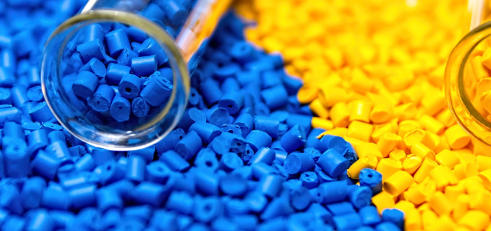
PLA masterbatch is a highly concentrated blend of pigments and/or functional additives dispersed in a PLA carrier resin. It is supplied as granules or pellets that are dosed into natural PLA at a defined percentage during processing. Compared with direct pigment addition, masterbatch provides:
- Better dispersion and color consistency.
- Cleaner production with less dust, easier handling, and faster changeover.
- Flexible formulation options for color, UV, heat resistance, slip, anti-block, and more.
PLA masterbatch is specifically designed to match the polarity, melting point, and rheology of PLA resin so that it can be processed via extrusion, blown film, injection molding, thermoforming, sheet extrusion, and 3D filament production.
PLA masterbatch is used across many industries that demand a balance between performance and sustainability. Typical applications include:
- Packaging: Food trays, cups, lids, clamshells, bags, and films for fresh produce and dry foods.
- 3D printing: PLA filament with custom colors, matte or glossy effects, and functional additives such as anti-odour or impact modifiers.
- Disposable products: Cutlery, plates, straws, coffee capsule components, and takeaway packaging.
- Agriculture: Mulch films and compostable bags.
- Medical and hygiene: Certain non-critical components, packaging, and items where biocompatibility and compostability are desired (subject to regulation).
In each of these applications, the right PLA masterbatch ensures stable color, smooth surface, good gloss, proper mechanical properties, and, when needed, compliance with food-contact or medical regulations.
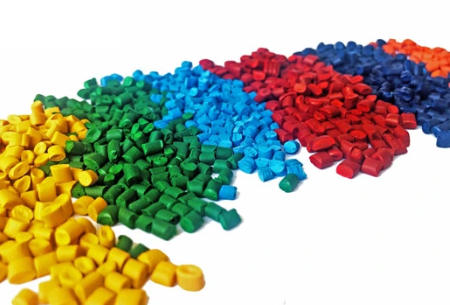
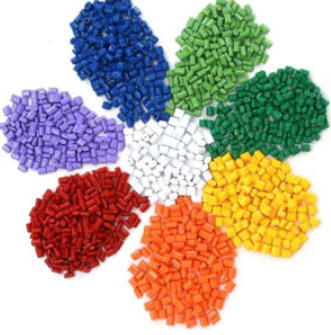
Color masterbatch for PLA provides solid, translucent, or special-effect colors. It is widely used in:
- Branded packaging (to maintain brand color consistency).
- 3D printing filaments in custom color collections.
- Consumer products where shelf appeal and visual differentiation are critical.
High-quality color PLA masterbatch offers:
- High tinting strength and uniform dispersion.
- Good lightfastness and weatherability for shelf and outdoor exposure.
- Minimal impact on PLA mechanical and rheological properties.
Additive PLA masterbatch modifies functionality rather than appearance. Common types include:
- UV protection masterbatch for outdoor or long-shelf-life products.
- Anti-block and slip masterbatch to improve film handling and converting.
- Antibacterial masterbatch for hygiene-sensitive packaging and certain healthcare items.
- Antistatic masterbatch to reduce dust attraction and improve handling.
- Nucleating and crystallization masterbatch to improve heat resistance and stiffness.
These masterbatches are especially important when PLA is used in more demanding applications that require higher performance than standard PLA alone can provide.
For fully compostable systems, PLA masterbatch must be compatible with industrial composting standards. Suppliers often offer masterbatch formulated to maintain:
- Compliance with EN 13432 or ASTM D6400 for industrial compostability.
- Low toxicity and absence of heavy metals or restricted substances.
- Controlled degradation behavior so that masterbatch does not interfere with PLA's composting performance.
When buying PLA masterbatch for compostable packaging, always request documentation on compostability and related certification.
PLA masterbatch for filament production typically focuses on:
- Very fine dispersion to avoid nozzle clogging.
- Stable melt flow for uniform filament diameter.
- Colors and effects tailored for hobby and industrial printers.
Producers of 3D printing filament often use custom PLA masterbatch to differentiate their products with unique color ranges, glow-in-the-dark effects, silk finish, or carbon-fiber filled aesthetics.
Buying directly from a PLA masterbatch manufacturer is usually the best choice for medium and large buyers who need consistent supply and technical support. In particular, China, Europe, and North America have strong masterbatch production bases.
Key advantages of buying from manufacturers:
- Custom-made PLA masterbatch according to your PLA grade, processing method, and target properties.
- Better control over color matching, sample development, and long-term consistency.
- Competitive pricing for bulk orders and repeat business.
- Access to technical teams for trouble-shooting processing or performance issues.
Manufacturers with dedicated PLA masterbatch lines can supply color, additive, biodegradable, and 3D-printing-specific masterbatch, and often support OEM/ODM solutions for brand owners.
Regional distributors and compounders typically purchase PLA masterbatch from major producers and resell it in their domestic markets. This route is attractive when you:
- Need shorter lead times and local stock.
- Prefer smaller minimum order quantities than factories typically offer.
- Need on-site technical visits or local language service.
Compounders can also blend masterbatch with base PLA resin to produce ready-to-use compounds, which simplifies dosing on the production floor.
Large B2B marketplaces are a practical channel when you want to compare multiple PLA masterbatch suppliers quickly. Typical features include:
- Supplier listings with product descriptions, certificates, and production capabilities.
- Filter options for PLA masterbatch, biodegradable masterbatch, or compostable products.
- Direct messaging to request quotations, samples, and technical data sheets.
- Trade assurance or similar systems to reduce transaction risk.
This channel is often used by small and mid-sized buyers who are exploring new suppliers or diversifying their supply chain globally.
For R&D, lab trials, or small-batch 3D printing projects, specialized e-commerce stores and 3D printing suppliers offer PLA masterbatch or PLA-based color pellets in small packages. Advantages:
- Very low minimum order quantities.
- Quick delivery and online payment.
- Good for testing new colors or exploring PLA masterbatch before placing larger industrial orders.
However, per-kilogram pricing is usually higher than direct factory purchases, and available grades may be limited compared with full industrial portfolios.
Before placing large orders, always check:
- Carrier resin: The masterbatch carrier must be PLA or a PLA-compatible biodegradable resin.
- Processing temperature range: It should match your process (for example, around 170–180°C for many PLA processes) and not degrade under your conditions.
- Mechanical properties: Confirm that the target loading level does not significantly weaken or embrittle your product.
- Application-specific requirements: For example, food contact safety, transparency vs. opacity, flexibility, or impact resistance.
Request technical data sheets, processing guidelines, and, if possible, trial samples to verify performance on your own machinery.
Depending on your market and end use, check for:
- Food-contact compliance (FDA, EU regulations, or local standards).
- Compostability certifications (e.g., EN 13432, ASTM D6400) for biodegradable applications.
- RoHS and REACH for electronics or general consumer products.
- Toy and childcare standards where relevant.
Reliable PLA masterbatch suppliers can provide complete documentation, including test reports and certificates, and should be able to explain how their PLA masterbatch fits into your compliance strategy.
A good PLA masterbatch supplier should offer:
- Professional color matching service and color samples (chips or plaques).
- Tight control over batch-to-batch consistency for both color and physical performance.
- Clear color difference tolerances and quality procedures.
This is especially important when your brand identity depends on precise color or when your products must match existing reference parts.
When comparing suppliers, evaluate:
- Minimum order quantity: Many industrial PLA masterbatch lines start at a few hundred kilograms per color or additive.
- Lead time: Take into account color development time, production cycle, and shipping time—especially for overseas sourcing.
- After-sales and technical support: Look for suppliers who can help optimize your dosing, troubleshoot common defects (e.g., flow lines, specks, uneven color), and provide long-term support as your product portfolio grows.
For small and medium buyers, a supplier willing to provide modest MOQs and responsive service is often more valuable than the lowest possible unit price.
1. Define your application clearly
Determine whether you need color PLA masterbatch, additive PLA masterbatch, or a combination. Specify your PLA grade, processing method (injection, film, sheet, filament, etc.), and target properties (e.g., heat resistance, matte surface, food contact).
2. Prepare a technical brief for suppliers
Include your PLA resin brand/grade, melt flow rate, typical processing temperatures, product thickness, and special requirements like transparency or compostability.
3. Shortlist potential PLA masterbatch suppliers
Combine direct manufacturers, regional distributors, and reputable B2B listings. Pay attention to experience in PLA masterbatch, not just generic masterbatch.
4. Request samples and technical data
Ask for trial quantities of PLA masterbatch along with data sheets, certificates, and processing recommendations. Run trials on your lines and evaluate dispersion, color, output stability, and defect rate.
5. Compare total cost, not just price per kilogram
Consider PLA masterbatch price, MOQ, shipping cost, customs duties, potential scrap reduction, technical support value, and reliability of supply.
6. Build a strategic partnership
Once you confirm a good PLA masterbatch supplier, treat them as a long-term partner. Share feedback, new project plans, and upcoming regulatory changes so they can proactively optimize formulations for you.
PLA can be sensitive to temperature and shear. If the process temperature is too high or residence time too long, degradation may occur, causing:
- Reduced molecular weight and decreased mechanical strength.
- Discoloration (yellowing or browning).
- Increased brittleness or odor.
Using PLA masterbatch designed for your specific processing window and following the supplier's temperature profile recommendations helps minimize these issues.
PLA and certain PLA masterbatch products are sensitive to moisture. If pellets are not dried correctly:
- Hydrolysis can occur in the extruder, decreasing molecular weight.
- Surface defects, bubbles, and poor mechanical performance may appear.
Always follow drying recommendations for both PLA resin and PLA masterbatch, and keep materials sealed when not in use.
An incorrect dosing rate of PLA masterbatch can lead to:
- Under-color (too low loading) or over-color (waste and possible property changes).
- Uneven color if the dosing system or mixing is inconsistent.
Use a precise gravimetric or volumetric dosing system and ensure proper screw design and back pressure to achieve good mixing in your process.
As global regulations and consumer expectations push manufacturers toward lower-carbon and more sustainable materials, PLA and other biopolymers will continue to grow in importance. PLA masterbatch is critical because it allows you to:
- Align product appearance and performance with conventional plastics while using a more sustainable base resin.
- Meet brand demands for specific colors and effects without abandoning compostability goals.
- Tailor PLA to demanding environments using functional additives, extending its scope beyond simple, low-stress applications.
Choosing the right PLA masterbatch and supplier is therefore not just a technical decision; it is a strategic move that supports long-term sustainability and brand positioning.
Buying masterbatch for PLA effectively means balancing technical performance, regulatory compliance, cost, and supply reliability. You can source PLA masterbatch directly from specialized manufacturers, through regional distributors, via international B2B platforms, or from niche e-commerce stores when you need small quantities. The most important steps are to define your application clearly, verify compatibility and certifications, run realistic production trials, and evaluate suppliers not only on price but also on consistency and service. With the right PLA masterbatch partner, you can produce high-quality, sustainable products that meet modern market expectations for both performance and environmental responsibility.
Most color PLA masterbatch is dosed at around 1–5% depending on pigment strength and target shade. Highly concentrated PLA masterbatch may be used at even lower percentages, while certain additive masterbatches might require higher loadings to achieve functional effects. Your supplier should recommend an optimal dosing range for each specific PLA masterbatch grade.
Yes. Many PLA masterbatch grades are compatible with multiple processes, including injection molding, blown film, sheet extrusion, thermoforming, and filament extrusion. However, the exact formulation may be adjusted for each process to balance viscosity, dispersion, and thermal stability, so always check with the supplier if a single PLA masterbatch grade is suitable for all your intended applications.
To ensure compostability, ask the supplier to provide documentation that the complete PLA masterbatch formulation (carrier plus additives and pigments) is compatible with industrial composting standards such as EN 13432 or ASTM D6400. You can also request test reports from accredited laboratories. If your final product needs a compostability logo, coordinate with certification bodies and confirm that the chosen PLA masterbatch is acceptable within their schemes.
Standard PLA has limited heat resistance, but specialized heat-resistant PLA masterbatch can improve the thermal deformation temperature. This can allow certain PLA products to perform better in moderately elevated temperatures, such as in hot-fill packaging or warmer storage conditions. For applications requiring very high heat resistance, consult your supplier about tailored PLA masterbatch formulations or hybrid material solutions.
When requesting a custom PLA masterbatch, you should provide your base PLA resin grade and supplier, processing method and typical temperature profile, target color or functional performance (with any reference samples or Pantone codes), end-use conditions (indoor/outdoor, food contact, compostable requirement), and any relevant regulations in your target markets. The more complete your brief, the faster and more accurately the supplier can develop a suitable PLA masterbatch.
[1](https://www.kerkeextruder.com/masterbatch-production/pla-masterbatch/)
[2](https://patents.google.com/patent/CN117659451A/en)
[3](https://granuwelextruder.com/masterbatch-manufacturing-process-how-its-made/)
[4](https://eupegypt.com/blog/color-masterbatch-manufacturing-process/)
[5](https://jieyatwinscrew.com/blog/masterbatch-production-line/)
[6](https://www.cowinextrusion.com/understanding-color-masterbatch-manufacturing-process/)
[7](https://www.3devo.com/blog/complete-guide-plastic-pigments-how-colorants-work)
[8](https://alokmasterbatches.com/blogs/what-is-masterbatch-its-manufacturing/)
[9](https://www.cowellextrusion.com/how-is-masterbatch-produced-masterbatch-manufacturing-process/)
[10](https://www.sciencedirect.com/science/article/pii/S2666542524000262)


