


close
Choose Your Site
Global
Social Media


Views: 222 Author: Rebecca Publish Time: 2025-11-27 Origin: Site


Content Menu
● What Is Masterbatch in Soap Making?
● Types of Masterbatch Oils for Soap
● Where to Buy Masterbatch Oil for Soap Making
>> Online Soap and Cosmetic Supply Stores
>> Bulk Chemical and Ingredient Distributors
>> Specialized Masterbatch Manufacturers for Personal Care
>> Local Cosmetic Raw Material Wholesalers
● How to Choose the Right Masterbatch Supplier
● Buying vs. Making Your Own Masterbatch Oil
>> Advantages of Buying Ready-Made Masterbatch
>> Advantages of Making Your Own Masterbatch
● How to Prepare Masterbatch Oil In-House
● How to Store and Handle Masterbatch Oils Safely
● Example Buying Channels for Different Types of Soap Makers
● How Masterbatch Relates to Color, Packaging, and Branding
● Quality Control and Testing for Masterbatch Oil
● Cost Considerations When Buying Masterbatch Oil
● Regulatory and Compliance Considerations
● Sustainability and Ethical Sourcing of Masterbatch Oil
● FAQ
>> 1. What is masterbatch oil in soap making?
>> 2. Is masterbatch the same as regular soap base?
>> 3. Where can beginners buy masterbatch oil for soap?
>> 4. How do I know if a masterbatch supplier is reliable?
>> 5. Can I customize my own masterbatch formula?
Masterbatch oil for soap making can be purchased from online soap supply shops, bulk chemical and cosmetic ingredient suppliers, local cosmetic raw material distributors, and directly from specialized manufacturers that serve personal care and hygiene brands. Choosing the right masterbatch source depends on whether you are a hobby soap maker or a large-scale factory producing soaps at industrial volumes.[5][8][11][12]

In cold- and hot-process soap making, "masterbatch" usually means pre-mixing a larger batch of oils or lye solution that can be used repeatedly to make multiple soap batches more efficiently. A masterbatch oil blend is typically your standard soap base formula—for example, coconut, palm, and olive oils—mixed and stored as one ready-to-use liquid.[2][6][13][5]
By preparing a masterbatch oil blend, soap makers minimize weighing time, reduce mistakes, and achieve more consistent bar quality from batch to batch. For commercial operations, masterbatching also simplifies inventory control because the blend is tracked as a single "base oil" in formulation or ERP software. Many experienced soap manufacturers report that masterbatching both oils and lye solution can reduce production time by 30 to 50 percent, especially when filling large monthly orders.[3][6][7][5]
Different soap makers use "masterbatch oil" in slightly different ways, but the main categories are similar across the industry.[8][2]
Basic body soap masterbatch: This neutral formula is designed for everyday bath and body bars, often using coconut, palm or tallow, and olive or other liquid oils as the foundation. The proportions are balanced to deliver moderate cleansing, good lather, and skin conditioning suitable for general use.[5][8]
Luxury or specialty masterbatch: Oils like avocado, shea butter, cocoa butter, or sweet almond are blended for premium soaps with extra conditioning and label appeal. These formulations may also include exotic butters such as mango or cupuaçu to differentiate high-end product lines.[6][5]
Laundry or cleaning bar masterbatch: Higher cleansing oils such as coconut or palm kernel oil are combined for stronger detergency, making these masterbatch oils perfect for household cleaning bars or laundry soap. Some industrial producers also add chelating agents or boosters to these blends.[13]
Transparent or glycerin soap masterbatch: Special base oils and solvents are blended for melt-and-pour or semi-transparent bars by industrial producers who supply craft stores and private-label brands. These masterbatch systems are formulated with precise glycerin and sugar alcohol ratios.[12]
For industrial producers, a masterbatch can also include fragrance and color, but many factories prefer a neutral base masterbatch oil and add fragrances, pigments, or exfoliants later on the line for better flexibility and customization per customer order.[14][15]
Many specialized soap and cosmetic ingredient websites carry pre-blended soap base oils or allow you to order oils in bulk that can be easily turned into your own masterbatch. They often stock popular soap oils—coconut, palm, olive, castor, and more—with clear saponification values and quality certificates.[11][16]
Some suppliers sell ready-to-use "soap base blends" marketed as masterbatch or base oils for both small brands and artisans looking to save formulation time. These suppliers typically offer MOQs (minimum order quantities) starting from a few kilograms up to drum quantities for growing brands. When importing for a factory, check that the supplier can provide COA (Certificate of Analysis), MSDS/SDS, and relevant cosmetic or food-grade documentation to satisfy local regulators and customs authorities.[16][11]
Bulk chemical and cosmetic raw-material distributors are a practical source of masterbatch oils for medium to large soap manufacturers. These companies supply large drums or IBC tanks of fatty acids, vegetable oils, and tailor-made blends for personal care and hygiene applications.[17][12]
Many bulk distributors offer technical support to help you design a customized masterbatch that matches specific hardness, foaming, conditioning, and skin-feel requirements. Working with a bulk distributor also makes it easier to negotiate long-term contracts, stable pricing, and consistent quality for continuous production lines. Industrial buyers should request sample lots and bench-test the masterbatch oil before committing to full-scale orders, ensuring compatibility with existing soap formulations and production equipment.[12]
Some masterbatch manufacturers focus on materials for hygiene and personal-care packaging, but others also formulate blends that go into soap and cosmetic products. For a soap factory, partnering with such a manufacturer can provide tailored masterbatch solutions beyond simple single oils.[18][12]
Personal-care-focused masterbatch producers can design blends to optimize texture, color stability, shelf life, and regulatory compliance of finished products. These suppliers are used to working with international brands and can support regulatory compliance in multiple markets, including REACH in Europe, FDA cosmetic guidelines in the United States, and halal or kosher certifications for specific regions.[15][17][18][12]
Although many masterbatch companies are best known for plastic color masterbatch used in bottles and packaging, a growing number also support beauty and personal-care segments with ingredient systems that integrate smoothly into formulation workflows. Some offer end-to-end solutions, coordinating both the masterbatch oil for the soap formula and color masterbatch for the packaging to ensure consistent brand identity.[15][18]
In many countries, major cities have local wholesalers that import cosmetic ingredients, including oils commonly used in soap masterbatch blends. Local distributors can offer smaller MOQs and faster replenishment compared with overseas bulk orders, which is especially valuable for new or seasonal brands.[19][11]
For new brands, being able to visit a warehouse, check oil clarity, odor, and packaging in person is a big advantage before placing large orders. Local wholesalers also tend to stock regionally popular oils—such as rice bran oil in Asia or babassu oil in South America—that may not be readily available from international suppliers. If your volumes are still modest, a local wholesaler is often the best stepping-stone between retail-size online shops and full industrial-scale imports.
Selecting the right masterbatch oil source is not only about price; several other factors matter for both artisan and industrial producers.[6][12]
Quality and consistency: Look for suppliers offering traceability, stable fatty-acid profiles, and freshness guarantees to avoid rancidity and DOS (dreaded orange spots) in finished soaps. Request historical batch analysis reports or quality trend data to evaluate supplier consistency over time.[13][6]
Documentation and compliance: Certificates such as COA, SDS, and if applicable, halal, kosher, organic, non-GMO, or cosmetic-grade declarations are important for export and regulatory audits. Make sure documentation includes country of origin, extraction method, and any solvent residues if refined oils are part of the masterbatch.[11][15]
Technical support: Suppliers who understand masterbatch formulation can help adjust hardness, cleansing, conditioning, and lather characteristics with small tweaks to the blend. Some advanced suppliers even offer pilot-scale testing or formulation workshops to optimize your specific soap line.[5][12]
Scalability and logistics: Confirm lead times, minimum orders, packaging types (drums, totes, flexitanks), and shipment options before locking in a key masterbatch supplier. For international buyers, verify that the supplier has experience with export documentation, fumigation certificates, and freight logistics to avoid delays at customs.[17][12]
For high-volume factories, working directly with a manufacturer able to provide tailor-made masterbatch and integrated logistics—including sea freight consolidation, bonded warehousing, and safety stock management—often delivers the best long-term results.[12][17]
Time savings: No need to weigh and blend oils for each batch, which is crucial for small teams or high-throughput production lines. Buying ready-made masterbatch can reduce labor hours significantly, especially when producing multiple product lines simultaneously.[3][8][5]
Reduced equipment investment: You avoid purchasing large mixing tanks, heating systems, and blending equipment just for combining base oils. This is particularly important for start-up brands with limited capital or brands testing new product categories.[6]
Professional formulation: Experienced suppliers may design masterbatch blends with better long-term stability, oxidation resistance, and performance than ad-hoc in-house mixes. Professional formulators often incorporate antioxidants or chelating agents at precise levels that extend shelf life.[12]
Full control over recipe: You can tweak percentages of each oil, superfat levels, and additives any time without waiting for supplier reformulation. This flexibility is valuable for artisan brands that experiment with seasonal ingredients or limited-edition formulas.[2][8][5]
Flexibility: Different masterbatch formulas can be run for body soap, laundry soap, shampoo bars, or specialty products without depending on outside formulation changes. In-house masterbatching allows rapid pivots when market trends or customer feedback demand new formulations.[13][5]
Cost transparency: You know exactly what goes into your masterbatch and how raw-material price changes affect your finished bar cost. This visibility helps with pricing strategy, margin analysis, and supply-chain risk management.[5][6]
Many professional soap makers use a hybrid strategy: key base oils are delivered in bulk and converted in-house to masterbatch, while some specialty masterbatch blends or functional ingredients are purchased from external manufacturers to balance efficiency and flexibility.[15][12]
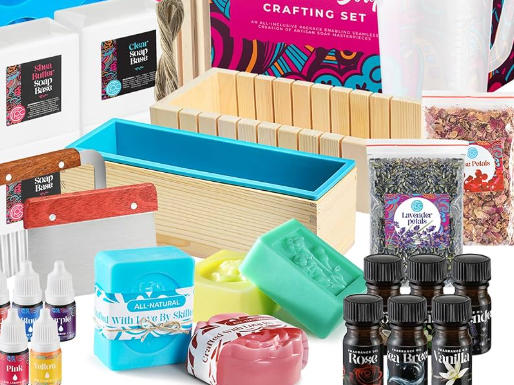
For soap makers who prefer making their own masterbatch, the process involves careful planning, accurate measurement, and proper blending technique.[2][5]
Scale up your recipe: Begin by multiplying your standard soap recipe by the number of batches you wish to prepare in advance—typically 10 to 20 batches for small studios or up to 100 batches for medium factories. Ensure your mixing vessel is large enough and made of food-grade or cosmetic-grade materials.[8][5]
Melt hard oils and butters: If your masterbatch formula includes solid fats like coconut oil, palm oil, shea butter, or cocoa butter, melt these first on low heat until completely liquid and clear. Melting ensures that all oils blend uniformly and prevents separation when the masterbatch cools.[4][5]
Add liquid oils: Once hard oils are melted and still warm, pour in your liquid oils such as olive, sunflower, sweet almond, or rice bran oil. Stir gently but thoroughly to ensure complete mixing of all components.[4][5]
Cool and store: Allow the masterbatch to cool to room temperature, then transfer to a clean, airtight container with a secure lid. Label the container clearly with the batch number, preparation date, and formulation details for traceability.[2][5]
When making a large masterbatch for factory use, some manufacturers prefer to keep liquid oils and solid oils in separate masterbatch containers to simplify handling and reduce the need for reheating before each use. This two-masterbatch approach allows you to measure liquid oils at room temperature and melt only the solid-oil masterbatch portion as needed.[7]
Masterbatch oils must be stored correctly to maintain quality and safety, especially in warm or humid environments.[13][2]
Use airtight, food- or cosmetic-grade containers with clear labels indicating batch number, production date, and composition. Containers should be made of HDPE, stainless steel, or other materials that do not react with vegetable oils or fatty acids.[5][13]
Protect from light, heat, and air to slow oxidation; cool, dark storage extends the usable life of your masterbatch significantly. Many producers store masterbatch in climate-controlled rooms or insulated cabinets to prevent temperature fluctuations.[13][5]
Stir or gently mix before use if the masterbatch includes both liquid and solid fats, to prevent uneven composition in separate draws. For large tanks, a brief agitation cycle or recirculation pump ensures homogeneity before dispensing.[7][2][5]
Monitor for signs of rancidity: Check masterbatch oil regularly for off odors, color changes, or cloudiness that may indicate oxidation or microbial contamination. Implement a first-in-first-out (FIFO) inventory system to rotate stock and use older masterbatch before newer batches.[13]
Always follow safety practices for handling heavy drums or tanks, including pumps, proper lifting equipment, spill containment, and PPE when working with hot liquids or transferring large volumes.
The best buying channel for masterbatch oil depends heavily on scale, target market, and production frequency.[11][12]
Hobby or home crafter (1–5 kg per batch): Online soap supply shops and small online vendors offer convenient small-pack options with detailed product information and beginner-friendly support. These suppliers typically ship quickly and carry a wide variety of oils for experimentation.[16][11]
Artisan brand or studio (10–100 kg per batch): Regional cosmetic ingredient distributors or pre-blended base oils from online suppliers provide the right balance of quality, price, and service for growing brands. Artisan producers at this scale often develop relationships with one or two key suppliers for consistent supply.[19][11]
Small factory or OEM (200–2,000 kg per batch): Bulk chemical and cosmetic raw-material distributors with custom masterbatch options deliver the volume and technical support needed for consistent production. At this scale, annual contracts and quarterly deliveries become practical and cost-effective.[17][12]
Large industrial producer (5,000 kg and above): Direct cooperation with specialized masterbatch manufacturers and long-term supply agreements ensure stability, traceability, and the ability to co-develop proprietary formulations. These partnerships often include joint R&D projects, dedicated account management, and integrated logistics solutions.[18][12]
In plastics and packaging, "masterbatch" usually refers to concentrated pigments or additives used in polymer processing, and these products are widely used in beauty and personal-care packaging. While this is different from masterbatch oil for soap formulas, both types of masterbatch help standardize quality and simplify production for high-volume brands.[15][17][12]
Color masterbatch producers serve many cosmetic and hygiene brands with customized bottle, cap, and tube colors that align with soap and body-care product branding. Some integrated suppliers can coordinate both packaging masterbatch and cosmetic ingredient systems, making it easier to launch complete product families with consistent visual identity.[18][17][12][15]
When planning your soap business, consider how masterbatch oil and color masterbatch packaging solutions together reinforce a strong, consistent brand image at retail. Unified color palettes, material choices, and ingredient transparency build consumer trust and differentiate your products in competitive markets.
Implementing robust quality control procedures for masterbatch oil is essential for consistent soap production and regulatory compliance.[6][11]
Incoming inspection: When receiving masterbatch oil from a supplier or preparing it in-house, verify that the appearance, odor, and viscosity match specifications. Record batch codes and expiry dates in your quality management system.[11]
Fatty acid profile analysis: Periodically test the fatty acid composition of masterbatch oil using gas chromatography or similar methods to ensure it matches the intended formulation. Deviations may indicate supplier inconsistency or contamination.[6]
Saponification value verification: Confirm that the saponification value of the masterbatch oil aligns with your recipe calculations to prevent lye-heavy or oil-heavy soap batches. Many producers run small test batches before committing full production runs.[6][13]
Stability testing: For long-term storage, conduct accelerated aging tests by exposing sample masterbatch to elevated temperatures and monitoring peroxide value or free fatty acid levels over time. This data helps establish realistic shelf-life guidelines.[13]
Maintaining detailed quality records for each masterbatch lot is critical for traceability, especially if you supply soap to retailers or export to markets with strict cosmetic regulations.[11][15]
Understanding the total cost of ownership for masterbatch oil helps soap makers and factories optimize their supply chains and pricing strategies.[17][6]
Raw material price: Compare per-kilogram costs across different suppliers, accounting for oil quality, certifications, and origin. Lower prices may reflect lower purity or inconsistent sourcing, so balance cost with quality requirements.[11]
Freight and logistics: International shipments of bulk oils incur significant freight, insurance, and customs duties; local suppliers may offer lower total landed cost despite higher FOB prices. Consider freight consolidation or group buying with other brands to reduce per-unit shipping costs.[12][17]
Minimum order quantity impact: Larger orders typically yield better per-kilogram pricing, but require capital investment and storage capacity. Calculate the break-even point where bulk discounts offset increased inventory holding costs and risk of spoilage.[12]
Waste and handling losses: In-house masterbatch preparation involves some spillage, container residue, and measurement error; factor these losses into your cost model. Automated dispensing systems reduce waste but add upfront equipment cost.[5][6]
Opportunity cost of labor: Time spent weighing, melting, and blending oils in-house has a labor cost that should be compared against the premium for purchasing ready-made masterbatch. For high-volume producers, outsourcing masterbatch preparation often delivers net savings.[5]
By conducting a comprehensive cost analysis that includes all these factors, soap businesses can make informed decisions about whether to buy or make masterbatch oil and which suppliers offer the best value.[6][12]
Soap makers who buy or prepare masterbatch oil must comply with local and international regulations governing cosmetic ingredients and finished products.[15][11]
Cosmetic ingredient labeling: In many jurisdictions, all oils in a masterbatch must be listed individually on the finished soap label, not simply as "masterbatch oil." Ensure your supplier provides INCI (International Nomenclature of Cosmetic Ingredients) names for all components.[11]
Allergen declarations: Some vegetable oils or additives in masterbatch blends may contain traces of allergens such as nut proteins; verify allergen status and declare appropriately on product labels.[11]
Good Manufacturing Practice (GMP): Facilities producing soap for sale should follow GMP guidelines for raw material handling, storage, and traceability, whether masterbatch is made in-house or purchased. Document all batch records, cleaning procedures, and deviation reports.[15][11]
Export requirements: Different countries have varying rules for cosmetic imports, including pre-market registration, notification, or certification by local authorities. Work with your masterbatch supplier to ensure documentation supports smooth customs clearance in target markets.[17][15]
Staying current with regulatory changes and maintaining comprehensive documentation protects your brand reputation and avoids costly product recalls or market withdrawals.[15][11]
Consumers increasingly expect transparency and sustainability in personal-care products, making ethical sourcing of masterbatch oil a competitive advantage.[18][12]
Certified sustainable oils: Look for suppliers offering RSPO-certified palm oil, organic-certified olive or coconut oil, or fair-trade shea butter to align with consumer values. These certifications verify that oils are produced with minimal environmental and social impact.[11]
Local and regional sourcing: Choosing masterbatch oils produced closer to your manufacturing site reduces carbon footprint from transportation and supports local agricultural economies. Highlight regional sourcing stories in your brand messaging.[19]
Waste reduction: Masterbatching itself is a sustainability practice because it reduces packaging waste (fewer individual oil containers) and energy consumption (fewer heating cycles). Communicate these efficiency gains to eco-conscious customers.[5]
Traceability and transparency: Partner with masterbatch suppliers who can trace oils back to specific farms or cooperatives and share supply-chain data with your team. Transparent sourcing builds trust and differentiates premium soap brands.[12][15]
By integrating sustainability criteria into your masterbatch procurement strategy, you strengthen brand loyalty and meet growing consumer demand for environmentally and socially responsible products.[18][12]
Masterbatch oil for soap making is a powerful tool for both efficiency and consistency, whether you are a small artisan or a large industrial producer. By choosing the right masterbatch supplier—online retailers, local distributors, bulk ingredient suppliers, or specialized masterbatch manufacturers—you can optimize your soap formulation, stabilize product quality, and scale your production with confidence.[6][12][5]
When evaluating where to buy masterbatch oil, always focus on quality documentation, technical support, storage guidance, and the ability to customize blends for your specific market segment. Combined with good process control, robust quality testing, and appropriate regulatory compliance, a reliable masterbatch strategy will help your soap business grow in a competitive global market.[17][12][13][11]
Whether you decide to purchase ready-made masterbatch or prepare it in-house, the key is to maintain consistency, traceability, and cost-effectiveness throughout your supply chain. As consumer demand for high-quality, sustainably sourced personal-care products continues to rise, investing in a well-managed masterbatch system positions your brand for long-term success.[18][12][5]
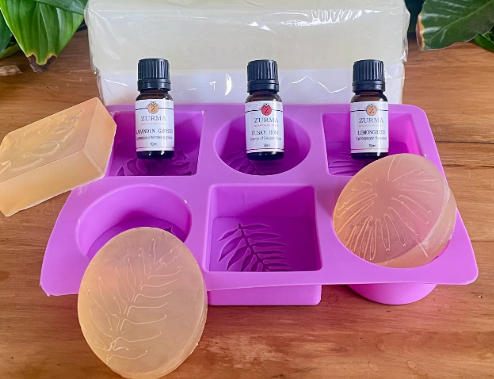
Masterbatch oil in soap making is a pre-mixed blend of base oils prepared in larger volume and stored for repeated use in multiple soap batches. Instead of weighing each individual oil every time, the soap maker pours a portion of the masterbatch oil and adds lye solution and any extra additives as needed. This approach saves time, reduces measurement errors, and ensures consistent quality across all production runs.[8][2][5][6]
A masterbatch is closely related to a soap base, but it usually contains only the oils and sometimes additives before lye is added, while a finished soap base has already been saponified. Many manufacturers use the term "base oil blend" or "masterbatch oil" for their internal pre-mixes that feed into production lines, whereas "soap base" typically refers to a ready-to-use, already-saponified product for melt-and-pour applications.[8][2][13][6]
Beginners typically buy masterbatch oil or pre-blended base oils from online soap supply stores and cosmetic ingredient websites that ship in small to medium quantities. These retailers provide detailed product descriptions, saponification data, usage instructions, and often video tutorials or customer support that help new soap makers start safely and successfully.[16][2][8][5][11]
A reliable masterbatch supplier offers clear technical documentation such as COA and SDS, consistent product specifications, and responsive technical support. Look for companies that can provide batch traceability, references or case studies with other personal-care or soap brands, and transparent communication about lead times and logistics. It is also helpful to request samples and conduct small-scale testing before committing to large orders.[12][15][6][11]
Yes, many soap makers and factories design custom masterbatch formulas by adjusting the ratios of hard and soft oils, as well as adding specialty ingredients for particular performance targets such as increased lather, conditioning, or hardness. Industrial suppliers and masterbatch manufacturers can also collaborate with your team to engineer a tailored blend that meets your application requirements and complies with regional regulations. Customization allows you to differentiate your product line and respond quickly to market trends.[2][8][17][5][12]
[1](https://www.youtube.com/watch?v=BwXUAem7GxQ)
[2](https://www.soapguild.org/tools-and-resources/resource-center/149/masterbatching/)
[3](https://www.soapmakingforum.com/threads/master-batch.80203/)
[4](https://www.youtube.com/watch?v=vCTNIt56Hbw)
[5](https://diynatural.com/masterbatch-soap-recipe/)
[6](https://www.modernsoapmaking.com/blog/creating-a-masterbatch-of-oils-soapmaker)
[7](https://www.reddit.com/r/soapmaking/comments/1244x0j/can_we_talk_about_masterbatching_oils/)
[8](https://www.cuttothetrace.com/2017/09/master-batching-for-beginners/)
[9](https://www.soapmakingfriend.com/forum/threads/how-to-use-the-master-batch-function.701/)
[10](https://www.youtube.com/watch?v=yGYLP9Ht-Bk)
[11](https://www.chemistrystore.com/Products_Soap_Making_Supplies.html)
[12](https://bdplastofilms.com/application/hygiene-and-personal-care/)
[13](https://classicbells.com/soap/masterbatch.asp)
[14](https://mastersoapmakers.com/private-label/)
[15](https://broadwaycolours.com/about-us/working-with-brands/)
[16](https://makesy.com/collections/soaps)
[17](https://hubron.com/market-segments/consumer-goods/)
[18](https://punyamasterbatches.com/industries/beauty-personal-care/)
[19](https://www.youtube.com/watch?v=xrENwSyj6Tk)


