


close
Choose Your Site
Global
Social Media


Views: 222 Author: Rebecca Publish Time: 2025-12-21 Origin: Site


Content Menu
● Understanding Virgin Plastic Material
● The Difference Between Virgin and Recycled Plastic
● Why Manufacturers Prefer Virgin Plastic
>> 3. Superior Processing Stability
● Common Types of Virgin Plastic Materials
>> Polyethylene Terephthalate (PET)
● The Role of Masterbatch in Virgin Plastic Applications
>> Key Types of Masterbatch for Virgin Plastic:
● Environmental Impact and Sustainability Considerations
● Applications of Virgin Plastic in Global Industries
>> Electronics and Electrical Components
>> Construction and Infrastructure
● Quality Testing and Material Certification
● How Masterbatch Adds Value to Virgin Plastic Production
● Future Trends in Virgin Plastic and Masterbatch Innovation
● FAQ About Virgin Plastic Material
>> 1. What is the main advantage of virgin plastic?
>> 2. Can virgin plastic be mixed with masterbatch?
>> 3. Is virgin plastic environmentally friendly?
>> 4. What industries most commonly use virgin plastic?
>> 5. How do I choose the right masterbatch for virgin plastic?
In today's global manufacturing industry, plastic materials play a critical role in driving innovation, reducing production costs, and improving performance across multiple applications. Among the many types of plastic materials available, virgin plastic stands out for its purity, consistency, and high-quality performance. This material serves as the foundation of almost every plastic product manufactured today — from packaging and automotive components to construction materials and consumer goods.
As a company specialized in innovative plastic material development, masterbatch production, and customized plastic formulation, understanding the properties and applications of virgin plastic material is essential.

Virgin plastic refers to plastic resin that has never been processed or used before. It is produced directly from raw petrochemical feedstocks — such as natural gas, crude oil, or bio-based resources — without any recycled content.
The process of creating virgin plastic involves polymerization, where raw hydrocarbons are converted into polymers such as polyethylene (PE), polypropylene (PP), polyvinyl chloride (PVC), and polyethylene terephthalate (PET). These polymers serve as the base materials that can later be colored, stabilized, or modified with masterbatch to meet specific performance requirements.
Understanding the distinction between virgin and recycled plastic is critical in any manufacturing process.
- Virgin Plastic: Made from raw, unused feedstocks and exhibits excellent purity, mechanical strength, and color consistency.
- Recycled Plastic: Derived from previously used plastic waste that is reprocessed through washing, shredding, and melting. While more sustainable, it often has lower mechanical performance and limited suitability for precision applications due to contamination or degradation of polymer chains.
While both forms are valuable, many companies use masterbatch to enhance either virgin or recycled plastics — improving color dispersion, UV resistance, or flame retardancy.
Virgin plastic contains no contaminants or impurities, making it ideal for medical, food-contact, or high-performance applications. When combined with a color masterbatch, it delivers a uniform and predictable result across production batches.
Products made from virgin resin generally show better strength, impact resistance, and weatherability compared to those from recycled materials. This strength is especially important in automotive components, building materials, and protective packaging.
During manufacturing, virgin plastic melts and flows more consistently through extrusion and injection molding machines. This stability simplifies processing and ensures that masterbatch additives such as colorants or UV stabilizers disperse evenly.
In industries with strict regulatory standards — such as food packaging or pharmaceuticals — virgin plastic ensures safe, compliant, and traceable material sources.
Used widely in films, containers, and pipes, polyethylene offers excellent flexibility and chemical resistance. Adding masterbatch allows the modification of color, flame resistance, and strengthening properties.
Polypropylene is valued for its toughness, lightweight, and resistance to heat. Manufacturers often blend PP with masterbatch to produce durable products for automotive parts, textiles, and industrial packaging.
PVC is extremely versatile and can be either rigid or flexible. Masterbatch additives, such as stabilizers or pigments, help manufacturers tailor the material to different construction, medical, or electrical applications.
Known for its clarity and strength, PET is commonly used in beverage bottles and films. Incorporating color masterbatch enhances aesthetics while maintaining transparency and structural integrity.
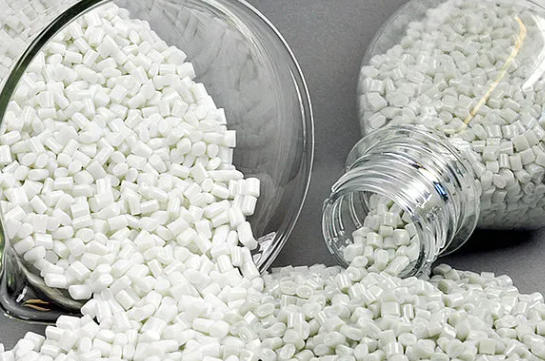
Masterbatch plays a critical role in transforming virgin plastic into functional, application-ready material. It is typically composed of high concentrations of additives or pigments dispersed in a carrier resin. Manufacturers use masterbatch to add color, UV protection, flame retardancy, or other functional enhancements.
1. Color Masterbatch: Adds uniform and consistent coloration to virgin polymers without compromising physical properties.
2. Additive Masterbatch: Provides functionalities like UV stabilization, anti-static behavior, or slip enhancement.
3. Filler Masterbatch: Reduces raw material cost by incorporating mineral fillers while maintaining performance.
4. White and Black Masterbatch: Essential for packaging, pipes, and film manufacturing, offering opacity and light stability.
When using virgin plastic with masterbatch, manufacturers achieve consistent coloring, superior mechanical strength, and longer product lifespans.
While virgin plastic is superior in quality, it raises sustainability questions. Many industries are now moving toward hybrid material solutions, which combine virgin plastic with recycled resins and masterbatch formulations to balance performance and environmental responsibility.
Key sustainable innovations include:
- Developing bio-based virgin polymers from renewable sources.
- Utilizing recycled-compatible masterbatch to maintain performance despite mixed feedstocks.
- Implementing closed-loop production systems where waste is captured, reprocessed, and enhanced using masterbatch technology.
By combining material science and sustainability goals, modern manufacturers can achieve both high performance and environmental responsibility.
Virgin plastic offers clarity, food safety, and strength for bottles, containers, films, and flexible packaging. Color and white masterbatch ensure vibrant designs and consistent branding across product lines.
High-strength virgin polymers modified with filler and additive masterbatches are widely used in dashboards, bumpers, and interior trims, balancing lightweight performance with durability.
Virgin plastics provide excellent insulation, flame resistance, and dimensional stability. Incorporating flame-retardant masterbatch helps products meet strict electrical safety standards.
PVC and PE virgin materials, enhanced with UV stabilizer masterbatches, are used in pipes, profiles, and outdoor components designed to withstand environmental stress.
From home appliances to toys and furniture, virgin plastic with color masterbatch guarantees stable performance, aesthetic quality, and long service life.
Using virgin plastic materials comes with stringent quality control processes. Reputable manufacturers conduct:
- Melt flow index testing to measure consistency.
- Tensile and impact tests for strength evaluation.
- Color dispersion testing when using masterbatch.
- Chemical resistance assessment for industrial applications.
Complying with standards like ROHS, REACH, and FDA regulations ensures product safety and international market acceptance.
In a competitive manufacturing environment, masterbatch integration into virgin plastic workflows creates measurable value:
- Reduces additive dosage errors.
- Improves production efficiency.
- Ensures consistent product quality.
- Simplifies material handling and storage.
- Enables fast product customization for clients.
This synergy between pure virgin resins and advanced masterbatch formulations allows manufacturers to create tailor-made plastic solutions for global customers.
As global industries prioritize sustainability, the future of virgin plastic depends on technological evolution and innovative masterbatch development. The next generation of bio-masterbatches, recycled-compatible colorants, and performance-enhancing additives will help manufacturers maintain material excellence while meeting environmental goals.
Leveraging AI-driven production control, precision compounding, and material simulation technologies, companies can create new polymer blends with optimized performance and reduced ecological impact.
Virgin plastic remains the cornerstone of modern manufacturing due to its purity, mechanical strength, and reliability. When integrated with masterbatch technology, it becomes an even more powerful material system capable of meeting the most stringent demands of various industries — from packaging and automotive to construction and consumer goods. As innovation continues, the collaboration between virgin plastic research and masterbatch formulation will define the next era of sustainable plastic materials.
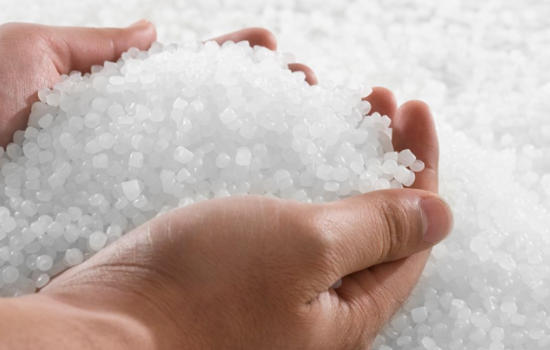
Virgin plastic offers unmatched purity, strength, and color consistency, making it perfect for applications that demand high performance and regulatory compliance.
Yes. Masterbatch enhances virgin plastic by adding color, UV resistance, or functional additives without affecting base polymer quality.
Not inherently, but using bio-based feedstocks and recyclable masterbatch systems improves its environmental footprint significantly.
It is widely used in packaging, automotive, electronics, construction, and consumer goods — particularly where precision and reliability are critical.
Choose a masterbatch compatible with the base resin and desired properties, such as color, heat resistance, or processing conditions.


