


close
Choose Your Site
Global
Social Media


Views: 222 Author: Rebecca Publish Time: 2025-12-21 Origin: Site


Content Menu
● Understanding TPO: Composition and Structure
● Key Properties of TPO Plastic Material
● TPO vs. Other Plastic Materials
● Major Applications of TPO Plastic
>> 2. Roofing and Construction
>> 4. Consumer and Household Goods
>> 5. Industrial and Electrical Components
● The Role of Masterbatch in TPO Development
>> Types of Masterbatch Used in TPO
● Sustainability and Recyclability Benefits
● Processing Techniques for TPO Materials
● Market Trends and Global Demand
● Advantages of Choosing Custom TPO with Masterbatch
● FAQs About TPO Plastic Material
>> 1. What does TPO stand for?
>> 2. How does Masterbatch improve TPO properties?
>> 3. Is TPO environmentally friendly?
>> 4. Can TPO replace PVC or rubber?
>> 5. What industries commonly use TPO materials?
Thermoplastic Olefin, commonly known as TPO, is a versatile plastic material that has become a key ingredient in modern manufacturing. It is widely used in the automotive, construction, and packaging industries due to its remarkable balance of performance, processability, and recyclability. TPO combines the advantages of polypropylene (PP) and rubber, delivering flexibility, durability, and cost-efficiency in one engineered solution.
As a professional manufacturer and supplier of innovative plastic compounds and Masterbatch solutions, our company specializes in customizing TPO materials and related products to meet the diverse needs of global clients.
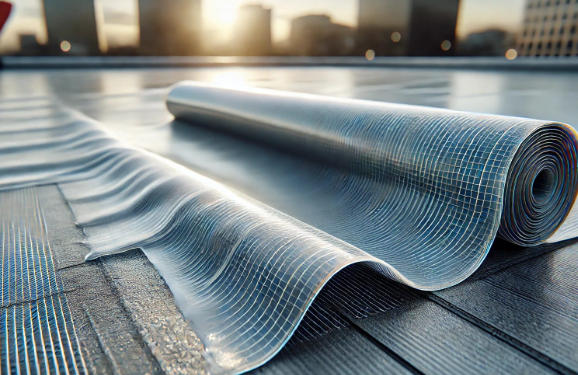
TPO plastic materials are heterogeneous blends of polypropylene and elastomeric materials such as EPDM (Ethylene Propylene Diene Monomer) or rubber. This unique structure imparts flexibility and impact resistance while maintaining thermoplastic processability.
Unlike thermoset rubbers that cannot be melted again after curing, TPO remains reprocessable and recyclable, offering both economic and environmental benefits. The addition of Masterbatch during compounding allows for precise control over color, UV stability, flame retardancy, and other key performance attributes.
TPO's market success is largely due to its balanced physical properties. Below are the features that make it an outstanding engineering material:
- Excellent Weather Resistance: TPO can endure UV radiation, rain, and temperature variation without cracking.
- Superior Impact Strength: Its elastomeric component absorbs impact energy and prevents breakage.
- Outstanding Chemical Resistance: It resists oils, acids, and solvents, making it ideal for industrial and outdoor use.
- Lightweight Composition: It reduces product weight compared to traditional rubbers and PVC.
- Recyclability: Waste TPO can be reprocessed and reused with little deterioration.
- Compatibility with Additives and Masterbatch: It can be easily colored or enhanced with stabilizing agents.
These advantages make TPO one of the most desirable materials for industries pursuing higher product performance and sustainability.
When compared with PP, PVC, or TPU, TPO provides a unique balance between flexibility and structural integrity.
| Material | Flexibility | Cost | Recyclability | Application Areas |
|---|---|---|---|---|
| TPO | High | Moderate | Excellent | Automotive, roofing, packaging |
| PP | Low | Low | Excellent | Containers, packaging, fibers |
| PVC | Moderate | Moderate | Poor | Pipes, films, medical products |
| TPU | Very High | High | Good | Footwear, cable jackets, seals |
The integration of Masterbatch technology further differentiates TPO. Through customized Masterbatch formulations, manufacturers can fine-tune properties such as anti-static performance, flame resistance, and weather stability, broadening the range of industrial applications.
TPO is extensively used in automotive bumpers, dashboards, door panels, and exterior trims. These components require high impact strength, UV resistance, and aesthetic surface quality. Color Masterbatch ensures consistent appearance and durability even under extreme outdoor conditions.
In roofing systems, TPO membranes provide waterproofing, flexibility, and long service life. They are reinforced with glass fibers or polyester fabric and often incorporate UV resistant Masterbatch for enhanced longevity.
TPO offers toughness and flexibility for protective packaging materials. It can be tailored using additive Masterbatch to improve transparency, color, or thermal stability, depending on specific product requirements.
TPO materials are replacing rubber and PVC in items such as mats, handles, footwear soles, and sporting goods. Custom Masterbatch solutions add anti-slip, antibacterial, or softness characteristics for greater user comfort.
Due to its dielectric stability and chemical resistance, TPO is also used in cable insulation, electrical housings, and flexible seals. Conductive Masterbatch can be added to meet anti-static or EMI shielding needs.
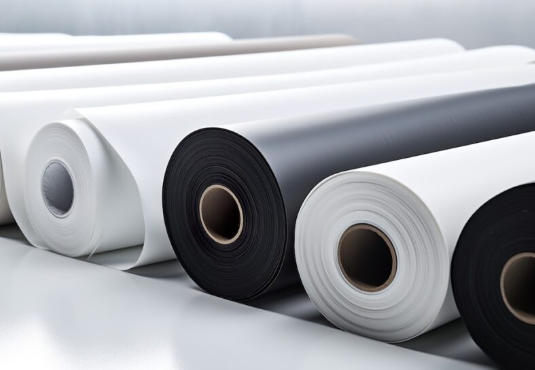
Masterbatch plays a central role in maximizing the efficiency and capability of TPO materials. During compounding, pigment or additive Masterbatch ensures a uniform dispersion of colorants or functional agents throughout the polymer matrix.
- Color Masterbatch: Delivers stable color consistency for automotive and consumer components.
- UV Stabilizer Masterbatch: Extends service life under sunlight exposure.
- Flame Retardant Masterbatch: Ensures safety compliance in building and electrical products.
- Antioxidant Masterbatch: Prevents degradation during high-temperature processing.
- Filler Masterbatch: Reduces cost and modifies mechanical strength.
Through proprietary compounding methods, our company tailors these Masterbatch formulations according to the physical and chemical demands of each customer's product.
One of the defining traits of TPO is its eco-friendly profile. Unlike thermoset rubber, TPO does not produce hazardous emissions during manufacturing and can be remelted for reuse.
By incorporating recycled PP and green Masterbatch, TPO compounds can achieve high environmental performance while maintaining mechanical integrity. This makes it an essential material for companies pursuing greener supply chains and circular economy initiatives.
TPO can be processed using standard plastic forming technologies such as:
- Injection Molding: For automotive parts and consumer products.
- Extrusion: For roofing sheets, profiles, and films.
- Thermoforming: For packaging and structural panels.
- Blow Molding: For containers and hollow shapes.
Each process can use different Masterbatch formulations to optimize surface quality, color uniformity, and performance under varying conditions.
In recent years, the demand for TPO compounds and Masterbatch has surged across automotive, packaging, and renewable construction sectors. The global market is projected to achieve a steady CAGR, driven by the push toward recyclable and lightweight materials.
Asia, particularly China, has evolved into a major production hub for customized TPO and advanced Masterbatch solutions. Our company contributes to this growth by delivering tailored formulations that meet both global standards and the specific requirements of regional clients.
When clients choose customized TPO from a specialized manufacturer, they benefit from:
- Tailor-Made Performance: Designed according to specific hardness, flexibility, or impact resistance.
- Enhanced Aesthetics: Controlled through premium color and additive Masterbatch.
- Efficient Production: Stable material flow and reduced waste during processing.
- Environmental Compliance: Meets REACH and RoHS standards.
- Cost Optimization: Balanced formula between virgin polymers, additives, and fillers.
Our R&D team collaborates closely with global partners to design high-performance TPO compounds that meet strict industry standards.
TPO plastic material represents the next-generation solution for durable, lightweight, and recyclable applications. Its combination of polypropylene and elastomer unlocks a wide array of industrial advantages—from automotive exteriors to roofing membranes and packaging materials.
The use of Masterbatch technology further enhances TPO performance, allowing manufacturers to produce consistent, high-quality, and sustainable products that align with today's environmental standards.
By investing in advanced compounding and custom Masterbatch design, our company commits to driving innovation in TPO material science, empowering clients with reliable and eco-conscious plastic solutions for the global market.
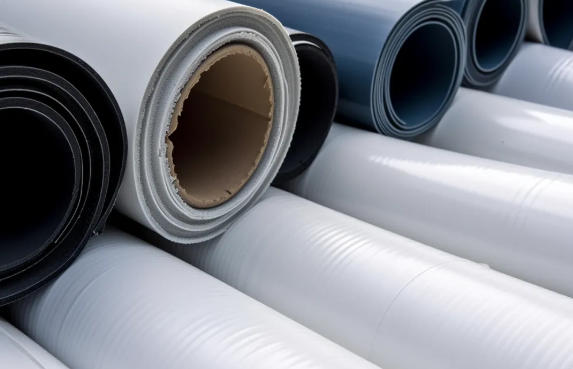
TPO stands for Thermoplastic Olefin, a blend of polypropylene and rubber that combines rigidity with flexibility and is widely used in automotive and construction applications.
Masterbatch allows precise control of color, UV resistance, flame retardancy, and strength, giving manufacturers greater flexibility in customizing TPO performance for specific uses.
Yes. TPO is recyclable and can be remelted for reuse. When combined with eco-friendly Masterbatch formulations, it becomes a sustainable alternative to non-recyclable rubbers.
In many applications, yes. TPO offers similar flexibility with lower density, better recyclability, and improved weathering performance compared to PVC or rubber.
TPO is extensively used in automotive manufacturing, roofing systems, packaging materials, electronic housings, flooring, and consumer goods.


