


close
Choose Your Site
Global
Social Media


Views: 222 Author: Rebecca Publish Time: 2025-12-18 Origin: Site


Content Menu
● Understanding TPE Plastic Material
>> 1. TPE-S (Styrenic Block Copolymers)
>> 2. TPE-O (Thermoplastic Olefin)
>> 3. TPE-U (Thermoplastic Polyurethane)
>> 4. TPE-A (Thermoplastic Copolyester Elastomer)
>> 5. TPE-V (Thermoplastic Vulcanizate)
● Key Characteristics of TPE Plastic
● How TPE Differs from Other Plastics
● Applications of TPE Plastic Material
● The Role of Masterbatch in TPE Manufacturing
>> 4. Custom Masterbatch Solutions
● TPE Processing and Manufacturing Techniques
● Environmental and Sustainability Aspects
● Advantages of Using TPE Over Rubber
● Selecting the Right TPE Compound
● Future Trends in TPE and Masterbatch Technology
● FAQ About TPE Plastic Material
>> 1. What is the main difference between TPE and TPU?
>> 2. Can TPE be colored easily using Masterbatch?
>> 4. What are the key industries that use TPE materials?
>> 5. How does Masterbatch enhance TPE performance?
In the global plastics industry, TPE (Thermoplastic Elastomer) has become one of the most versatile and innovative materials. Known for combining the elasticity of rubber with the processability of thermoplastics, TPE has reshaped modern manufacturing. From automotive interiors and medical devices to consumer electronics and packaging, TPE plays a key role in countless industries.
This article explores what TPE plastic material is, its types, processing methods, advantages, and the critical role of Masterbatch in enhancing its properties and appearance.

Thermoplastic Elastomer (TPE) is a polymer material that behaves like rubber but can be processed using conventional thermoplastic techniques such as injection molding and extrusion. Unlike traditional rubber, TPE does not require vulcanization — which saves both time and production costs.
TPE is essentially a combination of plastic and elastomer components, designed to offer the flexibility, durability, and recyclability demanded by modern applications.
The secret to TPE's performance lies in its molecular structure. It consists of hard thermoplastic segments that provide mechanical strength and soft elastomeric segments that deliver flexibility and elastic recovery.
There are several major types of TPE, each with unique performance attributes tailored for different industries.
TPE-S is one of the most widely used types of TPE. It includes materials such as SBS (Styrene-Butadiene-Styrene) and SEBS (Styrene-Ethylene-Butylene-Styrene). These materials have excellent elasticity, easy processing, and good surface finish.
TPE-S is popular in consumer goods, toy manufacturing, and soft-touch grips for electronic devices. Using a color masterbatch allows manufacturers to achieve bright, precise color consistency across large production runs.
TPE-O is a blend of polypropylene and ethylene-propylene rubber. It provides a good balance of flexibility and cost-effectiveness, making it suitable for automotive bumpers, gaskets, and seals. TPE-O can be efficiently processed by extrusion and injection molding.
Adding functional masterbatches, such as UV stabilizers and flame retardant concentrates, can enhance TPE-O's environmental resistance and safety performance.
TPE-U, or TPU, has excellent wear resistance, oil resistance, and elasticity. It is commonly found in cables, footwear soles, and hydraulic seals. With a proper TPU masterbatch, manufacturers can adjust hardness, transparency, or anti-yellowing performance to meet specific application requirements.
This type is recognized for its superior temperature resistance and mechanical strength. TPE-A is commonly used in automotive belts, connectors, and high-performance engineering components.
Special reinforcement masterbatches or color masterbatches can be used to maintain high mechanical stability while ensuring visual uniformity.
TPE-V is a dynamic vulcanizate blend of EPDM rubber and polypropylene. It combines the elasticity of rubber with the high heat resistance of thermoplastics. Typical applications include automotive weather seals and under-hood components.
During TPE-V compounding, the addition of processing aid masterbatches helps optimize material flow and reduce injection pressure, leading to smoother production efficiency.
TPE plastic materials have several inherent advantages that make them a go-to choice for manufacturers worldwide.
- Elasticity: Returns to its original shape after stretching or deformation.
- Lightweight: Lower density compared to traditional rubber.
- Recyclable: Can be reprocessed multiple times without significant loss of properties.
- Chemical resistance: Withstands oils, greases, and various chemicals.
- Soft touch feeling: Especially favored for consumer product design.
- Customizable color: Color and appearance can be perfectly controlled through color masterbatches.
These features, combined with the ease of recycling, contribute to the material's growing role in sustainable development.
While both TPE and traditional plastics belong to the thermoplastic family, TPE distinguishes itself through its rubber-like flexibility and reversible deformability.
- Compared with traditional rubber, TPE can be processed at lower cost and shorter cycle times.
- Compared with conventional plastics, TPE offers superior softness and impact resistance.
This balance between flexibility and performance is what makes TPE an ideal choice for manufacturers looking for an efficient alternative to rubber.
TPE materials are used across a wide range of industries:
- Automotive industry: Airbag covers, seals, pedals, and weather strips.
- Medical devices: Catheters, grips, and gaskets requiring biocompatibility.
- Consumer electronics: Soft-touch phone cases and cable protection.
- Household products: Toothbrush handles, kitchen tools, and grips.
- Sports and footwear: Shoe soles, bands, and protective equipment.
For each of these applications, TPE masterbatch formulation plays an important role in achieving the desired color, texture, and functionality.
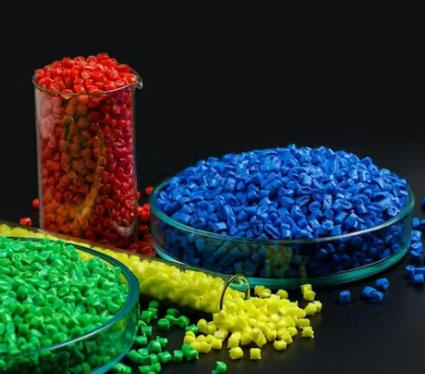
A Masterbatch is a concentrated mixture of pigments, additives, and carrier resin used to color or modify polymers during the manufacturing process. In TPE production, it simplifies the production line, reduces waste, and ensures consistent results.
Widely used to provide vibrant, stable, and uniform coloration for TPE products. The color masterbatch allows adjustment of gloss, opacity, and tone, ensuring aesthetic appeal without compromising performance.
Includes UV stabilizers, flame retardants, anti-static agents, and lubricants. These additive masterbatches extend the lifespan and durability of TPE products under harsh environments.
Used to adjust hardness, density, or cost structure. In TPE injection molding, filler masterbatch can control mechanical performance and reduce production cost.
Manufacturers can also rely on custom TPE masterbatches to meet unique application needs — for example, combining multiple additives like colorant plus anti-aging stabilizers in one masterbatch to simplify processing.
TPE can be processed using standard thermoplastic techniques:
- Injection molding: For complex shapes and detailed designs.
- Extrusion: Used for continuous profiles, cables, and tubing.
- Blow molding: Suitable for lightweight packaging.
- Thermoforming: For forming flexible sheets.
During production, adding the right masterbatch formulations ensures smooth material flow, stable color, and precise property control.
Processing temperature typically ranges between 160°C and 260°C, depending on the type of TPE. The processing parameters can be easily adjusted, making TPE ideal for mass production.
Sustainability is a growing concern across industries, and TPE meets this challenge impressively. Because TPE is fully recyclable, manufacturers can reuse production scrap and regrind materials. This reduces waste and improves cost-efficiency.
In combination with biodegradable masterbatches or eco-friendly colorants, TPE products can achieve greater environmental compatibility. Moreover, TPE requires no vulcanization or chemical curing, drastically reducing energy consumption and emissions.
More companies now choose bio-based TPE compounds reinforced with natural fillers or green masterbatch technologies to align with eco-conscious market demands.
Choosing TPE over traditional rubber offers an obvious set of benefits:
1. Simplified processing – No vulcanization needed.
2. Material recyclability – Supports circular production.
3. Design flexibility – Easily molded into complex products.
4. Consistent quality – Supported by precision dosing of masterbatch additives.
5. Lower production cost – Reduced cycle time and energy input.
These benefits make TPE the leading material in modern, efficiency-driven manufacturing lines worldwide.
Selecting the most suitable TPE compound depends on several factors:
- Application temperature range.
- Required hardness (measured in Shore A).
- Elastic recovery rate.
- Chemical exposure conditions.
- Aesthetic requirements (transparency, color, gloss).
Working with a reliable Masterbatch supplier can help customize TPE compounds effectively. Through expert formulation, you can ensure that material performance aligns exactly with your product's function, feel, and safety requirements.
The future of the TPE industry is closely tied to innovation in Masterbatch technology.
Several key trends are reshaping the market:
- Bio-based TPE materials derived from renewable resources.
- Smart masterbatch formulations integrating multiple additives.
- Antimicrobial and anti-UV masterbatches for health and outdoor applications.
- Advanced color matching systems using AI to ensure precision.
- Recyclable packaging and eco masterbatches promoting sustainability.
As global industries push toward greener production, the integration of advanced masterbatch technology will continue to define the next generation of TPE applications.
TPE plastic material represents a groundbreaking fusion of flexibility, durability, and environmental responsibility. It provides all the comfort and elasticity of rubber while maintaining the processability and efficiency of plastics. The integration of Masterbatch solutions — from color and additive to customized formulations — greatly enhances the functional, visual, and sustainable performance of TPE across industries.
For companies seeking innovative, cost-effective, and eco-friendly materials, TPE stands out as a future-ready solution. Whether in automotive, electronics, packaging, or healthcare, TPE combined with the right Masterbatch can turn creative ideas into practical realities.
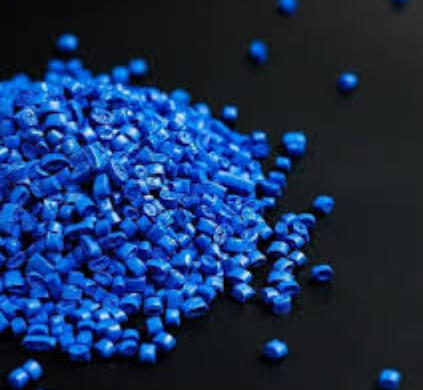
TPE is a broad category of thermoplastic elastomers, while TPU (TPE-U) is a specific type known for superior wear and oil resistance. TPU is often used for cables, shoes, and seals where strength and flexibility are both essential.
Yes, TPE can be precisely colored with high-performance color masterbatches. These masterbatches provide consistent coloration, UV stability, and gloss control during processing.
Absolutely. TPE is 100% recyclable and can be reprocessed multiple times without major degradation. Using recycled masterbatch further improves sustainability.
TPE is widely applied in automotive, consumer electronics, medical, footwear, and packaging industries due to its elasticity, soft touch, and high performance.
Masterbatch enhances TPE by improving color uniformity, UV resistance, flame retardancy, and process flow. Custom masterbatches can also reduce manufacturing costs and optimize performance for specific applications.


