


close
Choose Your Site
Global
Social Media


Views: 222 Author: Rebecca Publish Time: 2025-11-28 Origin: Site


Content Menu
● How to Define “Strongest” in Plastics
● Categories of Strong Plastic Materials
● High‑Performance Plastics: The Top Contenders
>> Polyetheretherketone (PEEK)
>> Polyphenylene Sulfide (PPS)
● Strong Engineering Plastics for Everyday Use
>> Acetal (POM), PET, and Other Engineering Plastics
● How Masterbatch Enhances Plastic Strength
>> Mechanical Performance Masterbatch
>> Color and Functional Masterbatch in Strong Plastics
● Designing with the Strongest Plastic Materials
>> Balancing Strength With Other Requirements
>> Typical Applications of Strong Plastics
● Which Plastic Is “Strongest” Overall?
● FAQ
>> 1. What is the strongest plastic by tensile strength?
>> 2. Which plastic has the best impact resistance?
>> 3. How does Masterbatch help improve plastic strength?
>> 4. Can strong plastics replace metals in structural parts?
>> 5. How should designers choose the right strongest plastic?
Choosing the “strongest plastic material” is not as simple as naming a single polymer. Strength can mean tensile strength, impact resistance, stiffness, fatigue performance, or resistance at high temperature, and different plastics lead in different categories. In real engineering projects, designers select from a family of high‑performance plastics—such as PAI, PEEK, PEI and polycarbonate—and then optimize properties using reinforcements and tailored Masterbatch systems to meet the exact performance target.[1][3][4][5]
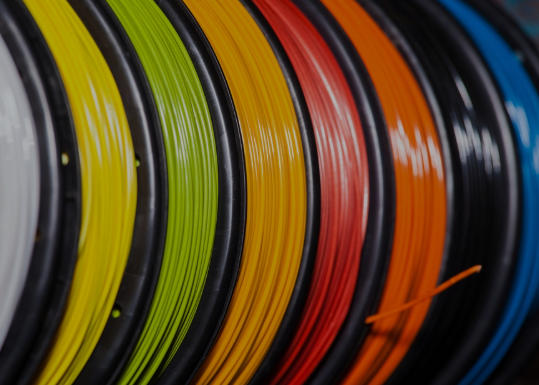
“Strongest” can refer to the highest tensile strength (resistance to being pulled apart), the best impact toughness (resistance to sudden shock), the highest stiffness, or the ability to keep these properties at elevated temperatures. Engineering plastics and high‑performance plastics are specifically formulated to deliver higher strength, stiffness, and toughness than commodity materials like standard polypropylene or polyethylene.[5][7][10][1]
In practice, engineers also consider fatigue resistance, creep resistance under long‑term load, friction and wear behavior, chemical resistance, and dimensional stability when defining “strongest” for a particular design. On top of the base resin properties, the formulation of additives and functional Masterbatch plays an essential role in determining the final part's performance window.[4][8][5]
Plastics used in demanding applications fall roughly into three groups: commodity plastics, engineering plastics, and high‑performance plastics, each offering a different strength–cost balance. Commodity plastics such as PP and HDPE offer acceptable toughness and low cost, engineering plastics like polycarbonate, ABS, acetal, and nylon give higher mechanical performance, and high‑performance plastics such as PAI, PEEK, PEI and PPS deliver exceptional strength and stability in extreme environments.[7][10][4][5]
Among these, engineering and high‑performance plastics are the main candidates when designers ask, “What is the strongest plastic material?” These materials are often combined with glass fiber, carbon fiber, mineral fillers and high‑performance Masterbatch solutions to achieve targeted strength, stiffness and durability.[10][4][5]
Polyamide‑imide (often known under trade names like Torlon) is frequently cited as one of the strongest unreinforced thermoplastics, with very high tensile strength, stiffness, and excellent retention of properties at elevated temperatures. PAI is used in high‑load bearings, gears, bushings, and aerospace components where metals are being replaced to save weight while maintaining structural performance.[3][1][5]
In many critical applications, PAI is combined with glass or carbon fibers and advanced Masterbatch packages that stabilize color and thermal performance, ensuring consistent properties over long service life. These fiber‑reinforced and Masterbatch‑modified grades can outperform many metals in strength‑to‑weight ratio under specific conditions.
PEEK is a flagship high‑performance engineering plastic known for its excellent combination of high tensile strength, stiffness, fatigue resistance, and outstanding thermal and chemical stability. It can retain mechanical performance at temperatures up to around 250 °C and withstand aggressive chemicals, making it popular in aerospace, oil and gas, and medical device components.[3][4][5]
When reinforced with glass or carbon fiber and combined with functional Masterbatch, PEEK can reach extremely high specific strengths and exceptional fatigue life in harsh environments. These Masterbatch‑based solutions may also include lubricating additives or wear‑resistant modifiers to optimize tribological performance for gears, bushings, and sliding elements.
Polyetherimide (PEI, often branded as Ultem) provides high tensile strength, good stiffness and excellent heat resistance, positioned just below PEEK in many property charts but usually at lower cost. PEI offers high dielectric strength and inherent flame resistance, so it is widely used in electrical, electronic and aerospace parts that must pass strict flammability and insulation standards.[1][4][3]
PEI compounds formulated with Masterbatch technology can integrate flame retardants, UV stabilizers, colorants and processing aids in a controlled way, enabling stable mechanical and electrical performance over time. Such PEI‑based Masterbatch solutions are valuable for thin‑wall parts where ignition resistance and mechanical strength must be carefully balanced.
PPS is another high‑performance thermoplastic that combines good strength, dimensional stability, and excellent chemical and thermal resistance. It is used in under‑the‑hood automotive parts, pump components, and electrical connectors exposed to high temperature and aggressive media.[5][3]
Masterbatch formulations for PPS often focus on heat stabilization, flame retardancy and color, ensuring that parts keep both their mechanical and aesthetic properties after long‑term exposure to heat and chemicals. Combining PPS with glass fiber and optimized Masterbatch makes it a robust candidate for strong, dimensionally stable components.
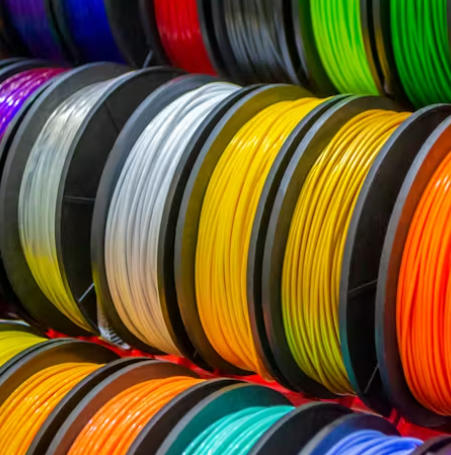
Polycarbonate is renowned for its exceptional impact resistance along with good tensile strength, making it one of the toughest transparent plastics available. It is widely used in safety glazing, protective shields, helmets, machine guards, and electronic housings where resistance to cracking under impact is critical.[11][12][4]
Polycarbonate's performance can be tuned with UV‑stabilizing Masterbatch for outdoor use, flame‑retardant Masterbatch for electrical and building applications, and color Masterbatch for branded consumer products. This flexibility allows PC to deliver strong mechanical performance along with long‑term optical and color stability.
Nylon (e.g., PA6, PA66) offers an attractive combination of tensile strength, toughness, and good fatigue resistance, making it a workhorse engineering plastic for structural parts. It is commonly used for gears, bearings, housings, and under‑the‑hood automotive components that must handle cyclic loads and moderate temperatures.[9][4][1]
Nylon materials benefit greatly from glass or carbon‑fiber reinforcement and from Masterbatch systems containing lubricants, impact modifiers, and stabilizers. Such Masterbatch‑enabled modifications help overcome nylon's moisture sensitivity and ensure more predictable mechanical properties in real service conditions.
Acetal (POM) combines good strength, stiffness, and low friction, making it ideal for precision gears, valves, and mechanical components requiring dimensional accuracy and wear resistance. PET and PETG offer good toughness and chemical resistance, and are widely used in packaging, mechanical parts, and medical trays.[4][9]
Masterbatch solutions for these plastics often incorporate nucleating agents, slip additives, antioxidants, and colorants, which collectively influence crystallization, friction behavior and long‑term strength. By controlling the Masterbatch type and dosing, manufacturers can tune the balance between stiffness, toughness and processability.
Masterbatch is a concentrated mixture of pigments and/or performance additives encapsulated in a carrier resin that is compatible with the target polymer. It is supplied as pellets that are metered into the base plastic during processing to impart color or functional properties such as UV resistance, flame retardancy, antistatic behavior, or mechanical enhancement.[13][14][15]
Instead of handling powders or liquids, processors use Masterbatch to improve dosing accuracy, dispersion quality, cleanliness, and repeatability. This approach is especially important for high‑strength plastics, where poor dispersion of additives or fillers can create weak spots that reduce strength and impact resistance.
Special Masterbatch systems are designed specifically to influence mechanical performance by modifying the polymer's morphology and reducing defects. Typical ingredients include impact modifiers, nucleating agents, coupling agents for glass or mineral fillers, lubricants, and anti‑oxidants. When these additives are properly dispersed via Masterbatch, they can increase impact strength, improve fatigue life, reduce stress whitening, and stabilize properties over long service periods.[14][15][16]
For example, adding impact‑modifier Masterbatch to polycarbonate, ABS, or PP can significantly improve low‑temperature impact resistance and reduce brittle fracture. Similarly, nucleating‑agent Masterbatch in semi‑crystalline polymers like PEEK, nylon, or PP can refine spherulite size, improving stiffness and sometimes strength.
Beyond mechanical enhancement, strong plastics frequently need color for branding and functional identification, as well as special properties like UV stability, flame retardancy or conductivity. Color Masterbatch allows manufacturers to achieve accurate, repeatable shades without sacrificing mechanical strength, because the pigment and dispersing system are carefully matched to the base resin.[15][13][14]
Flame‑retardant Masterbatch can be tailored for materials like PEI, PC, or nylon to meet regulatory standards while preserving as much mechanical integrity as possible. Conductive or antistatic Masterbatch enables strong plastics to dissipate electrostatic charge in electronic housings or clean‑room components, again without heavily compromising structural performance when properly formulated.
When designing with high‑strength plastics, engineers must balance mechanical properties with processing, cost, and regulatory requirements. A material like PAI or PEEK may provide outstanding tensile strength and thermal stability, but it is more expensive and demands tighter processing windows than more common plastics like PC or nylon. For many parts, a reinforced nylon, PC‑ABS blend, or PPS may offer the best compromise between strength, manufacturability, and total cost.[3][4][5]
Masterbatch plays a strategic role in this optimization. Instead of stocking many separate compounded grades, a processor can use a base high‑strength resin and apply different Masterbatch packages to adjust color, UV stability, flame behavior, impact resistance, or processing aid level according to each customer's specification. This makes strength customization more flexible and economical.
Strong plastics are used wherever metals or brittle materials cannot deliver the required combination of weight, corrosion resistance and design freedom. Typical applications include high‑load gears and bushings in machinery, under‑the‑hood automotive parts, structural aerospace components, medical implants and instruments, and high‑performance electrical and electronic housings. Many of these applications require parts to operate at elevated temperature, under constant vibration or in aggressive chemical environments, conditions where high‑performance plastics excel.[7][4][5][3]
In packaging, filtration systems, and fluid‑handling components, strong plastics like PPS, reinforced PP and specialized nylons provide structural stability along with chemical resistance. Here, carefully selected Masterbatch systems ensure long‑term color stability, UV resistance and mechanical reliability, aligning performance with regulatory and branding requirements.
If the focus is pure tensile strength in unreinforced thermoplastics, polyamide‑imide (PAI) is often regarded as the strongest plastic, followed closely by high‑performance materials like PEEK and PEI. When the primary requirement is impact resistance, polycarbonate and certain modified blends stand out as some of the toughest options available for real‑world products.[12][11][1][4][5][3]
However, the “strongest plastic material” in a real project is the one that delivers the best combination of strength, stiffness, impact toughness, fatigue resistance, chemical and thermal stability, processability and overall cost for the given design. Masterbatch solutions allow manufacturers and designers to take an already strong plastic and fine‑tune its behavior—mechanical, optical, and functional—to match demanding application profiles in industries from aerospace to consumer goods.
There is no single strongest plastic material for every situation, but there is a clear group of leading candidates: PAI, PEEK, PEI, PPS and other high‑performance plastics for extreme tensile and thermal demands, and impact‑resistant materials like polycarbonate and toughened engineering plastics for shock‑loaded applications. By selecting an appropriate base resin and then applying carefully engineered Masterbatch—whether for mechanical enhancement, color, UV resistance or flame retardancy—manufacturers can create customized plastic solutions that rival or surpass metals in strength‑to‑weight ratio while offering design freedom and efficient processing.[8][16][10][14][15][1][4][5][7][3]
For a company specializing in innovative plastic materials, mastering both high‑performance polymers and advanced Masterbatch technologies is the key to delivering tailored, high‑strength plastic parts that meet strict performance standards across global markets. This combination enables reliable, repeatable production of strong, durable, and application‑specific plastic components.
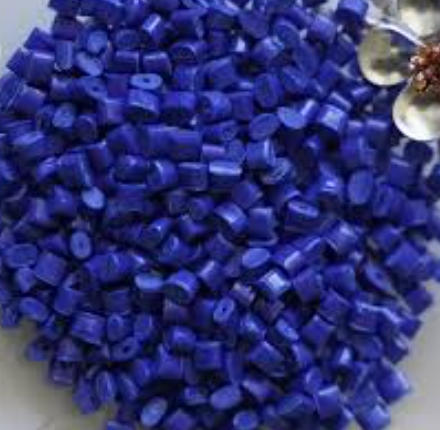
Polyamide‑imide (PAI) is often considered the strongest unreinforced thermoplastic in terms of tensile strength, retaining high stiffness and mechanical stability even at elevated temperatures. In many demanding applications, PAI is further reinforced with fibers and supported by performance Masterbatch to deliver even higher effective strength and durability.[1][5][3]
Polycarbonate is widely recognized for outstanding impact resistance while maintaining good tensile strength and dimensional stability, so it is commonly used for safety glazing, guards, and protective equipment. Impact‑modified grades, created using specialized Masterbatch packages, can further boost toughness and low‑temperature performance.[11][12][4]
Masterbatch enables precise dosing and uniform dispersion of impact modifiers, nucleating agents, stabilizers, and fillers within the base resin, all of which strongly influence strength and toughness. This improved dispersion minimizes weak points and allows manufacturers to adjust mechanical properties while keeping processing stable and predictable.[16][14][15]
Yes, high‑performance plastics such as PAI, PEEK, PEI, PPS and reinforced nylons increasingly replace metals in gears, bushings, brackets, and housings where weight reduction, corrosion resistance and design flexibility are priorities. With the right reinforcement and Masterbatch formulation, these plastics can offer excellent strength‑to‑weight ratios and long‑term reliability.[4][5][7][3]
Designers should start from the application's load profile, temperature range, chemical exposure, required lifetime and regulatory constraints, then compare candidate plastics on tensile strength, impact resistance, fatigue and process compatibility. Partnering with material suppliers who can offer customized Masterbatch and compound solutions helps ensure that the selected strong plastic meets mechanical targets while also delivering the desired color, stability and processing efficiency.[8][5][7][4]
[1](https://www.samaterials.com/blog/top-5-high-tensile-strength-plastics-explained.html)
[2](https://www.lincoln-plastics.com/news-post/comparing-the-strongest-plastics-acetal-nylon-and-polycarbonate?dcc2137a_page=34)
[3](https://www.plasticmachininginc.com/comparing-high-performance-engineering-plastics/)
[4](https://www.piedmontplastics.com/blog/engineering-plastics-comparison)
[5](https://ud-machine.com/blog/what-is-the-strongest-engineering-plastic/)
[6](https://www.reddit.com/r/AskEngineers/comments/13903v3/strongest_and_most_impact_resistant_injection/)
[7](https://www.xometry.com/resources/materials/all-about-engineering-plastics/)
[8](https://www.ensingerplastics.com/en-us/plastic-material-selection/good-mechanical-properties)
[9](https://www.simplyplastics.com/ideas-and-advice/engineering-plastics-a-guide-to-acetal-nylon-polyethylene-pe-polypropylene-pp-and-peek)
[10](https://en.wikipedia.org/wiki/High-performance_plastics)
[11](https://www.piedmontplastics.com/blog/impact-resistant-plastic)
[12](https://otivic.com/top-7-strongest-plastics/)
[13](https://en.wikipedia.org/wiki/Masterbatch)
[14](https://broadwaycolours.com/what-is-masterbatch/)
[15](https://deltatecnic.com/complete-guide-to-masterbatch/)
[16](https://www.tosaf.com/article/plastic-masterbatch-article/)


