


close
Choose Your Site
Global
Social Media


Views: 222 Author: Rebecca Publish Time: 2025-11-27 Origin: Site


Content Menu
● Basic Meaning of Masterbatch
● Key Components and Structure of Masterbatch
● Main Functional Types of Masterbatch
>> White and Black Masterbatch
>> Specialty and Effect Masterbatch
● Masterbatch Manufacturing Process
● How Masterbatch Is Used in Production
● Industrial Applications of Masterbatch
● Advantages of Using Masterbatch
● Masterbatch Versus In-House Compounding
● Sustainability and Innovation in Masterbatch
● FAQ
>> 1. What is the simple definition of masterbatch?
>> 2. Why do manufacturers use masterbatch instead of pigments?
>> 3. What are the main types of masterbatch available?
>> 4. How do I choose the right masterbatch for my application?
>> 5. Can masterbatch be used with recycled plastics?
Masterbatch is a highly concentrated blend of pigments and/or functional additives that is dispersed in a carrier resin and then dosed into a base polymer to change its color or performance. It provides a clean, accurate, and efficient way to introduce color and special properties into plastic products without handling loose powders. Masterbatch is now a core technology in modern plastics processing because it simplifies formulation, improves consistency, and supports a very wide range of industrial applications.
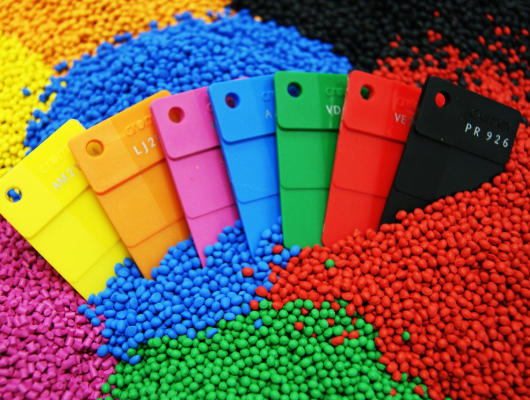
In everyday production language, the meaning of masterbatch is “a concentrated plastic additive in pellet form used to color plastics or modify their properties.” Masterbatch combines pigments, fillers, and functional additives with a compatible carrier polymer, for example polyethylene (PE), polypropylene (PP), polystyrene (PS), PVC, PET, or other resins. When a small percentage of masterbatch is mixed with natural polymer granules and melted together, the additives and colorants in the masterbatch are evenly distributed throughout the final plastic part. This allows processors to achieve exact shades, levels of opacity, and specific performance enhancements without re-engineering the entire base resin.
To understand the full meaning of masterbatch in technical terms, it is important to look at its internal structure. A typical masterbatch is made of three main components: the carrier resin, the active ingredients (pigments and/or additives), and auxiliary processing aids. The carrier resin is selected to be compatible with the customer's main polymer so that the masterbatch disperses easily and does not weaken mechanical properties. The active ingredients give the masterbatch its function, such as color, UV resistance, flame retardancy, anti-static behavior, antimicrobial activity, slip, anti-block, or other effects. Processing aids help wet the pigments, break down agglomerates, and keep the melt stable, so that the masterbatch performs consistently under real production conditions.
Because the active ingredients are encapsulated and pre-dispersed in the carrier polymer, a masterbatch can contain very high concentrations compared with the final plastic article. This means the processor only needs a small “let-down” amount, such as 2–5% of masterbatch, to reach the required effect in the final product. The high loading combined with good dispersion is a central part of why the plastics industry relies on masterbatch instead of simple powder additions.
Color masterbatch is the most widely recognized type and is dedicated to giving plastics a specific, repeatable color. It uses organic and inorganic pigments, and sometimes dyes, dispersed in a suitable carrier resin. By adjusting pigment types and ratios, the masterbatch manufacturer can match corporate colors, brand standards, RAL or Pantone tones, transparent or opaque effects, and special visual appearances.
Color masterbatch allows processors to move quickly between different product colors without complex cleaning or reformulation. Instead of weighing powders for every batch, the operator simply adjusts the dosing percentage of the color masterbatch. This reduces color variation, minimizes dust, and improves working conditions, while also increasing repeatability of the final color from lot to lot.
Additive masterbatch focuses on performance rather than appearance. It contains functional ingredients designed to improve how the plastic behaves during processing or during its service life. Typical additive masterbatch families include UV-stabilizer masterbatch for outdoor durability, flame-retardant masterbatch for fire safety, anti-static masterbatch for electronic and packaging applications, slip and anti-block masterbatch for film handling, anti-fog masterbatch for food packaging, and antimicrobial masterbatch for hygiene-sensitive products.
By adding the right additive masterbatch, a manufacturer can upgrade an existing polymer grade without changing the base resin supply. This is often far more flexible than ordering many different customized polymer grades from raw material suppliers. The same natural polymer can be combined with different masterbatch recipes to serve different markets or standards.
White masterbatch normally contains a high proportion of titanium dioxide (TiO₂), which provides strong hiding power, whiteness, and light stability. It is widely used in films, injection-molded items, extruded profiles, and nonwovens where opacity, brightness, and UV protection are necessary. The high TiO₂ content inside the white masterbatch means the processor can precisely set film opacity or part whiteness by simply adjusting dosage.
Black masterbatch is usually based on carbon black pigment dispersed in a carrier resin. It delivers deep black color, excellent light barrier properties, and, in many cases, improved weathering resistance. In cable sheathing, agricultural films, pipes, and technical components, black masterbatch protects the polymer from UV degradation and can also support electrical or antistatic functions when formulated correctly.
Filler masterbatch uses mineral fillers such as calcium carbonate, talc, or other inorganic powders combined with a polymer carrier. Its main purpose is to reduce cost per kilogram of finished product, adjust stiffness or density, and in some cases improve processing behavior. When used correctly, filler masterbatch can help stabilize the film bubble, reduce shrinkage, improve printability, or enhance surface properties, depending on formulation and application.
For many high-volume products like shopping bags, trash liners, rigid containers, or thermoformed sheets, filler masterbatch provides a balance between mechanical performance and material cost. It allows processors to fine-tune the final recipe without re-blending multiple raw powders on site.
Specialty masterbatch includes a wide range of visual and technical effects that go beyond standard color or simple additives. This group covers pearlescent masterbatch, metallic masterbatch, marbled or granite effects, fluorescent and phosphorescent masterbatch, glitter masterbatch, and various anti-counterfeit systems. On the functional side, there are also conductive and dissipative masterbatch solutions, high-heat masterbatches for demanding environments, and tailor-made masterbatch packages for regulated markets like food contact or medical devices.
By using such specialty masterbatch, brands can differentiate their products through appearance and tactile feel, while converters can still run standard resins on standard processing lines. This flexibility is a major part of the modern meaning of masterbatch for brand owners and converters.
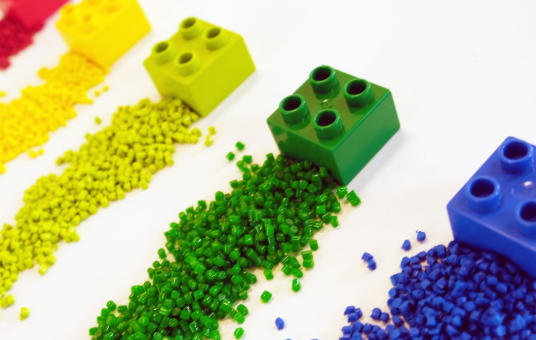
To create a high-quality masterbatch, manufacturers follow a controlled production process that typically includes raw material selection, weighing, premixing, extrusion, cooling, pelletizing, and quality control. First, pigments, fillers, and functional additives are carefully selected for compatibility with the target polymer and application. These materials are weighed according to a precise formulation and premixed with the carrier polymer in powder or granule form.
The premix is then fed into a compounding extruder—often a twin-screw or, for some high-filled grades, a three-screw design—where the materials are melted, intensively mixed, and homogenized. High shear ensures that pigment agglomerates are broken up and that additives are uniformly dispersed in the molten carrier resin. After exiting the extruder, the hot masterbatch strand is cooled, usually in a water bath or by air, and then cut into pellets or granules.
Quality control tests are performed to check color strength, dispersion quality, melt flow index, mechanical impact on the base resin, and specific functional parameters such as UV stability, flame-retardant performance, or electrical properties. Only masterbatch lots that meet the agreed specification for masterbatch performance are packaged and shipped. This process-driven approach is essential to ensure that the meaning of masterbatch in the market remains closely associated with reliability and consistency.
In industrial practice, masterbatch is normally used at a defined “let-down ratio,” which is the proportion of masterbatch to base polymer. The processor either pre-mixes the masterbatch and base resin in a tumble mixer or uses automated gravimetric or volumetric dosing units mounted on the machine hopper. During extrusion, injection molding, blow molding, or fiber spinning, the incoming mix melts and the masterbatch ingredients spread evenly through the polymer matrix.
Correct masterbatch selection and dosing are critical. Too little masterbatch can give weak color, poor opacity, or insufficient additive performance, while too much masterbatch can cause processing issues, increased cost, or changes in mechanical behavior. Processors usually follow the supplier's recommended let-down ratio and may fine-tune within a narrow range after trial runs. Because masterbatch is concentrated and consistent, small adjustments can translate into precise control of color and functional properties.
The meaning of masterbatch becomes very clear when looking at its role in real industrial sectors. In packaging, masterbatch is used for films, bottles, caps, containers, and labels to provide brand colors, opacity, UV protection, anti-fog properties, and slip or anti-block behavior. Masterbatch makes it possible to convert clear or natural polymers into visually appealing and functional packaging solutions while maintaining efficient processing.
In automotive and transportation, masterbatch is used for interior and exterior plastic parts, cable insulation, under-the-hood components, and decorative trims. Color masterbatch ensures color harmony across different parts, while additive masterbatch delivers heat resistance, UV stability, scratch resistance, and flame retardancy. Construction applications rely on masterbatch for pipes, profiles, roofing membranes, insulation boards, and geotextiles, where long-term weathering resistance, color stability, and mechanical reliability are essential.
Textiles and nonwovens also depend on masterbatch to color fibers and add properties like UV resistance, hydrophobic or hydrophilic balance, and antimicrobial protection. In consumer goods, masterbatch is used in toys, household items, appliances, and electronic housings to combine attractive appearance with safety and performance. The same logic extends to agriculture, medical products, cables, and many other areas where plastics play a major role.
The popularity of masterbatch arises from a combination of technical, economic, and practical advantages. Compared with direct addition of pigments and additives in powder form, masterbatch offers cleaner handling, reduced dust, and improved worker safety. Because the active ingredients are already dispersed, masterbatch gives more uniform color and property distribution, which reduces defects such as streaks, spots, and inconsistent performance.
Economically, masterbatch simplifies inventory by combining multiple additives into a single product, reducing the number of separate raw materials that a processor must store and manage. It also enables flexible production because different masterbatch grades can be dosed into the same natural polymer to serve many product variants. Reduced scrap, faster color changes, and more reliable processing translate into real cost savings over time.
Some large processors choose to compound their own colored or additive-filled polymers instead of using masterbatch. In this model, the factory blends pigment powders and additives directly into the base resin on-site. While this approach can be suitable for very large, stable production volumes, it demands significant investment in equipment, formulation know-how, and quality control.
Masterbatch offers an alternative path where most of the formulation and dispersion work is done by a specialized masterbatch supplier. For many processors, this approach reduces technical risk and fixed cost. It allows smaller companies and flexible producers to work with complex additive packages and sophisticated colors without building a complete compounding department. The choice between masterbatch and in-house compounding depends on production scale, product mix, regulatory requirements, and strategic priorities, but in many situations masterbatch is the more practical and agile solution.
Sustainability is reshaping how the industry thinks about the meaning of masterbatch. More and more, masterbatch is being designed to work with recycled polymers, bio-based carriers, and environmentally friendlier pigments and additives. Formulators are developing masterbatch solutions that help improve recyclability by controlling color, stabilizing properties through multiple processing cycles, or aiding in sorting and identification.
Innovations also focus on process efficiency and digitalization. Modern masterbatch production uses advanced extrusion technology, process automation, and data-driven quality control to keep variability low and energy use optimized. On the customer side, digital color management, simulation tools, and traceability systems link masterbatch lots to end products with higher transparency. These developments show that masterbatch is not just an additive product; it is an enabling technology that supports innovation in the wider plastics value chain.
In summary, the meaning of masterbatch in the plastics industry is far broader than a simple “colorant.” Masterbatch is a highly engineered, concentrated mixture of pigments and functional additives in a compatible carrier resin that is used to color plastics and enhance their performance. Its structured formulation, controlled manufacturing process, and flexible usage enable manufacturers to achieve precise color, stable processing, and tailored properties across a very wide range of applications, from packaging and consumer goods to automotive, construction, textiles, agriculture, and more. By relying on masterbatch rather than raw powders or complex in-house compounding, processors gain cleaner handling, better consistency, easier inventory management, and greater freedom to innovate. As sustainability and advanced functionality become ever more important, masterbatch will continue to play a central role in connecting polymer science with real-world product performance.
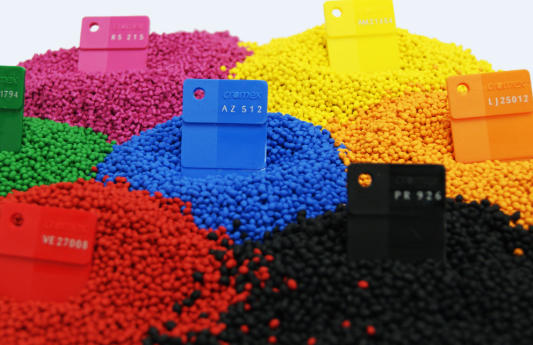
Masterbatch is a concentrated blend of pigments and/or additives dispersed in a carrier resin and supplied in pellet form. A small amount of this masterbatch is mixed with base polymer during processing to give the final plastic product its color or special properties.
Manufacturers use masterbatch because it is cleaner, safer, and more consistent than handling dry pigment powders. Masterbatch improves dispersion, reduces dust, simplifies dosing, and helps achieve uniform color and performance across large production runs.
The main types of masterbatch are color masterbatch, additive masterbatch, white masterbatch, black masterbatch, filler masterbatch, and various specialty or effect masterbatches. Each type is formulated to deliver a specific function such as color, UV protection, flame retardancy, cost reduction, conductivity, or special visual effects.
To choose the right masterbatch, you need to consider your base polymer, processing method, desired color or functional performance, regulatory requirements, and target cost level. It is usually best to share your product specifications and processing conditions with a masterbatch supplier so they can recommend or design a suitable grade and let-down ratio.
Yes, masterbatch can be used with many types of recycled plastics, and there are special masterbatch formulations created specifically for recyclate streams. These grades can help improve color consistency, stabilize properties during reprocessing, and support branding or identification in recycled polymer applications.
[1](https://www.charmingmb.com/2025/10/09/masterbatch-manufacturing-process-a-complete-guide-to-production-and-innovation/)
[2](https://www.materials.zone/blog/8-steps-to-optimize-the-masterbatch-manufacturing-process)
[3](https://carbokene.com/masterbatch-manufacturing-process/)
[4](https://masterbatchglobal.com/articles/inside-the-masterbatch-manufacturing-process/)
[5](https://deltatecnic.com/complete-guide-to-masterbatch/)
[6](https://granuwelextruder.com/masterbatch-manufacturing-process-how-its-made/)
[7](https://www.debaomasterbatch.com/News_Events/2025-09-04/masterbatch-manufacturing-process.html)
[8](https://europlas.com.vn/en-US/blog-1/filler-masterbatch-manufacturing-process-and-its-applications)
[9](https://www.acimaterials.com/applications/masterbatch-manufacturing/)
[10](https://patents.google.com/patent/WO2009010673A2/en)


