


close
Choose Your Site
Global
Social Media


Views: 222 Author: Rebecca Publish Time: 2025-11-28 Origin: Site


Content Menu
● Definition and Key Characteristics
● Common Types of Rigid Plastic Materials
>> High‑Density Polyethylene (HDPE)
>> Polyvinyl Chloride (PVC – Rigid)
>> Acrylonitrile Butadiene Styrene (ABS)
● Core Properties of Rigid Plastic Material
>> Thermal and Chemical Resistance
>> Dimensional Stability and Aesthetics
● Manufacturing Processes for Rigid Plastic Material
>> Extrusion and Profile Extrusion
>> Blow Molding and Thermoforming
● Masterbatch: Central to Rigid Plastic Material Design
>> Types of Masterbatch Used in Rigid Plastics
>> Benefits of Using Masterbatch
● Applications of Rigid Plastic Material
>> Packaging and Consumer Goods
>> Automotive and Transportation
>> Building, Infrastructure, and Industrial Equipment
● Sustainability and Recycling of Rigid Plastic Material
● FAQ
>> 1. What is the main difference between rigid plastic material and flexible plastic?
>> 2. Why is masterbatch so important in rigid plastic material production?
>> 3. Which rigid plastic materials are most commonly used in packaging?
>> 4. Can rigid plastic material containing masterbatch be recycled?
>> 5. How should designers choose the right rigid plastic material and masterbatch combination?
Rigid plastic material is a stiff, dimensionally stable class of polymers that maintains its shape under load and resists bending or stretching during normal use. Compared with flexible plastics or elastomers, rigid plastics offer higher strength, better structural integrity, and long-term durability, making them essential in packaging, automotive, construction, electronics, medical and many other applications. In modern manufacturing, rigid plastic material is frequently engineered and customized with masterbatch to achieve precise color, performance, and processing characteristics while controlling cost and supporting sustainability targets.[1][3][6][10][11]
As a Chinese company focused on innovative plastic materials and customized solutions, rigid plastic material and high-performance masterbatch are at the core of product development for global OEMs. The integration of optimized masterbatch systems into rigid resins such as HDPE, PP, PVC, ABS, PC, and PET enables engineers to fine‑tune mechanical, thermal, optical, and environmental properties for demanding end-use conditions. Understanding what rigid plastic material is, how it behaves, and how masterbatch shapes its performance is therefore critical for designers, buyers, and brand owners who depend on reliable, scalable plastic solutions.[2][3]
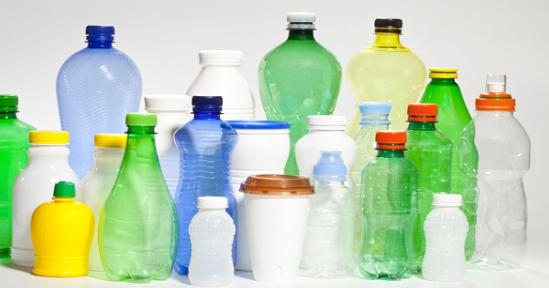
Rigid plastic material can be broadly defined as a polymeric solid that exhibits high stiffness, relatively low elongation at break, and minimal permanent deformation when subjected to mechanical stress. In practice, that means parts produced from rigid plastics hold their geometry in service, whether in structural profiles, housings, closures, or containers. These materials are typically evaluated on the Shore D hardness scale, where higher values indicate greater rigidity and surface hardness compared to softer materials like elastomers or flexible films.[3][6]
The behavior of rigid plastic material is inherently linked to its molecular architecture and processing history. Semi‑crystalline polymers such as HDPE and PP derive rigidity from closely packed crystalline domains, whereas amorphous polymers like PC and PMMA achieve stiffness through entangled chains with strong intermolecular interactions. Through judicious selection of base resin and functional masterbatch—such as reinforcing, nucleating, or impact‑modifying concentrates—manufacturers can balance stiffness, toughness, and processability for specific product families.[10][12][2][3]
Although dozens of polymers can be formulated as rigid plastic material, several families are especially important in industrial practice. Each of them responds differently to masterbatch and therefore offers unique design windows.
High‑Density Polyethylene is a semi‑crystalline rigid plastic material with a high strength‑to‑density ratio, excellent environmental stress crack resistance, and very good chemical resistance. It is widely used for rigid packaging (bottles, jerrycans), industrial drums, pipe systems, pallets, and technical profiles. In these applications, color masterbatch ensures consistent appearance, while additive masterbatch introduces UV stabilization, slip agents, or anti‑oxidants to resist outdoor weathering and long‑term storage conditions.[11][1][2][10]
HDPE rigid plastic material also plays a key role in recycling and circular economy schemes, because it can be reprocessed multiple times with acceptable property retention when supported by stabilizing and compatibilizing masterbatch. This allows converters to incorporate post‑consumer or post‑industrial recyclate into new rigid products without sacrificing performance targets set by brand owners or regulators.[13][14]
Polypropylene is another workhorse rigid plastic material, notable for its relatively high melting point, low density, and outstanding fatigue resistance under repeated flexing. It is popular for caps and closures, food containers, automotive interior and under‑the‑hood components, appliance housings, and laboratory items. Masterbatch technology is especially important for PP, because nucleating masterbatch can significantly improve stiffness and cycle time, while highly loaded pigment masterbatch delivers strong, consistent color at low let‑down ratios.[12][2][3][10]
Engineering‑grade PP grades, sometimes filled with glass fiber or minerals, reach a higher level of rigidity and dimensional stability for technical parts. In such systems, specialized masterbatch is used to improve dispersion of fillers, enhance impact balance, and reduce warpage, giving converters a very flexible platform for rigid plastic material designs.[2]
Rigid PVC (often referred to as uPVC) is a widely used rigid plastic material in construction, windows, doors, siding, gutters, electrical conduits, and pressure/non‑pressure pipes. Its intrinsic flame retardancy and good chemical resistance make it suitable for building and industrial environments where safety standards are strict. Because PVC is sensitive to heat and UV, stabilizer masterbatch and processing aid masterbatch are essential to prevent degradation, discoloration, and impact loss during extrusion or injection molding.[15][16][11]
Color masterbatch tailored to rigid PVC allows long‑term color stability, including whites, grays, or wood‑tone shades commonly specified for architectural profiles. Weatherable masterbatch systems combine pigments, UV absorbers, and light stabilizers to ensure that rigid PVC parts retain gloss and mechanical properties over years of outdoor exposure.[15]
Acrylonitrile Butadiene Styrene is a robust, impact‑resistant rigid plastic material widely used for consumer electronics housings, automotive interior components, luggage, toys, and power‑tool bodies. ABS blends rigidity, toughness, and good surface finish, allowing both functional and aesthetic parts. In ABS, color masterbatch must be designed to maintain impact strength while delivering deep, uniform color, which can be challenging in high‑gloss applications.[3][2]
Functional masterbatch for ABS may contain flame retardants, antistatics, or UV stabilizers to meet safety and durability requirements for electronics and automotive interiors. High‑flow and high‑heat grades, supported by processing masterbatch, can be optimized for thin‑wall parts and complex geometries without sacrificing structural integrity.[2]
Polycarbonate is a high‑performance rigid plastic material known for its optical clarity, high impact strength, and heat resistance. It is used in machine guards, safety glazing, optical lenses, lighting, and high‑end consumer goods. Here, masterbatch must be optically pure and carefully formulated to avoid haze, making specialized color and UV masterbatch critical for PC applications in lighting and transparent safety components.[5][10][2]
Polyethylene Terephthalate (PET) is best known for bottles and food packaging, but engineering‑grade PET is a rigid plastic material used in mechanical components, relay housings, and precision parts due to its stiffness and dimensional stability. For both bottle‑grade and engineering PET, masterbatch (including color, barrier, and reheat masterbatch) is key to controlling appearance, shelf life, and processing behavior in stretch blow molding or injection molding.[10][11][2]
Beyond commodity resins, several engineering plastics like PA (nylon), PBT, POM (acetal), and PEEK can function as rigid plastic material in demanding applications such as gears, bearings, and structural components. These materials often rely on highly specialized masterbatch to introduce lubricants, impact modifiers, or laser‑markable pigments, enabling precise manufacturing and traceability in automotive, electronics, and aerospace supply chains.[3][10][2]

The most important attribute of rigid plastic material is its mechanical performance—stiffness, tensile strength, impact resistance, and creep behavior under load. Depending on the polymer family and formulation, designers can tune the trade‑off between rigidity and toughness. Glass‑fiber or mineral‑filled systems, in combination with dispersion‑optimized masterbatch, can achieve very high modulus for metal‑replacement parts, whereas impact‑modified grades can absorb energy in crash or drop scenarios.[6][16][2]
Fatigue resistance is crucial where parts experience repeated loading or flexing, such as living hinges, automotive clips, or snap‑fits. PP and PA, for example, can be formulated as rigid plastic materials with good fatigue life, especially when aided by nucleating and stabilizing masterbatch that refines crystalline structure and reduces stress concentration.[2]
Rigid plastic material must often cope with a wide range of temperatures and chemical environments—hot‑fill packaging, engine compartments, chemical storage tanks, or sterilization cycles. Polymers like HDPE, PP, PVC, and PET generally exhibit excellent resistance to water and many chemicals, while engineering plastics extend performance into higher temperature and corrosive service conditions. Masterbatch containing antioxidants, heat stabilizers, and UV stabilizers plays a decisive role in preventing thermal and photo‑oxidative degradation during both processing and long‑term use.[17][11][10][2]
Chemical resistance can also be tailored via barrier masterbatch which introduces plate‑like fillers or specific additives to slow down permeation of gases, fuels, or solvents through rigid plastic material. This is particularly valuable in packaging for agrochemicals, automotive fluids, and sensitive food products.[13][10]
Dimensional stability is a key differentiator of rigid plastic material compared with flexible materials. Warpage, shrinkage, and moisture uptake must be controlled so that complex molded parts fit and function correctly over time. Crystallization behavior, mold design, and cooling conditions all influence this, but masterbatch—especially nucleating and reinforcing types—can dramatically improve uniformity and reduce distortion.[16][2]
At the same time, rigid plastic material often serves as a brand‑visible surface. High‑quality masterbatch systems deliver consistent color, gloss, and surface effects (matte, metallic, pearlescent) across batches and production sites. For translucent or transparent rigid plastics, carefully formulated masterbatch avoids haze, flow lines, and streaking to maintain premium appearance in consumer and industrial products.[5][10]
Rigid plastic material is compatible with most major plastics processing technologies, and masterbatch is integrated at various points in the value chain.
Injection molding is the dominant method for producing rigid plastic material parts with complex geometries, tight tolerances, and high production volumes. Pellets comprising base resin and masterbatch are plasticized in a heated barrel and injected under high pressure into a cooled steel mold, where the material solidifies into the desired shape. This process is widely used for housings, connectors, caps and closures, automotive trim, and many technical components.[18][2]
Masterbatch is typically dosed at a defined let‑down ratio using gravimetric or volumetric feeders, allowing rapid color or property changes without cleaning the entire system. Processing‑aid masterbatch can improve flow, release, and cycle time, especially in thin‑wall or multi‑cavity molds, leading to more efficient production of rigid plastic material across multiple product families.[12][18]
Extrusion transforms rigid plastic material into continuous profiles such as pipes, window frames, cable ducts, plates, and sheets. Molten resin is pushed through a die that determines the cross‑section; downstream calibration, cooling, and cutting systems then finalize the product dimensions. Extruded rigid plastics are ubiquitous in construction, infrastructure, signage, and packaging.[16][5]
Color and functional masterbatch used in extrusion must offer excellent dispersion and thermal stability, since residence times can be long and melt temperatures high. In rigid PVC profiles, for example, stabilizer and pigment masterbatch protects against thermal degradation, while in HDPE and PP pipes, UV‑stabilized black masterbatch with carbon black ensures long‑term outdoor performance and pressure resistance.[15][16]
Blow molding is especially suited for hollow rigid plastic material parts such as bottles, jerrycans, drums, and fuel tanks. In extrusion blow molding, a molten parison is extruded and then inflated against a mold, whereas injection stretch blow molding is used for PET bottles where clarity and barrier properties are critical. Masterbatch can be introduced in preforms or in the main melt to control color, UV resistance, or gas barrier properties in the final container.[19][18][10][13]
Thermoforming starts from extruded rigid plastic sheets that are heated and then shaped over a mold by vacuum or pressure. It is common for trays, lids, and certain technical covers. Here, sheet‑grade masterbatch must ensure uniform properties through the sheet thickness, avoiding color variations or mechanical weak points after forming. Recycling‑oriented masterbatch can improve the processability of thermoformed rigid plastic material containing recycled content.[14][18][13]
Masterbatch is a highly concentrated mixture of pigments and/or additives dispersed in a carrier resin that is compatible with the target polymer. Instead of dosing raw powders, processors rely on masterbatch to achieve consistent quality, reduce dust and contamination, and simplify inventory management. For rigid plastic material, the correct masterbatch selection often determines whether a formulation meets regulatory, functional, and aesthetic targets.[11][10]
- Color masterbatch provides precise, reproducible coloration—from brand‑specific hues to special effects such as metallic, fluorescent, or pearlescent finishes.[10]
- Additive masterbatch introduces functionalities like UV stabilization, flame retardancy, anti‑oxidation, antistatic behavior, slip and antiblock properties, antimicrobial effects, or nucleation.[11][10]
- Filler masterbatch uses mineral fillers (e.g., CaCO₃, talc) to adjust stiffness, density, and cost of rigid plastic material while maintaining acceptable mechanical performance.[12][16]
By combining these types, converters can create highly customized rigid plastic material grades from standard base resins, avoiding the need for fully compounded special materials and enabling flexible, just‑in‑time production.
The use of masterbatch in rigid plastic material production brings several advantages:
- Consistent quality: Masterbatch ensures homogeneous dispersion of pigments and additives, which translates into stable mechanical and optical properties across large runs.[10][11]
- Operational efficiency: Processors can switch colors or functional packages quickly by changing masterbatch, without altering the base polymer or reconfiguring the whole compounding line.[12]
- Cleaner and safer handling: Encapsulated additives minimize dust and exposure, improving workplace hygiene and reducing contamination in high‑purity applications like food contact and medical devices.[10]
- Cost optimization: Highly loaded masterbatch allows fine control of additive levels, so rigid plastic material can be precisely engineered to meet but not exceed performance requirements, lowering overall material cost.[11]
For a company delivering customized solutions worldwide, an advanced masterbatch portfolio linked to rigid plastic material development is therefore a strategic asset.
Rigid plastic material serves as a backbone for components and systems in virtually every industrial sector.
Bottles, caps, closures, rigid containers, trays, and crates rely on rigid plastics such as HDPE, PP, PET, and sometimes PVC. These products must provide mechanical protection, chemical compatibility, barrier performance, and attractive branding. Color masterbatch defines brand identity, while UV and antioxidant masterbatch protect packaged goods during storage and distribution.[1][13][10]
In consumer goods, rigid plastic material appears in appliances, cosmetics packaging, toys, electronics housings, and furniture components. Here, tactile feel, surface quality, and long‑term color stability are as important as strength. Tailored masterbatch solutions deliver soft‑touch appearances, gloss control, and scratch resistance while keeping mass production efficient.[6][3]
Automotive interiors, fascias, grilles, under‑the‑hood reservoirs, and structural clips increasingly use rigid plastic material to reduce weight and improve manufacturability compared with metal. Engineering PP, ABS, PC/ABS, PA, and PBT systems often incorporate masterbatch for UV resistance, flame retardancy, color, and improved low‑temperature impact. Lightweighting strategies depend heavily on fiber‑reinforced rigid plastics supported by advanced masterbatch technology that stabilizes fibers and matrix during processing.[16][2]
Rigid plastic material—especially HDPE, PP, and PVC—has become fundamental in piping, cable ducts, window and door systems, roofing elements, cladding, and industrial tanks. Environmental exposure demands robust masterbatch solutions that resist UV, humidity, and thermal cycling over decades. Black masterbatch with carefully controlled carbon black is widely used in pressure pipes and geomembranes for long‑term outdoor performance.[13][15][16]
Industrial equipment and machinery also rely on rigid plastic material for guards, covers, panels, and transparent shields made from PC or acrylic. Here, clarity, impact strength, and chemical resistance are supported by premium masterbatch that maintains optical performance over time.[5]
Sustainability is increasingly central to rigid plastic material strategy, with regulators, brands, and consumers all demanding lower environmental impact. Rigid plastics are often easier to sort and recycle than flexible films, particularly in streams dominated by HDPE, PP, or PET packaging. By designing formulations and masterbatch systems that are recycling‑friendly—avoiding problematic pigments, optimizing stabilizers, and enabling higher recycled content—producers can significantly improve lifecycle performance.[8][14][13]
Recycled rigid plastic material can be upgraded through compatibilizer, odor‑control, and stabilizer masterbatch, which compensate for variability and degradation in secondary raw materials. This allows converters to incorporate higher levels of post‑consumer or post‑industrial recyclate into bottles, crates, pipes, and profiles without compromising quality. Bio‑based or biodegradable rigid plastics, supported by dedicated masterbatch, also represent a growing development field in certain niche markets.[8][10]
Rigid plastic material is a fundamental building block of modern industry, offering a unique combination of stiffness, toughness, chemical resistance, and design freedom across packaging, automotive, construction, electronics, and many other sectors. From commodity resins like HDPE, PP, PVC, and PET to advanced engineering polymers, rigid plastics provide lightweight, durable alternatives to traditional materials.[1][3]
Masterbatch sits at the heart of this ecosystem, enabling precise control over color, additive content, and processing behavior, and allowing manufacturers to rapidly customize rigid plastic material to meet diverse technical and regulatory requirements. For global customers seeking tailored, high‑performance, and increasingly sustainable solutions, an integrated approach that combines innovative rigid resins with advanced masterbatch technology is the most efficient path to competitive, reliable products.[11][10]

Rigid plastic material has higher stiffness and lower elongation, so it maintains shape under load, whereas flexible plastics bend or stretch more easily and typically show lower Shore D hardness. This makes rigid plastics better for structural components, housings, and containers, while flexible plastics are preferred for films, bags, and seals.[6][3]
Masterbatch provides a clean, concentrated way to introduce pigments and additives into rigid plastic material, ensuring uniform dispersion and consistent performance. It simplifies color changes, improves processing stability, and allows processors to fine‑tune properties like UV resistance, flame retardancy, and mechanical behavior without changing the base resin.[10][11]
The most common rigid plastic material types in packaging are HDPE, PP, PET, and sometimes PVC for certain containers and closures. These polymers offer a good balance of strength, barrier properties, processability, and cost, and they can be easily colored or stabilized using masterbatch to meet brand and shelf‑life requirements.[1][13][10]
Yes, many rigid plastic material formulations that include suitable masterbatch can be collected, reprocessed, and re‑used, provided that sorting and processing systems are in place. In fact, specialized masterbatch can enhance the quality of recycled rigid plastics by improving color, odor, and mechanical properties, enabling higher recycled content in new products.[14][13][11][10]
Designers should start from application requirements—mechanical loads, temperature, chemical exposure, regulatory needs, and aesthetics—then select a compatible rigid plastic material family such as HDPE, PP, PVC, ABS, PC, or PET. Working with a masterbatch and material specialist allows them to specify color and functional masterbatch packages that deliver the targeted performance while optimizing cost and supporting recyclability.[3][16][2][10]
[1](https://www.tricorbraun.com/blog/understanding-types-of-plastic.html)
[2](https://www.essentracomponents.com/en-us/news/manufacturing/injection-molding/ultimate-guide-to-engineered-plastics)
[3](https://www.fictiv.com/articles/guide-to-plastic-materials-for-prototyping-and-production)
[4](https://www.acplasticsinc.com/informationcenter/r/ultimate-plastic-guide)
[5](https://www.piedmontplastics.com/blog/rigid-substrates)
[6](https://monroeengineering.com/info-materials-plastics.php)
[7](https://www.sciencedirect.com/topics/engineering/rigid-plastic)
[8](https://oceanchemie.com/plastics-the-complete-guide-to-modern-polymer-materials/)
[9](https://www.thecarycompany.com/insights/guides/guide-to-plastics)
[10](https://deltatecnic.com/complete-guide-to-masterbatch/)
[11](https://www.jmpolymers.fr/en/the-role-of-masterbatch-in-the-production-of-plastics/)
[12](https://europlas.com.vn/en-US/blog-1/6-common-methods-applied-in-plastic-and-masterbatch-manufacturing-2)
[13](https://www.recyclemachine.net/common-types-of-rigid-plastics-hdpe-pp-pvc-and-more/)
[14](https://riverdalepaper.plc.uk/what-are-rigid-plastics/)
[15](https://www.polimertecnic.com/en/types-rigid-plastic/)
[16](https://www.custom-profile.com/blog/properties-and-applications-of-rigid-plastic-extrusion-profiles/)
[17](https://sintac.es/en/what-are-the-properties-of-plastics/)
[18](https://formlabs.com/blog/guide-to-manufacturing-processes-for-plastics/)
[19](https://www.flextrades.com/blog/this-is-how-plastic-is-made/)


