


close
Choose Your Site
Global
Social Media


Content Menu
● What Exactly Is PVC Masterbatch?
● Key Components of PVC Masterbatch
● Main Types of PVC Masterbatch
>> White and black PVC masterbatch
>> Multifunctional PVC masterbatch
● How PVC Masterbatch Is Manufactured
● Benefits of Using PVC Masterbatch
● Typical Applications of PVC Masterbatch
>> Construction and building materials
>> Wire, cable, and electronics
>> Packaging and consumer goods
>> Automotive and transportation
>> Medical and hygiene products
● Selecting the Right PVC Masterbatch
>> Working with a technical partner
● Processing Guidelines for PVC Masterbatch
● Common Challenges and Practical Solutions
● Quality Control in PVC Masterbatch Production
● Sustainability and Environmental Considerations
● Future Trends in PVC Masterbatch
● FAQ
>> 1. What is the main advantage of PVC masterbatch compared with direct pigment use?
>> 2. How much PVC masterbatch is typically added to the base PVC compound?
>> 3. Can the same PVC masterbatch be used for both rigid and flexible PVC?
>> 4. Does PVC masterbatch affect processing parameters such as temperature or screw speed?
>> 5. How should PVC masterbatch be stored and handled to maintain quality?
PVC masterbatch is a concentrated mixture of pigments and/or functional additives dispersed in a PVC-based or compatible carrier resin, designed to be dosed into polyvinyl chloride (PVC) to modify its color and performance. In modern plastics processing, PVC masterbatch offers a clean, efficient, and repeatable way to optimize PVC formulations for a wide range of end uses.
Instead of directly handling powders and multiple additives at the production line, converters simply meter a defined percentage of masterbatch into the base PVC compound to achieve the desired shade or property. This approach improves dispersion, reduces waste, and keeps the production environment cleaner and safer for operators.
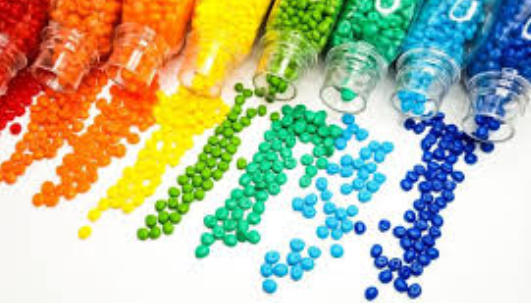
PVC masterbatch can be thought of as a “concentrated recipe” or “master formula” that translates directly into PVC product properties when diluted to a working level. The carrier resin in the masterbatch is compatible with PVC, allowing pigments and additives to integrate uniformly during melt processing.
Typical PVC masterbatch is supplied in pellet form, which is easy to transport, store, and dose accurately. Processors use a let‑down ratio (for example, 2–5% masterbatch in the final mix) so that the active ingredients are present at the correct level without overloading or destabilizing the polymer.
The performance of any PVC masterbatch is defined by the precise combination of several components. Each element is selected and balanced so the masterbatch disperses quickly, performs reliably, and does not negatively affect PVC processing.
- Carrier resin: Usually PVC or a PVC‑compatible polymer with appropriate melt flow behavior.
- Pigments and colorants: Inorganic pigments (like titanium dioxide or iron oxides) and organic pigments (like phthalocyanine blues and greens) for color masterbatch.
- Functional additives: Heat stabilizers, UV absorbers, flame retardants, antistatic agents, slip agents, impact modifiers, processing aids, and other performance enhancers.
- Dispersing and processing aids: Waxes, lubricants, and compatibilizers that help pigments and additives wet out, spread uniformly, and stay stable during extrusion or molding.
By controlling the proportions and quality of these ingredients, a PVC masterbatch producer can tailor color strength, gloss, opacity, mechanical properties, and processing behavior for specific applications.
PVC masterbatch is not a single product but a family of specialized formulations. The most common categories include:
Color masterbatch focuses on visual appearance, providing solid colors, transparent tints, pearlescent or metallic effects, and special visual effects such as marble or granite style. High‑concentration color masterbatch allows processors to standardize on natural PVC compound and adjust color simply by varying let‑down ratios.
- White masterbatch: High‑titanium dioxide formulations for excellent opacity, brightness, and weatherability. Typical uses include window profiles, siding, and rigid sheets.
- Black masterbatch: High‑carbon black loading for deep black tone, UV protection, and light‑blocking performance, widely applied in cable sheathing, automotive components, and agricultural products.
Additive masterbatch focuses on performance rather than color. Examples include:
- UV stabilizer masterbatch for outdoor profiles, geomembranes, and films
- Flame‑retardant masterbatch for wire & cable, building materials, and electronic parts
- Antistatic masterbatch for packaging and electronic device housings
- Antimicrobial masterbatch for medical tubing, touch surfaces, and hygiene products
- Foaming masterbatch for lightweight PVC sheets, boards, and profiles
In many real projects, customers prefer multifunctional masterbatch that combines color with key additives in one pellet. This helps reduce inventory complexity, speeds up formulation work, and ensures consistent dosing on the production line.
The manufacturing process of PVC masterbatch is a carefully engineered compounding workflow designed to achieve thorough dispersion and stable performance.
1. Formulation design
Technical teams define the masterbatch formula based on target color, mechanical properties, regulatory requirements, processing conditions, and cost goals. Pigment loading, additive package, carrier type, and dispersing aids are optimized at this stage.
2. Raw material selection and weighing
High‑purity PVC resins, pigments, and additives are selected and weighed with tight tolerance. Accurate weighing is critical because even small variations can affect color strength or stabilizer performance.
3. Pre‑mixing (dry blending)
The weighed materials are pre‑mixed in a high‑speed mixer or tumble blender to achieve a uniform dry blend. Effective pre‑mixing improves efficiency and consistency in the melt‑compounding step.
4. Melt compounding
The dry blend is fed into a compounding extruder (often a co‑rotating twin‑screw machine). Heat and shear in the extruder melt the carrier resin and break down pigment agglomerates, dispersing particles and additives evenly throughout the polymer matrix.
5. Extrusion and shaping
The homogeneous melt exits the extruder through a die, usually forming strands or spaghetti‑like extrudate. Die design and processing parameters are adjusted to maintain stable throughput and uniform dispersion.
6. Cooling and pelletizing
The hot strands pass through a cooling system (water bath or air cooling) and are then cut by a pelletizer into uniform pellets. Pellet size, shape, and bulk density are controlled so that the PVC masterbatch feeds consistently at customer plants.
7. Quality control and packaging
Finished pellets are tested for color strength, dispersion level, melt flow, moisture content, and functional performance (such as UV resistance, thermal stability, or flame retardancy). Compliant batches are packed in moisture‑protected bags or containers for shipment.
Using PVC masterbatch instead of individual powders and additives brings multiple advantages to processors and brand owners.
- Better dispersion and consistency: Pigments and additives are pre‑dispersed under controlled conditions, leading to uniform color and stable properties across different lots.
- Cleaner, safer production: Pellets are dust‑free, reducing pigment scattering, house‑keeping efforts, and worker exposure.
- Simplified logistics: Fewer SKUs at the extruder or injection molding machine, since the masterbatch already contains the correct balance of ingredients.
- Easier process control: Precise metering of masterbatch via gravimetric or volumetric feeders allows accurate control of final color and properties.
- Higher productivity: Less downtime for cleaning, lower risk of contamination, and faster color changes compared with powder handling.
For PVC processors who serve demanding markets such as medical devices, building & construction, or automotive, these benefits translate directly into fewer rejects, lower costs, and more stable quality.
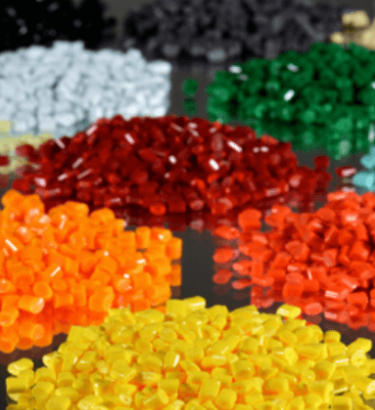
PVC is already one of the most versatile plastics, and PVC masterbatch further extends its application window by tailoring aesthetics and performance to different industries.
- Window and door profiles
- Siding and cladding panels
- PVC roofing sheets
- Electrical conduit and water pipes
In these applications, PVC masterbatch is used for UV protection, color stability, flame resistance, and impact performance.
PVC masterbatch is widely used in:
- Cable insulation and sheathing
- Plugs, connectors, and switch components
- Cable management ducts and trunking
Here, flame‑retardant, heat‑stabilized, and low‑smoke masterbatch systems ensure compliance with safety standards and long‑term performance.
Colorful PVC masterbatch supports branding and product differentiation in:
- Flexible films and shrink sleeves
- Bottles and containers
- Toys, stationery, and household goods
Odor‑controlled, food‑contact‑approved masterbatch is used where regulatory compliance is crucial.
The automotive sector relies on PVC masterbatch for:
- Interior trims, door panels, and instrument panels
- Underbody coatings, seals, and protection parts
- Wiring harnesses and connectors
Color stability, scratch resistance, and long‑term UV durability are key in these applications.
For medical tubing, blood bags, flexible containers, flooring, and other healthcare products, PVC masterbatch adds:
- High clarity or controlled opacity
- Antimicrobial and easy‑clean properties
- Biocompatible colors for identification and safety coding
In such sensitive fields, strict quality control, traceability, and regulatory conformity are mandatory.
Choosing the correct PVC masterbatch is a technical decision that should consider both processing conditions and final product requirements.
- Compatibility with base PVC: Rigid vs. flexible PVC, K‑value, plasticizer type, and processing method (extrusion, injection molding, calendering, blow molding) all influence compatibility.
- Let‑down ratio: The recommended dosage range must fit the converter's process window and cost target while achieving the desired performance.
- Thermal stability: The masterbatch must withstand the specific processing temperature profile without degradation or discoloration.
- Regulatory and safety requirements: Food‑contact, medical, RoHS, REACH, halogen‑free, phthalate‑free, and other compliance needs should be defined up front.
- Appearance and performance targets: Gloss, opacity, transparency, weatherability, mechanical strength, and surface feel.
A professional masterbatch supplier can provide:
- Lab‑scale color matching and property testing
- Process optimization support (screw design, temperature profile, feeding systems)
- Long‑term quality tracking and formulation refinement based on customer feedback
For global customers, working with an experienced Chinese masterbatch manufacturer makes it possible to combine competitive cost with high‑level technical service.
Efficient use of PVC masterbatch on the production line requires attention to a few practical guidelines.
- Ensure pellets are dry and free‑flowing; if necessary, pre‑dry according to supplier recommendations.
- Use stable and well‑calibrated gravimetric or volumetric feeders to dose masterbatch accurately.
- Optimize extruder or injection barrel temperature profile to balance good dispersion with minimal thermal stress on PVC.
- Avoid excessive screw speed or shear that may degrade stabilizers or pigments.
- When changing from one masterbatch color to another, flush the system with natural PVC or a purging compound to shorten color‑change time.
By following these best practices, processors can maximize the advantages of their masterbatch systems and keep productivity high.
Even with high‑quality PVC masterbatch, some issues can appear on the production floor. Understanding typical problems and their solutions helps avoid downtime and quality complaints.
Possible causes:
- Insufficient mixing or dispersion in the extruder
- Inaccurate or fluctuating dosing of masterbatch
- Contamination from previous colors or materials
Solutions:
- Check and recalibrate feeders, and verify that masterbatch pellets are feeding consistently.
- Adjust screw speed, back pressure, or temperature to improve dispersion.
- Implement robust purging and cleaning procedures between production runs.
Possible causes:
- Agglomerated pigments or undispersed additives
- Overheated material causing partial degradation
- Contaminated raw materials or recycled PVC with incompatible residues
Solutions:
- Work with the masterbatch supplier to confirm dispersion quality and adjust formulation if necessary.
- Review extruder temperature and residence time; reduce hot spots.
- Improve filtration and housekeeping of PVC powder and regrind.
Possible causes:
- Over‑dosing of masterbatch, leading to plasticization changes or filler overload
- Incompatibility between masterbatch carrier and base PVC compound
Solutions:
- Stay within the recommended let‑down ratio and confirm actual dosing on line.
- Request a carrier‑optimized PVC masterbatch or re‑engineered formulation from the supplier.
Reliable PVC masterbatch depends on strict process discipline and systematic testing from raw material intake to finished product release.
Typical quality measures include:
- Incoming inspection of PVC resin, pigments, and additives (purity, moisture, specific properties)
- In‑process monitoring of extrusion parameters, melt pressure, and torque
- Colorimetric testing (ΔE) versus standard plaques or chips
- Dispersion evaluation using microscopic or standardized dispersion tests
- Functional testing, such as accelerated weathering, heat‑aging, mechanical tests, and flame tests where relevant
Consistent quality helps converters stabilize their own processes and maintain tight tolerances for demanding customers.
Sustainability is an increasingly important topic in PVC masterbatch development and usage. Responsible producers and brand owners focus on:
- Reducing volatile organic compounds (VOCs) and low‑molecular‑weight emissions
- Offering phthalate‑free plasticizer systems and heavy‑metal‑free stabilizer packages where required
- Incorporating recycled content in both PVC base resin and masterbatch when technically feasible
- Designing masterbatch that supports recyclability by minimizing incompatible additives and pigments
For international buyers, selecting PVC masterbatch that meets global environmental regulations and corporate sustainability targets is often as important as color or mechanical performance.
PVC masterbatch technology continues to evolve along with regulatory, performance, and design trends.
Key directions include:
- Higher functionality at lower dosages through advanced dispersing systems and nano‑scale additives
- Smart or responsive masterbatch that enables tracking, anti‑counterfeiting, or condition monitoring
- Broader use of bio‑attributed and renewable feedstocks in PVC masterbatch carriers and additives
- Digital color management, allowing accurate virtual matching and fast approval cycles between brands and manufacturers worldwide
For PVC processors and brand owners, working closely with innovative masterbatch producers unlocks new possibilities in design, performance, and sustainability.
PVC masterbatch is a highly efficient, flexible tool for modifying and upgrading PVC materials, bringing together pigments, additives, and a compatible carrier resin in a single, easy‑to‑use pellet. By using the right PVC masterbatch, processors can achieve consistent color, enhanced properties, improved process stability, and better environmental performance across a wide range of applications. For global customers seeking customized PVC masterbatch solutions, partnering with a specialized Chinese manufacturer offers strong technical support, tailored formulations, and competitive supply for long‑term success.
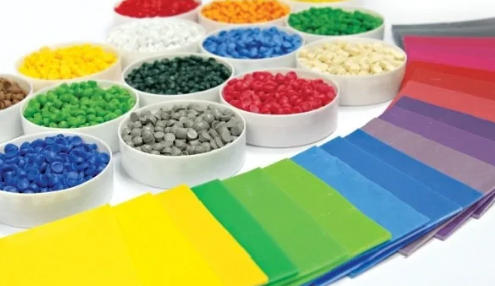
The main advantage of PVC masterbatch is that pigments and additives are pre‑dispersed in a compatible carrier resin, ensuring better color consistency, easier dosing, and a cleaner production environment than using loose powders. This reduces waste, minimizes dust, and helps stabilize processing conditions, especially in high‑volume PVC extrusion and molding.
The amount of PVC masterbatch—often called the let‑down ratio—depends on pigment strength, additive level, and the target color or performance. In many cases, color masterbatch is used at 1–5% by weight, while certain additive masterbatch types may be added up to 10% or more. The exact percentage is determined through lab trials and confirmed in industrial production.
Some PVC masterbatch products are designed to work in both rigid and flexible PVC, while others are optimized for one type only. Differences in plasticizer systems, processing temperatures, and mechanical requirements mean that not every formulation is universal. It is important to confirm compatibility with your supplier and, if necessary, request separate masterbatch grades for rigid and flexible PVC lines.
High‑quality PVC masterbatch is designed to fit into standard PVC processing windows, but it can still influence melt viscosity, heat stability, and lubricity. In practice, small adjustments to temperature profile, screw speed, and back pressure may be needed when introducing a new masterbatch. Technical data sheets and on‑site support from the masterbatch producer help identify the most stable conditions.
PVC masterbatch should be stored in its original, sealed packaging in a dry, cool environment away from direct sunlight and heat sources. Opened bags must be closed tightly to prevent moisture pick‑up and contamination. Before use, pellets should be visually checked for clumps or foreign particles, and if the supplier recommends pre‑drying, that step should be followed to keep processing stable.
[1](https://www.vnapex.com/blog/pvc-compound)
[2](https://carbokene.com/masterbatch-manufacturing-process/)
[3](https://www.charmingmb.com/2025/10/09/masterbatch-manufacturing-process-a-complete-guide-to-production-and-innovation/)
[4](https://jieyatwinscrew.com/blog/masterbatch-production-line/)
[5](https://www.cbextrusion.com/masterbatch-manufacturing-process-equipment-workflow-and-best-practices/)
[6](https://www.youtube.com/watch?v=ahbUZSjmi2k)
[7](https://www.gsextruder.com/common-misconceptions-and-suggestions-in-masterbatch-manufacturing-process/)
[8](https://deltatecnic.com/complete-guide-to-masterbatch/)
[9](https://europlas.com.vn/en-US/blog-1/6-common-methods-applied-in-plastic-and-masterbatch-manufacturing-2)
[10](https://patents.google.com/patent/WO2009010673A2/en)


