


close
Choose Your Site
Global
Social Media


Views: 222 Author: Rebecca Publish Time: 2025-12-15 Origin: Site


Content Menu
● Understanding PS Plastic Material
● Composition and Structure of PS
● Manufacturing Process of PS Plastic
>> 2. Pelletizing and Masterbatch Blending
● Key Advantages of PS Plastic
● Applications of PS Plastic Material
>> 2. Electronics and Electrical Components
>> 3. Construction and Insulation
>> 5. Medical and Laboratory Equipment
● The Role of Masterbatch in PS Materials
>> 1. Types of Masterbatch Used with PS
>> 2. Benefits of Incorporating Masterbatch
● Environmental Considerations for PS
● Comparing PS with Other Plastics
● Innovation and Future Trends in PS Processing
● FAQs About PS Plastic Material
>> 1. What is PS plastic used for?
>> 2. How does masterbatch improve PS properties?
>> 3. Is PS plastic recyclable?
>> 4. What are the main differences between GPPS and HIPS?
>> 5. Can PS be modified for eco-friendliness?
Polystyrene (PS) is one of the most widely recognized thermoplastics in modern manufacturing. Known for its clarity, rigidity, and excellent processability, PS plastic is used extensively across packaging, electronics, automotive, and consumer goods industries. Whether in disposable food containers or precision electronics, PS demonstrates exceptional adaptability — especially when combined with masterbatch technology to modify its properties for specific needs.
This article explores the key aspects of PS plastic materials: their composition, manufacturing process, major applications, advantages, types, and how masterbatch formulation enhances their performance.
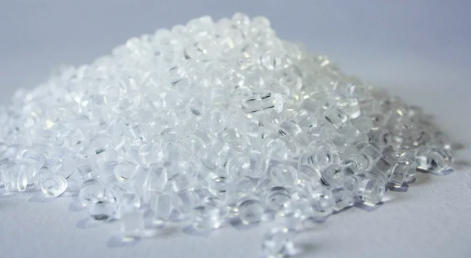
Polystyrene (PS) is a synthetic aromatic polymer made from the monomer styrene, a liquid hydrocarbon derived from petroleum. It is a clear, hard plastic used both in solid form and as a foam material known as expanded polystyrene (EPS).
PS is characterized by its:
- High transparency and gloss
- Ease of molding and forming
- Strong rigidity and surface hardness
- Electrical insulation properties
- Compatibility with pigments and masterbatch additives
Its straightforward manufacturing and cost-effectiveness make PS a preferred material for numerous industrial applications.
PS is composed of long chains of styrene monomers (C₆H₅CH=CH₂). The repeating benzene rings in the polymer backbone give it rigidity and thermal stability. Because its molecular structure is linear and amorphous, PS exhibits transparency and brittleness — traits that vary depending on the presence of masterbatch modifiers or copolymers.
There are several common variants of PS material:
- General Purpose Polystyrene (GPPS): Clear and rigid, ideal for optical components and packaging.
- High Impact Polystyrene (HIPS): Blended with rubber to improve toughness and impact resistance.
- Expanded Polystyrene (EPS): Foam material made by expanding PS beads with steam and pentane gas.
- Extruded Polystyrene (XPS): Denser foam used in insulation panels.
Each type can be optimized through masterbatch incorporation to achieve enhanced properties such as color stability, UV resistance, or flame retardancy.
PS production begins with polymerizing styrene monomers using a free radical process. The reaction is carried out in a solution, suspension, or bulk system until long polymer chains are formed.
After polymerization, the resin is extruded and pelletized. At this stage, masterbatch — a concentrated mix of pigments and additives — is added to the pellets to achieve desired performance traits, such as color, antistatic behavior, or improved thermal stability.
PS can be processed through:
- Injection molding (for electronics housings and toys)
- Thermoforming (for disposable cups and trays)
- Blow molding (for lightweight containers)
- Extrusion (for sheets and films)
The inclusion of precise masterbatch formulations ensures consistent color, improved UV protection, and better mechanical performance throughout large-scale production.
1. Excellent Transparency
PS offers optical clarity that rivals glass, making it ideal for display cases and laboratory ware.
2. Ease of Processing
It melts at relatively low temperatures, allowing economical manufacturing through multiple forming techniques.
3. Strong Dimensional Stability
PS retains its shape and dimensions under moderate thermal conditions — a useful trait in precision applications.
4. Low Cost
Compared with engineering plastics, PS is affordable while maintaining excellent performance for various uses.
5. Colorability via Masterbatch
PS is compatible with a wide range of masterbatch colors, allowing designers to produce vivid, uniform hues for consumer goods.
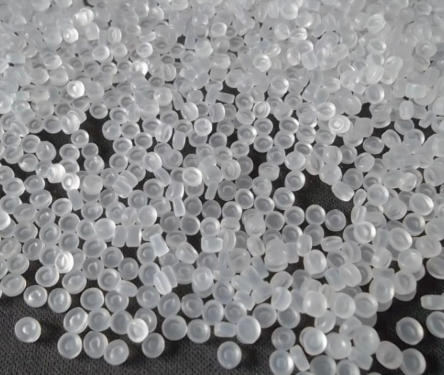
One of the largest markets for PS plastic, packaging utilizes both rigid and foamed forms. Clear GPPS is used for food containers, while HIPS provides durable packaging for electronics and appliances. With masterbatch colorants, packaging can achieve branding goals through custom shades and finishes.
Because of its insulating properties, PS is widely used for casings, light covers, and switch housings. Antistatic and conductive masterbatch additives enhance safety and performance.
EPS and XPS are essential insulation materials for building walls and roofs. They deliver high thermal resistance, low weight, and moisture resistance. Fire-retardant masterbatch is often added to meet safety standards.
Everyday items — from office supplies to refrigerator linings — utilize PS for its rigidity, processability, and glossy appearance. Color masterbatch ensures stable, aesthetic consistency across product lines.
Disposable PS-based supplies such as Petri dishes, test tubes, and pipette tips are common. Transparent PS allows easy observation of samples, while antimicrobial masterbatch formulations maintain cleanliness.
Masterbatch is crucial to tailoring PS material properties for different industries. By creating concentrated additive pellets mixed with PS resin, manufacturers can achieve highly specific results at controlled doses.
- Color Masterbatch: For vibrant and fade-resistant coloration.
- Additive Masterbatch: To provide UV stabilization, flame retardancy, or antistatic effects.
- Functional Masterbatch: For modifying mechanical performance or optical clarity.
- Improved Processability: Enhances melt flow and reduces defects.
- Cost Efficiency: Concentrates expensive additives, lowering overall use.
- Environmental Impact: Minimizes waste during color changes or switching production lines.
- Product Consistency: Ensures uniform dispersion of additives across batches.
In modern PS manufacturing, nearly all plastic parts rely on some form of masterbatch — making it a cornerstone of polymer engineering.
PS, though recyclable, poses challenges due to contamination and separation costs. However, innovation is transforming the PS recycling landscape:
- Mechanical Recycling: Clean PS waste can be reprocessed into pellets and reused.
- Chemical Recycling: Converts PS back to its monomer form for new polymer production.
- Biodegradable Additives: Certain masterbatch formulations help accelerate decomposition under specific conditions.
Sustainable development efforts aim to integrate recycled PS into new products without compromising quality.
| Property | PS (Polystyrene) | PP (Polypropylene) | ABS (Acrylonitrile Butadiene Styrene) | PET (Polyethylene Terephthalate) |
|---|---|---|---|---|
| Transparency | Very high | Low | Moderate | High |
| Impact resistance | Moderate | High | Very high | High |
| Processing temperature | 210–250°C | 180–220°C | 220–260°C | 250–280°C |
| Compatibility with masterbatch | Excellent | Excellent | Good | Excellent |
| Common Application | Packaging, toys | Containers, fibers | Electronics, housings | Bottles, films |
This comparison highlights PS's versatility — particularly when enhanced with the right masterbatch combinations.
As industries seek lightweight, durable, and eco-friendly materials, PS continues to evolve through technological advancement:
- Biodegradable PS research aims to reduce environmental footprint.
- Recycled PS grades enable circular economy models.
- Nanocomposite PS materials improve strength and conductivity.
- Advanced Masterbatch Technology enhances performance consistency and sustainability.
By integrating smart additives and advanced masterbatch development, PS manufacturers can meet global demand for high-quality plastics with lower environmental impact.
Polystyrene (PS) remains a cornerstone material in the plastics industry. Its high transparency, easy processing, and broad compatibility with masterbatch systems make it indispensable across applications — from packaging to construction and healthcare. While sustainability challenges persist, innovations in recycling and additive technology are driving PS toward a greener, more efficient future.
With the continuous improvement of masterbatch quality and formulation, PS materials can achieve better aesthetics, performance, and cost efficiency — making them as relevant today as ever in modern manufacturing.
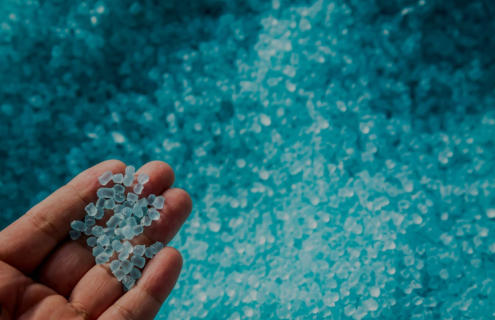
PS plastic is used in packaging, electronics, home appliances, medical equipment, and construction insulation materials due to its clarity, strength, and cost-effectiveness.
Masterbatch enhances PS by adding precise colorants, UV stabilizers, or flame-retardant elements, improving its performance and appearance without altering base polymer characteristics.
Yes, PS can be recycled through mechanical or chemical processes. Advanced masterbatch technologies also help reduce waste by improving reprocessability.
GPPS (General Purpose Polystyrene) is clear and brittle, ideal for transparent products. HIPS (High Impact Polystyrene) is tougher, more opaque, and used for impact-resistant applications.
Yes. Modern formulations include biodegradable or recycled PS grades. Eco-friendly masterbatch additives promote partial biodegradability and environmental performance improvements.


