


close
Choose Your Site
Global
Social Media


Views: 222 Author: Rebecca Publish Time: 2025-12-15 Origin: Site


Content Menu
● Understanding the Basic Composition of PP Plastic
● Types of PP Plastic Materials
● Key Properties of PP Plastic Material
● Masterbatch and Its Role in PP Plastic Enhancement
>> Types of Masterbatch Used in PP Plastic
>> Advantages of Using Masterbatch in PP
● Processing Methods for PP Plastic with Masterbatch
>> 2. Extrusion
● Applications of PP Plastic Material
>> 4. Electrical and Electronics
>> 5. Construction and Agriculture
● Environmental Aspects and Recyclability
● The Future of PP Plastic Materials
● FAQs About PP Plastic Material
>> 1. What is the difference between polypropylene and polyethylene?
>> 2. How is Masterbatch mixed with PP plastic?
>> 3. Can PP be recycled with Masterbatch additives?
>> 4. What are the main advantages of using Masterbatch in PP?
>> 5. Is PP plastic safe for food contact?
Polypropylene (PP) plastic material is one of the most widely used thermoplastics in the modern industrial landscape. Known for its versatility, durability, and chemical resistance, PP plastic has become a cornerstone in sectors such as automotive, packaging, consumer goods, and industrial manufacturing. Beyond its base polymer properties, the integration of Masterbatch technology has further expanded the performance and application scope of PP materials.
In this detailed article, we'll explore the chemical structure, processing methods, physical properties, applications, and the pivotal role Masterbatch plays in transforming PP plastic into a high-performance material suitable for complex industrial demands.
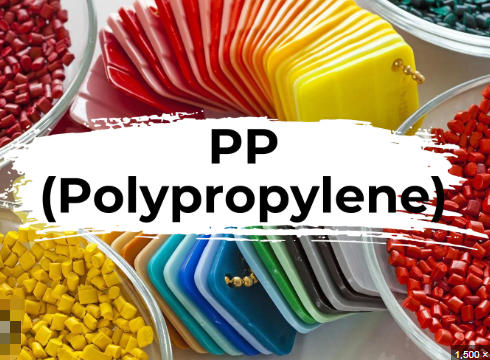
PP plastic, scientifically known as polypropylene, is a polymer of propylene monomers. It belongs to the polyolefin family, sharing similarities with polyethylene (PE). However, PP stands out for its higher melting point (around 160°C) and superior rigidity.
The molecular structure of polypropylene is semi-crystalline, which gives it a unique balance of toughness and flexibility. This structure allows PP to maintain mechanical strength in a wide range of temperatures while offering excellent resistance to fatigue, moisture, and many chemical solvents.
Procurement and customization of PP plastic are often influenced by additive technologies, such as color Masterbatch, UV Masterbatch, and antioxidant Masterbatch, which enhance the polymer's properties for specific end uses.
Polypropylene is categorized into several types based on the arrangement of its molecular chains and the method of polymerization. The three main types of PP materials are:
This form of polypropylene contains only propylene monomers. It offers the highest stiffness among all PP types, making it ideal for rigid products such as automotive interiors, containers, and industrial parts.
In random copolymer PP, ethylene monomers are randomly incorporated into the propylene chain. This modification reduces crystallinity and increases transparency. As a result, random copolymer PP is widely used in household items, clear packaging, and food containers. Incorporating optical Masterbatch can further enhance clarity and glossiness.
Block copolymer PP contains blocks of polyethylene molecules within the polypropylene chain, giving it superior impact strength. It is commonly used in structural applications and outdoor components. Manufacturers often use impact-modified Masterbatch to enhance its toughness under extreme conditions.
Polypropylene demonstrates a well-balanced set of physical and mechanical properties that make it a highly adaptable polymer. The most important ones include:
- Lightweight structure: PP's low density (around 0.9 g/cm³) makes it one of the lightest commercial plastics.
- High thermal resistance: It retains shape and mechanical performance at high temperatures.
- Chemical stability: PP resists most acids, alkalis, and organic solvents.
- Excellent fatigue resistance: Ideal for living hinges and bending applications.
- Good electrical insulation: PP is non-conductive and stable under a wide range of electrical conditions.
- Customizable surface properties: Through Masterbatch modification, PP can obtain specific finishes, such as matte, glossy, or anti-slip surfaces.
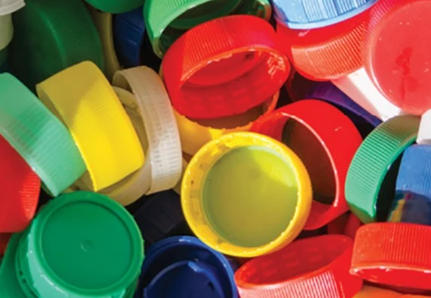
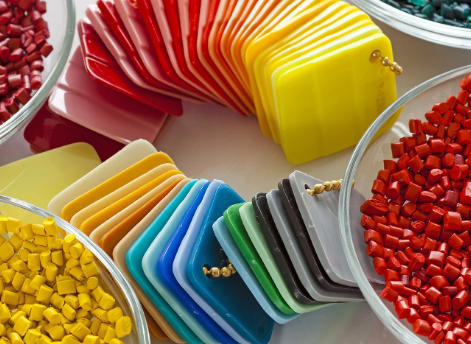
Masterbatch is a solid additive used to impart color, stability, or functional performance to base polymers like PP. It is produced by blending pigments, fillers, and additives into a carrier resin, then pelletizing the mixture for easy dispersion in the polymer during processing.
- Color Masterbatch: Provides consistent and vibrant coloration, improving aesthetic appeal.
- White and Black Masterbatch: Delivers opacity or deep black tones, depending on usage.
- Additive Masterbatch: Enhances UV resistance, flame retardancy, or antistatic properties.
- Filler Masterbatch: Reduces production costs and improves stiffness using mineral fillers such as talc or calcium carbonate.
1. Uniform dispersion of additives in the polymer matrix.
2. Cleaner and more efficient production compared to direct powder mixing.
3. Improved batch-to-batch color consistency.
4. Enhanced mechanical and optical properties of the final product.
5. Customizability for specific market demands, such as packaging or automotive parts.
For example, a UV Masterbatch incorporated into PP packaging can extend product lifespan by reducing photodegradation caused by sunlight. Similarly, PP fibers used in ropes and textiles often include antioxidant Masterbatch to prevent brittleness during extended outdoor exposure.
PP plastic can be processed through a variety of methods depending on the final application. Proper integration of Masterbatch during melt processing is essential to achieve uniformity and long-term stability.
This method creates three-dimensional products such as caps, containers, and automotive components. The Masterbatch pellets are blended with PP resin before being melted and injected into a mold.
Used for producing PP sheets, pipes, and films. Extrusion-grade Masterbatch ensures consistent color distribution and improved extrusion stability.
PP bottles, hollow containers, and tanks are commonly manufactured through blow molding. Here, the use of color Masterbatch prevents discoloration and ensures UV stability.
Used in the textile and carpet industries, PP fibers gain colorfastness and UV protection through light-stabilizer Masterbatch and antioxidant Masterbatch blends.
Polypropylene's versatility, combined with Masterbatch customization, makes it integral to numerous industries.
PP is widely used in food packaging, film, and container production due to its lightweight and food-safe nature. Incorporating antibacterial Masterbatch adds hygiene benefits for packaging medical or perishable products.
The automotive industry uses PP in interior trims, bumpers, and dashboards because of its high impact resistance and design flexibility. The addition of flame-retardant Masterbatch ensures safety compliance with automotive standards.
From furniture to storage solutions, PP's durability and affordability make it the preferred choice. Custom color Masterbatch enhances brand-specific color consistency.
Due to its excellent insulating properties, PP serves as a primary material in wire coverings, switches, and components. Antistatic Masterbatch is used to reduce dust attraction and increase safety.
PP is applied in geomembranes, ropes, nets, and irrigation fittings. Outdoor-grade UV Masterbatch ensures product stability even in intense sunlight exposure.
Polypropylene holds an advantage in sustainability due to its complete recyclability. It can be reprocessed multiple times with minimal property degradation. However, using recycled PP Masterbatch is crucial to restore mechanical strength and color uniformity in recycled polymers.
In recent years, the development of biodegradable Masterbatch and eco-friendly filler Masterbatch has paved the way for greener PP formulations. This innovation supports global initiatives to reduce plastic waste and promote circular economy models.
The future of polypropylene lies in continual innovation. Research focuses on improving its biodegradability, high-temperature performance, and resistance to environmental stress cracking. Many companies in China and worldwide are investing in custom-engineered Masterbatch technologies to meet the needs of industries shifting toward lightweight, energy-efficient, and recyclable materials.
Advanced Masterbatch formulations now integrate nanomaterials that enhance PP's barrier properties or thermal conductivity, moving PP plastics into advanced sectors such as electronics, biomedical devices, and smart packaging systems.
PP plastic material stands as one of the most important and versatile polymers available today. Its balance of light weight, durability, and process flexibility makes it indispensable to industries across the globe. When combined with specialized Masterbatch technologies—whether for color, UV stabilization, or mechanical enhancement—polypropylene becomes an adaptable solution for almost any engineering or commercial need.
As innovation continues to evolve in polymer science, Masterbatch-enhanced PP will remain a driving force in the transition toward sustainable manufacturing, offering both performance and environmental efficiency.
Polypropylene (PP) has a higher melting point and is more rigid than polyethylene (PE). PP is ideal for structural and high-temperature applications, while PE is more flexible.
Masterbatch is pelletized and blended with PP resin in a precise ratio during melt processing, ensuring even color or additive distribution.
Yes. PP containing standard Masterbatch can be recycled. Specialized recycling-grade Masterbatch helps maintain color and performance after reprocessing.
Masterbatch ensures consistent color, improves physical properties, reduces dust, and increases production efficiency compared to direct pigment or additive mixing.
Absolutely. Food-grade PP materials are non-toxic, odorless, and meet international food safety standards. Food-safe Masterbatch ensures compliance while enhancing color or UV stability.


