


close
Choose Your Site
Global
Social Media


Views: 222 Author: Rebecca Publish Time: 2025-12-24 Origin: Site


Content Menu
● Understanding the Basics of PLA Plastic
>> The Role of Masterbatch in PLA Manufacturing
● Properties and Characteristics of PLA Plastic
● Applications of PLA in Modern Industry
>> 1. Packaging and Food Containers
>> 2. Textile and Fiber Applications
>> 4. Agriculture and Horticulture
>> 5. Medical and Biotech Applications
● Sustainability and Environmental Advantages
>> Compostability and Biodegradation
● Challenges and Future Prospects of PLA
>> Innovation Trends in PLA Masterbatch Development
● Comparison Between PLA and Traditional Plastics
● Industrial Use Cases: PLA with Masterbatch Integration
● Global Market Trends for PLA
● FAQs About PLA Plastic Material
>> (1) What is PLA Masterbatch?
>> (2) Is PLA plastic truly biodegradable?
>> (3) Can PLA replace traditional plastics entirely?
>> (4) Is Masterbatch safe for food-grade PLA?
Polylactic Acid (PLA) plastic material has become one of the most discussed biodegradable polymers in recent years. As global industries shift toward sustainability, PLA stands out as a renewable and eco-friendly alternative to petroleum-based plastics. This article explores PLA's composition, manufacturing process, and its critical role in modern industries — particularly how Masterbatch technology enhances its performance and versatility.

PLA, or Polylactic Acid, is a biodegradable and bio-based thermoplastic derived primarily from renewable resources such as corn starch, sugarcane, or cassava roots. Unlike conventional plastics synthesized from fossil fuels, PLA decomposes through natural processes, making it more environmentally responsible and sustainable.
PLA belongs to the polyester family and shares similar properties with common plastics like polyethylene terephthalate (PET). However, it is distinct in its biodegradability and low carbon footprint, making it a highly attractive material in packaging, agriculture, medical applications, and consumer goods.
The production of PLA begins with the extraction of starch from renewable crops. This starch undergoes fermentation to produce lactic acid. Through controlled chemical reactions, lactic acid molecules are polymerized into long chains, forming polylactic acid — a material with unique mechanical and thermal properties.
The simplified production process involves:
1. Fermentation: Plant-based glucose converts into lactic acid via microbial action.
2. Polymerization: Lactic acid transforms into PLA through condensation or ring-opening polymerization.
3. Pellet Formation: The resulting PLA is cooled, cut into pellets, and prepared for various industrial applications.
A key factor that enhances PLA's performance is the use of Masterbatch — a concentrated mixture of pigments, additives, or fillers that modify the plastic's appearance and functionality. PLA Masterbatch can dramatically improve color uniformity, mechanical strength, UV resistance, and processability.
Manufacturers often use Masterbatch formulations during the compounding stage, blending these concentrated additives with base PLA resin. This allows for more precise control of color shades, gloss, biodegradation rate, and even tactile properties.
For instance:
- Color Masterbatch adds aesthetic variety to PLA products without compromising biodegradability.
- Additive Masterbatch incorporates UV stabilizers, antioxidants, or plasticizers.
- Filler Masterbatch integrates natural minerals or fibers to strengthen or modify the density of PLA-based materials.
PLA offers a balanced combination of mechanical strength, transparency, and biodegradability. Its properties can be tailored further using Masterbatch modifications.
- Tensile Strength: Comparable to PET; adequate for rigid packaging and disposable tableware.
- Transparency and Gloss: Naturally glossy and clear, making it ideal for packaging films and bottles.
- Thermal Stability: Can be increased through crystallization modifiers or heat-resistant Masterbatches.
- Biodegradability: Under industrial composting conditions, PLA decomposes into carbon dioxide, water, and biomass.
- Compatibility: Easily processable with standard plastic processing methods such as injection molding, extrusion, and thermoforming.
Though PLA is advantageous, it also has limitations — notably, lower heat resistance and brittleness compared to petroleum-based polymers. These shortcomings are often addressed through the intelligent application of PLA Masterbatch additives that enhance flexibility and durability.
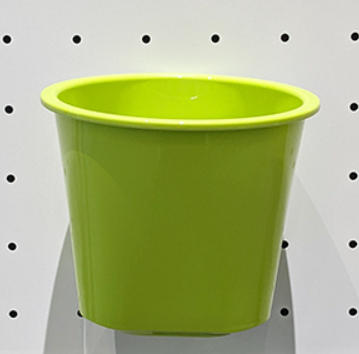
One of the largest markets for PLA plastic is packaging. Companies use PLA to manufacture biodegradable bottles, cups, clamshell packages, and films. When blended with certain Masterbatch systems, PLA becomes more resistant to heat, oxygen, and moisture — extending the shelf life of packaged goods.
PLA fibers are increasingly popular in the textile industry due to their comfort, softness, and sustainability. Color Masterbatch systems for PLA fibers allow brilliant and uniform dyeing while maintaining the biodegradability of the fabric.
PLA is a preferred material for 3D printing because of its ease of use, low warping, and glossy finish. Masterbatches help modify PLA filament colors and mechanical performance, making it suitable for professional-grade prototyping.
In agriculture, PLA films and clips biodegrade naturally in soil, reducing waste disposal issues. Anti-UV and antimicrobial Masterbatches can further optimize PLA for outdoor use.
Given its biocompatibility and predictable degradation, PLA is used in sutures, implants, and drug delivery systems. Medical-grade Masterbatches ensure purity and stability without introducing toxic elements.
PLA symbolizes the transition from a linear to a circular economy. Since it originates from renewable crops and can decompose back into natural substances, its lifecycle significantly reduces environmental pressure. Additionally, using Masterbatch formulations in controlled quantities minimizes resource consumption while expanding the material's usability.
Under industrial composting conditions (temperatures above 58°C and high humidity), PLA decomposes into non-toxic components within a few months. Although home composting occurs more slowly, the process remains environmentally sound. The addition of a degradable or mineral Masterbatch can accelerate or fine-tune the biodegradation process, depending on application requirements.
Despite its benefits, PLA still faces some challenges, including cost competitiveness, heat distortion, and recycling complexity. However, current R&D efforts — especially those involving Masterbatch enhancement — are addressing these hurdles.
Future innovations focus on:
- Thermal Stabilization: Masterbatches improving heat resistance above 100°C.
- Biodegradation Control: Adjusting decomposition rates for different environments.
- Barrier Improvement: Enhancing gas and moisture resistance for packaging.
- Performance Hybridization: Combining PLA with biofillers, bioplasticizers, or natural fibers through Masterbatch technology.
These trends are driving PLA's integration into mainstream applications, where sustainability and performance must coexist.
| Property | PLA | Conventional Plastics (e.g. PP, PET) |
|---|---|---|
| Source | Renewable (corn, sugarcane) | Fossil fuels |
| Biodegradability | Biodegradable & compostable | Non-biodegradable |
| Heat Resistance | Moderate | High |
| Mechanical Strength | Good but brittle | Excellent |
| Environmental Impact | Low carbon footprint | High carbon emissions |
| Customization via Masterbatch | Highly flexible | Flexible |
PLA's growing popularity stems from this striking balance — it is recyclable, compostable, and versatile, especially when paired with modern Masterbatch customization systems.
Combining PLA resin with barrier Masterbatch enhances moisture resistance for food wrapping applications. These specialized additives slow gas permeability and prevent nutrient loss, ensuring food safety.
Brightly colored items, from disposable cutlery to phone cases, rely on color Masterbatch for PLA to deliver vibrant, consistent hues that remain stable during thermal processing.
PLA blended with UV-protective Masterbatch resists sunlight degradation, extending the lifespan of mulch films and plant clips.
Sterile-grade Masterbatches allow PLA to maintain biocompatibility and withstand sterilization processes, ensuring material safety in hospitals.
Each industrial sector benefits from tailored PLA Masterbatch formulations that enhance product performance while maintaining ecological responsibility.
The global PLA market continues expanding at a compound annual growth rate (CAGR) exceeding 15%. Asia-Pacific — particularly China — remains the fastest-growing production zone. As China invests in advanced Masterbatch compounding technologies, domestic producers are improving their competitiveness and global export capacity.
PLA's growing integration into large-scale production systems demonstrates its long-term viability. Coupled with custom-engineered Masterbatch technologies, PLA is transitioning from niche eco-material to mainstream polymer.
PLA plastic material represents a major milestone in the pursuit of sustainable and high-performance materials. Derived from renewable biomass, it offers biodegradability, versatility, and reliability. However, to fully unlock PLA's potential, Masterbatch plays a crucial role. Through color, additive, and filler Masterbatches, manufacturers can fine-tune PLA properties to meet specific industrial needs — from packaging and textiles to medical and agricultural applications.
As global environmental regulations tighten and the demand for eco-friendly solutions surges, PLA — supported by innovative Masterbatch technologies — is shaping the future of green manufacturing and circular economy strategies.
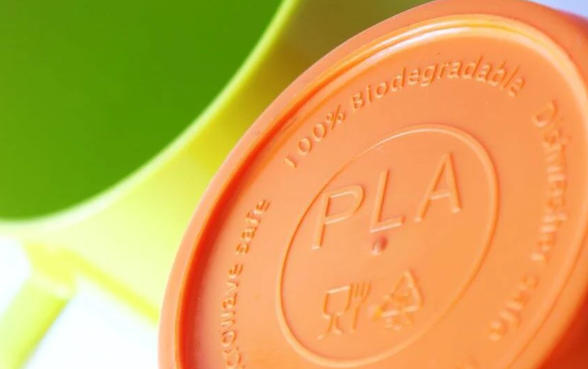
PLA Masterbatch is a concentrated additive used to modify PLA properties. It can enhance color, strength, UV resistance, or biodegradability without reducing material purity or safety.
Yes, PLA decomposes into water, carbon dioxide, and organic matter under industrial composting conditions. Some Masterbatches can even accelerate the degradation process.
While PLA is suitable for many applications, it still lacks high heat resistance compared to conventional plastics. However, modified Masterbatch formulations continue narrowing this performance gap.
Food-grade Masterbatches for PLA are formulated with FDA-approved additives and pigments, ensuring safety for use in cups, packaging, and utensils.
PLA can be mechanically or chemically recycled. Incorporating recycling-friendly Masterbatch systems helps preserve the polymer's integrity during reprocessing.


