


close
Choose Your Site
Global
Social Media


Views: 222 Author: Rebecca Publish Time: 2025-12-15 Origin: Site


Content Menu
● Understanding the Structure and Types of PE
>> Low-Density Polyethylene (LDPE)
>> High-Density Polyethylene (HDPE)
>> Linear Low-Density Polyethylene (LLDPE)
>> Ultra-High Molecular Weight Polyethylene (UHMWPE)
● Key Properties of PE Plastic
● The Role of Masterbatch in PE Plastic
>> Types of Masterbatch for PE
● Applications of PE Plastic Material
>> Construction and Infrastructure
>> Electrical and Cable Insulation
● Environmental Considerations and Recycling of PE
● The Future of PE and Masterbatch Technology
● FAQs About PE Plastic Material
>> 1. What is the main difference between HDPE and LDPE?
>> 2. Can PE plastic be recycled?
>> 3. What role does Masterbatch play in PE?
>> 4. Is PE safe for food packaging?
>> 5. What industries benefit most from PE plastic?
Polyethylene, commonly known as PE plastic, is one of the most versatile and widely used polymers in the world. From packaging films to industrial coatings and injection-molded components, PE plastic plays an essential role in modern manufacturing. It is lightweight, cost-effective, chemically resistant, and easily processed — a perfect choice for both commodity and technical applications. In recent years, advances in Masterbatch technology have further enhanced the performance, functionality, and aesthetic appeal of PE-based products.
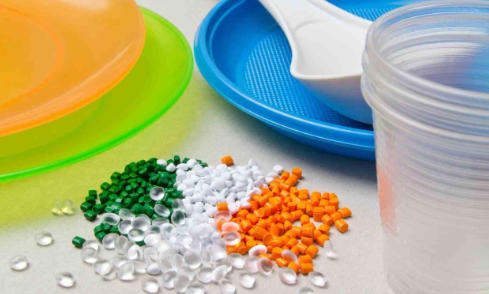
PE is a thermoplastic polymer made from the polymerization of ethylene monomers. Depending on its density, molecular weight, and branching, PE can be classified into several main categories.
LDPE has significant chain branching, resulting in a soft, flexible, and transparent material. It is widely used in films, plastic bags, agricultural coverings, and packaging applications. LDPE works well with additive Masterbatch, which can modify properties such as color, UV resistance, and processability.
HDPE has minimal branching, giving it higher strength, rigidity, and chemical resistance. It is used in containers, pipes, bottles, and industrial parts. Color and performance Masterbatch formulations are essential in HDPE applications to enhance durability, improve surface quality, and achieve brand-specific hues.
LLDPE is a copolymer of ethylene with short-chain olefins, exhibiting a balance between flexibility and strength. It is a popular choice for stretch films, geomembranes, and cable insulation. The use of additive Masterbatch allows LLDPE to maintain mechanical stability while optimizing processing efficiency.
UHMWPE features extremely long polymer chains, producing a material with outstanding abrasion resistance and impact strength. It is often used in engineering components, conveyor systems, and medical implants. Specialized performance Masterbatch formulations provide lubrication, antistatic, or wear-resistant properties to UHMWPE products.
PE exhibits a unique set of physical and chemical characteristics that make it suitable for diverse applications:
- Chemical resistance: Resistant to acids, alkalis, and solvents.
- Low moisture absorption: Provides water resistance for packaging.
- Electrical insulation: Excellent dielectric strength and low conductivity.
- Lightweight: Low density enhances material efficiency.
- Processability: Easily molded, extruded, or blown into films.
- Compatibility with Masterbatch: Accepts various additives for functionality and aesthetics.
The ability to modify these properties through Masterbatch technology allows manufacturers to tailor PE products precisely to end-use requirements.
A Masterbatch is a concentrated mixture of pigments, fillers, or additives encapsulated within a carrier resin, often based on PE. It is blended during processing to impart specific properties without handling raw powders or liquid additives directly.
- Color Masterbatch: Delivers consistent color and opacity; widely used in packaging and consumer goods.
- White Masterbatch: Incorporates TiO₂ for brightness and opacity, ideal for films and injection-molded containers.
- Black Masterbatch: Provides UV protection and strength, commonly used in pipes, cables, and agriculture films.
- Additive Masterbatch: Enhances functions such as anti-UV, anti-static, flame retardancy, or slip modification.
- Filler Masterbatch: Reduces costs and improves stiffness using calcium carbonate or talc.
These Masterbatch formulations make PE plastic more functional, durable, and visually appealing while maintaining manufacturing efficiency.
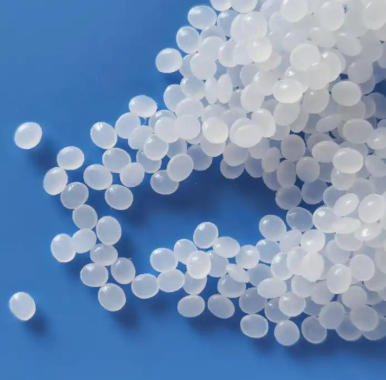
Due to its flexibility, PE covers an extensive range of applications:
PE dominates the global packaging sector. LDPE and LLDPE are used for stretch wraps, bubble films, laminates, and sealant layers in flexible packaging. Color and additive Masterbatch play a key role in maintaining aesthetic quality and shelf life.
HDPE pipes, geomembranes, and corrosion-resistant coatings are essential for water supply, drainage, and land reclamation projects. Filler Masterbatch offers improved dimensional stability and UV resistance, especially in outdoor applications.
Because of its dielectric strength, PE is employed for wire insulation and cable sheathing. Conductive or antistatic Masterbatch helps control surface resistivity and prevent charge accumulation.
PE is found in housewares, toys, and containers. Manufacturers use color Masterbatch to differentiate products while leveraging additive Masterbatch to enhance performance and sustainability.
From protective films to fuel tanks, PE's balance of toughness and chemical resistance is valuable. Flame-retardant Masterbatch helps improve safety and compliance with international standards.
Recycling PE is both achievable and economically beneficial. PE can be recovered through mechanical recycling or advanced chemical recycling, converting waste back into monomers or fuel.
The use of recycled PE (rPE) combined with eco-friendly Masterbatch allows manufacturers to reduce carbon footprints while maintaining quality. Bio-based additives and natural filler Masterbatches are also gaining attention in promoting circular economy principles.
- Sorting and cleaning multilayer films.
- Managing additive residues from previous formulations.
- Compatibility between different PE grades or copolymers.
Through continuous innovations in Masterbatch design, recyclability and reprocessing performance of PE materials are improving globally.
The future of PE materials will revolve around smart Masterbatch systems—combinations of renewable fillers, biodegradable carriers, and performance-driven additives. These new formulations aim to meet growing regulatory demands for sustainability while ensuring cost-effectiveness.
Companies focusing on R&D in Masterbatch and advanced polymer modification will shape the next generation of PE-based materials. Intelligent compounding technology, digital process control, and AI-assisted formulation development are already transforming how manufacturers create tailored polymer solutions.
PE plastic material remains a cornerstone of the global polymer industry due to its versatility, durability, and processability. The integration of Masterbatch technology has expanded its range of applications while allowing fine control over color, performance, and sustainability. Whether in packaging, infrastructure, or consumer goods, PE continues to serve as a foundation for innovation in materials science. As businesses push toward greener production, the synergy between advanced Masterbatch design and PE polymer development will define the next phase of sustainable manufacturing.
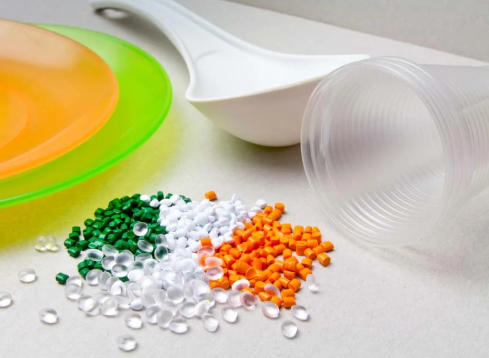
HDPE has a higher density and less branching, making it stronger and more rigid, while LDPE is flexible and has greater clarity. Each can be customized with Masterbatch for color or performance.
Yes, PE is highly recyclable. Clean and sorted PE waste can be reprocessed into new products. Using eco-friendly Masterbatch helps maintain quality during multiple life cycles.
Masterbatch provides color, UV stability, and performance enhancements to PE materials. It ensures consistent quality and simplifies production processes.
Food-grade PE is safe and widely used in packaging. Manufacturers typically employ food-contact approved color and additive Masterbatch to meet regulatory standards.
PE is used in packaging, construction, agriculture, automotive, and consumer products. Each application leverages unique Masterbatch formulations to meet its performance and appearance needs.


