


close
Choose Your Site
Global
Social Media


Views: 222 Author: Rebecca Publish Time: 2025-12-12 Origin: Site


Content Menu
● Understanding PC Plastic Material
● The Role of Masterbatch in PC Production
>> Types of Masterbatch Used with PC
>> Advantages of Using Masterbatch in PC Processing
● Key Properties of PC Plastic Material
● Processing Techniques for Polycarbonate Materials
● Applications of PC Plastic in Various Industries
>> Electronics and Electrical Components
>> Construction and Architecture
>> Medical and Healthcare Devices
>> Packaging and Optical Media
● Sustainability: PC and Recycling Innovations
● Global Market and Future Trends
>> (1) What are the main advantages of using PC plastic?
>> (2) How does Masterbatch improve PC performance?
>> (3) Can PC plastic be recycled?
>> (4) Is PC plastic safe for food contact?
>> (5) What industries benefit most from PC with Masterbatch?
Polycarbonate (PC) plastic material has become one of the most versatile engineering plastics used across modern industries. Its remarkable optical clarity, high-impact strength, and heat resistance make it a preferred choice for products ranging from automotive components and electronic devices to construction panels and packaging.
Behind the superior performance of PC materials lies another essential technology — Masterbatch, an additive solution that empowers manufacturers to control color, enhance physical properties, and optimize performance for specific applications. This article explores the nature of PC plastic, its core properties, processing methods, applications, and how Masterbatch formulations tailor it for diverse market needs.

PC plastic, short for *polycarbonate*, is a thermoplastic polymer containing carbonate groups within its chemical structure. It is categorized as an engineering-grade plastic due to its durability and stability under stress and extreme conditions.
Unlike ordinary commodity plastics such as polyethylene (PE) or polypropylene (PP), PC offers:
- Exceptional optical transparency
- High impact resistance (250 times stronger than glass)
- Dimensional stability
- Good thermal resistance (up to 135°C)
- Flame retardant properties
These features make PC plastic valuable in sectors demanding strength, clarity, and design flexibility.
Chemically, polycarbonate is synthesized via the polymerization of bisphenol A (BPA) and phosgene. This yields long polymer chains responsible for its toughness and resilience. However, depending on the intended use, manufacturers often modify or enhance PC using colorants, UV stabilizers, and reinforcing agents — often introduced through Masterbatch.
Masterbatch is a concentrated mixture of pigments, additives, or fillers encapsulated within a carrier resin that is compatible with the base polymer. In simpler terms, it is a “color and performance enhancer” for plastics.
When producing PC plastic materials, the Masterbatch is blended at a precise dosage to impart desired characteristics such as color, UV stabilization, flame retardancy, or improved mechanical properties. Masterbatch allows consistent, uniform dispersion of additives within the polymer during processing, improving product quality and reducing waste.
PC materials benefit from various tailored Masterbatch types, including:
1. Color Masterbatch – Adds color while preserving PC's optical clarity. Common in LED housings or eyewear lenses.
2. Additive Masterbatch – Provides functional improvements (UV resistance, flame retardant, heat stabilizer, or anti-scratch agents).
3. Reinforced Masterbatch – Contains fillers like glass fibers or nanocomposites to boost rigidity and dimensional stability.
4. Customized Masterbatch – Designed for specific customer needs, balancing color, performance, and processing ease.
Incorporating Masterbatch during PC molding or extrusion provides several benefits:
- Enhanced performance: Improved heat, light, or chemical resistance.
- Improved consistency: Uniform coloring and property distribution.
- Cost efficiency: Lower consumption of expensive additives.
- Simplified handling: Eliminates issues related to dust and uneven dispersions.
- Customization flexibility: Allows formulation for application-specific demands.
PC is known for its exceptional transparency and light transmittance — up to 90%, comparable to glass. This property makes it ideal for optical lenses, headlamp covers, and transparent machine guards.
Its high impact resistance means PC can endure mechanical shocks without cracking. This is particularly beneficial in safety helmets, vehicle components, and protective shields.
PC retains structural integrity at elevated temperatures (typically up to 135°C). Specialized heat-stabilizing Masterbatch formulations can further improve its performance in high-temperature environments.
Even under fluctuating thermal or mechanical stress, PC experiences minimal distortion, ensuring precision parts and long-term reliability.
With the right flame-retardant Masterbatch, PC materials meet safety requirements for electronic and electrical parts by reducing flammability and smoke emission.
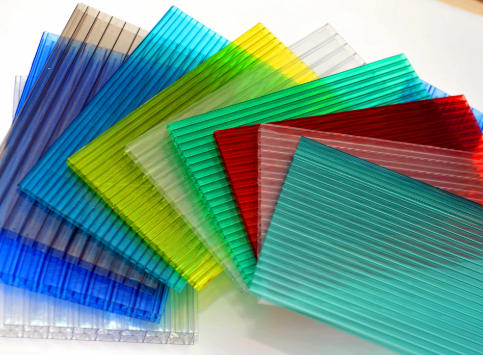
Common for high-volume production of PC parts such as optical discs, connectors, and lighting housings. Masterbatch is pre-mixed with PC resin for consistent color and additive dispersion.
Used for producing PC sheets, films, and pipes. Extrusion requires precise temperature control (280°C–320°C) to ensure uniformity. Pre-dispersed Masterbatch ensures optical clarity and prevents yellowing.
Ideal for creating hollow products like bottles or containers. PC's melt strength, improved through rheology-modifying Masterbatch, ensures even wall thickness.
Polycarbonate filaments are used in advanced additive manufacturing. Using specially formulated color or conductive Masterbatches, PC-based 3D prints achieve desired visual or electrical properties.
Polycarbonate replaces glass in automotive lighting, dashboards, and glazing applications because it offers lightweight performance and design flexibility. Additive Masterbatch enhances UV resistance and prevents material degradation due to sun exposure.
PC's flame resistance and electrical insulation capacity make it ideal for connectors, switches, housings, and LED covers. Flame-retardant Masterbatch formulations ensure compliance with international safety standards.
Transparent roofing sheets, skylights, and safety glazing benefit from PC's strength and weatherability. UV-protection Masterbatch prevents yellowing and extends service life in outdoor structures.
Because PC can be sterilized, it is used in syringes, surgical instruments, and transparent enclosures. Antibacterial Masterbatch ensures hygiene and chemical stability.
PC's clarity is perfect for packaging electronics or producing optical discs. Color Masterbatch aids branding through consistent visual aesthetics.
As sustainability becomes central to production strategies, manufacturers focus on PC recycling methods such as mechanical reprocessing and chemical depolymerization. Recycled-content Masterbatch helps reintroduce post-consumer polycarbonate into new products without compromising performance.
Furthermore, bio-based Masterbatch made from renewable carriers promotes eco-friendly formulations that reduce the carbon footprint in PC product manufacturing.
The demand for PC materials is expected to grow across automotive, electronics, and construction sectors. Key innovations include:
- Nano Masterbatch technology, which disperses nanoparticles for superior strength-to-weight ratio.
- Smart Masterbatch systems, allowing adjustable color or functional control during processing.
- Sustainable PC blends, integrating bio-resins and recycled content.
China is emerging as a major player in PC manufacturing and Masterbatch development, driven by rapid industrialization and global exports.
PC plastic material stands as one of the most powerful examples of engineering polymer innovation. Its transparency, toughness, and heat stability position it as an indispensable material across modern industries.
However, the performance and versatility of PC are closely intertwined with Masterbatch technology. Through precise formulations, Masterbatch unlocks new possibilities — from adding brilliant color and superior resistance to improving sustainability and cost efficiency.
As global demand rises, continuously advancing Masterbatch innovations will ensure that PC plastic remains at the forefront of high-performance materials for years to come.
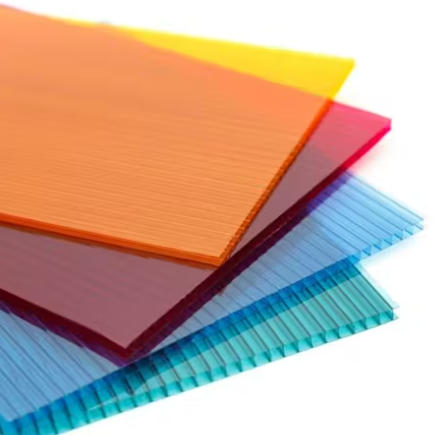
PC plastic offers high impact strength, optical clarity, and heat resistance. It combines the transparency of glass with the strength of metal, making it ideal for demanding engineering applications.
Masterbatch introduces pigments or additives into PC resin, allowing for consistent color, UV protection, flame resistance, or improved mechanical properties — all while maintaining production efficiency.
Yes. PC can be mechanically or chemically recycled into granules for reuse. Using a Recycled Masterbatch helps maintain product quality during reprocessing.
When produced to specific safety standards (BPA-free grades), PC is suitable for food containers, bottles, and medical applications. Additive Masterbatch ensures compliance with health regulations.
Automotive, electronics, medical, and construction industries all rely heavily on PC combined with tailored Masterbatch to improve strength, durability, and design flexibility.


