


close
Choose Your Site
Global
Social Media


Views: 222 Author: Rebecca Publish Time: 2025-12-12 Origin: Site


Content Menu
● Understanding MS Plastic Material
● Composition and Structure of MS Plastic
● The Role of Masterbatch in MS Plastic Applications
● Key Properties and Advantages of MS Plastic
>> 1. Excellent Transparency and Gloss
>> 2. High Chemical and Weather Resistance
>> 3. Exceptional Dimensional Stability
>> 4. Easy Processing and Compatibility
● Comparison: MS Plastic vs. Traditional Materials
● Applications of MS Plastic in Modern Industry
>> 1. Electronics and Electrical Components
>> 3. Lighting and Display Equipment
>> 4. Household and Consumer Products
>> 5. Construction and Decorative Panels
● Processing Techniques for MS Plastic
● Environmental Impact and Recyclability
● Future Development of MS Plastic Materials
● FAQ
>> 1. What is MS plastic material made of?
>> 2. How does Masterbatch improve MS plastic performance?
>> 3. Can MS plastic be recycled?
>> 4. What industries commonly use MS plastic materials?
>> 5. Is MS plastic environmentally friendly?
In today's rapidly evolving manufacturing world, material innovation plays a crucial role in shaping product performance, sustainability, and cost efficiency. One such innovative solution that is gaining wide recognition is MS plastic material—a modern high-performance plastic blend engineered to meet complex industrial needs.
This article explores what MS plastic material is, how it is used, why it matters to manufacturers, and its close relationship with Masterbatch technology in the global plastics industry.

MS plastic material, often referred to as Modified Styrene Plastic or Methyl Methacrylate-Styrene Copolymer, is a versatile polymer that combines the clarity of acrylic with the toughness of styrene-based plastics. This combination creates a balanced material offering both aesthetic appeal and mechanical reliability.
The “MS” in MS plastic typically represents a copolymer structure made from methyl methacrylate (MMA) and styrene monomers. The result is a transparent thermoplastic with enhanced impact strength, high gloss, and improved weather resistance—properties that make it an ideal alternative to traditional polystyrene or PMMA materials.
The distinctive performance of MS plastic comes from its unique molecular architecture. By blending MMA and styrene in controlled ratios, chemists can tailor specific material properties such as:
- Transparency and gloss: Comparable to acrylic while being easier to mold.
- Impact resistance: Better than standard GPPS (General-Purpose Polystyrene).
- Chemical resistance: Improved tolerance to alcohols and weak acids.
- Dimensional stability: Maintains form under heat and mechanical stress.
- Low water absorption: Ideal for humid or outdoor environments.
In addition, the base resin of MS plastic is highly compatible with different Masterbatch formulations—especially those involving pigments, UV stabilizers, flame retardants, and antistatic agents.
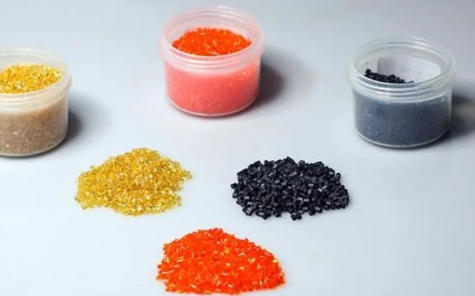
One of the most important factors in modern plastic manufacturing is Masterbatch technology. A Masterbatch is a concentrated mixture of pigments, additives, or fillers encapsulated within a carrier resin. It allows manufacturers to impart color, stability, and performance characteristics to plastic materials effectively and uniformly.
For MS plastic materials, Masterbatch integration ensures:
- Consistent color distribution without defects or streaks.
- UV resistance enhancement for outdoor applications.
- Customized mechanical properties, such as flexibility or hardness.
- Reduced processing defects during injection or extrusion.
Because MS plastic exhibits excellent compatibility with a wide range of polymers and additives, incorporating Masterbatch is both efficient and economical.
Common types of Masterbatch used with MS plastics include:
- Color Masterbatch: Adds vibrant, stable color to ensure product consistency.
- Additive Masterbatch: Enhances stability, flame retardancy, or UV protection.
- Functional Masterbatch: Introduces anti-fogging, anti-static, or antimicrobial effects.
The appeal of MS plastic stems from its well-balanced combination of clarity, processability, and strength. Below are its major advantages over conventional plastics:
MS plastic's optical clarity makes it ideal for display products, light diffusers, and consumer goods that require both beauty and durability.
Unlike standard polystyrene, MS plastic resists alcohols, detergents, and weak acids, maintaining structural integrity even in outdoor environments.
It retains shape over temperature variations, making it reliable for precision-molded parts and automotive components.
The material's flow and thermal behavior make it suitable for injection molding and extrusion. Moreover, it works seamlessly with pigment and additive Masterbatch products during production.
Compared to PC (Polycarbonate) or PMMA (Acrylic), MS plastic offers similar optical properties at a lower manufacturing cost, making it attractive for high-volume production.
| Property | MS Plastic | Polystyrene (PS) | Acrylic (PMMA) | Polycarbonate (PC) |
|---|---|---|---|---|
| Transparency | Excellent | Good | Excellent | Very good |
| Impact Resistance | Moderate to high | Low | Moderate | Very high |
| Heat Resistance | High | Moderate | High | Very high |
| Chemical Resistance | Good | Fair | Moderate | Good |
| Processing Cost | Moderate | Low | High | High |
| Masterbatch Compatibility | Excellent | Good | Good | Good |
From this comparison, MS plastic stands out as a balanced, mid-cost material that bridges the gap between conventional PS and high-end polymers like PC.
MS plastic's adaptability allows it to serve a wide range of applications across industrial and consumer sectors. When combined with appropriate Masterbatch formulations, its uses expand even further.
Used in transparent or colored housings for switches, indicator lenses, and protective covers. Color Masterbatch ensures aesthetic consistency across product lines.
Due to its gloss and toughness, MS plastic is suitable for decorative trims, dashboards, and light covers, enhanced with UV-resistant Masterbatch.
Offers high light transmission and optical clarity, making it ideal for LED lamps, diffusers, and signage panels.
From storage containers to cosmetic packaging, manufacturers choose MS plastic for its appealing surface finish and durability.
With weather-resistant Masterbatch additives, MS plastics are used for transparent roofing, window panels, and exhibition displays.
Like other thermoplastics, MS materials are processed primarily through injection molding, extrusion, and blow molding. However, certain key factors improve production efficiency and product quality:
1. Drying before molding: Ensure moisture removal to prevent surface defects.
2. Temperature control: Maintain uniform conditions between 200–250°C for steady flow.
3. Use of appropriate Masterbatch: The right pigmentation or additive blend prevents color separation and enhances brightness.
4. Post-processing treatments: For high-gloss applications, surface polishing or coating may be applied.
When properly processed, MS plastic delivers balanced toughness, transparency, and thermal resistance across diverse production lines.
Sustainability has become a critical consideration for the plastics industry. Although MS plastic is derived from petrochemical monomers, its long lifespan and full recyclability make it a more sustainable option than single-use polymers.
- Recyclable polymer: MS plastic can be reused through mechanical recycling processes.
- Reduced pigment waste: Using color Masterbatch cuts down on overuse of raw pigments and additives.
- Extended product life: Enhanced UV and chemical stability reduce replacement rates, minimizing waste.
When combined with eco-friendly bio-based Masterbatch or recycled resin blends, MS material can contribute to greener manufacturing solutions.
The global push toward lightweight, durable, and sustainable materials continues to drive demand for MS plastic. Research is expanding into bio-based Masterbatch systems, reinforcing additives, and nano-scale integration to improve the mechanical strength and environmental safety of the polymer.
Emerging trends include:
- Eco Masterbatch for biodegradable or partially bio-sourced products.
- Smart additives enabling heat resistance and self-cleaning surfaces.
- Optical-grade MS materials for next-generation LED and automotive lighting.
As customization and performance requirements increase, MS plastic's compatibility with Masterbatch will be even more critical to achieving tailored material outcomes for various industries.
MS plastic material represents a next-generation solution combining the best features of acrylic and styrene polymers. Its transparency, gloss, impact strength, and cost efficiency make it a preferred choice across electronics, automotive, and consumer product sectors.
Most importantly, its synergy with Masterbatch technology allows manufacturers to develop customized, high-value materials suitable for diverse applications. Through continuous innovation, MS plastic will play a vital role in the global shift toward sustainable, high-performance materials.
MS plastic is mainly composed of methyl methacrylate and styrene monomers. This copolymer structure gives it both clarity and toughness, making it suitable for packaging, lighting, and consumer goods.
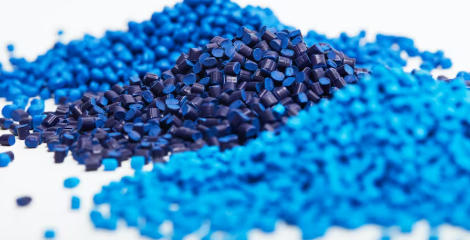
Masterbatch adds concentrated pigments and functional additives to MS plastic, enhancing color consistency, UV stability, flame retardancy, and durability during processing.
Yes. MS plastic is fully recyclable and can be reprocessed into new products. Recycled MS resin retains good optical and mechanical properties when properly separated and cleaned.
Industries like automotive, electronics, lighting, and home appliances rely heavily on MS plastics due to their transparency, stability, and customizable properties through Masterbatch integration.
While derived from petrochemical sources, MS plastic contributes to sustainability through long usage life, recyclability, and reduced pigment waste when processed with eco-friendly Masterbatch formulations.


