


close
Choose Your Site
Global
Social Media


Content Menu
● Typical composition of masterbatch
>> Filler and mineral masterbatch
>> White and black masterbatch
● How masterbatch is manufactured
>> Processing technologies and quality control
● Why plastics manufacturers use masterbatch
● Applications of masterbatch in plastics
>> Packaging and consumer goods
>> Automotive and transportation
>> Construction and infrastructure
>> Fibers, textiles, and cables
● How to select the right masterbatch
● FAQ
>> 1: What is masterbatch used for?
>> 2: How is masterbatch added to plastics?
>> 3: What is the difference between masterbatch and compound?
>> 4: Can masterbatch be used in food packaging?
>> 5: How do I choose between color masterbatch and liquid color?
Masterbatch is a highly concentrated mixture of pigments and/or functional additives that are dispersed in a carrier polymer and supplied in pellet form to be mixed with base resins during plastics processing. By dosing a relatively small amount of masterbatch into natural polymer, processors can accurately control color, appearance, and performance properties of the final plastic product while maintaining clean, efficient production.[10][11][12][13]
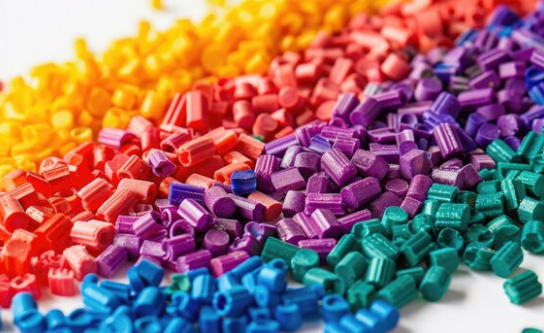
In technical terms, masterbatch is an intermediate compound containing high loadings of coloring agents, fillers, and functional additives inside a compatible carrier resin such as polyethylene (PE), polypropylene (PP), polyvinyl chloride (PVC), polystyrene (PS), or polyethylene terephthalate (PET). During extrusion, injection molding, blow molding, or fiber spinning, the masterbatch pellets are blended with natural polymer at a specified let‑down ratio until the final article meets the required color strength and performance level.[11][12][13][10]
Masterbatch can be tailored to provide a wide range of effects including opacity, transparency, gloss, surface feel, UV resistance, flame retardancy, antistatic behavior, barrier properties, and antimicrobial performance. This flexibility makes masterbatch a central technology for modern plastic manufacturers serving packaging, automotive, construction, consumer goods, agriculture, and many other industries.[12][14][15][16]
A masterbatch formulation usually includes four main components: carrier polymer, pigments or dyes, functional additives, and optional fillers or processing aids. The exact ratios depend on the target color, mechanical properties, processing method, and regulatory requirements of the end application.[17][18][11][12]
- Carrier polymer provides the matrix that holds pigments and additives, ensuring compatibility with the customer's base resin and enabling uniform dispersion during processing.[11][17]
- Pigments and dyes deliver color and opacity, and may include organic pigments for bright shades and inorganic pigments such as titanium dioxide or iron oxides for opacity and lightfastness.[19][12]
- Additives supply technical functions such as UV stabilization, antioxidant protection, slip and antiblock, antistatic behavior, nucleation, flame retardancy, or antimicrobial performance.[14][20]
- Fillers and processing aids like calcium carbonate, talc, or lubricants can modify stiffness, shrinkage, surface finish, and cost, particularly in filler masterbatch and mineral masterbatch systems.[7][21]
Because masterbatch is highly concentrated, the dosage in the final product is typically only a few percent by weight, which allows processors to fine‑tune properties without significantly altering the base polymer's processing behavior.[13][12]
Color masterbatch is formulated to provide accurate and repeatable coloration in plastics, from simple single‑pigment shades to complex special‑effect systems. By pre‑dispersing pigments in a compatible carrier, color masterbatch helps avoid streaks, specks, and inconsistencies that often occur when using raw pigment powders.[1][18][22][12]
Color masterbatch can be customized to match Pantone, RAL, or brand‑specific references, and may include different pigment technologies depending on lightfastness, heat resistance, and regulatory requirements for the application. Special‑effect color masterbatch can create metallic, pearlescent, fluorescent, marbled, or phosphorescent appearances that help differentiate products in competitive markets.[20][21][12]
Additive masterbatch focuses on functionality rather than visual appearance, incorporating stabilizers and modifiers into the plastic matrix. Typical additive masterbatch types include:[14][20]
- UV stabilizer and UV absorber masterbatch to protect outdoor products such as agricultural films, pipes, and outdoor furniture from sunlight degradation.[15][16]
- Antioxidant masterbatch to protect polymers from thermal and oxidative damage during processing and long‑term use.[18][20]
- Flame‑retardant masterbatch formulated to help plastics meet fire safety standards in building, transportation, and electronics applications.[21][20]
- Antistatic, slip, antiblock, anti‑fog, and processing aid masterbatch systems that improve film runnability, surface performance, and packaging efficiency.[11][14]
By using additive masterbatch, manufacturers can adjust the performance of a single base resin to serve multiple applications without changing the primary polymer.[12][20]
Filler masterbatch, often based on calcium carbonate or talc, is widely used to reduce material cost and modify mechanical properties such as stiffness, dimensional stability, and shrinkage. Mineral masterbatch can also enhance opacity, printability, and barrier behavior in films and sheets.[7][17][21][11]
Careful control of particle size distribution and dispersion in filler masterbatch is crucial because poorly dispersed fillers can weaken the material or create surface defects. When properly formulated, filler masterbatch can improve productivity by allowing higher line speeds and better bubble stability in film blowing, while maintaining acceptable mechanical properties.[5][6][17]
White masterbatch contains high loadings of titanium dioxide to provide opacity, brightness, and whiteness in films, bottles, caps, closures, and injection‑molded parts. The choice of titanium dioxide grade and loading level in white masterbatch influences hiding power, gloss, and processing performance.[17][18][11]
Black masterbatch typically uses carbon black as the main pigment, offering deep black coloration, UV protection, and light‑blocking capability. It is essential for outdoor pipes, agricultural films, cables, and many industrial products where weather resistance and light shielding are critical.[16][18][21]
The masterbatch manufacturing process is a specialized compounding operation that aims to distribute pigments and additives as evenly as possible within the carrier polymer. Although every producer has its own optimized procedure, several core stages are common.[3][23]
First, raw materials such as base resin, pigments, fillers, and additives are selected, dried if necessary, and inspected to meet predefined quality standards. These ingredients are then accurately weighed according to the masterbatch formulation and premixed in high‑speed mixers to achieve a homogeneous dry blend before melt processing.[4][3][5]
The premixed material is fed into an extruder—often a co‑rotating twin‑screw system—where heat and shear forces melt the carrier polymer and disperse the pigments and additives. The molten compound is forced through a die to form continuous strands, which are cooled in a water bath or air‑cooling system and then cut into pellets using a pelletizer.[6][3][4]
Finally, the masterbatch pellets are dried, screened, and subjected to quality control tests for parameters such as color strength, dispersion quality, moisture content, melt flow index, and specific functional performance. After passing these tests, the masterbatch is packed in moisture‑resistant bags or containers for storage and shipment.[3][4][5]
Modern masterbatch lines employ automated feeding and dosing systems, advanced twin‑screw extruders with optimized screw designs, and centralized process control to ensure stable quality and repeatability. Online and offline testing can include spectrophotometric color measurement, rheological evaluation, and mechanical and functional tests that simulate real processing conditions.[1][4][5][6]
These quality‑focused technologies allow masterbatch producers to maintain tight tolerances and ensure that each batch delivers the same performance when diluted into the customer's polymer, which is critical for brand consistency and regulatory compliance.[5][1]
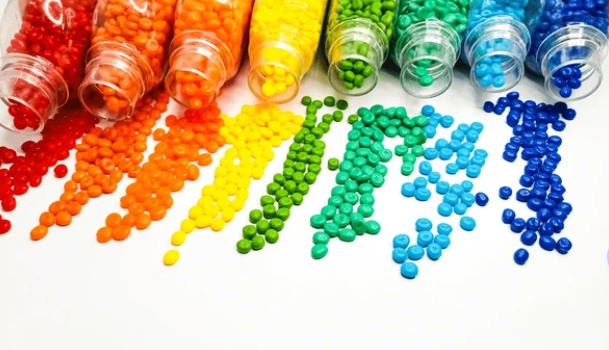
One of the main reasons manufacturers prefer masterbatch over raw pigments or liquid systems is improved handling and safety. Pigments and some additives can be dusty, messy, and potentially hazardous when handled in pure form, while masterbatch pellets are clean, free‑flowing, and safer to dose.[12][14][17]
Another key advantage of masterbatch is dosing accuracy and product consistency. With pelletized masterbatch, processors can use standard gravimetric or volumetric feeders to meter precise amounts, greatly reducing batch‑to‑batch and within‑batch variations in color and properties.[1][14][12]
Masterbatch also enhances dispersion of pigments and additives within the polymer melt, which helps prevent color streaks, specks, and mechanical weak points in finished parts. Pre‑dispersion in a controlled compounding step ensures that pigments are properly broken down and distributed, even in high‑throughput processing environments.[23][3][1][12]
Finally, masterbatch offers processing flexibility and inventory efficiency because a single natural polymer can be combined with many different masterbatch grades to create a broad product portfolio. Instead of stocking numerous colored or additive‑rich compounds, converters can keep a few base resins and a range of masterbatch options to respond quickly to market demands.[24][16][11][12]
In packaging, masterbatch plays a vital role in brand identity, shelf appeal, and protection of contents. Color masterbatch enables consistent brand colors for films, bottles, caps, closures, and rigid containers, while special‑effect masterbatch can create metallic or pearlescent looks for premium packaging.[16][18][20][17]
Additive masterbatch is used extensively in packaging films to provide UV protection, anti‑fog performance, antiblock behavior, slip properties, and improved sealing behavior. These functions help maintain food quality, extend shelf life, and improve packaging line efficiency.[15][16][11]
Consumer products such as toys, kitchenware, electronics housings, and household goods rely on masterbatch to provide vibrant colors, scratch resistance, and functional properties such as flame retardancy or antimicrobial action. Carefully chosen masterbatch solutions allow consumer brands to meet both aesthetic and safety requirements in global markets.[18][15][16][17]
The automotive industry uses masterbatch in both interior and exterior parts, ranging from dashboards and door trims to bumpers, under‑the‑hood components, and wiring. Color masterbatch supports complex styling requirements and harmonized color schemes, while additive masterbatch improves heat resistance, UV stability, and long‑term durability in demanding environments.[20][15][16]
Flame‑retardant and smoke‑suppressant masterbatch systems help automotive components meet strict safety regulations. In addition, masterbatch plays a role in lightweighting strategies by enabling high‑performance compounds that maintain strength and aesthetics while reducing overall vehicle mass.[21][17][20]
Construction applications for masterbatch include pipes, profiles, sheets, roofing membranes, cables, and geomembranes. Black masterbatch with carbon black provides weatherability and UV resistance for outdoor pipes and geomembranes, preventing cracking and premature failure.[16][17][18]
Additive masterbatch is used to improve impact strength, flame resistance, and aging performance in building materials, ensuring that plastic components maintain performance over long service lives. White masterbatch and filler masterbatch are also common in construction for opaque sheets and profiles where stiffness, cost optimization, and light stability are important.[17][20][21][16]
In fibers and textiles, masterbatch is typically added to the polymer melt prior to spinning to achieve uniform coloration and functional properties along the entire filament length. This approach avoids the need for post‑dyeing processes and offers high colorfastness in end uses such as carpets, nonwovens, apparel, and industrial fabrics.[20][12][17]
Cable and wire producers use masterbatch in insulation and jacketing compounds for color coding, flame retardancy, UV stability, and specialized electrical properties. Reliable masterbatch performance is crucial for meeting international cable standards and ensuring long‑term reliability in power and communication networks.[18][12][16]
Selecting an appropriate masterbatch for a given project starts with understanding the base polymer and processing method. The masterbatch carrier must be compatible with the main resin to ensure good dispersion, mechanical integrity, and surface quality in the final product.[11][17][18]
Next, performance requirements such as color strength, weatherability, flame behavior, mechanical properties, and regulatory compliance must be defined. Food‑contact packaging, medical devices, toys, and building components may all require different pigment and additive choices to meet standards like FDA, EU food‑contact regulations, REACH, or regional fire codes.[12][17][18][20]
Processing conditions such as melt temperature, residence time, shear rate, and cooling conditions also influence masterbatch choice. For example, high‑temperature processing may require heat‑stable pigments and antioxidants, while thin films and fibers need finely dispersed pigments and carefully designed additive systems to avoid defects.[6][1][20][12]
Working closely with a masterbatch supplier allows manufacturers to optimize let‑down ratios, adjust masterbatch formulations for cost and performance, and troubleshoot issues such as color drift, blooming, or poor dispersion. Trials and iterative adjustments are often used to fine‑tune masterbatch performance under real production conditions.[24][5][1][12]
Masterbatch is a strategic tool for plastics manufacturers, combining pigments, fillers, and functional additives in a compatible carrier polymer to deliver controlled color and performance at low dosing levels. Through a carefully engineered manufacturing process and precise formulation design, masterbatch enables cleaner handling, better dispersion, more consistent quality, and greater flexibility than handling raw pigments or additives directly, making it indispensable across packaging, automotive, construction, textiles, and many other plastic‑intensive sectors.[10][14][15][12]
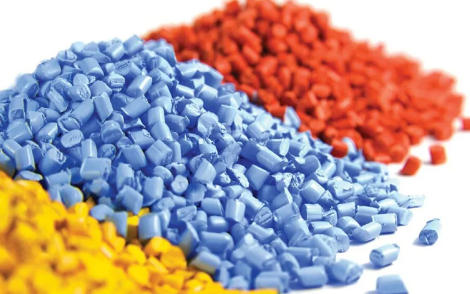
Masterbatch is used to introduce color and functional properties such as UV stability, flame retardancy, antistatic behavior, slip, antiblock, and antimicrobial performance into plastic products. It is applied in films, bottles, pipes, automotive parts, cables, textiles, and consumer goods to ensure consistent appearance and reliable performance.[14][15][16][12]
In practice, masterbatch pellets are combined with natural polymer granules and fed together into an extruder, injection molding machine, blow molding line, or fiber spinning system. The dosage, often between about 1–5%, is controlled by dosing equipment so that the masterbatch delivers the desired color strength or functional effect in the final article.[13][6][1][12]
Masterbatch is a highly concentrated additive or color system that must be diluted into a base resin during processing, while a compound is a fully formulated material ready for direct use without further addition of masterbatch. Masterbatch gives processors more flexibility to adjust properties on‑line, whereas compounds are suitable when a fixed formulation and simplified logistics are preferred.[25][1][18][12]
Masterbatch can be used in food packaging provided that the carrier resin, pigments, and additives comply with applicable food‑contact regulations and migration limits. Many suppliers offer certified food‑grade color masterbatch and additive masterbatch specifically designed for bottles, films, and rigid containers that contact food and beverages.[16][17][18][11]
Color masterbatch is generally preferred when easy handling, low dust, broad compatibility, and stable storage are important priorities in plastics processing. Liquid color systems can be advantageous for certain high‑speed operations, but pelletized color masterbatch remains the dominant solution in many packaging, consumer, and technical plastic applications due to its robustness and ease of use.[14][18][20][11]
[1](https://www.materials.zone/blog/8-steps-to-optimize-the-masterbatch-manufacturing-process)
[2](https://masterbatchglobal.com/articles/inside-the-masterbatch-manufacturing-process/)
[3](https://www.debaomasterbatch.com/News_Events/2025-09-04/masterbatch-manufacturing-process.html)
[4](https://www.charmingmb.com/2025/10/09/masterbatch-manufacturing-process-a-complete-guide-to-production-and-innovation/)
[5](https://kaysapolymer.com/en/masterbatch-production-process/)
[6](https://jieyatwinscrew.com/blog/masterbatch-production-line/)
[7](https://alokmasterbatches.com/blogs/what-is-masterbatch-its-manufacturing/)
[8](https://www.badgercolor.com/Portals/0/Documents/Masterbatch%20Vs%20Dry%20Blending%20Badger%20Color.pdf?ver=cN7ZleNGKu9hiVD3-ER7_A%3D%3D)
[9](https://www.acimaterials.com/applications/masterbatch-manufacturing/)
[10](https://en.wikipedia.org/wiki/Masterbatch)
[11](https://europlas.com.vn/en-US/blog-1/masterbatch-definition-applications-market-trends-and-more)
[12](https://deltatecnic.com/complete-guide-to-masterbatch/)
[13](https://okcoloramerica.com/what-is-masterbatch/)
[14](https://www.microban.com/blog/top-5-benefits-of-using-polymer-masterbatches)
[15](https://www.jmpolymers.fr/en/the-role-of-masterbatch-in-the-production-of-plastics/)
[16](https://petroshid.com/masterbatches-the-key-to-enhanced-plastic-production/)
[17](https://www.polychemer.com/news/plastic-masterbatch-a-comprehensive-analysis-78924061.html)
[18](https://www.tosaf.com/article/plastic-masterbatch-article/)
[19](https://alokmasterbatches.home.blog/2025/03/05/the-different-types-of-masterbatches-and-their-applications/)
[20](https://masterbatchglobal.com/articles/masterbatch-technology-plastics/)
[21](https://www.cosmochem.in/blog/what-are-different-types-of-masterbatches)
[22](https://www.cowellextrusion.com/what-are-the-types-of-masterbatch/)
[23](https://granuwelextruder.com/masterbatch-manufacturing-process-how-its-made/)
[24](https://www.charmingmb.com/2025/11/20/what-is-masterbatch-meaning-a-complete-guide-for-2025/)
[25](https://www.sciencedirect.com/topics/engineering/masterbatch)


