


close
Choose Your Site
Global
Social Media


Views: 222 Author: Rebecca Publish Time: 2025-11-27 Origin: Site


Content Menu
● Understanding Masterbatch And Filler Masterbatch
● Main Components Of Filler Masterbatch
● Production Process Of Filler Masterbatch
● Functional Roles Of Filler Masterbatch
● Application Fields Of Filler Masterbatch
● Advantages Of Using Filler Masterbatch
● Practical Use Of Filler Masterbatch In Production
● Filler Masterbatch And Other Masterbatches
● Quality And Sustainability Issues
● FAQ About Filler Masterbatch
>> (1) What is filler masterbatch?
>> (2) How much filler masterbatch can be used?
>> (3) Will filler masterbatch damage plastic quality?
>> (4) Can filler masterbatch be recycled?
>> (5) How to choose a suitable filler masterbatch supplier?
Filler masterbatch is a cost-effective plastic modifier that combines high-load mineral fillers with a polymer carrier to reduce resin usage while maintaining or even improving the mechanical and processing properties of plastic products. In modern plastics manufacturing, filler masterbatch has become a key solution for films, bags, injection molding, pipes, and many other high-volume applications.[6][7][11][12]

In general, masterbatch is a concentrated mixture of pigments and/or additives encapsulated in a polymer carrier, supplied in pellet form for convenient dosing into plastics. Processors use masterbatch to color plastics or modify their properties without handling powders or liquid additives directly.[13][14]
Filler masterbatch is a specific type of masterbatch where the primary component is mineral filler rather than pigment. This filler masterbatch is used to “fill” the base resin, lowering cost and tuning performance while keeping processing simple and stable.[7][11][12][15]
A typical filler masterbatch formulation contains three essential elements: mineral fillers, a polymer carrier, and small amounts of functional additives. Each part plays a clear role in achieving good dispersion, stable processing, and predictable properties in the final product.[11][12][6][7]
Mineral fillers in filler masterbatch are usually calcium carbonate, talc, barium sulfate, kaolin, or similar inorganic powders with controlled particle size and purity. These fillers influence stiffness, opacity, density, thermal behavior, and even surface feel when the filler masterbatch is added to the base polymer.[12][15][16][7][11]
The carrier resin in filler masterbatch is normally a polyolefin such as PE or PP that is compatible with the target application. Good compatibility between carrier and base resin allows the filler masterbatch to disperse quickly and bond strongly during melting and mixing.[15][17][18][12]
Additives in filler masterbatch include dispersing agents, coupling agents, lubricants, and sometimes processing aids or stabilizers. Although they represent only a small fraction of the filler masterbatch, these additives are crucial for achieving fine dispersion, low-gel content, and good surface quality.[14][19][6][12]
The manufacture of filler masterbatch is a controlled compounding process that converts loose powders and polymers into uniform, dust-free pellets. This process ensures that, when processors use filler masterbatch, they benefit from pre-optimized dispersion instead of struggling with in-house powder mixing.[18][6][12][14]
Production typically starts with preparation and weighing of mineral fillers, carrier resin, and additives according to a defined formula for each filler masterbatch grade. The materials are then mixed in high-speed mixers or pre-blenders to create a homogeneous dry blend suitable for extrusion.[17][20][21][11]
Next, the blend is fed into a twin-screw or advanced single-screw extruder, where it is melted, kneaded, and dispersed under specific temperature and shear conditions. In this stage, the extruder ensures that the fillers in the filler masterbatch are evenly distributed in the polymer melt, breaking up agglomerates and coating particles with resin.[6][12][17][18]
The molten compound exits the die as strands, which are cooled in water or air and then cut into pellets, forming the final filler masterbatch product. After pelletizing, the filler masterbatch is dried if needed, screened, and packed in moisture-protected bags or bulk containers.[19][14][18][6]
Quality control is performed throughout the process to check filler loading, melt flow index, dispersion quality, ash content, and moisture level. Stable quality in filler masterbatch allows processors to run their lines at high efficiency with minimal adjustment from batch to batch.[22][19][6]
Filler masterbatch offers more than simple dilution of resin; it plays multiple functional roles in plastic formulations. When used properly, it can improve stiffness, stability, and processing efficiency while significantly reducing material costs.[7][11][12][6]
The most obvious function of filler masterbatch is cost reduction through partial replacement of expensive virgin resin with lower-cost mineral fillers. Because the fillers in filler masterbatch have high loading levels, even modest dosing percentages can create meaningful savings for high-volume producers.[2][11][15][7]
Filler masterbatch also enhances mechanical properties such as rigidity, compressive strength, and dimensional stability, especially at moderate to high loading levels. In applications like pipes, sheets, and molded parts, using filler masterbatch can reduce warpage, improve shape retention, and provide a more “solid” feel.[3][23][6][7]
Thermal and processing behavior is another important area where filler masterbatch has impact. Mineral fillers can increase thermal conductivity, helping molds and films cool faster and boosting output rates in injection and blow-molding.[1][5][11]
Additionally, filler masterbatch can influence surface characteristics such as gloss, smoothness, printability, and friction. For example, a CaCO3-based filler masterbatch often improves print adhesion and imparts a paper-like touch in films and bags.[23][1][22][7]
Because of its versatility, filler masterbatch is applied across many segments of the plastics industry. It is especially important wherever large volumes, aggressive cost targets, and consistent mechanical properties are required.[24][1][6][7]
In film and bag production, filler masterbatch is widely used for shopping bags, garbage bags, liners, agricultural films, and industrial packaging. Here, filler masterbatch helps reduce material costs, increase stiffness, improve anti-blocking, and provide better print surfaces for logos and text.[1][23][6]
For raffia and woven sacks, PP-based filler masterbatch is used in tapes and fabrics to improve stiffness, weaving ability, and dimensional stability. The filler masterbatch also contributes to anti-fibrillation, making tapes less likely to split during weaving and handling.[5][23][1]
In injection molding, filler masterbatch is applied in crates, household items, furniture, appliance housings, and many consumer and industrial components. The added stiffness and reduced shrinkage from filler masterbatch can improve part quality, reduce warping, and deliver a more rigid product at lower material cost.[23][1][6]
Blow-molded products, such as bottles, containers, and technical hollow parts, often use filler masterbatch for improved heat resistance and mechanical strength. Filler masterbatch in these applications can also reduce color masterbatch consumption because the base is less translucent and needs less pigment to reach target opacity.[2][5][1]
Pipes, profiles, and sheets benefit from filler masterbatch through enhanced stiffness, dimensional stability, and controlled density. In construction-related products, higher filler levels in filler masterbatch help achieve cost-efficient formulations that still meet performance requirements.[3][1][6]
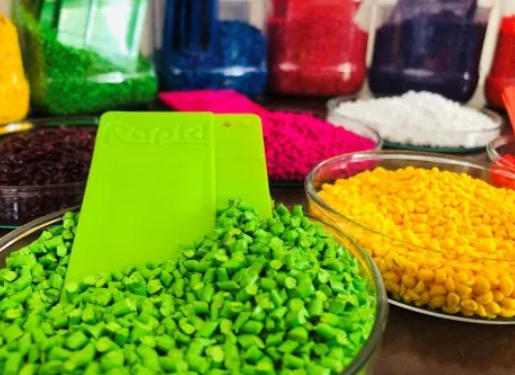
Switching from direct powder use to filler masterbatch brings multiple advantages in terms of handling, consistency, and processing. These advantages directly impact productivity, scrap rates, and overall profitability for plastic converters.[11][12][6][7]
First, filler masterbatch offers superior dispersion because minerals are pre-compounded under optimized conditions. This reduces agglomeration and ensures uniform mechanical and visual properties in the final plastic parts.[12][17][1][6]
Second, pellets of filler masterbatch are far easier and cleaner to handle than loose powder. Using filler masterbatch minimizes dust, reduces health and safety risks, and avoids contamination of machines and factory environments.[17][18][1][12]
Third, filler masterbatch makes formulation control simple and flexible. Processors can adjust filler content simply by changing the percentage of filler masterbatch in the recipe without re-engineering their complete compounding system.[1][6][7][12]
Fourth, using a well-designed filler masterbatch typically lowers total material cost per kilogram of finished product, especially in mass-market items. The combination of cheaper fillers, more stable processing, and potential cycle time reductions gives filler masterbatch strong economic appeal.[2][7][11][1]
Finally, filler masterbatch supplied by experienced manufacturers offers stable quality, including consistent MFI, filler ratio, and moisture content. This stability helps processors reduce production variability, machine adjustments, and downtime.[19][6][1]
There is no single “universal” filler masterbatch; instead, multiple types are developed for different needs and resin systems. Choosing the right filler masterbatch type allows converters to fine-tune their products for both performance and cost.[25][24][6][12]
CaCO3 filler masterbatch is the most common, built on finely ground calcium carbonate combined with an appropriate carrier. It is widely used in films, bags, raffia, sheets, and injection parts because it offers a good balance of cost, stiffness, and processability.[6][11][23][1]
Talc filler masterbatch employs talc as the main mineral and is preferred when higher heat resistance and dimensional stability are needed. This type of filler masterbatch is popular in automotive and technical applications where temperature performance and rigidity are critical.[15][12][6]
Barium sulfate filler masterbatch provides higher density and strong opacity, and is used in products that need weight or specific barrier properties. Typical uses include some specialized films, high-density components, and shielding or decorative items where the filler masterbatch helps reach target density.[25][3][15]
Bio filler masterbatch combines mineral filler with biodegradable or bio-based carriers such as PLA or PBAT. This kind of filler masterbatch supports sustainability goals by reducing traditional polymer usage and improving the environmental profile of final products.[8][24][25]
There are also multifunctional and tailor-made filler masterbatch products that integrate several fillers or combine fillers with additives like UV stabilizers, antistatic agents, or slip additives. Such filler masterbatch grades help customers achieve multiple functions in a single product for simplified logistics and dosing.[5][12][25][6]
Using filler masterbatch in production is generally straightforward, but achieving optimal results requires some attention to compatibility, dosage, and processing conditions. Careful setup avoids problems such as poor dispersion, weak mechanical properties, or surface defects.[7][12][1][6]
The starting point is choosing a filler masterbatch with a carrier resin that matches the primary base polymer. For example, PE-based filler masterbatch is appropriate for PE films, while PP-based filler masterbatch should be used in PP raffia or injection molding.[12][15][1][6]
Typical addition rates for filler masterbatch vary by application and performance target. In injection and blow-molding, filler masterbatch may be used at levels from about 5–30%, with maximum levels up to roughly 50% in some cases.[5][1][6]
For films, sheets, sacks, and raffia, normal filler masterbatch addition is often in the 2–20% range. In PE and PP tapes, common filler masterbatch usage levels range around 5–30%, depending on required stiffness and anti-fibrillation performance.[1][5]
Mixing methods also influence dispersion quality. Filler masterbatch pellets can be dry-blended with base resin in the hopper or metered by gravimetric and volumetric feeders to maintain constant ratios.[26][17][5][1]
Processing conditions such as barrel temperature profile, screw speed, and back pressure may require slight adjustment when filler masterbatch is introduced. Because fillers affect melt viscosity and heat transfer, optimizing these parameters helps maintain throughput and part quality.[5][7][1]
Routine testing of tensile strength, impact resistance, thickness uniformity, and surface quality under different filler masterbatch loadings is recommended to identify the best balance for each product. Once an optimal formula is defined, consistent filler masterbatch supply supports stable long-term production.[19][6][1]
Filler masterbatch is usually part of a broader masterbatch system that can also include color and additive masterbatch. Proper coordination between these different masterbatch types ensures both performance and aesthetics.[13][24][6][12]
While filler masterbatch focuses on cost reduction and mechanical tuning, color masterbatch is designed for pigmentation and visual effects. Additive masterbatch, in turn, introduces functional properties such as UV resistance, slip, anti-block, antistatic, or flame retardancy.[24][13]
In a typical formulation, processors may set a base level of filler masterbatch for stiffness and cost control, then add color masterbatch at low percentages to achieve the desired shade. Additive masterbatch is used in small dosages on top of the filler masterbatch and color system to reach the required performance profile.[13][24][6][12]
Understanding the interaction between filler masterbatch and other masterbatches is important because fillers can influence color development and additive efficiency. Good communication with suppliers helps optimize all masterbatch components in a single package.[6][12][13][19]
Quality consistency is central when working with filler masterbatch, especially in high-speed production environments. Poorly controlled filler masterbatch can cause problems such as pinholes in film, brittle parts, or unstable processing.[22][19][6]
Converters should ensure that filler masterbatch suppliers follow robust testing procedures for parameters like MFI, filler loading, ash content, moisture, and dispersion level. Stable, certified filler masterbatch grades reduce risk and support predictable product performance over time.[19][1][6]
From a sustainability perspective, filler masterbatch supports lower consumption of fossil-based polymers by partially replacing resin with minerals. At the same time, extremely high filler levels may limit the reuse or recycling possibilities of certain products, so a balanced design is required.[24][25][7][12]
Bio filler masterbatch and combinations of bio-resins with mineral fillers provide additional routes to improve environmental performance. These solutions help manufacturers respond to regulations and customer demands for greener plastics while keeping the advantages of masterbatch technology.[8][25][24]
Filler masterbatch is a powerful and flexible tool for plastics manufacturers who need to control cost, enhance mechanical properties, and maintain efficient processing on existing equipment. By combining high-load mineral fillers, compatible carrier resins, and performance additives into a single pelletized product, filler masterbatch simplifies formulation and improves dispersion compared with raw powder handling.[14][11][7][12]
Across films, bags, raffia, pipes, sheets, and molded parts, the right filler masterbatch helps producers reach the desired stiffness, opacity, and dimensional stability while keeping resin consumption under control. With growing attention on sustainability, innovative filler masterbatch technologies, including bio-based and multifunctional grades, will continue to support a more resource-efficient and environmentally responsible plastics industry.[23][25][24][6]
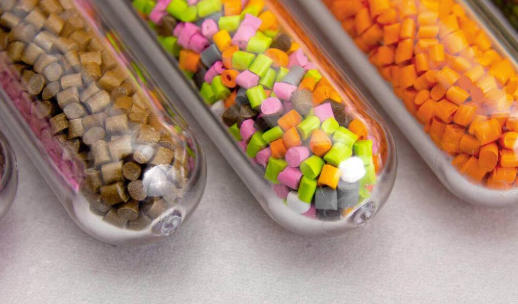
Filler masterbatch is a pelletized concentrate of mineral fillers dispersed in a polymer carrier, designed to be mixed with base plastics to reduce cost and adjust properties. It allows manufacturers to add high levels of fillers in a clean, controlled way, instead of handling loose mineral powders.[11][7][12][6]
Usable levels of filler masterbatch depend on the application and required properties, but typical dosages range from about 5–30% by weight in many products. In some injection and blow-molding or construction-related applications, filler masterbatch loadings can go up to around 50% when extra stiffness and cost reduction are prioritized.[1][5][6]
When correctly selected and dosed, filler masterbatch does not necessarily damage plastic quality and can even improve stiffness and dimensional stability. Problems usually arise only when low-quality filler masterbatch is used or when the loading exceeds recommended levels, leading to brittleness or surface defects.[7][12][23][6]
Products containing filler masterbatch can generally be recycled with compatible base polymers, especially at moderate filler levels. However, very high use of filler masterbatch may influence the mechanical strength and processability of recycled materials, so recycling strategies should consider filler content.[25][12][24][6]
A suitable filler masterbatch supplier should offer technical support, stable quality, and the ability to customize formulations for specific applications. Checking their testing capabilities, production capacity, export experience, and track record in different industries helps ensure reliable long-term cooperation for filler masterbatch supply.[6][19][1]
[1](https://www.useon.com/compounding/filler-masterbatch/)
[2](https://mascomglobal.com/what-is-filler-masterbatch-applications-benefits-in-plastic-production/)
[3](https://daiaplastic.com/application-of-calcium-carbonate-masterbatch-filler-masterbatch/)
[4](https://kkalpanagroup.com/wp-content/uploads/2018/01/PDF2-TDS-KI-AF-MB-01-PP.pdf)
[5](https://granuwelextruder.com/filler-masterbatch/)
[6](https://www.cowinextrusion.com/filler-masterbatches-a-comprehensive-overview/)
[7](https://eupegypt.com/blog/company-news/filler-masterbatch/)
[8](https://fillplas.com/bio-filler-masterbatch-definition-composition-applications/)
[9](http://en.exintell.cn/applications/7.html)
[10](https://www.ampacet.com/wp-content/uploads/Ampacet-Europe-Molding-Guide-v3.pdf)
[11](https://blendcolours.com/what-is-filler-masterbatch-and-how-it-is-holds-good-for-plastic/)
[12](https://www.cowellextrusion.com/filler-masterbatch-101/)
[13](https://en.wikipedia.org/wiki/Masterbatch)
[14](https://usmasterbatch.com/products/what-is-masterbatch-meaning-masterbatch-manufacturing-process.html)
[15](https://mascomglobal.com/filler-masterbatch-definition-origins-and-applications/)
[16](https://www.vnapex.com/blog/filler-masterbatch)
[17](https://www.gsextruder.com/optimizing-filler-masterbatch-extrusion-with-the-right-extruder/)
[18](https://carbokene.com/introduction-to-filler-masterbatch/)
[19](https://www.debaomasterbatch.com/News_Events/2025-09-04/masterbatch-manufacturing-process.html)
[20](https://eupegypt.com/blog/caco3-filler-masterbatch/)
[21](https://europlas.com.vn/en-US/blog-1/what-is-filler-masterbatch-and-how-it-is-applied-to-your-production-2)
[22](https://raghavpolymersgroup.com/filler-masterbatch/)
[23](https://kotharipolymers.com/what-is-filler-masterbatch-and-how-applied-plastic-industry/)
[24](https://daiaplastic.com/application-of-different-masterbatch-in-production-filler-masterbatch/)
[25](https://europlas.com.vn/en-US/blog-1/what-is-bio-filler-masterbatch-and-how-is-it-applied-in-the-plastic-industry)
[26](https://jieyatwinscrew.com/blog/masterbatch-production-line/)


