


close
Choose Your Site
Global
Social Media


Views: 222 Author: Rebecca Publish Time: 2025-12-12 Origin: Site


Content Menu
● What Defines Engineering Plastic Materials?
● The Role of Masterbatch in Engineering Plastics
● Key Properties of Engineering Plastics
● Applications Across Industries
>> 2. Electrical and Electronics
>> 3. Construction and Infrastructure
● Masterbatch Technology and Sustainable Manufacturing
>> Sustainable Innovations Include:
● The Production Process of Engineering Plastics
● Advantages of Using Engineering Plastics with Masterbatch
● Future Trends in Engineering Plastic Material
● FAQ
>> 1. What is a Masterbatch used for in engineering plastics?
>> 2. How does Masterbatch improve recycling efficiency?
>> 3. Can Masterbatch affect the mechanical strength of engineering plastics?
>> 4. Are Masterbatch additives safe for food or medical applications?
>> 5. What are the main benefits of using Masterbatch over liquid additives?
Engineering plastics are a class of high-performance polymers designed to meet demanding mechanical, thermal, and chemical requirements that ordinary plastics cannot achieve. These materials have become essential across various industries such as automotive, electronics, construction, medical, and packaging. Unlike commodity plastics like polyethylene (PE) or polyvinyl chloride (PVC), engineering plastics maintain superior strength, rigidity, and dimensional stability even under harsh conditions.
At the core of their performance lies advanced material design, refined production processes, and the strategic use of Masterbatch technology. In this article, we will explore what engineering plastic materials are, their categories, properties, applications, and the critical role that Masterbatch plays in their customization and performance optimization.

Engineering plastics are synthetic polymers that can replace metals and ceramics in mechanical and structural applications due to their balance of strength, toughness, and lightweight properties. These materials exhibit higher resistance to heat, abrasion, and chemicals compared to general-purpose plastics.
Common types of engineering plastics include:
- Polycarbonate (PC): Known for its impact strength and transparency.
- Nylon (PA): Offers high wear resistance and self-lubricating properties.
- Polyoxymethylene (POM): Provides excellent dimensional stability and stiffness.
- Acrylonitrile Butadiene Styrene (ABS): Balances toughness with processability.
- Polyethylene Terephthalate (PET) and Polybutylene Terephthalate (PBT): Used for electrical and automotive parts.
Each type of plastic has distinct molecular structures that can be modified using additives and *Masterbatch* formulations to achieve desired performance.
Masterbatch is a concentrated mixture of pigments, fillers, or additives encapsulated within a carrier resin. It allows precise control over the color, functionality, and performance of the final plastic product without compromising base polymer properties.
This type of Masterbatch adds stable, vibrant coloration to engineering plastics. For example, high-temperature-resistant pigments are used for nylon and PBT, preventing discoloration during processing.
Additives modify polymer behavior and improve product performance. These include UV stabilizers, flame retardants, anti-static agents, antioxidants, and lubricants. In automotive dashboards, additive Masterbatch ensures resistance to heat and UV degradation.
Filler Masterbatch incorporates materials like calcium carbonate, talc, or glass fiber. Such reinforcement enhances stiffness and dimensional accuracy, crucial for precision parts in electronics and machinery.
By customizing Masterbatch ratios, manufacturers can achieve specific mechanical or aesthetic targets that meet end-user specifications in a cost-effective manner.
The success of engineering plastics stems from their balanced performance across several dimensions:
- Mechanical Strength: They can sustain loads that would deform or break regular plastics.
- Thermal Stability: Many retain functionality between -50°C and 150°C.
- Chemical Resistance: They resist solvents, oils, and acids common in industrial environments.
- Dimensional Accuracy: Their low thermal expansion enables precise molded components.
- Electrical Insulation: Many grades exhibit high dielectric strength, ideal for electrical housings.
The addition of an appropriate Masterbatch further optimizes these properties. For example, glass fiber Masterbatch strengthens nylon gear wheels, while flame-retardant Masterbatch supports electrical component safety standards.
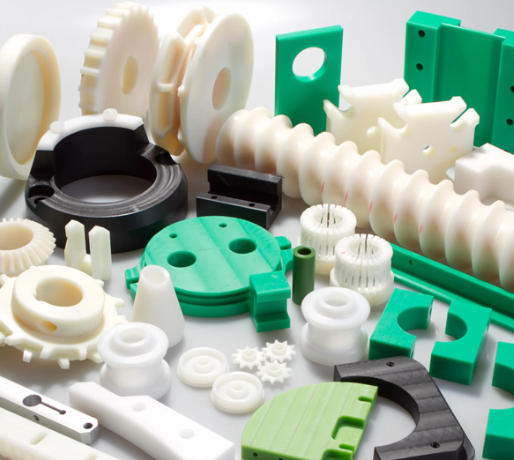
Engineering plastics have replaced metals in vehicle interiors, exteriors, and under-the-hood parts, reducing weight and improving fuel efficiency. Masterbatch additives help stabilize color and minimize aging caused by UV exposure or engine heat.
For connectors, switches, and housings, materials like PBT and PC blend durability with insulation. Flame-retardant Masterbatch formulations ensure compliance with safety regulations.
In building applications, engineering plastics such as ABS and nylon resist weathering and stress cracking. Masterbatch compounds impart additional UV protection and color uniformity to maintain aesthetic appeal.
Though mainly dominated by commodity plastics, the demand for strong, recyclable engineering plastics is growing. Custom Masterbatch solutions allow packaging materials to achieve transparency, chemical resistance, and branding color consistency.
Engineering plastics like PC and POM are used in diagnostic devices and surgical tools due to their biocompatibility and sterilization resistance. Medical-grade Masterbatch guarantees clean coloration without toxic additives.
The growing emphasis on sustainability has reshaped the development of engineering plastics. Manufacturers now rely heavily on *Masterbatch* to improve recyclability and reduce environmental impact.
- Recycled Masterbatch: Incorporating recycled resin as a carrier material to promote circular economy.
- Biodegradable Additives: Enhancing the degradation rate of certain engineering plastics.
- Eco-Pigments: Eliminating heavy metals and hazardous substances from color formulations.
- Energy Efficiency: Improved dispersion in Masterbatch processing allows lower extrusion temperatures and reduced power consumption.
By integrating eco-friendly Masterbatch solutions, producers can deliver sustainable yet high-performance engineering plastic products.
The creation of engineering plastic materials involves multiple precision stages:
1. Polymerization: The base polymer is synthesized from monomers through chemical reactions.
2. Compounding: Masterbatch, fillers, and additives are mixed uniformly using extruders.
3. Pelletizing: The compound is cut into pellets for easy transport and molding.
4. Molding/Forming: Techniques like injection molding, extrusion, or blow molding shape the material into components.
5. Quality Testing: Mechanical, thermal, and color consistency tests ensure compliance with standards.
At each phase, Masterbatch contributes to uniform quality, cost-efficient coloration, and stable physical properties.
When combined strategically, engineering plastics and Masterbatch provide several key advantages:
- Enhanced durability and dimensional stability.
- Lower production waste due to uniform additive distribution.
- Stronger environmental resistance, especially UV and flame protection.
- Improved aesthetics with long-lasting color.
- Simplified inventory management — fewer base polymer variants needed.
By fine-tuning Masterbatch formulations, manufacturers can meet specialized industry demands without redesigning the base polymer.
The global market for engineering plastics continues to evolve with technology and sustainability demands. The future will likely see:
- Smart Masterbatch Systems: Capable of releasing additives dynamically based on environmental conditions.
- Nanocomposite Fillers: Providing enhanced conductivity, toughness, and barrier resistance.
- Biobased Engineering Plastics: Derived from renewable feedstocks such as corn or sugarcane.
- AI-Driven Material Design: Using data to optimize polymer properties before physical production.
Such innovations position Masterbatch as not merely an additive technology but a central pillar in next-generation material science.
Engineering plastic materials represent the backbone of modern industrial design — lightweight, strong, and versatile. Their adaptability depends heavily on Masterbatch innovation, which allows precise control over color, performance, and environmental footprint. As industries pursue efficiency and sustainability, combining engineering plastics with advanced Masterbatch technology will remain crucial for product differentiation and long-term competitiveness.
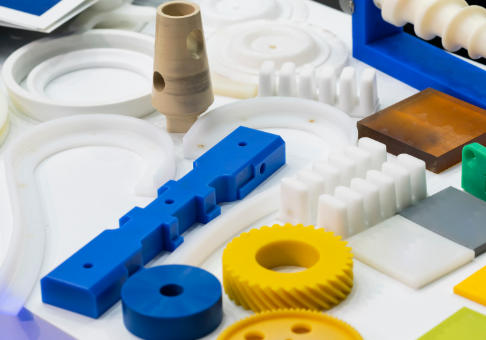
Masterbatch is used to add color, improve performance, and provide specialized functions like flame retardancy or UV resistance without compromising the polymer's integrity.
By using recycled resins and eco-friendly pigments, Masterbatch enables easier identification, sorting, and processing of plastic waste, making the recycling stream more efficient.
Yes. Reinforcing Masterbatch types containing glass fibers, talc, or mineral fillers can significantly increase tensile strength, rigidity, and wear resistance of engineering plastics.
Medical- and food-grade Masterbatch formulations are non-toxic, comply with regulatory standards such as FDA and EU directives, and maintain product safety.
Masterbatch is dust-free, easier to handle, ensures uniform dispersion, and provides consistent results even in complex molding operations, unlike liquid additives that may cause uneven mixing or contamination.


