


close
Choose Your Site
Global
Social Media


Views: 222 Author: Rebecca Publish Time: 2025-11-27 Origin: Site


Content Menu
● What Is Masterbatch in Plastics?
● Definition of Antimicrobial Masterbatch
● How Antimicrobial Masterbatch Works
● Key Components of an Antimicrobial Masterbatch
● How Antimicrobial Masterbatch Is Produced
● Benefits of Antimicrobial Masterbatch
● Common Antimicrobial Masterbatch Chemistries
● Key Industries and Applications
>> Food and Beverage Packaging
>> Medical and Healthcare Products
>> Consumer Goods and Household Products
>> Textiles and Non‑woven Products
>> Industrial and Construction Materials
● Design and Engineering Considerations
● Environmental and Safety Aspects
● FAQ
>> 1: What exactly is an antimicrobial masterbatch?
>> 2: How much antimicrobial masterbatch is typically needed?
>> 3: Is antimicrobial masterbatch safe for food or skin contact?
>> 4: Will antimicrobial masterbatch affect the color or strength of my product?
>> 5: Where does antimicrobial masterbatch create the most value?
Antimicrobial masterbatch is a specialized additive system designed to give plastics, fibers, and other polymers built‑in resistance to bacteria, fungi, and other microorganisms. By incorporating antimicrobial masterbatch directly into the material during processing, manufacturers can enhance hygiene, extend product life, and add extra value without changing the basic polymer or the production line.[1][6][10][11]
Antimicrobial masterbatch has become increasingly important in sectors such as food packaging, medical devices, consumer goods, textiles, and building products, where surface cleanliness and long‑term durability are critical. With careful formulation and correct dosage, antimicrobial masterbatch can offer effective, long‑lasting protection while maintaining the mechanical, optical, and processing properties of the base polymer.[10][11][12][13]

In the plastics industry, a masterbatch is a concentrated mixture of pigments or functional additives dispersed in a carrier resin, typically supplied as pellets. Processors dose masterbatch into their base polymers during extrusion, injection molding, blow molding, or other operations to achieve consistent color or performance properties in the final product.[9][14][10]
Using masterbatch instead of pure powders or liquids simplifies handling, improves dispersion, and offers better dosing accuracy, which helps stabilize quality and lowers the risk of defects. Antimicrobial masterbatch is simply one type of functional masterbatch where the key additive is an antimicrobial system engineered to combat microbial growth on plastic surfaces.[6][11][1][10]
Antimicrobial masterbatch is a concentrated blend of antimicrobial agents, such as silver‑ion systems, organic biocides, or quaternary ammonium compounds, encapsulated within a thermoplastic carrier resin compatible with the final application. The antimicrobial masterbatch pellets are later mixed with the base polymer, so the antimicrobial agents disperse uniformly throughout the finished product and create a protective environment at the surface.[15][1][6][10]
Instead of applying a coating after molding, antimicrobial masterbatch integrates the functionality inside the polymer matrix, which means the protection remains even when the surface is scratched or abraded. This built‑in approach makes antimicrobial masterbatch suitable for high‑wear, high‑touch products used in demanding environments.[5][11][16][15]
Antimicrobial masterbatch works by introducing active agents that interfere with the vital processes of microorganisms that land on or contact the treated surface. Depending on the chemistry, these agents can damage cell membranes, disrupt enzyme activity, block nutrient uptake, or interfere with replication, thereby reducing the survival and proliferation of microbes on the material.[17][10][15]
When antimicrobial masterbatch is properly dosed, the active agents are distributed throughout the polymer and are available at or near the surface, where microbes typically reside. The goal is not usually to sterilize the product, but to keep microbial levels much lower than on untreated surfaces, reducing odor, staining, and material degradation between regular cleaning cycles.[11][18][19][1]
Antimicrobial masterbatch formulations balance antimicrobial performance with processing stability and compatibility with the end‑use polymer. Typical components include:[11][15]
- Carrier resin: Often PE, PP, PS, EVA, PA, PC, or another compatible thermoplastic selected so the antimicrobial masterbatch melts and disperses smoothly into the customer's base resin.[5][6]
- Antimicrobial active: Silver‑based compounds, organic biocides, quaternary ammonium salts, zinc‑based agents, or other antimicrobial technologies engineered to perform at low concentrations.[4][15]
- Stabilizers: Heat and UV stabilizers to ensure the antimicrobial masterbatch resists processing temperatures and long‑term exposure without losing functionality.[9][15]
- Optional colorants and co‑additives: In some cases, antimicrobial masterbatch also includes pigments, antistatic agents, or other modifiers to deliver multiple properties in a single additive package.[14][4]
Because the active content in the antimicrobial masterbatch is high, end users typically add only a small percentage to reach the target antimicrobial loading in the final part.[2][5]
Manufacturing antimicrobial masterbatch typically involves compounding antimicrobial agents with a carrier polymer in a twin‑screw extruder. The antimicrobial additives and base resin are metered into the extruder, melted, and mixed intensively so the active is finely dispersed and agglomerates are broken down.[1][4][6]
The molten compound is then extruded as strands, cooled, and pelletized into uniform antimicrobial masterbatch granules. Quality control checks—such as active concentration, pellet size, dispersion, color, and rheology—ensure that the antimicrobial masterbatch will perform consistently when dosed into customers' production lines.[6][1][9]
The dosage of antimicrobial masterbatch depends on the active concentration in the masterbatch and the required performance in the final product. Many commercial systems contain between 20% and 30% antimicrobial agent in the masterbatch, which allows typical let‑down ratios in the range of about 1% to 5% masterbatch in the final polymer.[2][5]
This approach can deliver active levels in the finished product on the order of 0.2% to 1% by weight, which is often sufficient to achieve meaningful reductions in microbial growth without negatively affecting mechanical properties. Masterbatch suppliers usually provide specific dosage guidelines and can adjust the active concentration to match each customer's performance and regulatory targets.[8][4][2][5]
Antimicrobial masterbatch offers a combination of technical and marketing benefits that appeal to manufacturers and brand owners. Key advantages include:[18][11]
- Hygiene and cleanliness: Treated products demonstrate reduced microbial growth on their surfaces, which helps maintain cleanliness between regular cleaning routines.[12][18]
- Extended product life: By suppressing mold, mildew, and bacteria, antimicrobial masterbatch helps limit discoloration, odor, surface damage, and mechanical degradation caused by microbes.[16][11]
- Built‑in protection: Because the antimicrobial masterbatch is in the bulk of the material, not just on the surface, the functionality persists even when the surface is scratched or worn.[10][5]
- Brand differentiation: Products incorporating antimicrobial masterbatch can be promoted as more hygienic, fresher‑smelling, and longer‑lasting, adding a strong marketing message in competitive markets.[14][18]
- Process convenience: Antimicrobial masterbatch is dosed through standard feeders and mixing equipment, making it easy to integrate into existing production infrastructure.[9][10]
Different antimicrobial technologies are used to formulate antimicrobial masterbatch, each with specific strengths and regulatory profiles. Major categories include:[15][17]
- Silver‑ion antimicrobial masterbatch: These systems use silver ions immobilized in a carrier (such as a zeolite or glass) that slowly release at the surface to interact with microbial cells. Silver‑based antimicrobial masterbatch is widely used in food packaging, medical devices, and consumer goods due to its broad spectrum and good thermal stability.[7][12][2][15]
- Organic biocide antimicrobial masterbatch: Formulated with organic antimicrobial molecules, these masterbatches can be tuned for particular microbes or environments and are common in industrial and building applications.[3][15]
- Quaternary ammonium antimicrobial masterbatch: Based on cationic surfactants that disrupt microbial cell membranes, this type is popular in certain textiles and household products.[17][15]
- Zinc‑based and hybrid antimicrobial masterbatch: Compounds like zinc pyrithione and other zinc complexes can deliver antibacterial and antifungal performance, sometimes combined with other biocides for broader coverage.[8][5]
Selecting the right antimicrobial masterbatch chemistry requires understanding the end‑use application, contact conditions, and regional regulations.[10][17]
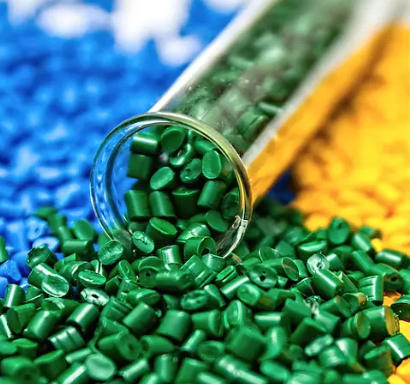
Food packaging is a major market where antimicrobial masterbatch can help preserve freshness and reduce spoilage. Films, trays, lids, and rigid containers that incorporate antimicrobial masterbatch can slow the growth of microbes on the inner surfaces, supporting longer shelf life and better product presentation.[13][4][12]
The antimicrobial masterbatch must be carefully selected and tested to comply with food‑contact regulations, and to avoid affecting taste, odor, or appearance of the packaged food.[8][10]
In medical and healthcare settings, plastics with built‑in antimicrobial functionality are used in device housings, hospital furniture, equipment panels, handles, and other high‑touch components. Antimicrobial masterbatch helps reduce microbial contamination on these surfaces, supporting cleaning protocols and risk‑reduction strategies.[20][12][5]
The design of medical‑grade antimicrobial masterbatch must consider biocompatibility, sterilization methods, and specific regulations for medical devices and patient‑contact materials.[17][10]
Many household and lifestyle products now include antimicrobial masterbatch to enhance user comfort and product longevity. Examples include kitchenware, refrigerator linings, bathroom accessories, garbage bins, phone cases, keyboards, remote controls, and fitness equipment, where antimicrobial masterbatch helps prevent odor and staining.[19][16][11]
By building the antimicrobial function into the plastic itself, manufacturers can promote easier maintenance and long‑lasting freshness in everyday products.[21][16]
Synthetic fibers such as polyester, polyamide, and polypropylene can be made antimicrobial by introducing antimicrobial masterbatch during fiber spinning. The resulting yarns and non‑wovens are used in sportswear, socks, bedding, upholstery, automotive interiors, filtration media, and medical textiles where odor control and hygiene are important.[22][23][24]
Because the antimicrobial masterbatch is incorporated at the polymer level, the protection can continue through washing cycles and extended use, providing a longer‑lasting benefit than many surface finishes.[23][24]
Antimicrobial masterbatch also delivers value in industrial, agricultural, and building materials that are exposed to moisture and bio‑contamination. Typical applications include pipes, films, roofing membranes, wall panels, HVAC components, and geomembranes where microbial growth could cause staining, odor, or physical damage.[25][16][11]
Integrating antimicrobial masterbatch into these products helps maintain appearance and performance over a longer service life, which is particularly important in high‑humidity or high‑traffic environments.[16][11]
Introducing antimicrobial masterbatch into a product requires engineering and regulatory planning to ensure performance and compliance. Important considerations include:[10][17]
- Target organisms and performance targets: Companies should define whether the antimicrobial masterbatch must target bacteria, fungi, algae, or a broad spectrum, and what reduction level should be achieved under standardized test conditions.[12][1]
- Processing temperature and residence time: The selected antimicrobial masterbatch must withstand extrusion or molding temperatures without losing activity or degrading the polymer.[4][6]
- Product geometry and thickness: Part thickness influences how the active is distributed and how quickly it can migrate to the surface; the antimicrobial masterbatch formulation may need tuning for very thin films or thick sections.[4][5]
- Color and optical effects: Some antimicrobial systems can affect color or transparency; in such cases, color‑matched antimicrobial masterbatch or separate color masterbatch must be carefully coordinated.[14][10]
- Regulatory approvals: Depending on the application (food contact, drinking water, skin contact, medical, etc.), the antimicrobial masterbatch must meet relevant regulations and may require supporting documentation, such as migration testing or toxicological assessments.[17][10]
Working closely with the masterbatch supplier helps ensure that the antimicrobial masterbatch choice, dosage, and processing conditions all align with the project requirements.[4][8]
The environmental and safety profile of an antimicrobial masterbatch is mainly determined by the active substance and dosage. Established chemistries, such as silver‑ion antimicrobial systems, have been extensively evaluated for use in food‑contact and consumer applications when applied within regulated limits.[23][12][10]
Nonetheless, responsible use of antimicrobial masterbatch should avoid unnecessary over‑formulation and respect local regulations governing biocides, waste management, and recycling. Manufacturers are encouraged to focus antimicrobial masterbatch on applications where hygiene and durability benefits are most significant, such as high‑touch surfaces, public spaces, and critical packaging.[24][16][23][17]
Antimicrobial masterbatch is a powerful, built‑in additive solution that enables plastics, fibers, and other polymers to resist microbial growth, giving products enhanced hygiene, longer service life, and improved aesthetics. By introducing antimicrobial masterbatch at the compounding or processing stage, manufacturers can deliver long‑lasting protection that does not wash off or wear away like surface coatings.[1][5][11][10]
With a wide range of chemistries, carriers, and dosage options, antimicrobial masterbatch can be tailored to meet the technical, regulatory, and branding needs of many industries, from food packaging and medical devices to consumer goods, textiles, and building materials. When carefully designed and responsibly applied, antimicrobial masterbatch is an effective tool for creating next‑generation products that remain cleaner, fresher, and more durable over time.[13][11][12][16]
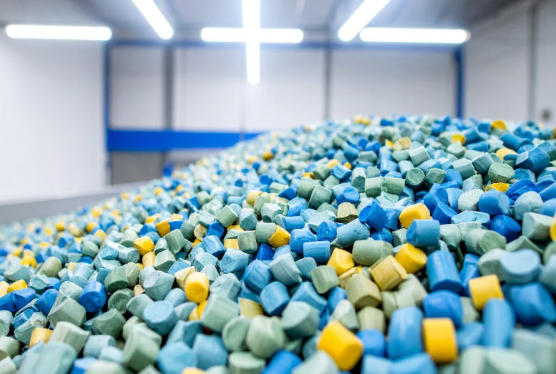
Antimicrobial masterbatch is a concentrated pelletized additive in which antimicrobial agents are compounded into a compatible carrier resin and later dosed into plastics or fibers during processing. Once dispersed, the antimicrobial masterbatch provides built‑in protection against microbial growth on product surfaces throughout the life of the material.[5][6][1][10]
Typical addition rates for antimicrobial masterbatch range from about 1% to 5% of the total polymer formulation, depending on the active concentration and performance requirements. This dosage usually yields active levels around 0.2% to 1% in the finished product, which can be enough to significantly reduce microbial growth without compromising physical properties.[2][5][8]
Many antimicrobial masterbatch systems, especially those using silver‑ion technology, are formulated to comply with international regulations for food‑contact and skin‑contact applications when used at approved levels. However, each antimicrobial masterbatch must be specifically evaluated for its intended use, and manufacturers should confirm that all regulatory and labeling requirements are met in target markets.[12][10][17]
Well‑designed antimicrobial masterbatch is engineered to minimize impact on color, clarity, and mechanical properties when dosed within recommended ranges. If color or transparency is critical, the antimicrobial masterbatch and any color masterbatch should be coordinated so that the final formulation maintains both aesthetic and performance targets.[11][14][4][10]
Antimicrobial masterbatch adds the most value in applications where hygiene, odor control, and long‑term aesthetics are important, such as food and beverage packaging, medical devices, household goods, textiles, and building components. In high‑touch or high‑humidity environments, antimicrobial masterbatch helps maintain a cleaner surface and extend service life, giving brands a strong functional and marketing advantage.[13][16][11][12]
[1](https://www.biocote.com/treatable-materials/antimicrobial-plastics-polymer-additives/what-is-an-antimicrobial-masterbatch/)
[2](https://www.rtpcompany.com/wp-content/uploads/2013/09/MCX_122656.pdf)
[3](https://www.samaterials.com/organic-antibacterial-masterbatch.html)
[4](https://www.kandui.in/products/additive-masterbatches/antimicrobial-masterbatches)
[5](https://patents.google.com/patent/GB2554868A/en)
[6](https://www.radicalmaterials.com/what-is-an-antimicrobial-masterbatch/)
[7](https://em8p26t79wg.exactdn.com/wp-content/uploads/Combat-Product-Data-Sheet.pdf)
[8](https://www.anmeiplastics.com/products/antimicrobial-masterbatch/)
[9](https://www.ampacet.com/wp-content/uploads/Ampacet-Europe-Molding-Guide-v3.pdf)
[10](https://www.addmaster.co.uk/about/what-is-an-antimicrobial-masterbatch)
[11](https://www.ultra-fresh.com/antimicrobial-masterbatch-plastics-polymers)
[12](https://www.honyemb.com/products/antimicrobial-masterbatch.html)
[13](https://www.hdplastichem.com/antimicrobial-masterbatch)
[14](https://www.microban.com/blog/top-5-benefits-of-using-polymer-masterbatches)
[15](https://masterbatchglobal.com/articles/antimicrobial-masterbatch/)
[16](https://polytecmb.com/news-&-events/f/antimicrobial-masterbatch-for-built-in-plastic-protection)
[17](https://www.a1impex.com/antimicrobial-masterbatches.php)
[18](https://broadwaycolours.com/what-is-an-antimicrobial-masterbatch/)
[19](https://www.pmb.co.uk/additives/steritouch-masterbatch)
[20](https://plasmix.in/medical-health-application.aspx)
[21](https://www.microban.com/antimicrobial-solutions/applications/antimicrobial-plastics)
[22](https://purepolymers.net/post/antimicrobial-innovative/)
[23](https://pmc.ncbi.nlm.nih.gov/articles/PMC11983210/)
[24](https://www.greyb.com/blog/antimicrobial-medical-textiles/)
[25](https://purepolymers.net/additives-masterbatch/antimicrobials-masterbatch/)


