


close
Choose Your Site
Global
Social Media


Views: 222 Author: Rebecca Publish Time: 2025-12-24 Origin: Site


Content Menu
● Understanding the Nature of Plastic Materials
● The Composition of Plastic: Polymers and Additives
● The Role of Masterbatch in Plastic Manufacturing
● How Plastic Materials Are Made
>> 2. Compounding with Masterbatch
● Classification of Plastic Materials
● Properties and Advantages of Plastic Materials
● Environmental Considerations and Recycling
>> Sustainable Developments in the Plastic Industry
● Applications of Plastic Materials
>> Electronics
>> Construction and Infrastructure
● Innovations in Masterbatch Technology
● The Future of Plastic Materials
● FAQs About Plastic Materials and Masterbatch
>> 1. What exactly is a Masterbatch?
>> 2. Why is Masterbatch preferred over direct pigments?
>> 3. Can Masterbatch be used in recycled plastics?
>> 4. Are there eco-friendly Masterbatches available?
>> 5. How do I choose the right Masterbatch for my product?
Plastic materials have become the foundation of modern industry, influencing nearly every aspect of daily life — from packaging and construction to automotive, electronics, and healthcare. The versatility, cost-effectiveness, and durability of plastics make them indispensable in manufacturing, design, and product innovation.
This article explores what plastic materials are, how they are made, their various types, properties, and the special role of Masterbatch in enhancing plastic performance.

A plastic material is a polymer-based synthetic or semi-synthetic compound that can be shaped and molded when soft, and retains its form upon cooling. Plastics are primarily derived from petrochemical sources, though advancements in bio-based materials now allow production from renewable resources like corn starch and sugarcane.
Plastics owe their flexibility to their molecular structure — long chains of repeating molecules called monomers. When these monomers polymerize, they create structures with unique mechanical and chemical properties, making plastics lightweight yet strong, flexible yet resilient.
At the core of every plastic material lies the polymer, but polymers alone rarely meet performance demands. To achieve color, stability, or functionality, various additives are blended into the polymer matrix. These can include:
- Stabilizers (to improve heat or UV resistance)
- Plasticizers (to increase flexibility)
- Fillers (to enhance strength or reduce cost)
- Flame retardants
- Pigments and dyes for color
Among these additives, the Masterbatch plays a critical role in providing color, UV resistance, antistatic qualities, and other attributes essential for processing and end-use performance.
A Masterbatch is a concentrated mixture of pigments and additives encapsulated within a carrier resin. It is used to color raw polymers or modify their properties during processing. In short, the Masterbatch acts as a “recipe enhancer” for plastics, ensuring consistency and precision in production.
There are four primary types of Masterbatch:
1. Color Masterbatch – Provides color uniformity across batches of plastic products.
2. White Masterbatch – Contains high concentrations of titanium dioxide (TiO₂) pigment for brightness and opacity.
3. Black Masterbatch – Uses carbon black pigment for color depth, UV resistance, and electrical conductivity.
4. Additive Masterbatch – Includes UV stabilizers, flame retardants, antistatic agents, antioxidants, and slip modifiers to improve the functionality of plastics.
In manufacturing, Masterbatch is typically supplied in pellet form and mixed with base resins during extrusion or injection molding. The pellets are precisely dosed to achieve desired color or performance features, eliminating dust, ensuring consistency, and simplifying the manufacturing process.
Plastic begins with polymerization, the chemical process in which monomers such as ethylene, propylene, or styrene bond together. Two main polymerization methods exist:
- Addition Polymerization — monomers add together without by-products, e.g., polyethylene (PE) or polypropylene (PP).
- Condensation Polymerization — monomers join with the release of small molecules like water or methanol, e.g., nylon or polyester.
Once polymers are produced, they are compounded with additives and colorants — this is where Masterbatch plays an indispensable role. Compounding ensures uniform distribution of additives, resulting in products with stable performance, vivid color, and improved durability.
Common fabrication techniques for plastics include:
- Injection molding – used for producing complex shapes such as automotive parts or medical devices.
- Extrusion – creates continuous products like films, pipes, and profiles.
- Blow molding – used for bottles and containers.
- Thermoforming – involves shaping sheets into trays or packaging forms.
Each process can integrate Masterbatch formulations tailored to product-specific needs.
Plastics can be divided into two major categories:
Thermoplastics can be softened by heating and re-hardened by cooling, allowing them to be reshaped multiple times. Examples include:
- Polyethylene (PE) – used in films, packaging, and containers.
- Polypropylene (PP) – found in automotive components and consumer goods.
- Polyvinyl Chloride (PVC) – applied in pipes, cables, and flooring.
- Polyethylene Terephthalate (PET) – used for beverage bottles and fibers.
Masterbatch additives are widely used with thermoplastics to deliver color, UV protection, and impact resistance.
Thermosets harden permanently after being cured by heat or chemical reactions. They cannot be reshaped. Common examples include:
- Epoxy resins – for coatings and adhesives.
- Phenolic resins – for electrical components.
- Melamine formaldehyde – for laminate surfaces.
While Masterbatch is more common in thermoplastics, specific thermosets also use pigment concentrates for color enhancement.
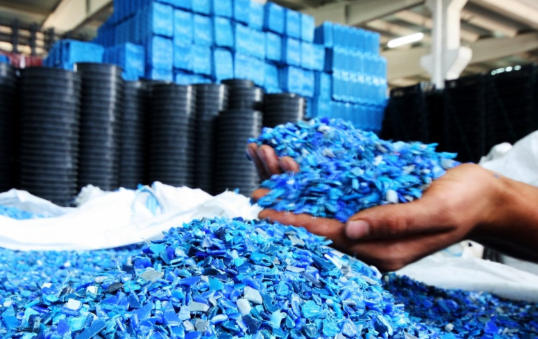
Plastic materials possess a unique range of properties that make them suitable for almost any industrial application:
- Lightweight: Reduces transportation costs and design weight.
- Durability: Resistant to corrosion, impact, and chemicals.
- Flexibility: Can be molded into complex geometries.
- Cost-efficiency: Inexpensive compared to metal, glass, or ceramics.
- Thermal and electrical insulation: Essential in electronics and construction.
The introduction of specialized Masterbatch formulations enhances these properties, extending product life and performance under demanding conditions.
While plastics offer many advantages, environmental impact remains a global concern. Innovation in recycling, biodegradable Resins, and eco-friendly Masterbatch formulations is helping to address this issue.
- Biodegradable plastics – derived from renewable biomass sources.
- Recyclable compounds – improved by color and additive Masterbatches designed for recyclability.
- Recycled-content Masterbatch – allows incorporation of post-industrial or post-consumer resin while maintaining performance and quality.
Sustainability is now at the forefront of plastic material R&D, with manufacturers focusing on closed-loop systems and low-carbon formulations.
Plastic materials are used across countless sectors, thanks to their versatile performance characteristics.
Uses lightweight films and containers, typically colored with Color Masterbatch for branding and protection against UV degradation.
Incorporates Additive Masterbatch for enhanced durability, temperature stability, and lightweight performance in dashboards, bumpers, and trims.
Applies Masterbatch with flame retardant or antistatic properties to ensure safety and functionality in wiring, casings, and circuit housings.
Relies on UV-stabilized and heat-resistant Masterbatch to produce long-lasting pipes, profiles, and insulation components.
Utilizes high-purity Masterbatch formulations to provide medical-grade coloring and antibacterial enhancement in syringes and packaging.
Modern Masterbatch development focuses on high dispersion, environmental compatibility, and application-specific performance. Key innovations include:
- Nano Masterbatch – uses nanomaterials to improve strength, thermal conductivity, and barrier properties.
- Biodegradable Masterbatch – compatible with PLA, PBAT, and other bio-resins.
- Functional Masterbatch – integrates advanced additives for odor control, radiation shielding, or antimicrobial effects.
Such advancements make Masterbatch essential for high-performance plastic engineering and sustainable design.
The future of plastic materials lies in innovation, sustainability, and smart design. The integration of advanced Masterbatch technologies allows manufacturers to balance performance with environmental responsibility. Automation and digital color matching tools ensure consistency across production lines, while new polymer blends reduce dependence on virgin fossil-based resins.
As global industries move toward circular economies, recycled and biodegradable plastics enhanced by Masterbatch formulations will play an increasingly vital role in reshaping modern manufacturing.
Plastic materials continue to redefine industrial design and consumer convenience across the world. Through polymer science and additive innovation, their functionality and sustainability grow stronger each year. Central to this transformation is the Masterbatch, a key ingredient that gives plastics their precise color, resilience, and performance characteristics.
From lightweight packaging to durable vehicle components, every product showcases the transformative power of plastic materials — guided by innovation and supported by the science of Masterbatch technology.
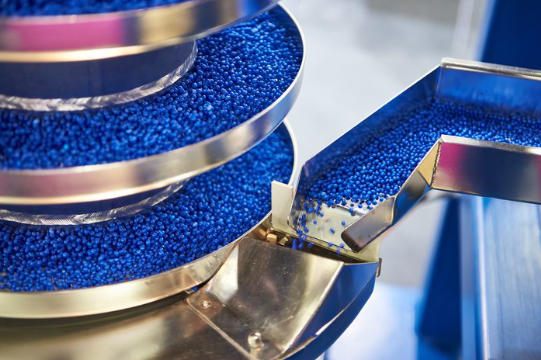
A Masterbatch is a concentrated blend of pigments or additives encapsulated in a carrier resin. It is used to color plastics or enhance their properties, ensuring uniform dispersion and reducing waste during processing.
Masterbatch provides cleaner processing, consistent color results, easier handling, and better dispersion than raw pigments. It minimizes contamination, dust emissions, and color variation between production batches.
Yes, recycled plastics can be enhanced with specialized Masterbatch formulations designed to restore color, improve mechanical strength, and provide UV stability for secondary applications.
Many manufacturers now offer biodegradable, bio-based, and recyclable Masterbatch options. These alternatives align with sustainable manufacturing goals and international environmental standards.
Selection depends on your polymer type, color requirements, and functional goals. Consulting with a qualified Masterbatch supplier can ensure the best compatibility and cost-effectiveness.


