


close
Choose Your Site
Global
Social Media


Views: 222 Author: Rebecca Publish Time: 2026-02-18 Origin: Site


Content Menu
● Understanding Durability in Plastics
● The Role of Masterbatch in Plastic Durability
>> 2. Advantages of Using Masterbatch
● Common Types of Durable Plastic Materials
>> Acrylonitrile Butadiene Styrene (ABS)
● Key Factors Influencing Plastic Durability
>> Polymer Type and Molecular Structure
>> Additives and Masterbatch Integration
>> Processing and Manufacturing Quality
>> Environmental Exposure and Lifetime Expectancy
● Industry Applications of Durable Plastics and Masterbatch
>> In Packaging
>> In Automotive Manufacturing
>> In Electrical and Electronics
>> In Construction and Infrastructure
● Sustainable Approaches in Durable Plastic Development
● Selecting the Right Durable Plastic for Your Application
● Frequently Asked Questions (FAQ)
>> 1. What is Masterbatch used for in plastic manufacturing?
>> 2. How does Masterbatch improve plastic durability?
>> 3. Can Masterbatch be used in both recycled and virgin plastics?
>> 4. What is the difference between color Masterbatch and additive Masterbatch?
>> 5. How can I choose the right Masterbatch for my product?
In today's rapidly evolving manufacturing industry, plastic materials have become indispensable. From packaging to automotive applications, appliances, and infrastructure, the choice of plastic determines the quality, sustainability, and performance of the final product. One recurring question among manufacturers and product designers worldwide is: what defines a durable plastic material?
Durable plastics are engineered to withstand mechanical, thermal, and environmental stress. The development of Masterbatch formulations—color and additive concentrates used during plastic processing—has further expanded the possibilities for customizing and improving the durability of these materials.
This article explores what makes certain plastics more durable, the role of Masterbatch technology in enhancing performance, the most common durable plastics used across industries, and the critical factors to consider when choosing materials for specific applications.
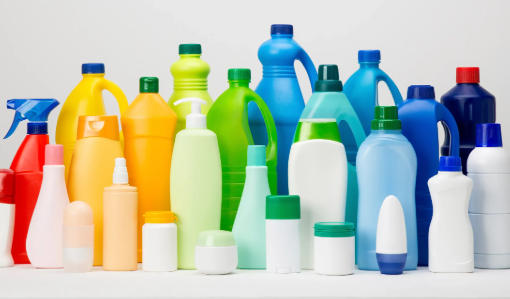
Durability refers to a plastic's ability to retain its mechanical, chemical, and aesthetic properties over time, even under challenging environmental or operational conditions.
Durable plastic materials must offer resistance to:
- Impact: Ability to absorb mechanical energy without breaking.
- Heat: Capability to maintain shape and structure under high temperatures.
- UV and weathering: Resistance to sunlight, oxidation, and moisture.
- Chemical exposure: Stability when in contact with solvents, acids, or oils.
Through advanced polymer engineering and the integration of custom Masterbatch additives—such as UV stabilizers, antioxidants, and flame retardants—manufacturers can significantly improve these properties and tailor plastics to meet specific performance criteria.
The Masterbatch plays a pivotal role in modern plastic production. It is a concentrated mixture of pigments and additives encased in a carrier resin. When blended with base polymer materials, it provides color enhancement, improved mechanical strength, and protection against environmental factors.
There are four primary categories of Masterbatch relevant to durability enhancement:
- Color Masterbatch: Provides consistent, long-lasting coloring and prevents fading from UV exposure.
- Additive Masterbatch: Delivers functional improvements such as UV resistance, flame retardancy, or anti-aging properties.
- White Masterbatch: Based on titanium dioxide, it offers high opacity, brightness, and UV shielding capability.
- Black Masterbatch: Contains carbon black for improved UV stability, conductivity, and color uniformity.
Each type contributes differently to durability, depending on the application's environmental exposure and mechanical demands.
By using Masterbatch, manufacturers achieve:
- Enhanced performance with minimal additive quantities.
- Improved dispersion of color and functional additives.
- Cost efficiency through reduced handling and waste.
- Customization flexibility for specialized material requirements.
For instance, a packaging manufacturer may use UV-stabilized Masterbatch to extend the shelf life of products exposed to sunlight, while automotive part suppliers might add anti-scratch and heat-resistant Masterbatch to maintain surface integrity under extreme conditions.
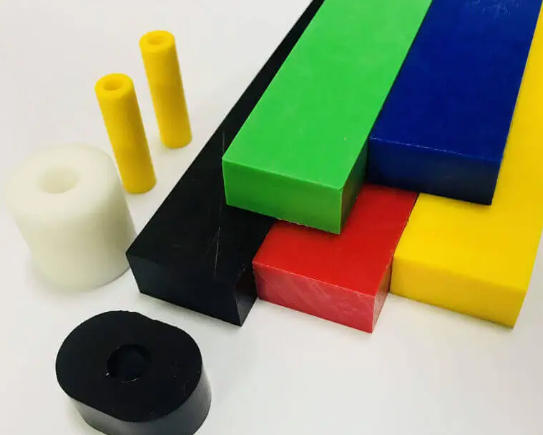
Let's examine several plastic materials that exhibit high durability and understand how Masterbatch enhances their properties.
Polycarbonate stands out for its exceptional impact resistance and clarity. It is widely used in safety helmets, electronic housings, and aircraft windows. By incorporating UV-resistant Masterbatch, PC materials can retain transparency and color stability even when exposed to prolonged sunlight.
Polypropylene offers excellent chemical resistance, fatigue strength, and lightweight properties. It's a leading choice for household goods, automotive components, and industrial containers. Adding antioxidant or UV Masterbatch extends its lifespan under high-temperature and outdoor conditions.
Highly versatile and cost-effective, polyethylene is used in packaging, pipes, and films. Durable PE products often contain black or white Masterbatch to improve UV protection, thermal stability, and optical brightness.
PVC's durability lies in its strong resistance to moisture and chemicals. However, its stability under heat can be significantly improved using heat stabilizer Masterbatch. This treatment helps prevent discoloration and extends the service life of pipes, wires, and profiles.
ABS provides a balance between toughness and aesthetics. It's ideal for automotive trims and consumer electronics. Using color Masterbatch with scratch-resistant or anti-aging properties enables longer-lasting product surfaces and visual appeal.
Different polymers have different chain structures, which influence mechanical and thermal performance. Stronger intermolecular forces often correspond to higher durability.
The right Masterbatch combination customizes the mechanical and chemical resistance required for each application. For example, antioxidants slow down polymer degradation, while fillers like talc or glass fiber increase mechanical strength.
Precise temperature control, mixing, and molding conditions define final product reliability. Poor dispersion of Masterbatch or improper processing can reduce mechanical properties and cause early material failure.
Durability is context-dependent. A plastic bottle used indoors requires different resistance levels than a construction pipe exposed to sunlight and chemicals.
Durable plastics enhanced by antimicrobial and UV-blocking Masterbatch ensure product integrity during storage and transportation. White and additive Masterbatches are crucial for food-safe packaging that resists discoloration and environmental wear.
Automotive applications require heat-, scratch-, and impact-resistant plastics. Customized Masterbatch formulations deliver weatherable components that maintain color, gloss, and toughness over time—ideal for dashboards, bumpers, and trims.
Flame-retardant Masterbatch enables safer operation by improving insulation stability and reducing fire risk in cables, housings, and connectors.
UV and heat-resistant Masterbatches are widely used in pipes, panels, and outdoor fittings, ensuring decades-long performance under harsh environmental conditions.
Durable plastic enhanced with Masterbatch brings both resilience and aesthetics to products like luggage, furniture, and household containers.
Modern research focuses on eco-friendly durability—making plastics both long-lasting and recyclable. Through advanced biodegradable Masterbatch and additive technologies, manufacturers can now achieve materials that combine resilience with environmental responsibility.
These include bio-based polymers infused with natural dyes or stabilizers designed for easier recycling. Such innovations meet global demands for sustainable, high-performance materials.
When choosing a durable plastic, consider:
- Functional demands: Strength, flexibility, or resistance levels needed.
- Environmental exposure: Operation under heat, UV, or chemicals.
- Processing method: Injection molding, extrusion, or blow molding.
- Color and appearance: Achievable through color Masterbatch.
- Regulatory compliance: Meeting food-grade, REACH, or RoHS standards.
By partnering with a manufacturer experienced in Masterbatch customization, you can design a material composition that balances cost efficiency, aesthetics, and mechanical performance from concept to production.
Durable plastic materials are the foundation of modern innovation—from packaging and automotive engineering to construction and electronics. The addition of high-quality Masterbatch formulations allows manufacturers to precisely tailor these plastics to perform under demanding conditions.
As the global industry moves toward sustainability and performance optimization, the combination of durable polymers and advanced Masterbatch technology represents the most effective pathway for achieving long-lasting, high-value, and environmentally conscious plastic solutions.
Answer: Masterbatch is a concentrated additive or pigment blend that enhances the properties of base polymers, such as color uniformity, UV resistance, and mechanical strength.
Answer: It provides functional additives like antioxidants, UV stabilizers, and flame retardants that protect the plastic from physical degradation and environmental damage.
Answer: Yes. High-quality Masterbatch formulations are compatible with both recycled and virgin materials, helping manufacturers maintain performance and consistency across production cycles.
Answer: Color Masterbatch primarily focuses on achieving consistent appearance, while additive Masterbatch enhances functional attributes such as heat resistance, anti-static properties, or anti-aging performance.
Answer: The selection depends on your application's environmental exposure, mechanical requirements, and desired aesthetics. Consulting with a Masterbatch supplier ensures the optimal combination for maximum durability and performance.


