


close
Choose Your Site
Global
Social Media


Views: 222 Author: Rebecca Publish Time: 2026-02-17 Origin: Site


Content Menu
● Understanding the Concept of Soft Plastic Material
● How Soft Plastic Differs from Hard Plastic
● The Chemistry Behind Soft Plastics
● Common Types of Soft Plastic Materials
>> 2. Polyvinyl Chloride (PVC)
>> 3. Thermoplastic Elastomers (TPE)
>> 4. Ethylene-Vinyl Acetate (EVA)
>> 5. Polypropylene (PP) – Soft Modified Form
● Manufacturing Process of Soft Plastic Materials
● The Role of Masterbatch in Enhancing Soft Plastics
● Environmental Considerations and Recycling
● Applications of Soft Plastic Materials
● Innovation Trends in Soft Plastic and Masterbatch Industry
● FAQ About Soft Plastic Materials
>> 1. What is the main difference between soft and hard plastics?
>> 2. How does Masterbatch improve soft plastic quality?
>> 3. Are soft plastics recyclable?
>> 4. What industries primarily use soft plastics?
>> 5. How does the choice of Masterbatch affect sustainability?
Soft plastic material plays a vital role in the modern polymer industry, serving as the foundation for thousands of flexible, durable, and recyclable products used across packaging, electronics, automotive, and consumer goods. For companies specializing in innovative plastic material solutions, understanding the science and application of soft plastics — especially in combination with Masterbatch technology — is key to product optimization, sustainability, and market competitiveness.
This article explores what defines soft plastics, their types, production methods, characteristics, and how Masterbatch enhances their performance, color, and environmental footprint.
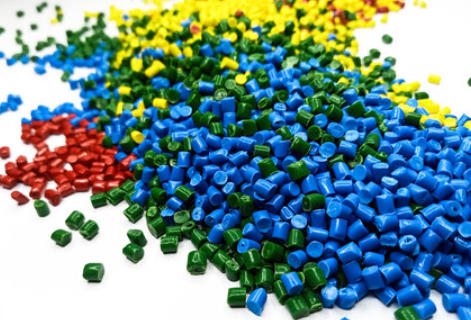
In the simplest terms, soft plastic material refers to flexible, moldable polymer compounds that exhibit elasticity and resilience under mechanical stress. Unlike rigid plastics such as ABS or polycarbonate, soft plastics can bend, stretch, or compress without cracking or losing structural integrity.
They derive these properties from their molecular structure and additives, which give them flexibility at room temperature. For example, adding plasticizers or specialized Masterbatch formulations can reduce the polymer's stiffness and increase its elongation capacity.
Common examples of soft plastics include:
- Polyethylene (PE)
- Polypropylene (PP) when modified for flexibility
- Thermoplastic elastomers (TPE)
- Polyvinyl chloride (PVC) with plasticizers
- Ethylene-vinyl acetate (EVA)
These materials are used in applications such as flexible packaging, cable insulation, films, seals, gaskets, toys, and automotive interiors.
The primary difference between soft and hard plastics lies in molecular mobility. Soft plastics contain polymer chains with weaker intermolecular forces, allowing them to move more freely. This mobility gives flexibility and softness.
In contrast, hard plastics have tightly bound molecular structures, resulting in rigidity and heat resistance.
Here's a quick comparison:
| Property | Soft Plastic | Hard Plastic |
|---|---|---|
| Flexibility | High | Low |
| Melting Point | Low to moderate | High |
| Elasticity | Excellent | Minimal |
| Typical Additives | Plasticizers, Masterbatch, impact modifiers | Fillers, stabilizers |
| Applications | Films, packaging, cables, seals | Casings, pipes, containers |
Using Masterbatch in both types ensures consistency in color, UV stability, or enhanced mechanical balance, but in soft plastics, the Masterbatch plays a particularly crucial role in achieving even pigment dispersion and preserving elasticity.
The flexibility of soft plastic materials originates from the polymer's amorphous phase — the part where molecules are randomly arranged rather than tightly packed. Soft plastics usually have a lower glass transition temperature (Tg), meaning they remain soft and flexible even in lower temperatures.
Plasticizers (for example, phthalates or non-phthalate alternatives) are substances added to alter the polymer matrix, giving it softness and workability. However, more eco-friendly industries now turn to elastomer-based blending or customized Masterbatch systems that modify polymer properties without harmful chemicals.
Masterbatch formulations may include:
- Pigment masterbatches for color uniformity
- Additive masterbatches for UV resistance, anti-blocking, or anti-static properties
- Filler masterbatches for cost optimization
- Biodegradable masterbatch solutions for sustainable plastics
Each of these enhances soft plastics' mechanical strength and long-term performance while maintaining flexibility.
PE is the most common plastic globally. Its low-density version (LDPE) is soft, transparent, and used for films, bags, and coatings. Using color Masterbatch in PE allows manufacturers to achieve vibrant and consistent product coloration without altering mechanical properties.
PVC can be either rigid or flexible. Adding plasticizers transforms rigid PVC into soft PVC, widely used for hoses, cables, and footwear. Masterbatch for PVC can further enhance color saturation, flame retardancy, and UV protection.
TPEs combine plastic processing advantages with rubber elasticity. They are suitable for grips, seals, and medical devices. Customized TPE Masterbatch improves tactile quality and visual appeal.
EVA is valued for its elasticity and clarity. It's often used in footwear soles and flexible films. Additive masterbatches for EVA can boost aging resistance and color brilliance.
Although inherently rigid, polypropylene can be made flexible through copolymerization or by blending with elastomers using special Masterbatch additives for improved softness and transparency.
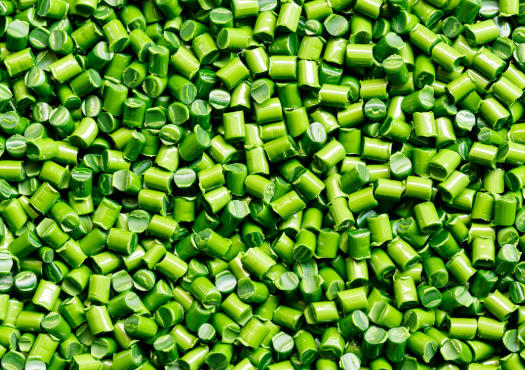
The production of soft plastic materials generally follows a multi-step process that integrates polymer formulation, Masterbatch addition, and extrusion or molding.
1. Polymer Selection: Choose the base resin (LDPE, PVC, etc.) according to application requirements.
2. Masterbatch Integration: A precise proportion of color or additive Masterbatch is mixed to ensure consistency and performance enhancement.
3. Melt Mixing and Extrusion: The polymer and Masterbatch mixture are melted and homogenized.
4. Cooling and Pelletizing: The compound is cooled and cut into pellets for further processing.
5. Conversion into Final Product: Through extrusion, film blowing, or injection molding, the pellets form finished soft plastic products.
A well-designed Masterbatch ensures even dispersion of additives and pigments, reducing waste and improving production efficiency.
Masterbatch technology is central to the performance of modern soft plastics. It acts as a concentrated mixture of pigments, fillers, or additives encapsulated in a carrier resin.
Here are its main functions:
- Color Control: Pigment Masterbatch ensures consistent coloration throughout production runs.
- UV and Heat Stabilization: Additive Masterbatch protects plastics from environmental degradation.
- Improved Processability: Lubricant Masterbatch allows smoother extrusion and reduces energy consumption.
- Sustainability: Biodegradable or recycled-content Masterbatch promotes eco-friendly plastic production.
- Cost Efficiency: It minimizes pigment wastage and simplifies dosing control.
For example, in the production of soft PVC cables, incorporating a stabilizer Masterbatch ensures long-term flexibility and electrical insulation even in outdoor environments.
Soft plastic materials often face criticism due to environmental impact. However, innovations in recyclable polymers and eco-friendly Masterbatch formulations are changing that narrative.
Modern Masterbatch products incorporate biodegradable additives or are based on natural polymers, enabling soft plastics to degrade more quickly under specific conditions.
Additionally:
- Reprocessed PE and PP with filler Masterbatch can maintain mechanical properties.
- Degradable additive Masterbatch supports circular economy goals.
- Color concentration in Masterbatch reduces chemical spills and toxic waste.
By adopting these sustainable techniques, the soft plastics industry is moving toward greener, low-carbon manufacturing.
Soft plastics' adaptability makes them indispensable across various sectors:
- Packaging: Films, wraps, shrink bags, and pouches.
- Automotive: Soft-touch interiors, seals, wire coatings.
- Medical: Tubing, bags, and grips.
- Consumer goods: Toys, footwear, flexible containers.
- Construction: Window seals, cable insulation, waterproofing membranes.
Each of these applications benefits from tailored Masterbatch formulations that balance mechanical strength, appearance, and cost.
The global push toward circular economy principles is shaping future development in soft plastics. Key trends include:
- Biodegradable polymers with natural-based Masterbatch.
- Recyclable mono-material film structures for flexible packaging.
- Smart additive Masterbatch improving infrared reflection or antimicrobial performance.
- Digital color matching systems using AI in Masterbatch design.
Together, these advancements enable manufacturers to produce high-performance, sustainable soft plastic solutions that meet international standards.
Soft plastic materials remain at the core of the plastic industry due to their unparalleled versatility and resilience. Their flexibility, processability, and adaptability make them essential for countless applications, from packaging to medical technology.
However, the real transformation comes from Masterbatch integration, which fine-tunes their physical, optical, and environmental properties. By optimizing polymer formulations and adopting sustainable Masterbatch systems, manufacturers can deliver superior, eco-conscious products that meet the evolving needs of global markets.
Soft plastics are flexible and elastic due to their loosely bonded molecular chains, while hard plastics are rigid with tighter molecular structures.
Masterbatch ensures consistent color, UV resistance, and smooth processing without compromising elasticity. It allows for better dispersion and improved production efficiency.
Yes, many soft plastics such as LDPE and PP can be recycled, especially when integrated with recyclable Masterbatch additives designed for circular economy compatibility.
Soft plastics are common in packaging, electrical cables, automotive interiors, consumer products, and healthcare. Their flexibility and durability make them ideal for applications requiring adaptability.
Choosing biodegradable or recycled-content Masterbatch significantly reduces plastic waste and carbon footprint, aligning production with green manufacturing standards.


