


close
Choose Your Site
Global
Social Media


Views: 222 Author: Rebecca Publish Time: 2026-02-16 Origin: Site


Content Menu
● Understanding the Core Materials Used in Plastic Bottles
● The Importance of Masterbatch in Plastic Bottle Production
>> The Role of Masterbatch in Enhancing Plastic Bottles
● How Modern Manufacturers Develop High-Quality Masterbatch
>> 4. Quality Control and Testing
● The Relationship Between Masterbatch and Environmentally Friendly Plastic Bottles
>> Types of Sustainable Masterbatch
● Customization in Masterbatch Solutions for Plastic Bottles
>> Key Customization Parameters
● Applications of Masterbatch in Different Plastic Bottle Segments
>> 2. Cosmetic and Personal Care Bottles
>> 3. Pharmaceutical Packaging
>> 4. Industrial Chemical Bottles
● The Science Behind Color and Additive Masterbatch Performance
● Innovations Shaping the Future of Plastic Material Bottles
● Why Masterbatch Adds Competitive Value to Plastic Bottle Manufacturers
● FAQ
>> 1. What is Masterbatch and why is it used in plastic bottles?
>> 2. Can Masterbatch be customized for specific plastic materials?
>> 3. How does eco-friendly Masterbatch contribute to sustainability?
>> 4. What testing ensures Masterbatch quality?
>> 5. Do Masterbatch formulations affect production cost?
In the modern manufacturing world, plastic material bottles are essential in industries such as packaging, pharmaceuticals, personal care, and food and beverages. Yet what truly defines their performance and durability lies in their core materials, especially the role of Masterbatch, the key ingredient responsible for adding color, strength, and functionality to plastic products.
This article explores what goes into the core materials of plastic bottles, the significance of Masterbatch, the technologies behind it, and how innovative Chinese manufacturers are redefining the standards of customized plastic solutions for global clients.
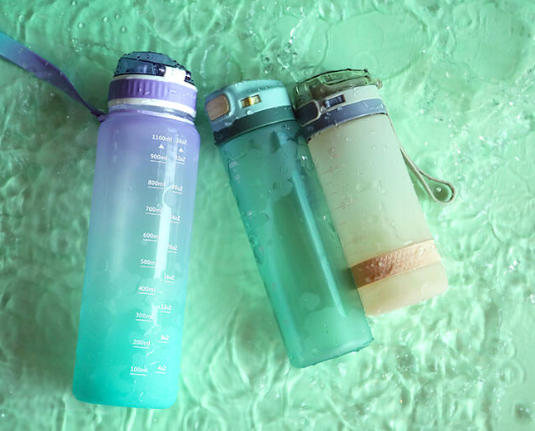
The production of plastic bottles starts with choosing the right polymer base. Common materials include:
- PET (Polyethylene Terephthalate): Known for clarity, strength, and recyclability, primarily used for beverage bottles.
- HDPE (High-Density Polyethylene): Used for detergent, milk, and cosmetic bottles due to its chemical resistance.
- PP (Polypropylene): Ideal for caps and hot-fill bottles, offering excellent heat and fatigue resistance.
- LDPE (Low-Density Polyethylene): Flexible and resilient, common in squeezable bottles.
- PVC (Polyvinyl Chloride): Durable and transparent, though use has declined in food packaging due to restrictions.
- Bioplastics: Emerging as sustainable alternatives made from renewable sources.
While each polymer determines the physical attributes, it is the Masterbatch that brings life and functionality to the polymer matrix.
A Masterbatch is a concentrated mixture of pigments, additives, or fillers encapsulated in a carrier resin. It is blended with the base plastic to impart coloring, UV protection, flame retardancy, antistatic properties, or antimicrobial functions.
In short, Masterbatch is the “DNA enhancer” for plastics. It ensures each bottle not only looks appealing but also performs under various environmental conditions.
- Color Masterbatch: Provides consistent and vivid coloring to maintain brand identity.
- Additive Masterbatch: Improves performance characteristics like UV resistance, anti-fog, or slip effect.
- Filler Masterbatch: Reduces production costs and improves mechanical strength.
- White and Black Masterbatch: Offers opacity, whiteness, and control of light transmission, especially for packaging sensitive to sunlight.
Without Masterbatch, plastic bottles would be colorless, unstable under sunlight, and often unfit for their intended applications.
China has become a global hub for plastic material innovation. Companies specializing in R&D of Masterbatch and polymer compounds invest significantly in modern production technologies.
Manufacturers determine the optimal pigment concentration, carrier resin compatibility, and desired end-use mechanical properties through computational design. This ensures that the Masterbatch integrates smoothly with the target polymer.
A highly efficient twin-screw extruder disperses the pigment and additives evenly throughout the carrier resin. Proper mixing prevents color streaking and ensures uniform performance in every bottle.
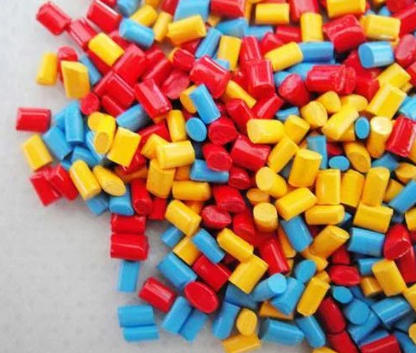
Once extrusion is complete, the Masterbatch is cut into granules or pellets. These are easy to dose and handle during the bottle manufacturing process.
Leading Masterbatch producers employ spectrophotometers, melt flow testers, and UV aging chambers to ensure their products meet color consistency and performance standards before delivery.
This comprehensive approach allows companies to create customized Masterbatch solutions that match the performance needs of their global clients.
Modern manufacturers are under pressure to design packaging that is not only functional but also sustainable. The use of eco-friendly Masterbatch has revolutionized how the industry approaches environmental responsibility.
- Biodegradable Masterbatch: Formulated to support compostable plastics derived from PLA or PHA.
- Recycling-Compatible Masterbatch: Designed to maintain performance even after multiple recycling cycles.
- Non-Toxic Masterbatch: Free from heavy metals or harmful colorants for food and pharmaceutical applications.
- Anti-Microbial Masterbatch: Useful for healthcare and cosmetics packaging that needs hygiene protection.
Green Masterbatch technology enables plastic bottles to achieve high aesthetic and physical performance while minimizing their ecological impact.
In global markets, brands demand unique packaging that reflects their identity. This has led to the rise of custom Masterbatch solutions, allowing manufacturers to fine-tune every detail—from color shade and opacity to additive functionality.
- Color Tone Accuracy: Matching Pantone standards for uniform branding.
- Additive Functionality: UV-block, oxygen barrier, or anti-static behaviors.
- Transparency and Gloss Level: Controlling the visual appeal of the bottle.
- Mechanical Reinforcement: Enhancing strength for specific industrial uses.
Custom Masterbatch formulation is now a competitive advantage. Chinese R&D-driven companies are increasingly offering tailored masterbatch blends, helping clients in Europe, North America, and Southeast Asia to improve product differentiation.
PET bottles use color and UV-protective Masterbatches to maintain product freshness and clarity under sunlight.
HDPE and PP bottles benefit from glossy, luxurious finishes using pearl or metallic Masterbatches, making them visually appealing on store shelves.
High-purity White Masterbatch ensures controlled opacity to protect medications from UV degradation.
Filler and anti-static Masterbatches prevent dust adhesion and improve chemical resistance for robust applications.
Biodegradable Masterbatch allows sustainable packaging without compromising quality or shelf life.
This vast application diversity highlights how Masterbatch is indispensable across multiple consumer and industrial sectors.
Masterbatch performance is not merely aesthetic—it's deeply scientific. The pigment dispersion quality determines how evenly the color appears, while additive performance ensures durability.
- Dispersion Quality: Determines how uniformly pigment spreads in the resin.
- Concentration Ratio: Too little pigment may cause dullness; too much can cause blotching.
- Thermal Stability: Ensures Masterbatch survives high molding temperatures.
- UV Resistance: Protects plastics from fading or cracking under sunlight.
This synergy between science and engineering defines next-generation Masterbatch manufacturing.
Advanced Masterbatch technologies are now merging with AI-driven color prediction, nanotechnology dispersion systems, and smart recycling additives.
- Nano Masterbatch: Ultra-fine dispersion offering enhanced performance with less material.
- Intelligent Color Formulation: AI adjusts formulation in real time to meet color targets.
- Bio-Based Additives: Derived from natural raw materials to reduce carbon footprint.
- Smart Packaging Integration: Using Masterbatch with active agents that extend shelf-life or indicate product freshness.
These innovations underscore the shift from traditional manufacturing to smart, sustainable, and data-informed production systems in plastic materials.
For global manufacturers, Masterbatch isn't just a raw material—it's a strategic business lever. It influences brand image, regulatory compliance, customer trust, and market adaptability.
- Reliable brand color consistency across batches.
- Extended shelf-life through stabilizing additives.
- Cost-efficiency from optimized filler combinations.
- Enhanced recyclability with advanced eco-masterbatch.
- Simplified inventory through multi-functional masterbatch blends.
These advantages make Masterbatch a key differentiator for plastic bottle producers striving to lead their markets.
The core material of plastic bottles is much more than just PET or HDPE—it's a complex integration of Masterbatch technology, polymer science, and precision engineering. From providing vibrant color to ensuring environmental compliance, Masterbatch plays a pivotal role in defining every technical and aesthetic parameter of modern plastic packaging.
Chinese manufacturers specializing in Masterbatch R&D and production are pushing limits in customization, sustainability, and global competitiveness. Their advanced formulations support industries worldwide in achieving the perfect balance between functionality, beauty, and eco-responsibility.
As the packaging industry evolves toward greener practices and smarter materials, Masterbatch remains at the heart of innovation—turning simple polymers into high-performance, design-driven solutions that meet the demands of a sustainability-conscious world.
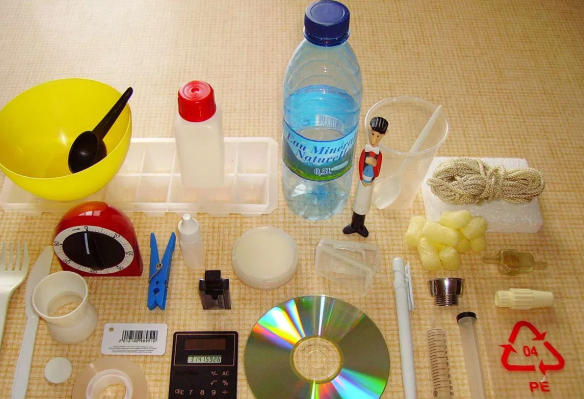
Masterbatch is a concentrated pigment or additive blend used to modify plastic properties. It enhances color, UV resistance, and overall performance while allowing uniform dispersion in the polymer.
Yes. Manufacturers design Masterbatches specifically compatible with PET, HDPE, PP, or biodegradable resins to ensure optimal dispersion and durability.
Eco-friendly Masterbatch uses non-toxic additives and bio-based ingredients, ensuring the product remains recyclable and reduces environmental footprint.
Top producers perform color consistency checks, UV stability tests, and melt flow analysis to ensure each batch meets precise performance standards before shipment.
While high-quality Masterbatch may increase initial costs slightly, it reduces waste, improves efficiency, and ensures consistency—resulting in considerable long-term savings.


