


close
Choose Your Site
Global
Social Media


Views: 222 Author: Rebecca Publish Time: 2026-02-14 Origin: Site


Content Menu
● The Core Plastic Materials for Bottle Production
● Understanding Masterbatch: The Hidden Engine of Plastic Bottle Performance
● Why Masterbatch Is Vital in Plastic Bottle Manufacturing
>> 2. Improved Material Performance
>> 3. Enhanced Cost Efficiency
>> 4. Environmental Sustainability
● The Manufacturing Process: How Core Materials and Masterbatch Combine
● Customization: The Rise of Tailor-Made Plastic Material Solutions
● Innovations in Masterbatch Technology
● Quality Assurance and Testing Standards
● Sustainable Packaging and the Role of Masterbatch
● FAQ
>> 1. What is masterbatch and how is it made?
>> 2. How does masterbatch improve plastic bottle quality?
>> 3. Can masterbatch be used with recycled plastics?
>> 4. What are the main types of masterbatch used in bottle production?
>> 5. How do I choose the right masterbatch for my product?
The production of high-quality plastic material bottles requires not only advanced molding technology but also the precise selection of materials and additives. Among these, masterbatch plays a key role in defining the color, texture, performance, and durability of the final product. At its essence, masterbatch is a concentrated mixture of pigments, additives, or fillers encased into a carrier resin, used to modify plastic properties without compromising process efficiency.
This article explores what core materials and formulations are used in plastic bottle manufacturing, why masterbatch is central to their success, and how custom plastic solution providers in China have built a strong global reputation by mastering this field.
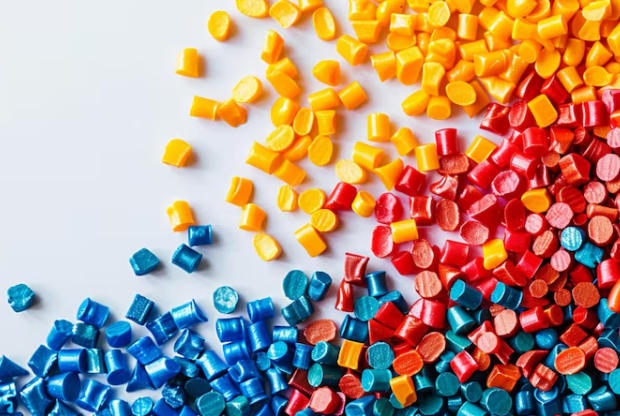
The most common core materials used in plastic bottle manufacturing are PET (Polyethylene Terephthalate), HDPE (High-Density Polyethylene), and PP (Polypropylene). Each offers distinct benefits depending on the application and required performance characteristics.
- PET (Polyethylene Terephthalate): Commonly used for beverage and water bottles, PET provides clarity, strength, and barrier properties against gases and moisture.
- HDPE (High-Density Polyethylene): A favorite for household chemicals, cosmetics, and dairy packaging, HDPE is known for its rigidity, chemical resistance, and recyclability.
- PP (Polypropylene): Valued for its heat resistance and versatility, PP bottles often house food products and pharmaceuticals.
However, base resins alone do not satisfy all industrial requirements. To enhance aesthetics, UV stability, chemical durability, and processing efficiency, masterbatch formulations are mixed with these core plastics during manufacturing.
A masterbatch is a solid or liquid additive mixture used for coloring plastics or imparting other properties. Typically, it contains:
- Pigments or additives
- Carrier resin (such as PE, PP, or PET)
- Dispersing agents
Masterbatch is introduced during the processing stage to ensure homogenous color distribution, improved performance, and greater process stability. Depending on its purpose, it can be categorized into four major groups:
1. Color Masterbatch – delivers vivid and consistent coloration.
2. Additive Masterbatch – improves UV protection, anti-static, or flame-retardant capabilities.
3. White and Black Masterbatch – provides opacity or full coverage for specialized packaging.
4. Filler Masterbatch – increases rigidity and reduces production costs with minerals like calcium carbonate or talc.
By adjusting these elements, manufacturers can create tailor-made bottling materials that align with the specific needs of each market sector.
Consumers naturally associate brand identity with color consistency. Color masterbatch ensures uniform visual quality from batch to batch, regardless of production scale. Without it, minor pigment inconsistencies could damage brand image and customer perception.
Different applications demand bottles that withstand pressure, UV exposure, or chemical reactions. For instance, sunscreen bottles often use UV‑resistant additive masterbatch to protect contents, while detergent bottles rely on anti‑static compounds to resist contamination and improve safety.
Because masterbatch allows pigment or additive concentration, manufacturers use smaller amounts to achieve the same effect—cutting down material costs. Furthermore, it simplifies mixing, minimizes waste, and shortens production time.
Modern filler masterbatch can reduce the amount of pure resin required per product, lowering the carbon footprint of production. Recycled masterbatch formulations also make it easier to maintain quality while promoting a circular economy.
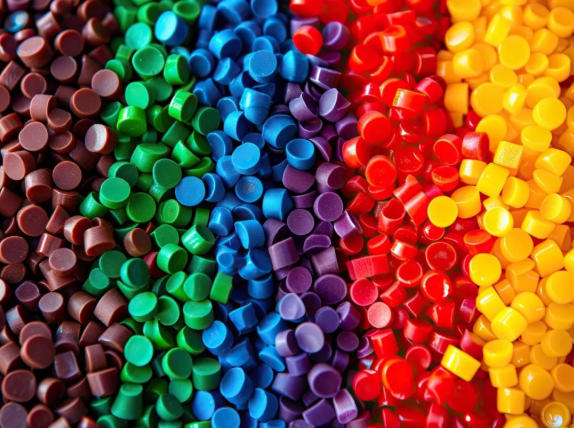
The incorporation of masterbatch into bottle production involves several precise steps:
1. Ingredient Preparation: Base resin, masterbatch, and any additional materials are pre-weighed and conditioned for mixing.
2. Blending and Mixing: The masterbatch is added to the raw resin (like PET or HDPE) in carefully controlled ratios—typically between 1–5% by weight.
3. Melt Extrusion: The blended material passes through an extruder, where it melts and homogenizes under heat and pressure.
4. Blow Molding or Injection Molding: Depending on the product requirements, the molten mixture is shaped into preforms or bottles.
5. Cooling and Testing: After forming, bottles are cooled, inspected for defects, and tested for stability, color uniformity, and mechanical strength.
Each stage relies on exact control of masterbatch dispersion to ensure a flawless final product.
Chinese companies, including leading masterbatch manufacturers, offer integrated solutions for clients worldwide who seek specialized plastic materials for bottles. Custom development services typically include:
- Matching unique color codes for brand identity.
- Designing targeted additive systems (anti-fog, anti-slip, UV-stable).
- Adjusting resin-to-filler ratios for cost and performance optimization.
- Providing rapid prototyping to test bottle appearance and functionality.
This customer-centric approach has enabled many Chinese suppliers to build long-term relationships with brands in the food, beverage, cosmetics, and healthcare sectors.
Modern masterbatch research focuses on advanced dispersion techniques, nanocomposite integration, and environmental performance. Cutting-edge trends include:
- Biodegradable Masterbatch: Compatible with PLA or other bio-based plastics to accelerate decomposition.
- Anti-bacterial Masterbatch: For hygiene-critical packaging in medical or personal care products.
- Infrared Absorbing Masterbatch: Enhances bottle reheat efficiency in PET bottle production, saving energy.
- Recycled Masterbatch: Facilitates uniform color and performance in recycled PET (rPET) applications.
These innovations not only boost performance but also contribute to sustainable manufacturing practices that align with global environmental policies.
A key factor distinguishing leading masterbatch producers is their commitment to quality control. Typical testing parameters include:
- Color Strength and Consistency: Measured through spectrophotometric analysis.
- Thermal Stability: Ensuring no degradation during heating.
- Dispersion Quality: Evaluating pigment uniformity under microscopy.
- Migration and Safety Testing: To confirm compliance with food-contact and pharmaceutical-grade regulations (e.g., FDA, EU, ISO standards).
Through these rigorous tests, manufacturers guarantee that every masterbatch meets international benchmarks before shipment.
Today's packaging strategies must balance cost, performance, and sustainability. Masterbatch innovations contribute significantly to all three:
- Energy Efficiency: Improved heat absorption in PET preforms lowers energy use.
- Material Reduction: Filler masterbatch lowers virgin resin dependency.
- Recycling Compatibility: Designed for easy separation or reuse in recycled systems.
- Eco-Design Flexibility: Color and additive control enable lightweight, minimalist bottle designs that reduce material and transportation costs.
In short, masterbatch has evolved from a simple coloring tool into a cornerstone of sustainable packaging design.
The core materials used for plastic bottles—PET, HDPE, and PP—form the backbone of modern packaging, but masterbatch defines their personality and performance. Whether through vivid coloration, UV protection, or filler efficiency, masterbatch transforms simple resins into premium packaging materials.
As global brands increasingly seek sustainability and customization, the synergy of advanced resin formulation and masterbatch innovation will continue to drive the next generation of plastic material bottles. Chinese manufacturers, with their integrated R&D capabilities and customer-specific approach, stand at the forefront of this evolving industry.
A masterbatch is a concentrated mixture of pigments or additives dispersed in a carrier resin. It's made by compounding colorants and polymers under heat and pressure to create a granulated form ready for molding.
Masterbatch ensures consistent color, enhances UV resistance, improves mechanical strength, and streamlines processing by maintaining uniform dispersion during extrusion or molding.
Yes. Specialized recycled masterbatch formulations maintain color and quality even in rPET or reprocessed HDPE applications, helping manufacturers meet sustainability goals.
The four main types are color masterbatch, additive masterbatch, black and white masterbatch, and filler masterbatch. Each serves distinct functional or aesthetic purposes.
Selection depends on resin type, end-use conditions, and desired effects. A skilled manufacturer analyzes factors like temperature resistance, regulatory compliance, and brand color before designing the ideal formulation.


