


close
Choose Your Site
Global
Social Media


Views: 222 Author: Rebecca Publish Time: 2026-01-30 Origin: Site


Content Menu
● Introduction to Thin Plastic Yard Signs
● Understanding the Material: Polypropylene and PVC
>> PVC Sheets
● The Role of Masterbatch in Yard Sign Production
● The Manufacturing Process of Plastic Yard Signs
>> Step 1: Raw Material Preparation
>> Step 3: Cooling and Cutting
>> Step 4: Printing and Finishing
>> Step 5: Packaging and Distribution
● Advantages of Using Corrugated Plastic Yard Signs
● Masterbatch Formulations for Outdoor Durability
● Sustainability and Recycling in Plastic Sign Production
● Applications of Plastic Yard Signs
● How to Choose the Right Plastic Yard Sign Material
● Future Trends: Smart Additives and Eco Masterbatch
● FAQs
>> 1. What are common sizes for thin plastic yard signs?
>> 2. Can colored masterbatch affect print quality?
>> 3. Are polypropylene yard signs recyclable?
>> 4. How long do plastic yard signs last outdoors?
>> 5. What masterbatch is best for eco-friendly production?
In the world of advertising and information display, thin plastic yard signs have become one of the most cost-effective and efficient ways to communicate. Whether used for real estate promotions, election campaigns, or business advertisements, these signs represent an intersection of material science and marketing. But what exactly are these thin plastic yard signs made of? Why are they so durable, lightweight, and customizable? Let's dive into the materials, production process, and the role of masterbatch in creating these versatile products.
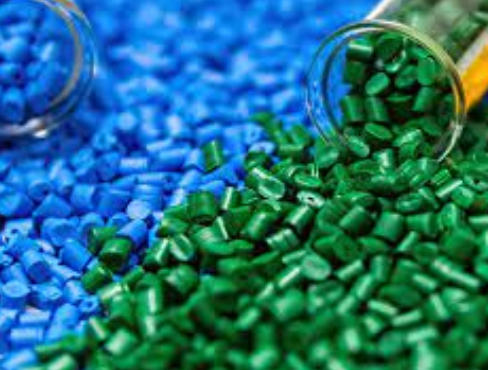
Thin plastic yard signs are generally made from corrugated plastic sheets, also known as corrugated polypropylene or Coroplast (a brand name commonly used to refer to this material). These signs are lightweight, weather-resistant, versatile, and suitable for both indoor and outdoor use.
Their popularity lies in a simple formula: durability at a low cost. Companies, political organizations, and event organizers prefer these signs because they can endure sunlight, rain, and even snow without losing their color or shape.
But achieving these performance characteristics depends heavily on the plastic material composition and the masterbatch used during production.
The most common materials used for thin plastic yard signs are polypropylene (PP) and polyvinyl chloride (PVC). Among them, PP corrugated sheet dominates the market because of its superior performance-to-cost ratio.
Polypropylene is a thermoplastic polymer known for its toughness and flexibility. It has high chemical resistance, excellent weather resistance, and can be easily produced in different thicknesses (typically 3mm to 5mm) for yard signs.
The addition of color masterbatch allows customization to any desired hue, ensuring brand consistency and visual appeal.
PVC yard signs are also common, especially for long-term applications. However, they tend to be heavier, less recyclable, and somewhat more expensive. For temporary or high-volume advertising, polypropylene remains the popular choice due to its eco-friendliness and lower production cost.
Every high-quality plastic yard sign depends on the masterbatch that gives it color, stability, and enhanced performance. A masterbatch is a concentrated mixture of pigments, additives, and carrier resins that is melted and dispersed into the base polymer during the extrusion or molding process.
Here's how different types of masterbatch contribute to creating effective yard signs:
1. Color Masterbatch – Provides consistent color distribution across the entire sheet. Custom color masterbatch blends allow for perfect brand color replication.
2. UV Masterbatch – Protects the plastic from ultraviolet radiation, preventing fading and degradation over time.
3. Anti-static Masterbatch – Reduces static build-up on sign surfaces, improving printing quality.
4. Flame Retardant Masterbatch – Improves fire safety properties, especially in outdoor or high-temperature environments.
5. Filler Masterbatch – Used to reduce manufacturing costs while maintaining structural integrity.
By selecting the right combination of masterbatches, manufacturers can create plastic signs with improved weatherability, vibrant colors, and long lifespan—all of which are critical for outdoor advertising.
The production of corrugated plastic yard signs includes several key stages, each influenced by masterbatch composition and process control.
Polypropylene granules are mixed with various masterbatches—color, UV-resistant, and filler types—to achieve the desired appearance and performance. The masterbatch ensures that the pigment disperses evenly, avoiding blotchy or dull areas.
The mixed plastic and masterbatch are fed into an extruder. Here, they are melted and passed through a die that shapes the molten plastic into a flat, corrugated sheet. The corrugation adds strength without significantly increasing weight.
After extrusion, the corrugated sheet is cooled and then cut to the required yard sign sizes (commonly 18x24 inches or 24x36 inches).
UV printing, screen printing, or digital printing is applied directly to the sheet surface. During this stage, anti-static or corona-treated masterbatch may enhance ink adhesion and color vibrancy.
The finished signs are stacked, packed, and distributed efficiently thanks to their lightweight structure. Since polypropylene is recyclable, companies can promote these signs as eco-friendly and reusable.
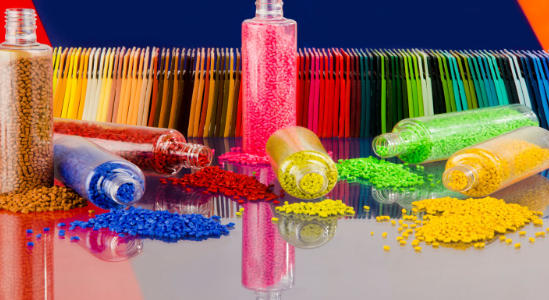
Corrugated plastic yard signs dominate the signage industry because they strike an excellent balance between function and affordability.
- Lightweight and easy to handle – Made from thin polypropylene layers, they're simple to transport and install.
- Weather-resistant – With UV-stabilized masterbatch, they withstand various climates.
- Customizable colors and shapes – Color masterbatch allows limitless brand customization.
- Eco-friendly and recyclable – Polypropylene's recyclable nature aligns with sustainability goals.
- Cost-effective for mass production – Filler masterbatch helps manage budget without sacrificing performance.
Outdoor signage must survive harsh sunlight, temperature shifts, and humidity. For this reason, specialized masterbatch formulations are critical.
- UV Stabilizer Masterbatch: Protects plastic polymers from photodegradation, maintaining structural integrity.
- Heat Stabilizer Masterbatch: Prevents cracking or warping under high temperatures.
- Anti-oxidant Masterbatch: Slows down the aging process of plastic.
- Color Fastness Masterbatch: Keeps colors bright after months of sunlight exposure.
Without these additives, polypropylene or PVC signs would fade quickly and become brittle in outdoor environments.
In today's environmental context, sustainable manufacturing is no longer optional—it's a necessity. Plastic sign manufacturers are integrating recycled polypropylene and green masterbatch (bio-based carriers or pigments) into their production.
- Recyclability: Polypropylene can be melted and re-extruded multiple times with minimal property loss.
- Reduced VOC Emissions: Eco masterbatch formulations produce fewer volatile organic compounds during processing.
- Closed-loop systems: Waste materials from trimming and cutting are reprocessed into new sheets.
By improving material efficiency through masterbatch optimization, the industry moves closer to a circular economy model.
The versatility of corrugated plastic makes it ideal for many industries and purposes:
- Election Campaign Signs: Lightweight, colorful, and weatherproof—ideal for temporary use.
- Real Estate Signs: Resistant to moisture and sunlight, keeping property listings visible.
- Construction Site Signs: Durable enough to display safety information outdoors.
- Event and Promotional Signs: Quick to produce and dispose of after short-term events.
- Directional or Informational Signs: Easy to print, replace, and move as needed.
In every application, the masterbatch used determines not only color and aesthetic appeal but also lifespan and toughness.
When selecting materials and additives for yard signs, consider:
1. Duration of Use: For short campaigns, standard PP with simple color masterbatch is enough. For long-term outdoor display, invest in a UV and anti-aging masterbatch combination.
2. Printing Method: Digital printing benefits from anti-static masterbatch, while screen printing prefers smooth, corona-treated surfaces.
3. Environmental Conditions: Choose UV and weather-resistant additives in areas with intense sunlight.
4. Budget Concerns: Filler masterbatch reduces cost but should maintain essential properties.
Working with an experienced plastic material manufacturer ensures masterbatch formulations precisely match the intended application.
The future of thin plastic yard signs is moving toward functional masterbatch technologies. New innovations include:
- Biodegradable masterbatches – accelerate decomposition once disposed.
- Photochromic masterbatch – change color under UV light for interactive advertising.
- Nano-additive masterbatch – enhances strength and clarity at lower additive concentrations.
- Recycled content masterbatches – combine virgin and recycled polymers for reduced resource waste.
These developments reflect how material science continues to push the boundaries of what's possible in signage production.
Thin plastic yard signs, widely known as corrugated polypropylene signs, are a perfect example of how material innovation and masterbatch technology combine functionality with aesthetics. The role of masterbatch—whether for color, UV protection, flame resistance, or cost efficiency—is central to the performance of these signs.
From the raw resin to the finished printed product, every step is influenced by the type of masterbatch chosen. As the world shifts toward sustainability, the introduction of eco-friendly masterbatches and recyclable polypropylene materials ensures these signs will continue to dominate the advertising and industrial signage landscape.
Typical sizes are 18x24 inches, 24x36 inches, and 12x18 inches. These dimensions balance visibility and portability while minimizing material waste during production.
Yes. The type and dispersion quality of color masterbatch can influence surface texture and ink adhesion. Using high-quality, compatible masterbatches ensures vivid and long-lasting prints.
Absolutely. Polypropylene (PP) is a recyclable thermoplastic. With proper waste management, old signs can be reprocessed into new sheets or pellets.
With UV and anti-aging masterbatch additives, yard signs can last 1–3 years in outdoor conditions without significant fading or cracking.
The best options include bio-based masterbatch or those using recycled polypropylene carriers, which reduce carbon footprint and support circular manufacturing models.


