


close
Choose Your Site
Global
Social Media


Views: 222 Author: Rebecca Publish Time: 2025-12-14 Origin: Site


Content Menu
● Understanding ABS Masterbatch
>> Key Components in ABS Masterbatch
● The Role of ABS Masterbatch in Plastic Customization
>> Driving Product Differentiation
>> Enhancing Functional Performance
● Advantages of Using ABS Masterbatch
>> 1. Consistent Quality and Appearance
>> 2. Improved Processing Efficiency
>> 3. Cost-Optimization and Material Efficiency
>> 4. Enhanced Material Properties
>> 5. Environmental and Sustainability Benefits
>> Customized Combination Masterbatch
● Applications of ABS Masterbatch Across Industries
>> Construction and Home Appliances
● Innovation and Future Trends in ABS Masterbatch Technology
>> Digital Color Matching Technologies
>> Nanotechnology and Advanced Additives
>> Customization via Smart Manufacturing
● Challenges in ABS Masterbatch Application
● Why Partner with a Professional Masterbatch Manufacturer
● FAQ
>> (1) What is the main use of ABS Masterbatch?
>> (2) How is ABS Masterbatch different from color powder?
>> (3) Can ABS Masterbatch be used with other polymers?
>> (4) Does ABS Masterbatch affect the strength of the base material?
>> (5) How do I choose the right ABS Masterbatch for my application?
In today's fast-changing manufacturing landscape, customization has become a defining feature of modern plastics. From electronics to automotive and consumer goods, manufacturers strive for materials that blend functionality, aesthetic appeal, and cost-effectiveness. Among the many innovations in plastic engineering, ABS Masterbatch stands out as a powerful tool that transforms standard polymers into high-performance, customizable materials.
This article explores the fundamentals, benefits, and industrial significance of ABS Masterbatch, its applications across sectors, and how it contributes to the evolving plastic customization landscape.

An ABS Masterbatch is a concentrated mixture of pigments, additives, and resins encapsulated during a heat process into a carrier resin compatible with Acrylonitrile Butadiene Styrene (ABS). This concentrated mixture allows processors to achieve uniform color distribution, special effects, and enhanced material properties during plastic manufacturing.
Instead of adding raw pigments or additives directly to polymer resins—which often leads to uneven dispersion—manufacturers use Masterbatch technology to ensure precision, stability, and optimized processing performance. The Masterbatch is typically added to base plastic in small quantities (usually 1–5%), achieving consistent results with minimal waste.
The core elements of an ABS Masterbatch include:
- Carrier Resin (ABS): Provides compatibility and ensures smooth blending with ABS polymers.
- Pigments or Dyes: Deliver color and visual effects.
- Additives: Include UV stabilizers, flame retardants, anti-static agents, and processing aids.
- Dispersing Agents: Enhance uniform particle distribution, preventing clumps or light streaks.
Together, these components form a balanced system that enhances both appearance and performance.
In competitive industries, product differentiation is critical. Using ABS Masterbatch enables precise control over colors, textures, and finishes—elements that directly influence consumer perception.
Manufacturers can produce vibrant, glossy surfaces or matte textures, ensuring brand consistency across product lines. This flexibility plays an essential role in consumer electronics, where uniform color tones and high-gloss effects elevate perceived quality.
Beyond aesthetics, Masterbatch also modifies the mechanical and chemical properties of ABS materials. For example:
- UV-resistant Masterbatch extends outdoor product lifespan.
- Flame-retardant Masterbatch ensures compliance with safety standards.
- Anti-scratch formulations enhance durability in automotive interiors and home appliances.
- Reinforced Masterbatch improves strength for structural applications.
Customized Masterbatch formulations allow product designers to meet exact engineering specifications without re-engineering base polymers—saving both time and resources.
Using Masterbatch ensures homogenous color distribution, preventing streaks, blotches, or color differences between production batches. This consistency is critical in brand-driven industries where color identity impacts market recognition.
Masterbatch pellets are easier to handle and dose compared to powder pigments. They create less dust, reduce equipment contamination, and improve mixing during extrusion or injection molding, resulting in cleaner and faster production runs.
Because pigments and additives are pre-dispersed in the carrier resin, less raw material is wasted. Processors achieve high-quality results using minimal additive quantities, thus reducing total production cost.
Through additive Masterbatches, ABS materials can gain advanced functionalities, such as:
- Increased impact resistance
- Improved thermal stability
- Reduced surface static
- Flame-retardant performance
This adaptability allows industries to meet evolving performance and safety standards across global markets.
With increasing pressure to reduce environmental impact, ABS Masterbatch helps limit overuse of additives and colorants. Moreover, recyclable or bio-based Masterbatch variants are now emerging, further supporting circular economy goals in plastic manufacturing.
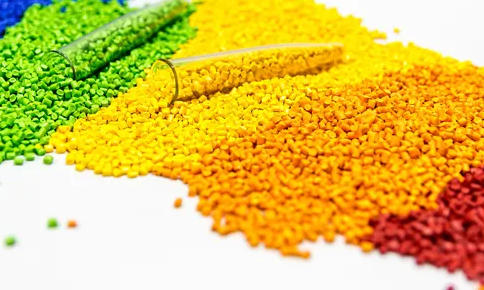
Color Masterbatch provides accurate color reproduction, ensuring vibrant and uniform hues across production batches. These Masterbatches are customized according to Pantone or RAL color codes, making them essential for product branding.
This type includes specialized additives that enhance performance. Examples include:
- Anti-UV Masterbatch
- Antioxidant Masterbatch
- Anti-fog and Anti-static Masterbatch
- Slip and Anti-block Masterbatch
Engineered for advanced performance, functional Masterbatches integrate elements like fillers, glass fibers, or flame retardants, enabling weight reduction and enhanced mechanical properties.
When specific product characteristics are needed, manufacturers create custom ABS Masterbatch formulations that combine color and functional additives into one solution—saving manufacturing steps while maintaining product integrity.
ABS plastics are widely used in vehicle interiors for dashboards, panels, and trims. ABS Masterbatch enhances surface quality, provides UV protection, and ensures consistent coloration—even under varying temperature and light conditions. Additionally, flame-retardant Masterbatches meet stringent automotive safety requirements.
For products like laptops, smartphones, and household appliances, ABS Masterbatch enables sleek finishes and high-gloss appearances. Colored Masterbatches also ensure precise brand identity across product lines. Anti-scratch and anti-static Masterbatches reduce wear and enhance usability.
Flame-retardant and UV-stable Masterbatches help improve the longevity and appearance of indoor and outdoor components. ABS fittings, panels, and decorative parts benefit from improved resistance to environmental degradation.
ABS Masterbatch supports innovative packaging designs through metallic, translucent, or pearlized finishes. The material's versatility enables premium packaging solutions while preserving strength and clarity.
Using food-grade ABS Masterbatch, toy manufacturers can produce brightly colored, safe, and durable products. Consistent color dispersion reduces rejection rates and meets global safety standards.
The plastic industry's pivot toward sustainability has led to innovations in bio-based and recyclable Masterbatch formulations. These alternatives reduce carbon footprint while maintaining the mechanical integrity of ABS products.
Modern Masterbatch manufacturers leverage digital color-matching systems to ensure ultra-precise color reproduction. This integration of technology minimizes human error and enhances process reliability.
Nanocomposite Masterbatches are emerging, offering enhanced conductivity, strength, and barrier properties. Such innovation positions ABS Masterbatch as a high-performance component in next-generation applications.
AI-driven formulation design allows rapid customization of Masterbatch solutions tailored to exact processing conditions, product requirements, and performance expectations.
While Masterbatch technology offers many advantages, a few challenges remain:
- Compatibility: Not all additives are fully compatible with every polymer matrix, requiring careful formulation testing.
- Cost of Innovation: Premium Masterbatches with advanced additives may cost more.
- Environmental Compliance: Certain legacy additives are being phased out due to environmental regulations.
- Processing Conditions: Improper temperature or shear during molding may affect dispersion and optical results.
Addressing these challenges requires close collaboration between plastic manufacturers, Masterbatch suppliers, and end users.
Choosing the right Masterbatch partner is essential to achieving consistent quality and innovation. Experienced manufacturers offer:
- Tailored formulation design aligned with application needs.
- Advanced testing facilities ensuring compliance with global standards.
- Technical support for optimizing processing conditions.
- Global logistics and supply stability for mass production scalability.
A professional Masterbatch supplier acts not only as a material provider but also as a strategic partner in sustainable product innovation.
ABS Masterbatch is more than a colorant—it's a catalyst for creativity, performance, and sustainable manufacturing. It empowers industries to overcome design limitations, achieve precision in aesthetics, and integrate functionalities seamlessly within complex polymer systems. As customization continues to drive the future of plastics, the importance of Masterbatch technology will only grow.
From automotive interiors to high-end consumer electronics and beyond, ABS Masterbatch symbolizes the synergy between innovation, performance, and environmental responsibility. By embracing next-generation Masterbatch solutions, manufacturers unlock new opportunities in product excellence and market differentiation.
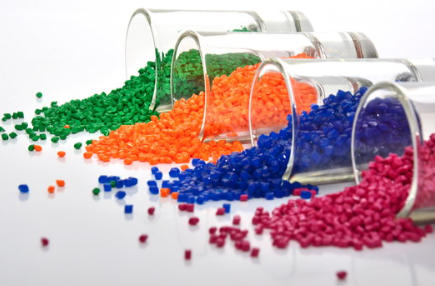
ABS Masterbatch is primarily used to add color, improve mechanical properties, and enhance surface quality in ABS-based plastic products. It ensures consistent dispersion of pigments and additives.
Unlike raw pigment powders, ABS Masterbatch pre-disperses pigments in a compatible resin carrier. This process ensures superior uniformity, avoids dust, and improves production cleanliness.
While designed for ABS, certain formulations can be adjusted to work with compatible resins like SAN or PC blends. Cross-compatibility depends on the carrier resin.
Properly formulated Masterbatch does not reduce ABS strength. In many cases, additive Masterbatch enhances durability, UV resistance, or impact performance.
Selection depends on color, additive requirements, processing method, and end-use conditions. Consulting with Masterbatch experts ensures optimal results and cost efficiency.


