


close
Choose Your Site
Global
Social Media


Views: 222 Author: Rebecca Publish Time: 2025-12-14 Origin: Site


Content Menu
● Importance of ABS Masterbatch in Electronics Manufacturing
>> 1. Enhanced Appearance and Color Uniformity
>> 2. Improved Mechanical Properties
>> 3. Thermal and Flame Retardant Properties
>> 4. UV and Weather Resistance
>> 5. Conductive and Antistatic Properties
● The Manufacturing Process of ABS Masterbatch
● Key Applications of ABS Masterbatch in Electronic Products
● Environmental and Economic Advantages
● Future Trends in ABS Masterbatch for Electronics
● FAQ
>> 1. What is the main function of ABS Masterbatch in electronics?
>> 2. Can ABS Masterbatch be customized for different electronic products?
>> 3. Does using ABS Masterbatch affect recyclability?
>> 4. What color options are available for ABS Masterbatch?
>> 5. How does ABS Masterbatch improve production efficiency?
Modern electronics manufacturing depends on a delicate balance of performance, durability, and cost-efficiency. Among the many materials used to achieve these goals, ABS Masterbatch plays a crucial role. This versatile additive formulation enhances the physical, mechanical, and aesthetic properties of plastics used in electronic components.
In today's highly competitive global market, electronic device producers are not only seeking lightweight and durable materials but also demanding consistent color, improved performance, and sustainable production solutions. ABS Masterbatch emerges as one of the most vital innovations bridging polymer science and industrial design in electronics manufacturing.
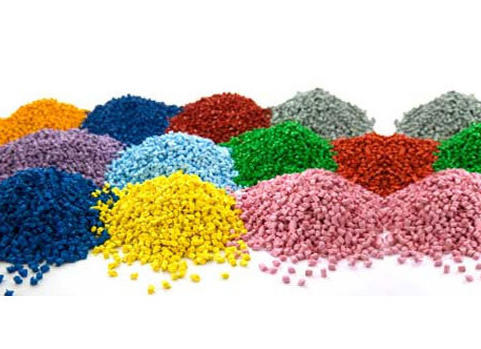
ABS (Acrylonitrile Butadiene Styrene) Masterbatch is a type of concentrated plastic additive that contains pigments, fillers, or performance-enhancing additives dispersed in an ABS polymer carrier. The Masterbatch is later mixed with raw ABS resin during the molding or extrusion process to impart desired characteristics such as color, UV resistance, flame retardance, or impact strength.
The unique structure of ABS — combining rigidity, toughness, and ease of processing — makes it a preferred choice for various electrical and electronic housings. The Masterbatch form ensures uniform dispersion of additives, stable performance, and easier handling compared to dry pigments or liquid additives.
Manufacturers often rely on custom ABS Masterbatch formulations tailored to specific product applications. This flexibility significantly expands the design and performance capabilities of electronics manufacturers worldwide.
ABS Masterbatch does far more than coloring the plastic used in electronic components. In today's electronics industry, where precision, stability, and aesthetics determine product value, its functions go far beyond surface appearance.
Consumer electronics prioritize design and user experience. Color Masterbatch for ABS ensures consistent and visually appealing results across a wide range of devices — from laptop casings and remote controls to speakers and routers.
Masterbatch technology provides excellent pigment dispersion, resulting in color stability, gloss control, and long-term visual durability. This consistency is vital when manufacturing large-volume components requiring exact color matching to global brand standards.
Electronic housings must resist impact, vibrations, and mechanical stress. By using a reinforcement Masterbatch, manufacturers can improve the tensile strength and impact resistance of ABS components. Modified Masterbatches containing glass fibers or mineral fillers optimize rigidity while maintaining moldability.
Such improvements directly influence product reliability, reducing breakage during assembly or use and extending the lifecycle of electronics.
Electronics manufacturing must comply with strict safety standards. Flame-retardant ABS Masterbatches are essential for achieving UL-94 V0 or V2 classifications. These Masterbatches integrate bromine-free, halogen-free, or phosphorus-based additives to protect devices from fire risks without compromising environmental safety or performance stability.
Thermal-resistant ABS Masterbatch also prevents deformation under heat, ensuring structural integrity under prolonged device operation.
Outdoor and automotive electronics are exposed to sunlight and environmental stress. UV-resistant ABS Masterbatch prevents discoloration, fading, and brittleness caused by UV radiation. Combining weather stabilizers with the Masterbatch improves resistance to moisture and oxidation, making devices suitable for challenging conditions.
In modern electronics, static electricity can damage sensitive circuits. Conductive or antistatic ABS Masterbatches include carbon black, graphene, or conductive polymer fillers that dissipate electrostatic charge effectively. These Masterbatches are crucial for components such as electronic enclosures, printer cartridges, and connectors.

Creating a high-quality ABS Masterbatch involves precise formulation control and advanced compounding technology. The process generally includes the following steps:
1. Raw Material Selection: Choose suitable pigments, additives, and ABS carrier resins based on performance targets.
2. Premixing: Pre-blend the ingredients to ensure uniform distribution before extrusion.
3. Melt Compounding: Process the material through a twin-screw extruder to melt and mix under controlled temperature and shear conditions.
4. Cooling and Pelletizing: Cool the extrudate and cut it into pellets — the final Masterbatch product.
5. Quality Testing: Evaluate dispersion quality, color strength, melt flow index, and compatibility with specific ABS grades.
Each stage is optimized to guarantee consistent performance and reproducibility in downstream applications.
ABS Masterbatch finds widespread use across several electronic segments:
- Consumer Electronics: Smartphones, remote controls, keyboards, computer peripherals, and routers use color-stable, impact-resistant ABS Masterbatch.
- Automotive Electronics: Instrument panels, control switches, and entertainment units benefit from flame-retardant and heat-resistant formulations.
- Appliances: Housing for air conditioners, washing machines, and refrigerators use Masterbatches that provide mechanical strength and surface gloss.
- Telecommunication Devices: For routers, modems, and antenna covers requiring UV stabilization and EMC protection.
- Office Equipment: Printers and copiers often rely on conductive ABS Masterbatch to prevent static charge accumulation.
By utilizing custom Masterbatch formulations, manufacturers can fine-tune product aesthetics and performance to meet diverse global market demands.
The adoption of ABS Masterbatch aligns with sustainability trends and operational efficiency goals. Here are some key advantages:
- Reduced Waste: Properly dispersed additives minimize defects and surface irregularities, reducing scrap rates.
- Enhanced Processability: Masterbatch pellets simplify handling and dosing, reducing production time and errors.
- Energy Efficiency: Improved flow and uniform heating properties lower extrusion or molding energy requirements.
- Recyclability: Certain eco-friendly ABS Masterbatch formulas are designed to work with recycled resin streams, promoting circular economy principles.
- Cost Optimization: Centralized additive systems reduce pigment consumption, storage costs, and inventory complexity.
For electronics manufacturers pursuing green production strategies, using advanced Masterbatch technologies supports both ecological and economic goals.
Technological innovation continues to shape the next generation of ABS Masterbatch materials. Emerging trends include:
- Nanotechnology Integration: Incorporation of nanofillers enhances strength, conductivity, and thermal stability at lower loadings.
- Biobased Additives: Development of bio-sourced colorants and carriers aligns with environmentally conscious manufacturing.
- Smart Additives: Self-healing, temperature-sensing, or UV-indicating Masterbatch formulations support smart device integration.
- Digital Color Matching: AI-based formulation software ensures precise global color consistency across supply chains.
- Recycling Innovations: Masterbatches engineered to maintain color and properties after multiple recycling cycles are gaining adoption.
These advancements are redefining the performance limits of ABS Masterbatch, ensuring sustainability and innovation remain at the core of electronics manufacturing.
ABS Masterbatch has become an indispensable material solution in the electronics industry. From improving mechanical and thermal stability to ensuring pristine aesthetics and safety compliance, it provides unmatched value for manufacturers seeking high-quality and efficient production.
By integrating advanced Masterbatch formulations, electronics producers can meet global market expectations for reliability, sustainability, and visual excellence. As technology evolves, the versatility of ABS Masterbatch will continue to drive innovation across the electronics manufacturing sector.

ABS Masterbatch enhances color, strength, thermal resistance, and flame retardancy in electronic plastic parts, ensuring consistent quality and performance across production batches.
Yes. Manufacturers can develop tailored ABS Masterbatch formulations to achieve specific properties such as UV resistance, conductivity, or high-gloss surface effects.
Modern ABS Masterbatch products are designed with eco-friendly additives and compatible carriers, allowing easy recycling without compromising product quality.
Color ABS Masterbatch can achieve virtually any shade, from metallic and pearl finishes to custom brand tones, providing full flexibility for electronic product design.
By ensuring uniform dispersion and stable processing, Masterbatch reduces waste, shortens cycle times, and enhances overall manufacturing consistency.


