


close
Choose Your Site
Global
Social Media


Views: 222 Author: Rebecca Publish Time: 2025-12-28 Origin: Site


Content Menu
● The Role of Masterbatch in Plastic Processing
● Step-by-Step Production Process of PP Masterbatch
>> 2. Precise Weighing and Pre-Mixing
>> 3. Melt Compounding and Extrusion
>> 6. Quality Control and Testing
● Key Considerations in PP Masterbatch Production
>> Environmental Responsibility
● Applications of PP Masterbatch
● Advantages of Using PP Masterbatch
>> 1. What is the main carrier resin used in PP Masterbatch?
>> 2. How is PP Masterbatch different from traditional colorants?
>> 3. Can PP Masterbatch be customized for specific applications?
>> 4. What quality tests are essential for PP Masterbatch?
>> 5. Is PP Masterbatch environmentally friendly?
In today's modern plastics industry, PP Masterbatch plays a vital role in improving the properties, color, and performance of polypropylene-based products. From packaging films to household goods and automotive parts, PP Masterbatch ensures consistent quality, enhanced durability, and superior aesthetic appeal. But what exactly goes into the production of PP Masterbatch? This article explores the entire process—from raw material selection to final quality testing—giving readers a complete understanding of how high-grade Masterbatch is made.
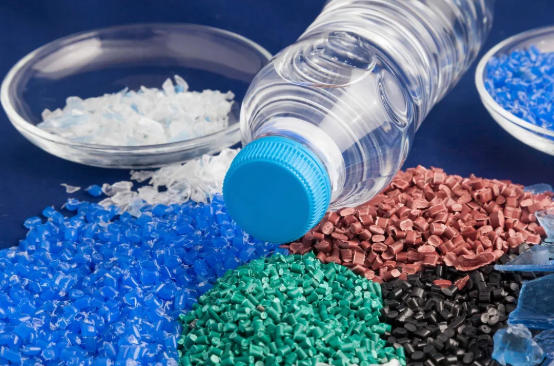
PP Masterbatch refers to a highly concentrated mixture of pigments, additives, and carrier resin that is used to modify or color polypropylene (PP) products. It allows manufacturers to achieve specific visual and functional characteristics without the need for separate compounding equipment.
PP Masterbatch is typically used in industries such as packaging, agriculture, automotive, and consumer goods. Its formulation depends on the final product requirements, whether that's UV resistance, flame retardancy, or color uniformity.
Before diving into the production steps, it is essential to understand why PP Masterbatch is critical in the plastics industry:
- Improved dispersion of additives. Masterbatch enhances the even distribution of pigments and additives in the polymer base.
- Ease of handling. It simplifies dosing and mixing, reducing dust and contamination during processing.
- Batch-to-batch consistency. Each lot of Masterbatch ensures uniform color and performance characteristics.
- Cost efficiency. Instead of pre-coloring all raw materials, manufacturers can use PP Masterbatch for flexible, smaller-scale adjustments.
In short, Masterbatch adds efficiency and precision to every stage of plastic manufacturing.
Producing PP Masterbatch requires a combination of technical expertise, advanced machinery, and strict quality control. Below is a breakdown of the main stages involved.
The foundation of a high-quality PP Masterbatch lies in its ingredients. The three primary materials used include:
- Carrier resin: Usually polypropylene (PP) resin, which encapsulates the pigment and ensures compatibility with the final product.
- Pigment or additive: Determines the color or functional properties. This can include titanium dioxide (for white Masterbatch), carbon black, or organic pigments.
- Dispersant and stabilizer: Enhances dispersion and thermal stability during processing.
Careful raw material selection ensures that the PP Masterbatch meets the required chemical and physical properties.
After materials are selected, they are accurately weighed according to the formulation ratios. Mixing is conducted in a high-speed mixer to pre-disperse the pigment and resin. Homogeneity at this stage is critical—the more even the dispersion, the better the final Masterbatch performance.
Proper pre-mixing avoids problems like color streaks or inconsistencies in the final plastic product.
The pre-mixed materials are transferred into a twin-screw extruder, where they are heated, melted, and compounded at controlled temperatures. Inside the extruder, the pigment and resin interact at molecular levels, ensuring fine dispersion and uniform distribution.
Key process parameters include:
- Extrusion temperature: Typically between 180°C and 250°C.
- Screw speed and pressure: Optimize mixing efficiency and avoid resin degradation.
- Feeding rate: Determines throughput and energy efficiency.
The molten compound is then extruded through a die to form continuous strands of PP Masterbatch.
The extruded strands pass through a cooling water bath, allowing them to solidify. After cooling, the strands are cut into uniform pellets using a pelletizer. These PP Masterbatch pellets are easy to handle, measure, and mix with virgin PP resins.
Pellet uniformity ensures consistent dosing during downstream processing, which directly affects the final plastic's color and appearance.
After pelletizing, the PP Masterbatch undergoes a drying process to remove residual moisture. Moisture can cause defects such as bubbles or poor surface finish during molding, so drying ensures stability and quality.
The dried pellets are then screened to remove oversized or undersized particles, guaranteeing a consistent particle size distribution.
Before packaging, the PP Masterbatch is tested under strict laboratory conditions. Key tests include:
- Color matching and dispersion tests to ensure visual consistency.
- Melt flow index (MFI) measurement to evaluate processability.
- Heat stability tests to verify thermal resistance.
- Compatibility and performance check with target resins.
Advanced quality management systems ensure that every batch of PP Masterbatch meets customer standards and regulatory requirements.
Once tested and approved, the PP Masterbatch pellets are packed in moisture-proof polyethylene bags, labeled, and stored in a clean, dry warehouse. Proper packaging protects the product from humidity, contamination, and UV exposure.
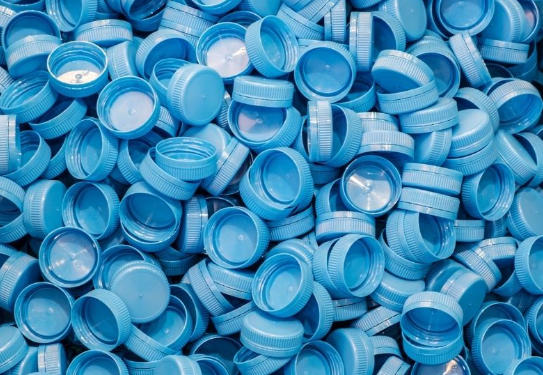
Different industries require different types of PP Masterbatch. The most common categories include:
Contains pigments for coloring PP products, available in a wide range of customized hues.
Formulated with titanium dioxide, offering high opacity and brightness.
Carbon black-based, delivering deep color, UV protection, and conductivity if needed.
Includes UV stabilizers, antioxidants, flame retardants, or anti-static agents to enhance performance.
Consists of calcium carbonate or talc to improve stiffness, reduce cost, and modify surface properties.
Each type of PP Masterbatch serves a unique purpose within the manufacturing chain, allowing flexibility and efficiency in plastic processing.
Maintaining the correct ratio between pigment, carrier, and additives is essential for achieving consistent results.
Modern twin-screw extruders, with precise temperature and pressure controls, are critical in ensuring uniform mixing and melt quality.
Many PP Masterbatch manufacturers now adopt eco-friendly formulations, such as non-toxic pigments and recyclable carrier resins, aligning with global sustainability goals.
Customers often require tailored solutions, whether in color shade, additive strength, or processing compatibility. Custom PP Masterbatch design allows greater flexibility and product differentiation.
PP Masterbatch finds wide usage across multiple sectors:
- Packaging: For films, bottles, and containers requiring high gloss and clarity.
- Automotive: Used in dashboards, trims, and panels that need UV stability and durability.
- Textiles: For fibers, yarns, and woven bags where consistent color is vital.
- Construction: In pipes, sheets, or fittings requiring anti-aging properties.
- Household goods: Such as kitchenware, toys, and furniture components.
Its versatility proves why PP Masterbatch continues to be an integral component of the global plastics supply chain.
- Enhanced production efficiency and simplified color management.
- Improved mechanical and thermal properties of PP products.
- Reduced waste and inconsistency compared to direct pigment use.
- Better compatibility with modern processing methods like injection molding and extrusion.
- Greater design flexibility in color and effects, such as metallic or matte finishes.
These advantages make PP Masterbatch a preferred choice for large-scale manufacturing environments seeking precision and reliability.
The production of PP Masterbatch is a highly technical yet systematically controlled process. Every stage—from material selection to final testing—contributes to product quality, performance, and customer satisfaction. As global demand for high-performance plastics continues to grow, PP Masterbatch will remain a cornerstone of innovation in polymer processing.
Through constant research, upgraded equipment, and custom solutions, manufacturers ensure that each batch of PP Masterbatch meets the most demanding standards. Understanding this process helps buyers, designers, and engineers make informed decisions when specifying masterbatch for their next project.
Polypropylene (PP) resin serves as the primary carrier, ensuring excellent compatibility with PP-based products and maintaining similar melt flow characteristics.
Unlike raw pigments, PP Masterbatch offers better dispersion, cleaner processing, and easy dosing, which leads to superior consistency and reduced waste during production.
Yes, manufacturers can tailor formulations with unique pigments, UV stabilizers, or fillers to meet distinct requirements for color, performance, and processing behavior.
Key tests include color matching, dispersion, melt flow index (MFI), heat stability, and compatibility checks with the base polymer.
Modern PP Masterbatch formulations often use non-toxic, RoHS-compliant pigments and recyclable resins, making them suitable for eco-conscious production lines.


