


close
Choose Your Site
Global
Social Media


Views: 222 Author: Rebecca Publish Time: 2026-01-25 Origin: Site


Content Menu
● The Raw Materials Used in PE Masterbatch
● Key Stages in the Production Process of PE Masterbatch
>> 1. Material Weighing and Mixing
>> 2. Melt Compounding and Extrusion
● Advanced Techniques in Masterbatch Production
>> 1. Automated Feeding Systems
>> 2. High-Shear Mixing Technology
>> 3. Computerized Color Matching
● Applications of PE Masterbatch
● Environmental and Sustainability Perspectives
● Customization and R&D in Masterbatch Development
● Challenges in Masterbatch Production
● Future Trends in PE Masterbatch Industry
● FAQ
>> 1. What is the main purpose of PE Masterbatch?
>> 2. How is PE Masterbatch different from additives?
>> 3. What industries commonly use PE Masterbatch?
>> 4. How can I choose the right Masterbatch for my product?
>> 5. Is PE Masterbatch environmentally friendly?
As one of the most versatile materials in the plastics industry, PE Masterbatch plays a vital role in enhancing the performance, color, and functionality of polyethylene-based products. From packaging films to household goods, Masterbatch enables manufacturers to add pigments, fillers, and additives efficiently. This article provides an in-depth understanding of the production process of PE Masterbatch, its formulation principles, and quality control methods used by modern plastic material companies.
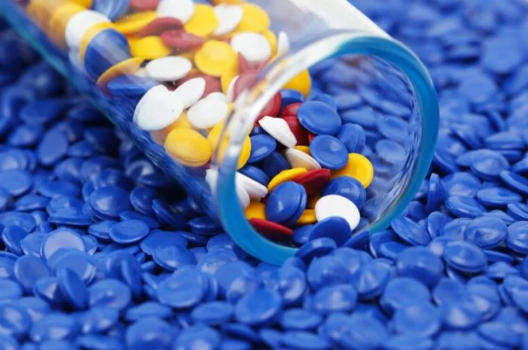
PE Masterbatch is a concentrated mixture of pigments, additives, or both, encapsulated in a carrier resin—mainly polyethylene (PE). This product is designed to be mixed with natural polymer granules during plastic processing, ensuring consistent dispersion of color and other properties.
The Masterbatch serves several key purposes:
- It provides uniform color distribution in the final plastic product.
- It improves the mechanical and thermal stability of polymers.
- It enables cost-effective production since less additive material is wasted.
- It ensures better compatibility with different plastic processes such as extrusion, injection molding, and blow molding.
PE Masterbatch is available in various forms—color masterbatch, white masterbatch, black masterbatch, and additive masterbatch—each customized according to the requirements of the end application.
The quality of PE Masterbatch depends heavily on the raw materials used. These mainly include:
1. Carrier Resin – The base polymer that encapsulates pigment or additives. For PE Masterbatch, low-density polyethylene (LDPE), linear-low-density polyethylene (LLDPE), or high-density polyethylene (HDPE) are common carriers.
2. Pigments or Additives – Substances that give color, opacity, or additional functions (UV resistance, flame retardancy, antistatic properties).
3. Dispersants and Stabilizers – These aid in pigment dispersion and thermal stability, ensuring uniform performance during processing.
A crucial step at this stage is material compatibility testing, which ensures that all ingredients blend effectively without compromising mechanical or optical properties.
The manufacturing of PE Masterbatch involves a highly controlled process to achieve consistency, performance, and batch-to-batch quality. Below are the essential stages:
The process begins by accurately weighing each component—carrier resin, pigments, and additives—based on a predefined formula. Precision in this stage is essential because any deviation can alter the final product color or performance.
The weighed materials are then pre-mixed using high-speed mixers. The goal is to attain a homogeneous blend before melting. Some companies use computerized weighing systems for automated accuracy and efficiency.
This is the core step in PE Masterbatch production. The pre-mixed materials are fed into a twin-screw extruder or single-screw extruder, where they are melted, kneaded, and dispersed under controlled temperature and pressure.
- Temperature control is vital to prevent pigment degradation.
- The shear force from the screws ensures fine dispersion of pigment particles within the carrier resin.
- The extrusion speed and pressure determine the final quality and uniformity of the masterbatch pellets.
In advanced facilities, co-rotating twin-screw extruders are preferred because they deliver superior mixing efficiency and consistent output.
After extrusion, the molten Masterbatch strands are cooled using water baths or air cooling systems before being cut into small, uniform pellets. These pellets are the final form of Masterbatch used in plastic processing industries.
The pellet shape and size influence handling, feeding, and blending performance during downstream processing, making this an essential quality-control step.
Before packaging, the pellets undergo drying to remove any surface moisture that could affect storage or processing performance. Proper drying ensures that the Masterbatch retains optimal flowability and color stability.
The finished product is then packaged in moisture-proof bags or bulk containers and stored in controlled environments until dispatch.
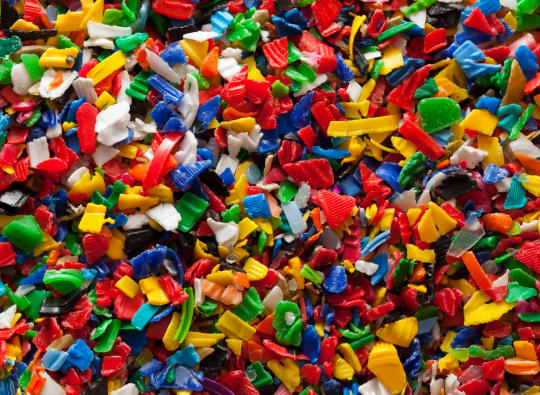
Modern PE Masterbatch manufacturing integrates innovative technologies to achieve higher precision and efficiency.
Advanced plants use fully automated feeding systems to ensure accurate dosage of pigments and additives, eliminating human error and enhancing repeatability.
This advanced mixing system ensures excellent dispersion of fine pigments—particularly important for white masterbatch and black masterbatch, where color consistency is critical.
Using digital color-matching instruments and databases, producers can quickly replicate or modify color formulations according to customer requests, saving significant time in product development.
Temperature, moisture, and air purity are tightly controlled in modern production areas to prevent contamination that could impact Masterbatch stability or appearance.
Ensuring the performance of PE Masterbatch relies on stringent quality control measures performed throughout production:
- Color Consistency Test: Verifies uniformity using spectrophotometers.
- Melt Flow Index (MFI): Evaluates processability and compatibility with base polymers.
- Dispersion Test: Analyzes pigment particle size and distribution using microscopy.
- Weathering and UV Resistance: Tests outdoor performance for packaging or agricultural films.
- Thermal Stability and Moisture Content: Ensures durability and long shelf life.
In addition, sample retention systems are implemented to monitor long-term stability and traceability.
PE Masterbatch is widely applied in multiple sectors, thanks to its versatility and cost-effectiveness:
- Packaging films and bags: For color stability and UV protection.
- Pipes and fittings: Enhancing mechanical strength and durability.
- Household items: Providing decorative colors and surface finish.
- Agricultural films: Offering anti-fog and UV-resistant properties.
- Cables and wires: For insulation and color identification.
Each application demands customized Masterbatch formulations that meet specific technical requirements and processing conditions.
The plastic industry increasingly focuses on sustainability, and PE Masterbatch production is evolving accordingly.
1. Recycled Carrier Resins: Many manufacturers now incorporate recycled PE materials into Masterbatch production without compromising performance.
2. Eco-friendly Additives: Non-toxic pigments, biodegradable additives, and halogen-free flame retardants are gaining popularity.
3. Energy-Efficient Processing: Modern extruders and cooling systems reduce energy usage.
4. Closed-Loop Production: Waste pellets and off-grade materials are reprocessed, minimizing waste generation.
Sustainable manufacturing not only enhances brand image but also complies with global environmental regulations.
A key advantage of working with professional Masterbatch manufacturers lies in custom formulation and R&D capabilities. Through collaboration between chemists, engineers, and colorists, manufacturers develop bespoke solutions that match customers' performance and aesthetic requirements.
Custom development typically includes:
- Selection of carrier resin suitable for the client's base polymer.
- Laboratory testing for color accuracy, dispersion, and stability.
- Pilot-scale production and trial processing with customer feedback.
- Continuous improvement based on application performance.
Such partnerships allow global customers to source tailor-made PE Masterbatch solutions that ensure both consistency and cost efficiency.
Despite advancements, PE Masterbatch production poses challenges that demand technical expertise:
1. Pigment Agglomeration – Poor dispersion can lead to color spots or inconsistent texture.
2. Thermal Degradation – Pigments or additives that cannot withstand high processing temperature lose efficiency.
3. Compatibility Issues – Mismatch between Masterbatch and base resin may lead to processing instability.
4. Moisture Sensitivity – Especially critical for hygroscopic pigments and additives.
5. Quality Variation Between Batches – Requires rigorous control and monitoring to maintain standards.
Addressing these challenges involves improved process design, precise control systems, and continuous operator training.
Looking ahead, the global Masterbatch market shows a strong trend toward intelligent manufacturing and sustainability. Some emerging developments include:
- AI-based color prediction for faster color matching and consistency.
- Bio-based carrier resins derived from renewable sources.
- Nano-additive Masterbatch for enhanced barrier properties and conductivity.
- 3D-printing-compatible Masterbatch designed for additive manufacturing applications.
As demand for advanced plastic solutions grows, innovation in PE Masterbatch formulation and production will remain a major driving force.
The production process of PE Masterbatch combines precise engineering, chemical expertise, and advanced manufacturing technologies. From raw material selection to extrusion, testing, and customization, every stage determines the consistency and performance of the final polymer product. As global industries pursue sustainability and high-performance materials, companies specializing in PE Masterbatch production continue to lead innovation in polymer coloration and functional enhancement.
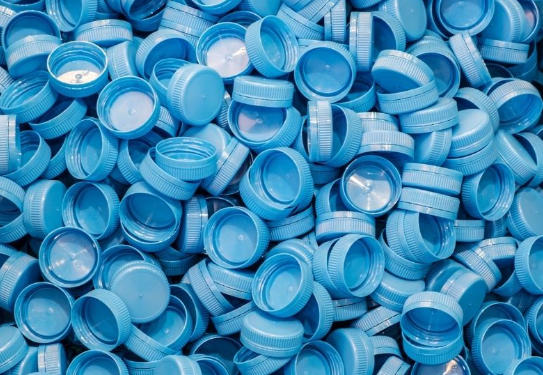
PE Masterbatch provides color, functional additives, and improved processing properties when mixed with raw polyethylene materials, offering a cost-effective way to achieve consistent performance.
Additives are individual chemicals, while Masterbatch encapsulates additives or pigments in a resin carrier, allowing easier handling, better dispersion, and minimal dust or waste during production.
Industries such as packaging, agriculture, automotive, construction, and household goods widely use PE Masterbatch for its versatility and production efficiency.
Consider factors like base resin compatibility, desired color, additive functionality, processing temperature, and application requirements. Reputable suppliers can offer tailored recommendations.
Many modern Masterbatches use eco-friendly pigments, recycled carriers, and energy-efficient processing methods, making them increasingly sustainable and compliant with environmental regulations.


