


close
Choose Your Site
Global
Social Media


Views: 222 Author: Rebecca Publish Time: 2026-01-07 Origin: Site


Content Menu
● Core Benefits Of PA Masterbatch
>> 1. Improved Mechanical Strength And Rigidity
>> 2. Enhanced Heat And Flame Resistance
>> 3. Superior Surface Quality And Aesthetics
>> 4. Functional Additives For Performance Upgrades
>> 5. Better Processing Efficiency And Cost Control
● Main Types Of PA Masterbatch
>> Flame Retardant PA Masterbatch
>> Conductive And Anti‑Static PA Masterbatch
>> UV And Weather‑Resistant PA Masterbatch
● Key Applications Of PA Masterbatch
>> Industrial Engineering Parts
>> Films, Packaging, And Specialty Products
● Selecting The Right PA Masterbatch
>> Matching Carrier And Base Resin
>> Defining Performance And Regulatory Requirements
>> Processing Conditions And Equipment
>> 1. What is the difference between PA Masterbatch and general Masterbatch?
>> 2. In which industries is PA Masterbatch most commonly used?
>> 3. How does PA Masterbatch affect processing conditions?
>> 4. Can multiple functions be combined in one PA Masterbatch?
>> 5. How should PA Masterbatch be stored and handled?
Polyamide (PA) Masterbatch is a high-performance additive and color solution engineered specifically for nylon-based materials, combining pigments and functional additives in a PA carrier for efficient processing and property enhancement. By using PA Masterbatch, manufacturers can upgrade mechanical strength, heat resistance, dimensional stability, and aesthetics of engineering plastics used in demanding industrial applications.[1][2][3][4]
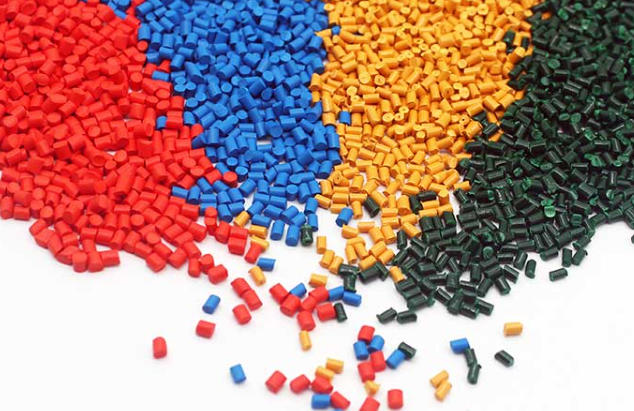
PA Masterbatch is a concentrated blend of pigments, fillers, and functional additives dispersed in a polyamide carrier resin, typically PA6 or PA66, and supplied in granular form for easy dosing. This Masterbatch is designed to be let down into base PA materials during extrusion, injection molding, or film blowing to deliver consistent color and performance with low addition levels.[2][3][5][1]
Unlike universal Masterbatch based on generic carriers, PA Masterbatch is optimized for the specific rheology, polarity, and processing temperature of polyamides, ensuring excellent compatibility and dispersion. This targeted design helps avoid issues such as poor interfacial adhesion, phase separation, or mechanical property loss that can occur when mismatched Masterbatch systems are used.[6][4][1]
One of the most important benefits of PA Masterbatch is its ability to significantly boost mechanical properties through reinforcing additives such as glass fiber or carbon fiber. Reinforced PA Masterbatch can increase tensile strength, stiffness, impact resistance, and dimensional stability, making nylon components suitable for structural and load‑bearing uses while still maintaining relatively low weight.[7][8][2]
For automotive parts, electrical housings, and precision-engineered components, these enhancements allow designers to replace metals with PA plus reinforcing Masterbatch, reducing mass without sacrificing safety or durability. In many applications, the combination of PA resin and a well‑engineered Masterbatch offers a superior balance of strength, toughness, and design flexibility compared with conventional plastics.[4][9][10][2][7]
Polyamide already offers good heat resistance compared with commodity polymers, but PA Masterbatch can elevate this performance further by incorporating specialized flame retardant systems and thermal stabilizers. Flame retardant PA Masterbatch helps end products meet stringent fire safety standards in sectors such as automotive, electronics, and public infrastructure, without severely compromising mechanical properties or processing stability.[11][2][4]
Heat‑stabilizing Masterbatch formulations protect PA chains from thermal oxidation during high‑temperature processing and long‑term service, reducing discoloration, embrittlement, and property loss. This combination of inherent PA resilience and tailored Masterbatch additives enables components to function reliably in under‑hood automotive environments, electrical connectors, and industrial machinery.[12][9][2][7]
Color PA Masterbatch provides uniform, repeatable coloration for nylon parts, avoiding the dusting, contamination, and dosing inaccuracies associated with dry pigments. Because pigments and additives are pre‑dispersed in the PA carrier, the Masterbatch disperses evenly in the melt, resulting in stable shades, gloss control, and minimal flow marks even at low let‑down ratios.[3][13][14][1]
In addition to standard color Masterbatch solutions, effect Masterbatch products can introduce metallic, pearlescent, or soft‑touch appearances into PA components, enhancing perceived value of consumer goods and automotive interiors. This visual flexibility allows brands and OEMs to differentiate products while maintaining high technical performance.[13][15][4]
PA Masterbatch can incorporate a wide range of functional additives beyond color and reinforcement, enabling highly tailored material solutions. Typical examples include:[15][2]
- UV‑stabilizing Masterbatch to protect outdoor PA parts from sunlight, minimizing yellowing, chalking, and mechanical degradation.[2][15]
- Anti‑static and conductive Masterbatch based on conductive carbon black, metal fibers, or carbon nanotubes, used to control static charge and provide electromagnetic shielding in electronic applications.[16][7][2]
- Antibacterial Masterbatch that inhibits microbial growth on PA surfaces in hygiene, medical, and consumer applications, improving safety and cleanliness.[15][2]
By selecting the right Masterbatch combination, manufacturers can combine several functions—such as color, UV protection, and anti‑static behavior—into a single additive system, simplifying inventory and dosing.[13][15]
Using PA Masterbatch simplifies production by replacing multiple raw additives with a single, easy‑to‑handle pelletized system. This reduces weighing errors, dust emissions, cleaning time, and changeover losses, especially in multi‑color or multi‑grade production environments.[5][10][3]
Functional Masterbatch, including processing‑aid Masterbatch, can also improve melt flow, reduce die build‑up, and minimize defects such as flow lines or voids, which leads to higher throughput and reduced scrap. Because Masterbatch is highly concentrated, small addition rates achieve the desired effect, making it a cost‑effective method to modify PA properties compared with using pure additives.[3][12][2][15]
Color PA Masterbatch is formulated to deliver vibrant, consistent coloration in nylon, typically using organic and inorganic pigments that can withstand PA processing temperatures. These Masterbatch systems must be carefully designed to maintain color stability, avoid plate‑out, and prevent negative effects on mechanical strength or crystallization.[14][1][13]
For automotive, electronics, and textile applications, color PA Masterbatch allows precise color matching to corporate or industry standards while ensuring repeatability across large production volumes. This is especially valuable when multiple production sites or subcontractors must maintain the same visual specifications worldwide.[10][7][4]
Reinforced PA Masterbatch incorporates glass fiber, carbon fiber, or mineral fillers to dramatically increase stiffness, strength, and dimensional stability. Glass fiber PA Masterbatch is common in structural components, while carbon fiber PA Masterbatch adds electrical and thermal conductivity along with high mechanical performance for advanced engineering parts.[8][16][2]
Because the reinforcing phase is pre‑dispersed within the PA Masterbatch, the risk of fiber breakage or agglomeration during compounding is reduced compared with direct addition of fibers, resulting in more uniform mechanical properties. The use of reinforced Masterbatch also enables flexible adjustment of fiber content simply by changing the Masterbatch dosing level.[6][2][15]
Flame retardant PA Masterbatch is specifically engineered to inhibit ignition, reduce flame spread, and lower smoke generation in nylon components. Depending on regulatory and performance requirements, these Masterbatch grades can be halogen‑free or halogen‑containing, and may be optimized to pass standards such as UL 94 or automotive fire tests.[11][4][10]
This type of Masterbatch is widely used in electrical connectors, cable components, appliance housings, and interior automotive parts, where fire safety is critical. Utilizing a dedicated flame retardant PA Masterbatch helps maintain balanced mechanical and processing characteristics while still achieving required flame‑retardant performance.[7][11][15]
Conductive PA Masterbatch uses conductive fillers to provide controlled electrical conductivity, enabling static dissipation or EMI shielding. These Masterbatch solutions are important in electronic device housings, connectors, trays, and packaging for sensitive components where electrostatic discharge must be minimized.[16][2][7]
Anti‑static PA Masterbatch, often based on conductive additives with lower loading, prevents static charge build‑up on surfaces, reducing dust attraction and improving safety in flammable or dust‑laden environments. This Masterbatch category provides reliable performance while maintaining processability and mechanical integrity of the base PA.[2][16][15]
UV‑resistant PA Masterbatch contains UV absorbers, light stabilizers, and antioxidants to protect nylon from sunlight and atmospheric exposure. Without such Masterbatch, PA parts used outdoors may experience fading, brittleness, and cracking over time, especially in high‑UV regions.[15][2]
Weather‑resistant Masterbatch formulations are widely applied in automotive exterior parts, outdoor electrical components, building elements, and agricultural products like films or nets. Proper selection of UV Masterbatch extends service life and preserves both appearance and mechanical properties in challenging environments.[4][2][15]
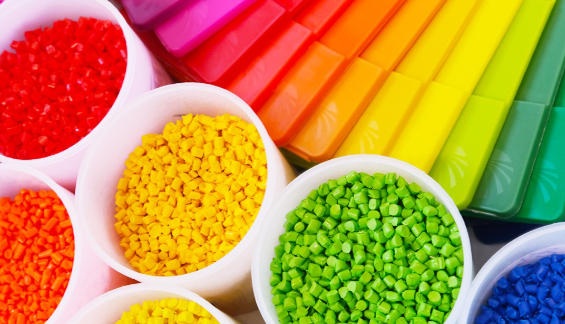
The automotive industry is one of the largest consumers of PA Masterbatch due to its demand for lightweight yet strong materials. Typical PA parts enhanced by Masterbatch include:[10][7][4]
- Under‑hood components such as engine covers, air‑intake manifolds, and brackets reinforced with glass‑fiber Masterbatch for high heat and mechanical loads.[9][2]
- Interior trim, door handles, and functional elements colored with high‑precision color Masterbatch for consistent appearance across different batches and suppliers.[7][4]
Reinforced and flame‑retardant PA Masterbatch help meet strict regulatory standards and durability requirements while supporting vehicle lightweighting and fuel‑efficiency goals.[10][2]
In electrical and electronic applications, PA Masterbatch plays a crucial role in delivering flame retardancy, dimensional stability, and precise color coding. Connectors, terminal blocks, switch housings, and cable components often rely on flame retardant PA Masterbatch to comply with safety regulations and functional reliability standards.[11][4][7]
Conductive and anti‑static Masterbatch systems are also used for parts that must dissipate charges or shield sensitive circuits from electromagnetic interference. The combination of PA resin and tailored Masterbatch enables manufacturers to produce compact, high‑performance components for modern electronics.[17][16][2][7]
PA Masterbatch is widely used to customize engineering components in machinery, power tools, industrial equipment, and consumer appliances. Reinforced, lubricated, or wear‑resistant Masterbatch formulations can improve friction behavior, fatigue resistance, and long‑term dimensional stability of gears, bearings, housings, and functional parts.[12][4][2]
Because Masterbatch can deliver multiple functions—such as reinforcement, color, and lubrication—in a single pelletized system, it simplifies compounding and enables flexible, application‑specific material design. This is especially valuable for OEMs aiming to standardize base PA grades while tuning properties using Masterbatch.[13][6][15]
Polyamide fibers are common in textiles, carpets, industrial fabrics, and technical ropes, and PA Masterbatch is frequently used in the spinning process to introduce color and functional properties. Color Masterbatch for PA fibers offers excellent color fastness and uniformity compared with post‑dyeing, while also reducing water and energy consumption.[4][7][15]
Functional Masterbatch can impart UV resistance, antibacterial performance, or flame retardancy to PA fibers, enabling high‑value technical textiles for protective clothing, filtration, and automotive interiors. The ability to integrate functions at the fiber level through Masterbatch expands design possibilities for advanced textile products.[9][7][15]
Although PA is less common than polyolefins in packaging, PA Masterbatch is widely used in specialty films requiring high barrier, mechanical strength, and thermal resistance, such as multilayer food packaging, vacuum bags, and technical films. Heat‑shrinkable and conductive films based on PA can be produced using heat‑shrink or conductive Masterbatch formulations for protective and anti‑static packaging.[2][4][15]
Weather‑resistant and UV‑stabilized PA Masterbatch is used in agricultural films, flexible hoses, and outdoor components where long‑term performance is essential. These Masterbatch solutions ensure that even demanding film applications can benefit from PA's engineering properties.[4][15][2]
For optimal performance, the carrier resin of the PA Masterbatch should be compatible with the target polyamide, typically PA6, PA66, or other PA variants. Using a PA‑based Masterbatch with PA substrates ensures good interfacial adhesion and prevents phase separation or mechanical weakness.[1][5][6]
When working with PA blends or alloys, such as PA/PP or PA/ABS systems, the Masterbatch may need tailored compatibility agents to maintain uniform dispersion and stable properties. Selecting a Masterbatch specifically formulated for the chosen polymer matrix is therefore essential for robust performance.[6][13][15]
Before choosing a PA Masterbatch, manufacturers should clearly define mechanical, thermal, electrical, and aesthetic targets, as well as any regulatory requirements such as fire standards or food‑contact compliance. These criteria influence pigment selection, additive type, and loading in the Masterbatch, as well as the recommended let‑down ratio.[14][11][13][4]
For example, parts in public transportation or building applications may require halogen‑free flame retardant Masterbatch that meets specific toxicity and smoke standards, whereas consumer electronics might focus on EMI shielding and heat resistance. Working closely with a Masterbatch supplier helps ensure that selected PA Masterbatch grades satisfy all technical and legal constraints.[11][7][13][4]
Processing conditions—including extrusion temperature, shear rate, drying, and cooling—must be compatible with both the base PA and the PA Masterbatch formulation. Some additives, such as certain pigments or conductive fillers, can affect viscosity and melt flow, so dosing and process parameters may need adjustment to maintain stable production.[12][2]
High‑quality PA Masterbatch is engineered to withstand typical nylon processing temperatures and cycles without significant degradation, ensuring consistent performance over long production runs. Nonetheless, thorough trials and monitoring are recommended when introducing new Masterbatch grades to critical product lines.[13][12][15][2]
PA Masterbatch has become a cornerstone technology for engineering plastics, offering an efficient way to enhance the performance, appearance, and processability of polyamide materials across many industries. By integrating color, reinforcement, flame retardancy, conductivity, UV stability, and other functions into a concentrated PA‑based Masterbatch, manufacturers gain tremendous flexibility to tailor nylon to demanding applications while preserving processing efficiency and cost control.[1][15][2][4]
From automotive components and electrical devices to industrial parts, textiles, and specialty films, PA Masterbatch enables lightweight, durable, and high‑value products that meet evolving technical and regulatory requirements. Careful selection of the right PA Masterbatch—matched to the base resin, performance targets, and processing conditions—ensures reliable performance and supports innovation in modern plastic engineering.[7][6][10][2][13]
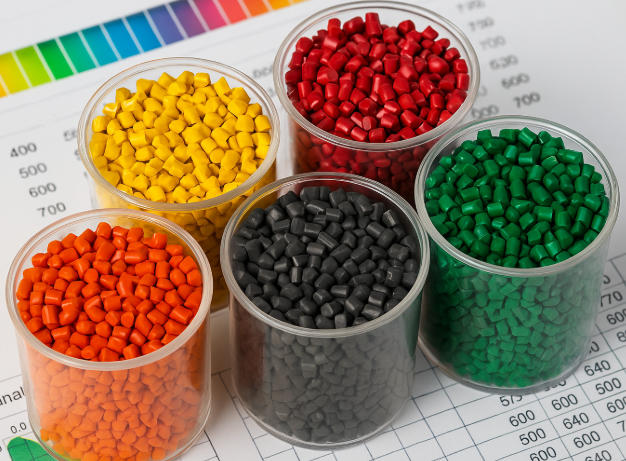
PA Masterbatch uses a polyamide carrier resin and is specifically formulated for nylon systems, while general Masterbatch may use carriers such as PE, PP, or universal resins. Using PA Masterbatch with PA substrates ensures better compatibility, mechanical properties, and dispersion than relying on non‑PA carriers in engineering applications.[5][3][1][6]
PA Masterbatch is widely used in automotive components, electrical and electronic parts, industrial engineering products, technical textiles, and high‑performance films and packaging. These sectors take advantage of the combination of PA's engineering properties and the tailored functionality provided by specialized Masterbatch formulations.[9][2][7][4]
Properly designed PA Masterbatch is compatible with standard polyamide processing temperatures but may slightly modify melt viscosity and flow behavior depending on the additive package. Processing parameters such as temperature profile, screw speed, and back pressure may need minor adjustments to maintain stable mixing and avoid defects when new Masterbatch grades are introduced.[12][2]
Yes, multifunctional PA Masterbatch can combine color, UV stabilization, flame retardancy, reinforcement, or anti‑static properties in a single pelletized product. This reduces the number of separate additives to handle, simplifies dosing, and improves consistency while still delivering the required performance in the final PA compound.[5][15][13]
PA Masterbatch should be stored in a dry, cool environment, protected from direct sunlight and moisture to prevent degradation and moisture absorption. Before processing, drying according to supplier recommendations is often required, and good handling practices—such as sealed packaging and clean feeding systems—help maintain Masterbatch quality and performance.[15][2][12]
[1](https://www.linkedin.com/pulse/what-pa-masterbatch-uses-how-works-top-companies-2025-nexovates-c7r0c)
[2](https://www.kerkeextruder.com/masterbatch-production/pa-masterbatch/)
[3](https://en.wikipedia.org/wiki/Masterbatch)
[4](https://supremepetrochem.com/masterbatches-a-complete-guide/)
[5](https://www.addiplast-group.com/en/formulation-fabrication-masterbatches/)
[6](https://www.xiangxichem.com/product/pa-compounding-masterbatch/)
[7](https://www.linkedin.com/pulse/pa-masterbatch-real-world-5-uses-youll-gh5wf)
[8](https://masterbatchmanufacturer.com/recognize-the-fundamental-characteristics-and-practical-applications-of-ppa-masterbatch/)
[9](https://www.plastemart.com/plastic-technical-articles/polyamide-plays-an-important-role-in-automotive-electronic-and-packaging/830)
[10](https://petroshid.com/masterbatches-the-key-to-enhanced-plastic-production/)
[11](https://flame-retardant.alfa-chemistry.com/flame-retardant-pa-masterbatch.html)
[12](https://europlas.com.vn/en-US/blog-1/benefits-of-ppa-masterbatch-in-industrial-applications)
[13](https://www.charmingmb.com/2025/08/05/4-types-of-masterbatch-comprehensive-guide-for-2025/)
[14](https://alokmasterbatches.home.blog/2025/03/05/understanding-the-composition-of-masterbatch-ingredients-and-additives/)
[15](https://www.vnapex.com/loi-ich-khi-su-dung-masterbatch)
[16](https://www.grapheneup.com/thermoplastics-masterbatches/)
[17](https://www.teknorapex.com/en-us/teknor-apexs-extensive-product-portfolio-of-vinyl-thermoplastic-elastomers-nylon-and-colorants/engineering-thermoplastics/polyamides)
[18](https://www.kerkeextruder.com/masterbatch-production/ppa-masterbatch/)
[19](https://www.rfkjmasterbatch.com/blog/what-does-ppa-masterbatch-do-in-plastics)
[20](https://www.microban.com/blog/top-5-benefits-of-using-polymer-masterbatches)


