


close
Choose Your Site
Global
Social Media


Views: 222 Author: Rebecca Publish Time: 2025-12-11 Origin: Site


Content Menu
● The Role of Masterbatches in Modern Plastics
● Manufacturing Process of TPU Masterbatch
● Advantages of TPU Masterbatch
>> 1. Superior Material Compatibility
>> 2. Enhanced Mechanical Properties
>> 3. Aesthetic and Functional Versatility
>> 5. Environmental and Economic Benefits
● Key Applications of TPU Masterbatch
>> Textile and Medical Industries
● Comparison: TPU Masterbatch vs. Other Polymer Masterbatches
● The Future of TPU Masterbatch Technology
● Quality Assurance and Testing Standards
● Selecting the Right TPU Masterbatch Supplier
● FAQ
>> 1. What is the main benefit of using TPU Masterbatch?
>> 2. Can TPU Masterbatch be used with non-TPU polymers?
>> 3. Is TPU Masterbatch eco-friendly?
>> 4. How should TPU Masterbatch be stored?
>> 5. Can I customize color and additive types in TPU Masterbatch?
In the age of rapid industrial innovation, manufacturers demand materials that can adapt to evolving design, performance, and sustainability standards. Among these advanced materials, TPU Masterbatch has emerged as a high-performance solution, bridging the gap between traditional plastic materials and modern technical requirements.
Thermoplastic Polyurethane (TPU) Masterbatch offers unique advantages — flexibility, transparency, abrasion resistance, and durability — making it a preferred additive in diverse industries, from automotive and footwear to electronics and healthcare. This article explores what TPU Masterbatch is, its manufacturing process, technical advantages, industrial applications, and future trends in the global material market.

TPU Masterbatch is a specialized additive compound made by dispersing pigments, functional agents, or fillers into a TPU polymer carrier. The result is a concentrated mixture that can be easily blended during plastic processing to modify or enhance material properties without compromising base resin performance.
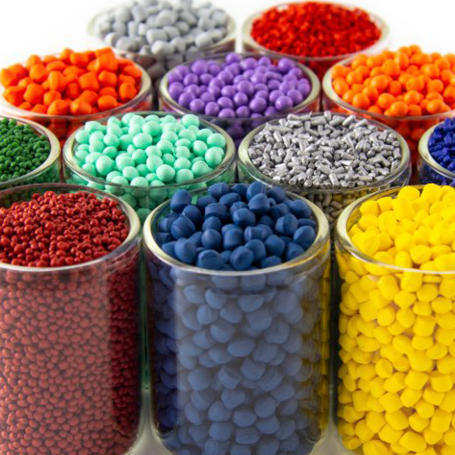
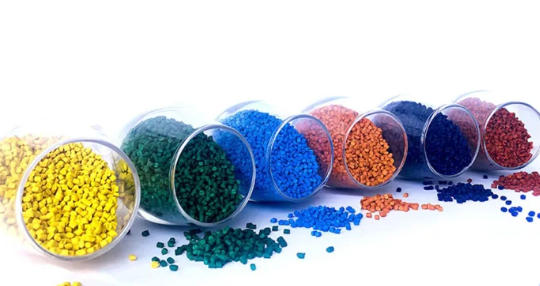
Typically, TPU Masterbatches are produced through twin-screw extrusion, which ensures uniform dispersion of active agents such as colorants, UV stabilizers, flame retardants, or anti-blocking agents. The end product is delivered in pellet or granule form for straightforward integration into various production systems.
The Masterbatch concept is vital in the polymer industry because it improves efficiency, consistency, and cost control. Instead of direct addition of powdered additives—which often leads to uneven mixing or contamination—Masterbatches provide clean handling, precise dosing, and optimal dispersion.
Manufacturers can tailor Masterbatches for multiple goals:
- Color customization: Achieving precise color matching with minimal waste.
- Functional enhancement: Incorporating UV stabilizers, antistatics, or impact modifiers.
- Processing optimization: Improving flow behavior, reducing cycle times, and enhancing surface finish.
When the TPU polymer is used as a carrier, these benefits align perfectly with industries requiring resilience, elasticity, and clarity.
Producing high-quality TPU Masterbatch involves several key steps:
1. Selection of raw materials: Manufacturers choose a compatible TPU carrier resin and the necessary pigments or functional additives.
2. Weighing and pre-mixing: The mixture is precisely measured to ensure formulation accuracy.
3. Extrusion compounding: Through a twin-screw extruder, materials undergo uniform melting, mixing, and dispersion.
4. Cooling and pelletizing: The compound is cooled and cut into uniform Masterbatch pellets.
5. Quality inspection: Each batch undergoes rigorous testing for dispersion quality, color strength, and physical performance.
This precise process guarantees consistency, which is critical for industries relying on repeatable performance and strict quality control.
TPU Masterbatches offer excellent compatibility with TPU-based compounds, ensuring optimal homogeneity. This means no migration or phase separation between the Masterbatch and base polymer during extrusion, injection molding, or film casting.
Due to the inherent elasticity of TPU, these Masterbatches preserve and even improve mechanical strength, abrasion resistance, and flexibility — vital for applications in footwear soles, cable sheathing, medical tubes, or wear-resistant films.
Manufacturers benefit from TPU Masterbatch in both color and functional additive applications. Whether for bright, transparent films or soft-touch colored components, TPU-based color Masterbatches deliver consistent shade control and surface appearance.
Because it shares the same polymer base as the host material, TPU Masterbatch integrates seamlessly during melting and molding. This compatibility prevents processing defects such as streaking, blooming, or incompatibility haze.
Using Masterbatches minimizes dust generation, waste material, and additive loss. Moreover, they facilitate precise dosing, reducing manufacturing costs while maintaining high product quality — aligning with sustainable production goals.
In automotive production, TPU Masterbatches are used for interior trims, cable insulation, dashboards, and protective coatings. The material's resilience against fuel, oil, and temperature variations makes it ideal for demanding environments.
Footwear makers rely on TPU Masterbatches to customize colors, hardness levels, and wear resistance in soles, uppers, and transparent shoe parts. The superior elasticity and durability of TPU-based materials enable creative designs and long-lasting performance.
Electronics and cable manufacturers use TPU Masterbatches for flexible yet robust insulation layers. The combination of electrical insulation and abrasion resistance ensures safe use in connectors, power cords, and charging cables.
In film extrusion processes, TPU Masterbatch enables controlled optical clarity and consistent thickness. It improves flexibility in applications such as medical films, decorative sheets, and protective packaging layers.
TPU Masterbatches support the production of soft, flexible, and transparent components. They are used in breathable films, stretchable fibers, and medical tubing requiring precise color transparency and chemical resistance.
| Property | TPU Masterbatch | PE/PP Masterbatch | EVA Masterbatch |
|---|---|---|---|
| Elasticity | Excellent | Moderate | Good |
| Transparency | High | Low | Moderate |
| Abrasion resistance | Excellent | Average | Moderate |
| Temperature range | -40°C to +120°C | 0°C to +80°C | -20°C to +90°C |
| Chemical resistance | High | Average | Moderate |
| Compatibility | Ideal for TPU-based applications | Limited | Moderate |
The comparison clearly shows that TPU Masterbatch provides superior mechanical and optical performance where other polymer-based systems reach their limits.
The TPU Masterbatch market is rapidly expanding due to rising global demand for durable, environmentally friendly plastics. With ongoing technological innovation, several trends are shaping the industry:
- Bio-based TPU Masterbatch: Sustainable bio-TPU carriers reduce carbon footprints and align with green manufacturing principles.
- Recyclable systems: Masterbatches designed for easy separation enhance recyclability of end-products.
- Smart additives: Incorporation of conductive, antimicrobial, or self-healing compounds expands application potential.
- Digital color matching: Advanced pigment dispersion software ensures precision and batch consistency.
These innovations are paving the way for a new generation of smart and sustainable TPU Masterbatch solutions that address both functional and ecological challenges.
To meet international standards, TPU Masterbatches undergo rigorous testing protocols:
- Melt Flow Index (MFI): Evaluates processability.
- Tensile Strength and Elongation: Measures mechanical performance.
- Color Consistency Testing: Ensures repeatability between batches.
- Thermal Aging Tests: Determines stability under production and end-use temperatures.
- Migration and Blooming Tests: Confirms chemical compatibility and resistance to surface defects.
Manufacturers who maintain ISO-certified facilities can ensure every Masterbatch meets global customer expectations, especially in export markets.
Choosing a reliable TPU Masterbatch producer is crucial for maintaining competitive advantage. When selecting a supplier, consider the following factors:
1. Technical expertise: The supplier should have experience in TPU compounding and color technology.
2. Customization capabilities: Ability to develop tailor-made formulations for unique applications.
3. Quality control: Strict testing, certifications, and batch traceability.
4. Supply chain reliability: Consistent delivery schedules and stable raw material sourcing.
5. Sustainability approach: Transparent policies for environmental responsibility and recycling.
By partnering with an advanced material producer, manufacturers can enhance efficiency and product innovation across their operations.
TPU Masterbatch represents a cornerstone of modern material engineering — combining adaptability, durability, and sustainability in one advanced solution. Its broad application across automotive, footwear, electronics, and medical industries illustrates how Masterbatch technology continues to evolve with global manufacturing demands.
As industries aim for higher performance and environmental responsibility, TPU Masterbatch provides a pathway to consistent quality, reduced waste, and innovative design. For manufacturers seeking to differentiate their products in competitive markets, investing in high-grade TPU Masterbatch is not just a material choice — it is a strategic decision for the future.
The main advantage is material compatibility — TPU Masterbatch blends seamlessly with TPU-based compounds, offering excellent elasticity, strength, and color uniformity without quality loss.
While technically possible with some blends, TPU Masterbatch works best with TPU resins to ensure full compatibility and chemical integrity during processing.
Yes. Many modern TPU Masterbatches use recyclable or bio-based carriers, supporting green manufacturing and reducing environmental impact.
Store the Masterbatch in a cool, dry environment away from direct sunlight and moisture to maintain optimal quality and prevent pigment degradation.
Absolutely. Manufacturers can tailor color shades, functional additives, and performance modifiers to meet specific aesthetic or technical requirements.


