


close
Choose Your Site
Global
Social Media


Views: 222 Author: Rebecca Publish Time: 2025-12-08 Origin: Site


Content Menu
● Understanding TPU Masterbatch
● Global Masterbatch Market Outlook in 2025
● Why TPU Masterbatch Is Strategic in 2025
● Sustainability‑Driven TPU Masterbatch Development
● TPU Masterbatch for Smart Devices and Wearables
● The Role of TPU Masterbatch in 3D Printing
● Advanced Functional Additives in TPU Masterbatch
● Processing Considerations for TPU Masterbatch
● Market Dynamics and Business Opportunities
● How a Chinese TPU Masterbatch Producer Can Position Globally
● Practical Selection Checklist for TPU Masterbatch
● FAQ
>> 1: What is TPU Masterbatch and how is it used?
>> 2: Which applications benefit most from TPU Masterbatch?
>> 3: How does TPU Masterbatch support sustainability?
>> 4: What should I consider when processing TPU Masterbatch?
>> 5: How can a buyer choose the right TPU Masterbatch supplier?
Thermoplastic polyurethane (TPU) Masterbatch is entering a new innovation cycle in 2025, driven by sustainability demands, smart devices, and rapid growth in 3D printing and consumer electronics. For a Chinese enterprise focused on innovative plastic materials, TPU Masterbatch is becoming a strategic platform to deliver customized color and performance solutions to global customers.

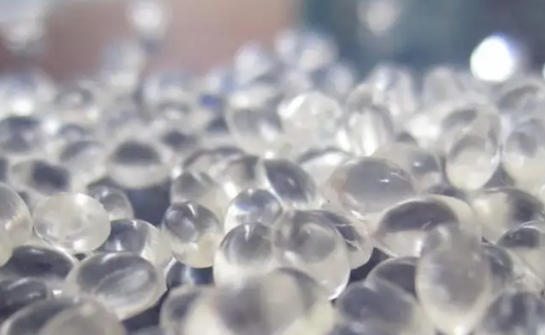
TPU Masterbatch is a highly concentrated mixture of pigments and/or functional additives dispersed in a TPU carrier resin, designed to be let down into base TPU at a defined ratio during processing. By using TPU as the carrier, the Masterbatch maintains compatibility, mechanical integrity, and processing stability in TPU injection molding, extrusion, film blowing, cable coating, and 3D printing.
TPU itself combines elasticity, toughness, abrasion resistance, and chemical resistance, acting as a bridge between rubber and plastic in applications such as footwear, cables, medical devices, and flexible electronics. TPU Masterbatch leverages these properties while enabling precise control of color, UV stability, flame retardancy, anti-yellowing, and other functional effects in finished products.
The global masterbatch market in 2025 is widely expected to show steady growth, supported by packaging, construction, automotive, electronics, and consumer goods. Within this market, thermoplastic masterbatch systems—especially for polyolefins, engineering plastics, and TPU—account for the majority of consumption because they offer simple handling, accurate dosing, and clean production.
Black Masterbatch remains one of the largest segments, thanks to its role in providing opacity and UV screening, particularly in films, pipes, and recycled products. At the same time, demand for high‑value specialty Masterbatch, including TPU Masterbatch with advanced additive packages, is rising faster than commodity grades because converters seek more functionality per kilogram of material.
In 2025, manufacturers are under pressure to deliver lighter, more comfortable, and more durable products with shorter development cycles. TPU is well positioned to meet these expectations because it provides soft touch, high resilience, and strong abrasion resistance in a single thermoplastic system. TPU Masterbatch turns these advantages into a flexible toolbox that designers and process engineers can use without changing the base resin formulation.
For example, the same TPU base polymer can be adapted for multiple SKUs simply by adjusting the Masterbatch recipe: color Masterbatch for branding, UV Masterbatch for outdoor durability, or conductive Masterbatch for antistatic or EMI‑shielding needs. This approach helps global brands maintain consistent performance across factories while also simplifying inventory management and quality control.
Sustainability has become a core requirement rather than a marketing slogan, and TPU Masterbatch is being redesigned around this reality. Producers are developing Masterbatch based on bio‑content TPU carriers, low‑migration additives, and systems that remain compatible with recycling streams. This reduces environmental impact while keeping the high mechanical performance of TPU.
Designers are increasingly interested in mono‑material concepts, where all components of a product are based on TPU, colored and modified only via TPU Masterbatch. Such designs make mechanical and chemical recycling easier because there is no incompatible carrier to remove. In addition, low‑VOC and low‑odor Masterbatch solutions are gaining importance in automotive interiors, wearables, and medical devices where user comfort and regulatory compliance are critical.
Smart devices and wearables require materials that are flexible, skin‑friendly, and aesthetically appealing. TPU meets these requirements better than many rigid plastics, and TPU Masterbatch allows fine‑tuning of appearance and function without sacrificing comfort. Soft‑touch surfaces, pastel or neon colors, and transparent tinted finishes can all be achieved with tailored Masterbatch.
In smart bands, watch straps, and medical patches, TPU Masterbatch can also incorporate anti‑microbial, sweat‑resistant, or stain‑resistant additives. This combination extends product life and hygiene while preserving softness and elasticity. For cables and connectors in electronics, TPU Masterbatch with flame retardant and abrasion‑resistant additives helps to achieve higher safety standards and longer service life.
Additive manufacturing is one of the most exciting application areas for TPU Masterbatch. Flexible TPU filaments and powders are used to print midsoles, orthotic supports, seals, gaskets, and custom consumer parts. However, color consistency, surface quality, and anti‑yellowing performance can be challenging when TPU is printed layer by layer.
TPU Masterbatch helps filament producers and powder compounders overcome these issues. By adding Masterbatch at a controlled let‑down ratio, they can adjust color, gloss, transparency, friction, and flexibility while preserving printability. This enables 3D printing companies to offer curated TPU ranges—such as extra‑soft, medium, or high‑rebound grades—without reformulating the base polymer each time.
Recent innovations focus heavily on functional Masterbatch, not only color. Several key additive categories are shaping TPU Masterbatch development:
- Anti‑yellowing Masterbatch: Stabilizes TPU against UV and thermal exposure, essential for transparent films, protective covers, and light‑colored parts that must remain clear and bright.
- UV‑stabilizing Masterbatch: Protects outdoor TPU components such as sports equipment, exterior automotive parts, and flexible roofing details from degradation and cracking.
- Flame retardant Masterbatch: Helps meet fire safety standards in cables, electronics, transportation, and building applications while maintaining elasticity and mechanical strength.
- Antistatic and conductive Masterbatch: Introduces controlled conductivity for ESD‑safe packaging, electronics housings, and flexible sensors without excessive stiffness or brittleness.
- Slip, matte, and anti‑scratch Masterbatch: Enhances surface feel and long‑term appearance in consumer electronics, cosmetic packaging, and premium footwear components.
When these additives are delivered in a TPU Masterbatch, processors benefit from easier dosing, better dispersion, and stable processing windows compared with handling multiple powders directly.
Although TPU Masterbatch is designed for compatibility, processing conditions still play a critical role in final properties. Processors should consider the following points when using Masterbatch in extrusion, injection molding, or 3D printing:
- Drying and moisture control: Both TPU and TPU Masterbatch are sensitive to moisture. Proper drying before processing prevents hydrolysis, bubbles, and surface defects.
- Shear and temperature management: Excessive shear or temperature can degrade TPU and some additives in Masterbatch, causing color shift or loss of mechanical strength. Optimized screw design and temperature profiles help maintain quality.
- Let‑down ratio accuracy: Consistent dosing is crucial for consistent color and functional performance. Gravimetric feeders and well‑defined Masterbatch recipes reduce batch‑to‑batch variability.
- Mixing efficiency: Sufficient mixing length and back‑pressure ensure homogeneous distribution of Masterbatch in the melt, avoiding streaks, specks, or local property variations.
Well‑engineered TPU Masterbatch supports stable production by widening the processing window and making the material more forgiving, which is particularly valuable in high‑speed extrusion and multi‑cavity injection molding.
On the business side, several structural trends are creating new opportunities for TPU Masterbatch:
First, global brands are consolidating their supply chains and looking for partners who can deliver consistent Masterbatch quality across regions. This favors companies with strong R&D, standardized quality systems, and the ability to customize TPU Masterbatch for local regulations while keeping global performance specifications aligned.
Second, price pressure from raw materials and energy is pushing converters to seek Masterbatch that not only colors the product but also reduces scrap, speeds up production, and extends product life. TPU Masterbatch that improves process stability or allows for more recycled content can reduce total system cost, even if the price per kilogram is higher than generic masterbatch.
Third, regulatory trends in safety, sustainability, and chemical restriction are becoming more complex. Masterbatch producers who can navigate these requirements and provide documentation, testing data, and application support will be in a stronger position. TPU Masterbatch for medical, food‑contact, kids' products, and automotive interiors must already meet strict global and local standards.
A Chinese enterprise specializing in innovative plastic materials and custom Masterbatch solutions can use these trends to build a strong global position. By combining flexible compounding lines with application‑oriented R&D, such a company can quickly develop TPU Masterbatch matching specific hardness ranges, colors, regulatory lists, and processing methods.
Strategic cooperation with overseas customers may include co‑development of TPU Masterbatch for branded footwear, exclusive color series for consumer electronics, or dedicated formulations for medical tubing and wearable devices. Local technical service—either via regional partners or digital platforms—can help customers optimize processing and troubleshoot issues, reinforcing trust and long‑term cooperation.
In addition, building a portfolio that covers not only TPU Masterbatch but also masterbatch for other polymers (such as PE, PP, PC, ABS, PA, PVC, and biodegradable resins) allows the supplier to become a one‑stop solution provider. This makes it easier for global buyers to standardize procurement and reduce the complexity of managing multiple niche suppliers.
To maximize success when selecting TPU Masterbatch, buyers and engineers can follow a simple checklist:
- Clarify end‑use requirements: mechanical properties, color targets, transparency, gloss, and required lifetime.
- Define regulatory and sustainability constraints: medical approvals, food‑contact rules, VOC limits, recycling targets, or bio‑content requirements.
- Confirm base TPU parameters: hardness, melt index, processing method, and typical temperature range.
- Request detailed Masterbatch data: colorimetric values, mechanical and thermal data, weathering performance, and recommended let‑down ratios.
- Run pilot trials: test several Masterbatch candidates under real processing conditions, monitoring appearance, cycle time, stability, and scrap rates.
- Evaluate technical support: assess how quickly the supplier responds, how well they understand TPU processing, and whether they can adjust formulations if needed.
By using this checklist, buyers can compare TPU Masterbatch suppliers on total value rather than only price, leading to more reliable production and better product performance.
By 2025, TPU Masterbatch stands at the intersection of major industry trends: sustainability, smart and wearable devices, 3D printing, and high‑performance consumer products. It offers processors a powerful way to fine‑tune color, functionality, and processing behavior without re‑engineering the base TPU formulation each time.
For a Chinese company focused on innovative plastic materials and custom solutions, TPU Masterbatch represents both a technology platform and a business opportunity. By investing in advanced additives, sustainable systems, and global technical support, such a producer can help brands worldwide develop lighter, smarter, and more eco‑friendly products across footwear, electronics, automotive, medical, and many other sectors.
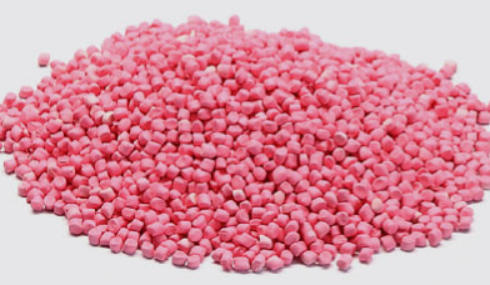
TPU Masterbatch is a concentrated mixture of pigments and/or functional additives dispersed in a TPU carrier resin. During processing, it is let down into base TPU at a defined ratio to achieve the required color or performance without changing the base polymer formulation.
Typical high‑value applications include footwear components, flexible cables, protective cases, wearable device straps, medical tubing, seals, and 3D printed flexible parts. These products take advantage of TPU's elasticity and durability while using Masterbatch to control color, UV resistance, and feel.
Sustainability‑oriented TPU Masterbatch can use bio‑based carriers, low‑VOC additives, and recipes compatible with recycling streams. It also enables mono‑material designs where all product components are based on TPU, simplifying recycling and helping brands meet environmental regulations and internal ESG targets.
Key considerations include proper drying of both TPU and Masterbatch, controlling melt temperature and shear, ensuring accurate let‑down ratios, and designing sufficient mixing to disperse the Masterbatch evenly. These steps prevent defects such as color streaks, bubbles, and mechanical weakness.
Buyers should evaluate suppliers based on R&D strength, technical support, quality consistency, regulatory knowledge, and willingness to customize formulations. Trial runs, performance comparisons, and communication quality are all important when deciding on long‑term TPU Masterbatch partners.


