


close
Choose Your Site
Global
Social Media


Views: 222 Author: Rebecca Publish Time: 2025-12-08 Origin: Site


Content Menu
● Understanding TPU And TPU Masterbatch
● Why TPU Masterbatch Fits Footwear So Well
● Flexibility, Cushioning, And Comfort
● Durability, Abrasion Resistance, And Slip Control
● Aesthetic And Branding Advantages Of TPU Masterbatch
● Footwear Components That Benefit From TPU Masterbatch
● Functional Masterbatch Types Tailored To Footwear
● Processing Advantages In Industrial Footwear Production
● Sustainability And Circular Footwear Strategies
● Comparing TPU Masterbatch With Other Sole Materials
● Design And Development Tips For Using TPU Masterbatch
● Smart, Customized, And 3D‑Printed Footwear With TPU Masterbatch
● FAQ
>> (1) What is TPU Masterbatch in footwear?
>> (2) How does TPU Masterbatch improve flexibility and comfort?
>> (3) Can TPU Masterbatch increase outsole wear life?
>> (4) Is TPU Masterbatch suitable for sustainable and recyclable footwear?
>> (5) How should manufacturers choose the right TPU Masterbatch for a shoe project?
TPU Masterbatch is redefining modern footwear design by combining thermoplastic polyurethane (TPU) with highly efficient color and functional additives to deliver superior flexibility, durability, comfort, and aesthetics. TPU is widely used in outsoles, midsoles, uppers, and accessories, and the right TPU Masterbatch allows brands and OEM factories to tune performance precisely while simplifying processing and improving consistency.

TPU is a thermoplastic elastomer that bridges the gap between rubber and plastic, offering high elasticity, abrasion resistance, tear strength, and weatherability over a broad hardness range. It can be processed by injection molding, extrusion, and foaming, which makes it highly suitable for footwear production. TPU Masterbatch is a pelletized concentrate of pigments and/or functional additives dispersed in a TPU carrier resin, designed to be let down into a base TPU compound during processing.
Because the carrier is also TPU, TPU Masterbatch maintains mechanical properties and compatibility, preventing migration and phase separation problems that may occur when non‑TPU carriers are used. This structure lets manufacturers fine‑tune color, slip, abrasion resistance, cushioning, and processing behavior with accurate and repeatable dosing in real production conditions.
Footwear requires a rare combination of light weight, flexibility, mechanical strength, and long‑term comfort, which TPU is well suited to provide. In outsoles, TPU delivers high abrasion resistance and good grip on various surfaces; in midsoles and inserts it supports resilience and cushioning; in upper overlays and films it adds protection and design freedom. TPU Masterbatch builds on these strengths by embedding color and special additives into a single, easy‑to‑use granule.
The combination of TPU and Masterbatch is especially powerful when shoes must perform under harsh conditions such as outdoor sports, industrial environments, and cold climates. By tuning the Masterbatch formulation, footwear designers can keep the same base TPU grade but adjust hardness, flexibility, or appearance according to specific model requirements, without rebuilding the entire compound from scratch.
One of the key advantages of TPU is its elastic behavior across a wide temperature range, which means soles stay flexible in both hot and cold conditions. Unlike systems that rely on external plasticizers, TPU keeps its softness and avoids embrittlement or cracking over time, which contributes directly to comfort and safety. TPU Masterbatch supports this performance by using carriers and additives that preserve elasticity and bending fatigue resistance.
In midsoles and cushioning components, foamed TPU or expanded TPU (E‑TPU) provides high rebound resilience and responsive cushioning. By integrating cell‑control and impact‑modifying additives into a dedicated Masterbatch, manufacturers can adjust foam density, resilience, and compression set for different segments—running shoes, basketball shoes, hiking boots, and work footwear. This approach makes it possible to differentiate products through feel and performance while using similar processing setups.
Durability is a central selling point for footwear, particularly in work, outdoor, and athletic categories where soles may experience continuous wear on concrete, asphalt, or rough ground. TPU has outstanding abrasion resistance compared with many conventional materials used in soles. Anti‑abrasion TPU Masterbatch grades further improve wear behavior by optimizing filler dispersion and surface friction characteristics, so soles maintain shape and grip over longer lifetimes.
Slip resistance is another critical factor. Outsoles must provide secure footing on dry, wet, and sometimes oily surfaces, which depends on a combination of tread design, material hardness, and surface chemistry. Slip‑control TPU Masterbatch can incorporate functional additives and fillers that increase the coefficient of friction or maintain grip under contaminated conditions. This makes it a powerful tool for safety shoes, hiking boots, and high‑performance sports footwear, where slip failures cannot be tolerated.
Color and visual effects are essential for brand differentiation in lifestyle and sports footwear. TPU Masterbatch allows for bright, stable colors and a wide range of appearances—transparent, translucent, or opaque—without compromising mechanical performance. Because pigments are pre‑dispersed in the TPU carrier, the risk of streaks, color spots, or inconsistent shades is greatly reduced, even when producing complex outsole geometries.
Beyond standard colors, special‑effect Masterbatch can create metallic, pearlescent, glitter, fluorescent, or glow‑in‑the‑dark soles and inserts. Matte or high‑gloss finishes can also be tailored through specific additive packages. Designers can use these options to highlight brand logos, sidewalls, or pattern elements, enhancing shelf appeal and allowing quick recognition of product lines on the market.
TPU Masterbatch is not limited to one area of the shoe; it can appear across many components to deliver different functions:
- Outsoles for running shoes, trail footwear, football boots, and safety shoes, where abrasion resistance, cut resistance, and grip are vital.
- Midsoles and cushioning elements made from foamed TPU, where rebound and compression set must be carefully controlled.
- Overlay films, toe caps, heel counters, sidewalls, and branded decorative inserts that require protective and aesthetic functions simultaneously.
- Insoles and internal comfort parts, where antibacterial, deodorizing, or moisture‑control Masterbatch can add extra value.
Using TPU and TPU Masterbatch in several components also supports design concepts that rely on mono‑material or simplified material combinations, which become increasingly important for recycling and circular design strategies.
While color Masterbatch is highly visible, functional Masterbatch types often provide the hidden performance that users feel over time. Typical TPU Masterbatch families used in footwear include:
- Anti‑abrasion Masterbatch to enhance wear resistance and extend outsole service life.
- Lubricant and processing‑aid Masterbatch to reduce melt viscosity, lower torque, improve mold filling, and support quick demolding.
- Anti‑scratch and mar‑resistant Masterbatch for glossy fashion soles that must keep a premium look during use.
- UV‑stabilizer Masterbatch to reduce yellowing and property loss in light‑colored or transparent soles used outdoors.
- Antimicrobial or deodorizing Masterbatch to reduce odor and microbial growth in sports or safety shoes that are worn for long hours.
- Anti‑static or conductive Masterbatch for environments where static discharge control is required, such as electronic plants or explosive atmospheres.
Combining several functions in a multi‑functional TPU Masterbatch can reduce total additive count and help avoid compatibility conflicts between different performance packages.
From a manufacturing perspective, TPU Masterbatch offers clear benefits compared with handling individual powders or liquids. Masterbatch pellets are clean, dust‑free, and easy to dose with volumetric or gravimetric feeders. This improves operator safety, reduces housekeeping needs, and ensures stable, repeatable additive levels in each production batch.
Processing‑aid Masterbatch grades can improve melt flow, lower extrusion or injection pressure, and enhance mold release. These effects lead to shorter cycle times, more consistent filling of thin or complex outsole patterns, and fewer defects such as short shots, burn marks, or flow lines. For factories running multiple production lines, standardized TPU Masterbatch recipes simplify changeovers, color switches, and material logistics.
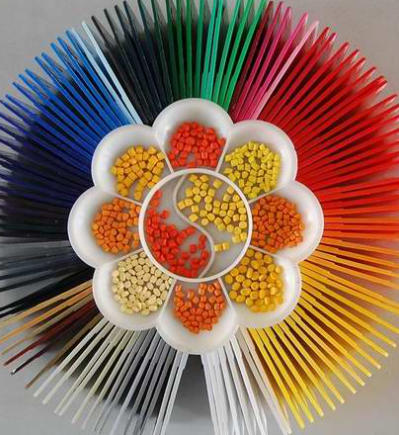
Sustainability is now a key driver in footwear development, as brands are evaluated on carbon footprint, material transparency, and end‑of‑life solutions. TPU can support more sustainable shoe designs, especially when outsoles, midsoles, and some upper components use compatible TPU grades that can be recycled together. TPU Masterbatch contributes by using carriers and additives selected with recyclability, low VOC emissions, and regulatory compliance in mind.
Longer product life is itself a sustainability benefit. Anti‑abrasion and UV‑stabilizer TPU Masterbatch extends the functional life of shoes, reducing the frequency of replacement and associated material consumption. In parallel, bio‑based TPU options combined with suitable Masterbatch packages are emerging, offering reduced reliance on fossil feedstocks without abandoning performance requirements in demanding footwear applications.
Different sole materials occupy their own niches in the footwear market, and TPU Masterbatch often complements or upgrades them rather than replacing everything. The following points illustrate the relative positioning:
- TPU with Masterbatch generally delivers higher abrasion resistance and better low‑temperature flexibility than many EVA or basic rubber compounds, making it attractive for performance and premium products.
- EVA with Masterbatch remains popular for its low density and soft cushioning, but it may lose thickness and resilience over time, especially under heavy or repeated loads.
- Rubber compounds with Masterbatch can deliver excellent grip and heat resistance, but they tend to be heavier and sometimes more complex to recycle than TPU‑based systems.
By strategically combining these materials or transitioning key components to TPU plus carefully chosen Masterbatch, brands can maintain cost structures while introducing new performance levels and design features.
To fully exploit TPU Masterbatch in footwear, design and engineering teams should coordinate material choices, performance targets, and processing constraints early in the project. Useful guidelines include:
- Define end‑use conditions clearly: target user group, climate, ground surfaces, expected wear time per day, and regulatory requirements.
- Choose TPU chemistry (polyester versus polyether) and hardness based on whether the component is an outsole, midsole, insert, or upper support.
- Select a TPU Masterbatch whose carrier matches or is compatible with the primary TPU grade, to avoid phase separation or loss of mechanical properties.
- Optimize let‑down ratio through laboratory and pilot trials, balancing performance benefits against cost and minimizing the risk of over‑loading additives.
- Conduct validation tests such as DIN abrasion, slip testing, flex‑crack resistance, hydrolysis resistance, and UV aging before full‑scale production.
Close collaboration with a specialized TPU Masterbatch supplier helps shorten development cycles and ensures that lab results translate reliably to real‑world factory conditions.
The footwear industry is moving toward personalization, smart functions, and advanced manufacturing technologies like 3D printing. TPU is already a leading material for flexible 3D‑printed midsoles and customized insoles, and TPU Masterbatch plays a vital role in controlling viscosity, layer adhesion, color, and surface finish in these additive manufacturing processes.
Masterbatch solutions designed for 3D printing can include rheology modifiers to maintain stable extrusion flow, specialized pigments that do not interfere with laser or nozzle systems, and functional additives for cushioning and durability. In future smart shoes, conductive or anti‑static TPU Masterbatch will be used to integrate sensors, flexible circuits, and energy‑harvesting components into soles and uppers, creating new product categories that combine comfort with digital functionality.
TPU Masterbatch has become a key technology for enhancing flexibility, durability, comfort, and visual appeal in modern footwear. By combining the inherent strengths of TPU with carefully engineered color and functional additives, it enables shoes that grip better, last longer, cushion more effectively, and stand out visually on the shelf. For brands, OEMs, and converters in the global footwear supply chain, partnering with an expert TPU Masterbatch provider unlocks opportunities to design innovative, sustainable, and highly differentiated products across sports, lifestyle, and safety segments.
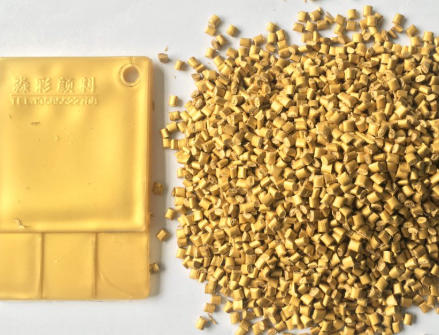
TPU Masterbatch in footwear is a concentrate of pigments and/or functional additives dispersed in a TPU carrier, which is dosed into base TPU during processing to adjust color and performance. Because the carrier is TPU, it integrates seamlessly with outsole, midsole, and upper components without harming mechanical properties.
TPU itself provides strong elasticity and bending fatigue resistance, keeping soles flexible across different temperatures. TPU Masterbatch can introduce impact‑modifying and cell‑control additives that enhance cushioning, rebound, and softness, making shoes more comfortable during running, walking, or long work shifts.
Yes, anti‑abrasion TPU Masterbatch grades are specifically designed to improve wear resistance by controlling filler dispersion and surface friction characteristics. This leads to soles that maintain tread depth and appearance for a longer time, even on rough surfaces, which is important for sports, hiking, and industrial shoes.
TPU Masterbatch supports sustainable design when it is used within compatible TPU systems that allow for mono‑material or simplified constructions. In addition, long‑life, low‑VOC, and potentially bio‑based Masterbatch options help brands reduce environmental impact through extended product life and better recyclability.
Manufacturers should begin with performance and regulatory requirements, then select an appropriate TPU grade and compatible Masterbatch carrier. After that, they should define the desired functions—such as anti‑abrasion, slip control, UV resistance, or antibacterial behavior—and determine the best let‑down ratio through lab and pilot tests. Working closely with a technical Masterbatch supplier ensures that the final TPU Masterbatch solution matches both design goals and factory capabilities.


