


close
Choose Your Site
Global
Social Media


Views: 222 Author: Rebecca Publish Time: 2025-12-05 Origin: Site


Content Menu
● Medical‑Grade TPU: The Foundation for Advanced Masterbatch
● What Is TPU Masterbatch in the Medical Context?
● Key Benefits of TPU Masterbatch for Medical Devices
>> Improved Processing and Dimensional Stability
>> Biocompatibility and Regulatory Alignment
>> Enhanced Functional Performance
● TPU Masterbatch in Medical Tubing and Catheters
● TPU Masterbatch for Medical Films and Packaging
● TPU Masterbatch in Wearables and Patient‑Contact Devices
● TPU Masterbatch and 3D Printing of Medical Devices
● Biodegradable and Advanced TPU Systems with Masterbatch
● Risk Management, Quality, and Traceability with TPU Masterbatch
● FAQs About TPU Masterbatch for Medical Device Manufacturing
>> 1. What makes TPU Masterbatch suitable for medical devices?
>> 2. Can TPU Masterbatch be used in patient‑contact applications such as catheters and wearables?
>> 3. Does TPU Masterbatch affect sterilization performance or stability?
>> 4. How does TPU Masterbatch support 3D printing of medical devices?
TPU Masterbatch is rapidly transforming medical device manufacturing by combining the biocompatibility and flexibility of medical‑grade TPU with precisely engineered functional and color additives. From catheters and tubing to wearable devices and flexible surgical tools, TPU Masterbatch enables safer, more reliable, and more customizable medical products that meet strict regulatory requirements.[1][2][3][4][5]
Medical‑grade TPU is already widely recognized for its excellent mechanical properties, chemical resistance, and patient‑friendly performance in long‑term contact applications. When enhanced with specialized Masterbatch solutions, TPU can deliver even better processing stability, antimicrobial features, radiopacity, and consistent color, giving medical OEMs a powerful platform for innovation.[6][2][4][7][8][9][1]

Thermoplastic polyurethane is considered an ideal material for medical devices thanks to its combination of flexibility, toughness, and resistance to bodily fluids and common disinfectants. Many medical‑grade TPU formulations have passed standards such as USP Class VI and ISO 10993 testing, demonstrating compatibility with blood, tissue, and skin contact.[2][4][7][5]Biocompatible TPU is used in catheters, medical tubing, cable sheaths, wound dressings, and wearable components where comfort and safety are critical. Because TPU is highly moldable and processable in film, extrusion, and 3D printing, it provides a versatile base resin for Masterbatch solutions tailored to different device types and manufacturing technologies.[10][11][7][5][12][2]
TPU Masterbatch is a concentrated mix of pigments and/or functional additives dispersed in a TPU carrier, designed to be dosed into medical‑grade TPU during extrusion, injection molding, film blowing, or 3D printing. This Masterbatch approach allows manufacturers to adjust color, antimicrobial performance, radiopacity, lubrication, or UV stability without reformulating the base medical TPU each time.[13][8][9][1][6]Because the carrier of the Masterbatch is itself compatible TPU, dispersion is uniform and mechanical performance is maintained when properly dosed. For medical device manufacturing, TPU Masterbatch can be engineered to remain compliant with biocompatibility, sterilization, and regulatory standards, which is essential for patient‑contact and implant‑adjacent components.[4][14][1][13][6]
TPU Masterbatch offers concrete advantages across design, production, and regulatory compliance for medical products. These benefits are particularly impactful where consistent quality and traceability are non‑negotiable.[1][13][6]
Processing‑aid TPU Masterbatch helps stabilize melt viscosity, improve flow, and reduce friction in extrusion and molding of medical tubing, films, and components. This leads to smoother surfaces, more precise dimensions, and fewer defects, which are critical for fluid‑handling devices and thin‑wall components.[5][10][6][1]In medical 3D printing, TPU Masterbatch can help optimize filament or pellet behavior, reducing issues such as stringing or inconsistent extrusion that might compromise device geometry. Stable processing supported by TPU Masterbatch also facilitates repeatable sterilization cycles without excessive degradation of mechanical properties.[15][16][7][12]
Medical‑grade TPU Masterbatch is formulated to align with the regulatory profile of the underlying TPU, supporting compliance with standards like ISO 10993 and USP Class VI. By choosing Masterbatch ingredients that meet medical regulatory expectations (such as low toxicity, low extractables, and controlled additives), manufacturers can reduce risk in product qualification.[7][14][6][2][4]Because TPU Masterbatch consolidates multiple additives into a single, pre‑qualified concentrate, it simplifies documentation and traceability for medical OEMs and their supply chains. This is especially important when devices are audited under frameworks such as EU MDR or FDA requirements.[17][13][6][4]
TPU Masterbatch can introduce antimicrobial, antistatic, or radiopaque functionality directly into medical‑grade TPU components. Antimicrobial Masterbatch decreases microbial growth on device surfaces, supporting hygiene in catheters, tubing, cable sheathing, and wearable external devices.[8][9][6][7][1]Radiopaque TPU Masterbatch loaded with agents such as tungsten or barium allows catheters, guidewires, and implantable tubing to be clearly visible under X‑ray or fluoroscopy. Other functional Masterbatch solutions can improve resistance to chemicals, sterilization processes, and environmental stress, extending device life and safety margins.[18][14][9][6]
Medical tubing is one of the largest and most sensitive application areas for medical‑grade TPU. Catheters, endotracheal tubes, vascular lines, and infusion sets demand precise wall thickness, smooth internal surfaces, kink resistance, and compatibility with bodily fluids and sterilization.[17][7][5][1]TPU Masterbatch designed for tubing can combine color coding, radiopacity, and surface modification in one concentrate. For example, a single medical TPU Masterbatch can simultaneously provide a consistent color stripe for line identification and radiopaque agents for imaging visibility, while preserving the base TPU’s flexibility and strength.[9][6][1]Antimicrobial TPU Masterbatch can further reduce biofilm formation and surface contamination on external tubing and catheter components. By dosing such Masterbatch at precisely defined levels, manufacturers can fine‑tune performance and cost while maintaining regulatory compliance.[6][4][7][8]
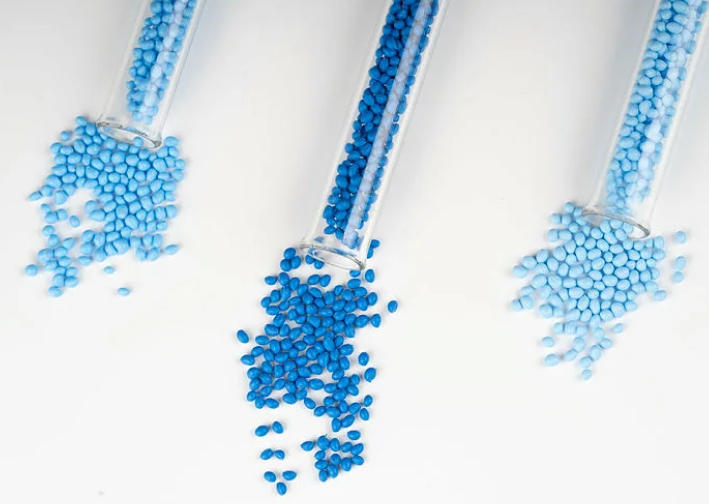
Medical‑grade TPU films are used for wound care products, surgical drapes, protective packaging, and barrier layers in various medical systems. These films require high clarity or controlled translucency, excellent puncture resistance, and reliable performance after sterilization.[14][10][18]TPU film Masterbatch can provide stable coloring, UV resistance, slip control, and anti‑blocking properties tailored to medical packaging and film applications. Medical‑safe TPU Masterbatch solutions are available for protective films, hydrogel carriers, and medical‑grade TPU films that must remain low‑VOC and compliant with RoHS/REACH.[14][6]For sterile packaging of orthopedic implants, instruments, and sensitive devices, TPU Masterbatch can help optimize film strength, sealability, and puncture resistance while ensuring visual inspection remains possible. This synergy between film performance and Masterbatch design supports safer transport and storage of critical medical components.[10][14]
Wearable medical devices, such as monitoring bands, insulin pump housings, and sensor straps, benefit greatly from soft, skin‑friendly TPU. These products must remain comfortable during long‑term contact, resist sweat and skin oils, and maintain appearance over repeated flexing and cleaning.[11][2][7][14]Color and functional TPU Masterbatch help wearables achieve brand‑specific colors, soft‑touch textures, and enhanced resistance to discoloration and microbial growth. Biocompatible TPU Masterbatch can also support anti‑yellowing and UV resistance, so that devices retain a clean, medical appearance over their service life.[7][8][6][14]In smart wearable systems with embedded electronics, antistatic or slightly conductive TPU Masterbatch can be used to control static discharge and improve device reliability. This is particularly useful for device housings and cable management components that interact with sensors and communication modules.[8][9][17][14]
3D printing with medical‑grade TPU is emerging as a powerful method for custom orthotics, patient‑specific supports, and flexible surgical tools. Additive manufacturing using TPU allows complex geometries, lattice structures, and personalized fits that traditional processes struggle to achieve.[12][15][11]TPU Masterbatch plays a growing role here by stabilizing filament or pellet behavior and providing consistent color and functional properties across 3D printed parts. For example, TPU Masterbatch can be integrated in filament production to deliver medical‑safe colors, radiopacity, or surface enhancements while keeping the underlying TPU formulation constant.[13][12][9][1][6]Research has shown that medical TPU can be processed via FDM 3D printing and then sterilized (such as with gamma radiation) without severe degradation when properly managed. With the right TPU Masterbatch and process controls, medical OEMs can use 3D printing to deliver customized, patient‑specific medical devices and microfluidic systems that are compatible with clinical workflows.[16][15][11][12]
Biodegradable TPU grades are gaining attention for temporary medical applications like wound repair, ligament reconstruction, and certain implantable scaffolds. These materials can gradually break down in the body or in controlled environments, reducing the need for device removal procedures.[18][7]TPU Masterbatch for biodegradable systems must be carefully designed so additives do not compromise degradation behavior, biocompatibility, or mechanical performance. When formulated correctly, Masterbatch can still provide radiopacity, antimicrobial activity, and controlled color to biodegradable TPU medical components.[9][18][7]Beyond biodegradability, advanced TPU Masterbatch systems are being developed for enhanced blood compatibility, improved bonding, and better interaction with adhesives and over‑molded components. These Masterbatch solutions further expand what TPU‑based medical devices can achieve in terms of functionality and integration with other materials.[19][4][10][7][9]
In the medical industry, robust risk management and traceability are fundamental. TPU Masterbatch helps by centralizing multiple additives into a single, tightly controlled product with defined specifications and documentation. This simplifies change control and makes it easier to track the impact of additive packages on device performance and regulatory submissions.[4][13][6][17]Working with experienced TPU Masterbatch suppliers gives medical OEMs access to technical support on processing, sterilization compatibility, and biocompatibility considerations. Close collaboration can yield customized medical TPU Masterbatch solutions tuned for specific devices, from vascular catheters to wearable patches, while respecting global regulatory requirements.[1][6][4][14]
TPU Masterbatch is truly a game changer for medical device manufacturing because it allows medical‑grade TPU to be precisely tailored for color, processing, and advanced functionality without sacrificing biocompatibility or regulatory alignment. Whether in tubing, catheters, films, packaging, wearables, or 3D printed devices, TPU Masterbatch provides a flexible and efficient way to add antimicrobial features, radiopacity, UV protection, and other critical properties.[6][4][8][9][1]As healthcare continues to demand safer, more comfortable, and more personalized devices, TPU Masterbatch will play an increasingly central role in material strategies. Medical device manufacturers that partner with specialized TPU Masterbatch suppliers will be better positioned to innovate quickly, maintain quality, and bring differentiated products to global markets with confidence.[2][11][12][13][4][6]
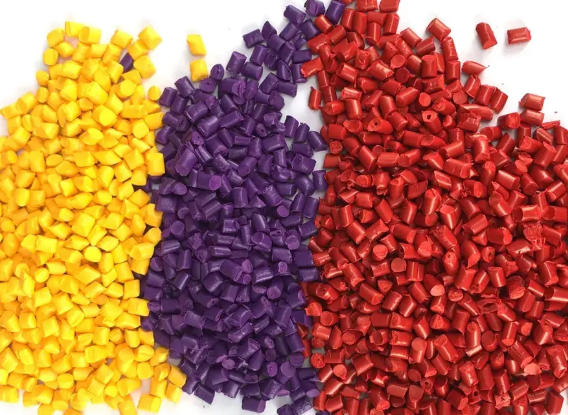
TPU Masterbatch is suitable for medical devices because it uses a compatible TPU carrier combined with carefully selected pigments and additives that can meet biocompatibility and regulatory requirements. This allows manufacturers to add color, antimicrobial features, radiopacity, or processing aids to medical‑grade TPU while preserving its mechanical properties and patient safety profile.[2][4][7][9][1][6]
Yes, when formulated as medical‑grade, TPU Masterbatch can be used in patient‑contact applications including catheters, tubing, cable sheaths, and wearable device components. The Masterbatch ingredients are chosen to align with standards such as ISO 10993 and USP Class VI, helping to ensure that final devices remain biocompatible and safe for long‑term use.[4][7][14][1][2]
Well‑designed TPU Masterbatch is compatible with common medical sterilization methods such as gamma radiation, ethylene oxide (ETO), and sometimes steam, depending on the base TPU. Studies on medical‑grade TPU have shown that it can withstand FDM processing and gamma sterilization with limited degradation, and Masterbatch can be tuned so its additives remain stable through these processes.[15][16][7][14][9]
TPU Masterbatch supports medical 3D printing by improving filament or pellet processability and by adding medical‑safe colors, radiopacity, or surface functionalities to printed parts. Manufacturers can use a single medical‑grade TPU formulation and vary the Masterbatch to produce customized orthotics, wearable parts, or flexible tools with consistent properties and easier regulatory management.[11][12][15][1]
Manufacturers should look for TPU Masterbatch suppliers with proven experience in medical‑grade materials, strong documentation, and understanding of regulatory standards like ISO 10993 and EU MDR. It is also important to ensure the TPU Masterbatch supplier can provide consistent quality, technical support on processing and sterilization, and the ability to customize formulations for specific device requirements.[13][17][14][1][6][4]


