


close
Choose Your Site
Global
Social Media


Views: 222 Author: Rebecca Publish Time: 2025-12-11 Origin: Site


Content Menu
● The Composition and Function of TPU Masterbatch
● The Manufacturing Process of TPU Masterbatch
>> Step 1: Ingredient Selection and Pre-Mixing
>> Step 3: Cooling and Pelletizing
>> 2. UV-Stabilized Masterbatch
>> 3. Flame-Retardant Masterbatch
>> 5. Transparent or Optical Masterbatch
● Key Advantages of Using TPU Masterbatch
● Application Fields of TPU Masterbatch
>> Electronics and Cable Industry
>> Consumer Goods and Packaging
● How to Choose the Right TPU Masterbatch
● Sustainability and Future Trends
● Quality Control and Performance Testing
● FAQ
>> 1. What is the main advantage of TPU masterbatch over pure pigments?
>> 2. Can TPU masterbatch be mixed with other plastic resins?
>> 3. How should TPU masterbatch be stored?
>> 4. What proportion of masterbatch should be used in mixing?
>> 5. Is TPU masterbatch environmentally friendly?
Thermoplastic Polyurethane (TPU) has become a cornerstone in the modern manufacturing landscape. With its elasticity, transparency, and resistance to oil and abrasion, TPU serves as an ideal material for a wide range of industrial applications—from automotive parts and footwear soles to electronic cables and medical tubing. However, to enhance the performance and color quality of TPU products, manufacturers often rely on TPU masterbatch.
This article provides a deep dive into TPU masterbatch—its composition, production, applications, and best practices for selecting the right one. Whether you are a plastic material producer, a product designer, or a global distributor, understanding TPU masterbatch is key to achieving superior product quality and production efficiency.
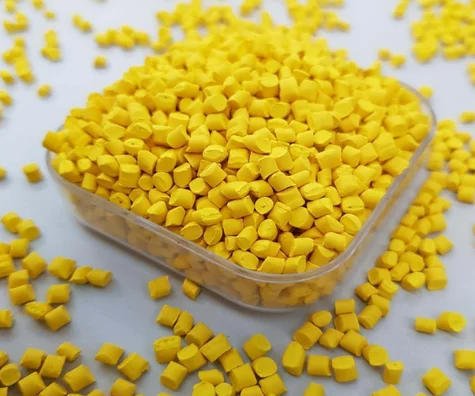
TPU masterbatch is a concentrated mixture of pigments, additives, and TPU resin carrier that is used to modify or enhance the properties of thermoplastic polyurethane materials. Instead of adding raw pigments directly into the polymer, manufacturers use masterbatches to ensure better dispersion, color consistency, and easier processing.
In simple terms, it serves two main purposes:
- Color Masterbatch: Provides precise color matching and stable tinting performance during extrusion or injection molding.
- Functional Masterbatch: Incorporates additives to improve specific properties such as UV resistance, flame retardancy, anti-static behavior, or processing stability.
By integrating these masterbatches into base TPU materials, manufacturers can produce high-performance compounds that meet exact application requirements.
A TPU masterbatch typically consists of three essential components:
1. Carrier Resin – TPU resin itself is often used as a carrier to maintain full compatibility with the base polymer.
2. Additives or Pigments – Depending on the application, these may include organic dyes, inorganic colorants, UV stabilizers, antioxidants, or lubricants.
3. Dispersing Agents – Help achieve uniform distribution of pigments and additives throughout the polymer matrix.
Functionally, the masterbatch simplifies processing, reduces contamination risk, and delivers consistent material performance from batch to batch—crucial for mass production lines where quality control is paramount.
The production of TPU masterbatch involves several precise steps that ensure even pigment dispersion and stable performance under processing conditions.
The process starts by selecting high-purity TPU resins and pigments based on desired properties such as transparency, flexibility, and weather resistance. Additives are carefully dosed and pre-mixed using high-speed mixers to maintain ratio accuracy.
The mixture is then fed into a twin-screw extruder where it is melted and compounded under controlled temperature and pressure. This step is crucial for achieving uniform pigment dispersion.
After extrusion, the molten mixture passes through cooling water and is cut into small pellets—these pellets are the final TPU masterbatch product. The pellets are easy to transport, store, and feed into molding machines.
Comprehensive testing follows, including assessments for color accuracy, melt flow index, dispersion level, mechanical strength, and migration resistance. Only batches that meet internal and customer standards proceed to labeling and packaging.
Manufacturers can choose from several types of TPU masterbatch depending on intended application and performance goals.
Used primarily for aesthetic applications. Color masterbatch ensures vibrant, stable hues that resist fading during processing or service life. It's ideal for products requiring brand consistency, such as consumer electronics and footwear.
Incorporates UV absorbers and stabilizers to protect TPU materials from ultraviolet degradation. Applications include outdoor sports gear, car interiors, and cable coatings.
Essential for industries that prioritize safety compliance. Flame-retardant TPU masterbatch improves ignition resistance without compromising mechanical flexibility.
Used in electronic and packaging industries to prevent static buildup. It maintains product safety and aesthetic integrity by reducing dust attraction.
Designed for clarity-critical applications such as lenses, screens, and protective covers. It preserves high transparency and enhances optical properties.
Integrating TPU masterbatch into production offers several advantages from both performance and cost perspectives:
- Improved Dispersion: Ensures even pigment and additive distribution across the final product.
- Enhanced Productivity: Reduces pigment dusting and mixing time, facilitating cleaner and faster production.
- Lower Production Cost: Minimizes waste by allowing precise pigment dosing.
- Better Consistency: Guarantees uniform color and functionality across multiple production runs.
- Customized Formulation: Enables customers to tailor masterbatch recipes based on end-user demands.
These benefits make TPU masterbatch a strategic choice for improving manufacturing consistency and operational efficiency.
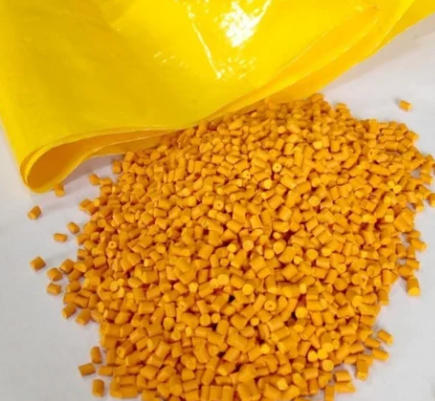
TPU masterbatch finds widespread use across multiple industries owing to its flexibility and performance versatility.
Used for dashboard skins, interior trims, and cable coatings, TPU masterbatch enhances durability and aesthetic appeal while withstanding harsh environmental conditions.
TPU masterbatch delivers vibrant colors, excellent elasticity, and abrasion resistance. It's ideal for shoe soles, sports footwear, and fashion accessories.
With its insulating performance and UV resistance, TPU masterbatch protects electronic parts and cables from heat, oxidation, and radiation.
Medical-grade TPU masterbatches are formulated for biocompatibility and sterilization stability, suitable for tubing, flexible connectors, and wearable medical devices.
TPU masterbatch enhances tactile feel, transparency, and color quality for durable consumer products such as phone cases, watch bands, and film packaging.
Selecting the right masterbatch directly impacts your product's performance, long-term durability, and processing ease. Consider the following factors:
1. Base Polymer Compatibility – Ensure the carrier resin is compatible with your TPU matrix to avoid delamination or uneven dispersion.
2. Processing Conditions – Choose a masterbatch capable of withstanding your extrusion or injection molding temperatures.
3. Application Requirements – Define whether your product needs color uniformity, UV resistance, flame retardancy, or anti-static performance.
4. Regulatory Compliance – For industries like medical or food contact, confirm the masterbatch meets relevant safety standards such as RoHS or FDA.
5. Supplier Reliability – Work with experienced suppliers who offer customized formulations, reliable technical support, and stable supply capacity.
As sustainability becomes a global priority, eco-friendly TPU masterbatch solutions are gaining traction. Manufacturers are developing biodegradable carriers and non-toxic pigments to minimize environmental impact. Moreover, innovations in recycled TPU masterbatch now allow producers to reuse industrial scrap without sacrificing performance.
The industry trend is also moving toward smart masterbatch, incorporating nanomaterials and conductive additives that enable TPU components to have self-sensing, anti-bacterial, or electromagnetic shielding functions. These advancements will redefine TPU applications across smart wearables, EV components, and sustainable packaging.
Maintaining consistent quality is essential in TPU masterbatch production. Standard testing includes:
- Color Strength & Delta E Measurement – To ensure batch-to-batch color accuracy.
- Thermal Stability Test – Confirm resistance to heat degradation during processing.
- Mechanical Property Evaluation – Check tensile strength, elongation, and flexibility.
- Migration and Weathering Tests – Verify the long-term stability of additives under service conditions.
By upholding strict QC standards, manufacturers can guarantee that every TPU masterbatch delivered meets customer expectations and international performance criteria.
TPU masterbatch serves as a vital material enhancement tool in the plastic manufacturing industry. From improving color vibrancy to delivering functional benefits such as UV resistance and flame retardancy, it optimizes both product aesthetics and performance. As global markets continue to demand high-quality, sustainable materials, TPU masterbatch technology will play an increasingly important role in driving innovation and competitiveness across sectors.
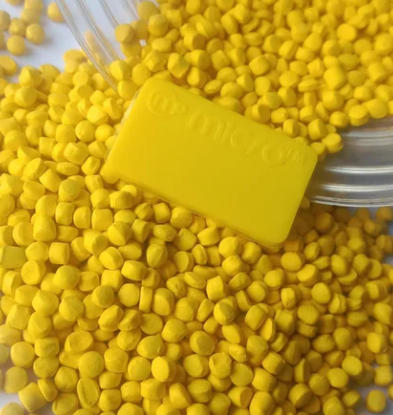
TPU masterbatch ensures better pigment dispersion and color stability while simplifying the production process. Pure pigments tend to aggregate, causing inconsistent coloring.
It depends on the carrier resin compatibility. TPU masterbatch is best used with TPU-based compounds, although some specialized grades may be adjusted for blends.
Keep it in a cool, dry place away from sunlight and moisture. Proper storage extends shelf life and maintains pigment and additive performance.
Typically between 1% and 5% depending on color intensity and functional requirements. Manufacturers usually provide exact dosage recommendations.
Modern TPU masterbatches can be formulated using non-toxic, ROHS-compliant, and recyclable ingredients. Sustainable developments continue to improve environmental compatibility.


