


close
Choose Your Site
Global
Social Media


Views: 222 Author: Rebecca Publish Time: 2026-03-25 Origin: Site


Content Menu
● Why Real Customer Experience Matters in PP Sourcing in Indonesia
● How This Indonesia PP Supplier Ranking Was Developed
>> Data Sources and Buyer Inputs
>> Key Evaluation Dimensions and Weighting Logic
>> Limitations and Transparency
● What Indonesian Buyers Value Most in PP Resin and Masterbatch Suppliers
>> Stable Quality and Low Complaint Rate
>> Reliable Lead Time and Inventory Management
>> Transparent Pricing and Flexible Terms
>> Responsive Technical Support and Process Optimization
● Indonesia's PP Market from a Buyer's Perspective
>> Local PP Versus Imported PP
● Snapshot of Leading PP Suppliers Serving Indonesia
● How Buyers View Different Types of PP and Compound Suppliers
>> Large‑Scale Base PP Producers
>> Compounders and Performance‑Oriented PP Suppliers
>> SME‑Oriented Distributors and Converters
● Where PP Masterbatch Specialists Like Dongguan Yongxin Plastic Technology Add Value
>> Bridging Base Resin and End‑Use Performance
>> Typical PP Masterbatch Solutions for Indonesian Converters
>> Technical Collaboration and Co‑Development
● Real Buyer‑Style Scenarios: Impact of the Right PP and Masterbatch Combination
● How to Select the Right PP Supplier and Masterbatch Partner in Indonesia
● Practical Checklist for Evaluating Indonesian PP Suppliers
● Call to Action: Strengthen Your PP Supply Chain with a Masterbatch Partner
● Frequently Asked Questions (FAQ)
>> Q1: Is it preferable to buy PP resin and masterbatch from one supplier or separate partners?
>> Q2: How can I evaluate PP masterbatch quality for my plant in Indonesia?
>> Q3: Can a customized masterbatch help reduce overall production cost?
>> Q4: What information should I prepare before contacting a PP masterbatch supplier?
>> Q5: How frequently should I review my PP resin and masterbatch sourcing strategy?
Choosing the best PP plastic manufacturers and suppliers in Indonesia is not only a matter of price and datasheets; buyers increasingly focus on real production experience, process stability, and long‑term partnership value. From packaging converters to automotive component makers, the way companies evaluate PP resin and PP masterbatch vendors has become more data‑driven and buyer‑centric.
In this guide, we combine on‑the‑ground buyer feedback, a practical ranking framework, and insights from Dongguan Yongxin Plastic Technology (a specialist in PP masterbatch and customized plastic materials) to help you shortlist the right partners for 2026 and beyond.

Technical brochures often look similar, but real customer experience exposes differences that directly affect profitability: downtime, scrap rate, color deviations, and response to quality issues. Buyers in Indonesia highlight several factors that rarely appear clearly in standard product catalogs.
They pay close attention to line stability, asking whether a PP resin or masterbatch runs smoothly at typical throughput, or whether operators must constantly adjust processing conditions. They evaluate batch‑to‑batch consistency, including melt flow index stability, mechanical performance, and color variation. They also remember how a supplier handled complaints in the past, whether issues were investigated with data and clear corrective actions, or simply dismissed. Finally, they value on‑time delivery and predictable lead times, especially when logistics disruptions are common.
For search behavior, this means decision makers look not only for “PP resin supplier Indonesia” but also for more specific phrases such as “stable PP supplier for film in Indonesia”, “PP masterbatch for packaging film Indonesia”, or “PP compound with low yellowing Jakarta”. An article that speaks the same language as these search queries becomes much more useful and trustworthy to professional buyers.
To build a meaningful 2026 ranking of PP plastic manufacturers and suppliers in Indonesia, it is important to use a clear and repeatable methodology. The following framework can be used or adapted by procurement teams and technical managers.
A robust ranking system should combine multiple information channels:
- Interviews and structured feedback from long‑term buyers in packaging, automotive, household goods, and construction.
- Internal plant data such as complaint rates, rejected lots, rework ratios, and unplanned downtime related to material issues.
- Publicly available information on certifications, plant locations, production capacities, and ownership structures.
- Assessments from technical and procurement teams on communication quality and responsiveness.
This mix of sources helps avoid over‑reliance on marketing claims and focuses instead on measurable performance and real buyer experiences.
A practical scoring model usually covers five main dimensions:
1. Product quality and consistency (around 30–35%)
This includes stability of melt flow, mechanical properties, color consistency, odor, and cleanliness.
2. Capacity and supply stability (around 20–25%)
Criteria include total capacity, local stock availability, backup lines, and historical performance during peak demand.
3. Service and technical support (around 15–20%)
Buyers look at response time, ability to troubleshoot process issues, and willingness to visit plants or support trials.
4. Cost and commercial terms (around 15–20%)
Beyond price per ton, this covers payment terms, transparency of price adjustments, and overall landed cost.
5. Sustainability and compliance (around 10–15%)
This includes environmental certifications, options for recycled content, and compliance with local regulations.
Each supplier receives a score in every dimension. Using the agreed weighting, a composite score is calculated to generate the ranking. This structure allows procurement teams to adjust weights according to their own priorities while preserving a consistent evaluation method.
Any ranking has limits. It is important to clarify that scores are application‑dependent. The strongest supplier for high‑speed packaging film may not be the best for thick‑wall parts or automotive components. It is also important to state that the ranking reflects data available up to 2025–2026 and may change as new plants start operation, product portfolios evolve, or supply chains shift. Readers should still conduct their own trials and technical evaluations before making long‑term sourcing decisions.
From the perspective of PP resin and PP masterbatch buyers in Indonesia, several decision factors consistently emerge in discussions with production and procurement teams.
Production managers prioritize materials that help avoid unplanned downtime and quality complaints. They look for low gel counts and low contamination levels in film and fiber applications, controlled color variation when using color or white masterbatch, and stable rheology so that process settings do not need constant adjustment. A supplier with predictable performance becomes a long‑term partner, while a small price advantage rarely compensates for frequent process problems.
Local stock and predictable lead times are essential in Indonesia's geography. Buyers value suppliers that maintain warehouses near major industrial areas and share production and shipment schedules in advance. This allows them to plan their own production and inventory more accurately, reduce emergency orders, and avoid stockouts that can halt entire lines.
Procurement teams prefer clear pricing formulas that link material costs to recognized PP indices and local logistics factors. They also care about how often prices change and how these changes are communicated. Flexible payment terms for long‑term, high‑volume customers and straightforward explanations of surcharges or adjustments improve trust and facilitate long‑term cooperation.
Especially in complex applications involving PP masterbatch, buyers look for application engineers who do more than sell material. They expect support for selecting the right combination of base PP resin and masterbatch, advice on processing conditions and equipment, and structured analysis of failures such as warpage, brittleness, or color shift. Suppliers who can help solve production issues effectively become strategic partners rather than transactional vendors.
Indonesia hosts a growing downstream plastic industry that serves both domestic demand and exports across the region. This environment creates opportunities for value‑added materials but also increases pressure on converters to control cost and maintain consistent quality.
Key sectors using PP resin and PP masterbatch in Indonesia include flexible and rigid packaging for food, beverages, and industrial products; automotive parts such as bumpers, interior components, and battery housings; household goods such as containers, consumer products, and appliance parts; and building and construction products like pipes, sheets, and profiles. Each sector has specific mechanical, optical, and regulatory requirements. As a result, a single supplier rarely satisfies all needs equally well.
Many buyers view local producers as strong partners for base PP resin due to shorter lead times, more predictable logistics, and better alignment with local demand patterns. Imported materials often provide specialized grades, high‑purity resins, or unique additive packages that are not available locally. However, they can face longer transit times and more volatile freight costs. For many Indonesian converters, combining local base resin with customized masterbatch from regional experts is an effective way to balance cost, performance, and supply security.
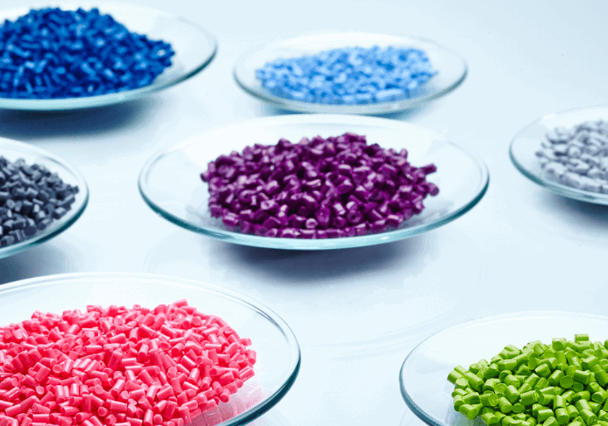
The following table illustrates how a buyer‑oriented overview of PP suppliers can be structured. Company names and attributes are placeholders and must be replaced with verified data.
| Supplier Name | Main Strengths | Typical Buyers | Notable Features |
|---|---|---|---|
| PT Example Petrochem | High capacity, stable base PP | Large packaging and fiber plants | Multiple PP grades, local warehouses |
| IndoPoly Compounds | PP compounds and filled PP | Automotive and appliance makers | Impact‑modified and talc‑filled PP grades |
| Nusantara Plastics | Flexible terms, SME‑friendly | Small and mid‑size converters | Low MOQs, broad mix of local and imported PP |
| GlobalResin Asia | Imported PP grades | High‑spec and niche applications | Specialty PP, technical application support |
This type of structure helps buyers quickly identify which suppliers might match their profile before they dive into detailed technical and commercial discussions.
Large integrated producers such as the placeholder PT Example Petrochem typically provide standard PP grades for film, injection molding, and fiber. Buyers value their capacity, logistics network, and stable availability. At the same time, they may still seek external partners for specialized masterbatch or performance modifiers, especially when targeting demanding applications or specific brand requirements.
Companies like the placeholder IndoPoly Compounds focus on performance‑oriented PP compounds, including impact‑modified, talc‑filled, and glass‑fiber reinforced grades. These suppliers work closely with automotive and appliance manufacturers to meet part performance targets and sometimes support part design and testing. Many customers still rely on specialized color and additive masterbatch suppliers to finalize surface appearance, color matching, and processing behavior.
SME‑oriented distributors such as the placeholder Nusantara Plastics often differentiate themselves through flexible minimum order quantities and more personal service. They help smaller converters access a mix of local and imported PP grades without the volume requirements of large producers. For technical and performance optimization, these customers frequently collaborate with masterbatch specialists to strengthen their formulations.
A key part of the value chain is the link between base PP resin and real‑world applications. This is where a PP masterbatch and customized materials specialist can play a central role.
Dongguan Yongxin Plastic Technology, focused on PP masterbatch and innovative plastic materials, helps converters in Indonesia and other markets bridge the gap between commodity base resin and specific product requirements. By tailoring masterbatch formulations to the chosen resin and process, Yongxin can support more consistent color and gloss, improved processing windows, and better control of optical and mechanical properties.
Typical benefits for buyers include reduced production variability, easier color matching across different batches or resin sources, and fewer adjustments during changeovers. This directly influences scrap rate, cycle time, and overall equipment effectiveness.
Typical PP masterbatch solutions that are relevant to Indonesian buyers include food‑contact white PP masterbatch for packaging films and containers; UV‑stabilized PP masterbatch for outdoor applications such as roofing sheets or garden products; anti‑static and anti‑fog masterbatch for agricultural films and fresh‑produce packaging; and custom color masterbatch aligned with brand guidelines for consumer goods and FMCG packaging. These solutions allow buyers to leverage local or regional base resin while still achieving specific performance and appearance targets.
In addition to supplying masterbatch, Yongxin's role can extend to technical collaboration. This includes helping customers interpret test results, recommending optimized processing conditions, and jointly developing new formulations for upcoming projects. When buyers share details about base resin selection, processing parameters, part design, and performance targets, it becomes possible to co‑develop solutions that are more robust and cost‑effective than generic alternatives.
Realistic scenarios help illustrate how the right combination of PP resin and masterbatch influences production stability and product quality.
One common scenario involves a packaging film converter facing frequent gels and color streaks, leading to roll rejection and restarts. By moving to a more stable base PP resin and a tailored white PP masterbatch with better pigment dispersion, the converter can reduce defects and achieve more predictable runtimes. Another scenario concerns an automotive parts maker struggling with low‑temperature impact performance and inconsistent color between batches. Introducing an impact‑modified PP compound and a compatible color masterbatch can stabilize both mechanical properties and appearance.
A third scenario is an SME producing household items using generic masterbatch from multiple sources, resulting in unpredictable quality. Consolidating these purchases with a single engineered PP masterbatch supplier, and aligning formulations with a few selected base resins, can simplify inventory, improve quality consistency, and support future product development.
Professional buyers often ask how to structure the decision process when combining PP resin suppliers with a specialized masterbatch partner. The following step‑by‑step approach is commonly used in B2B environments.
First, define the application and performance targets clearly, including mechanical requirements, optical properties, regulatory constraints, and lifespan expectations. Second, build a shortlist of base PP resin suppliers with adequate capacity and presence in Indonesia. Third, engage a masterbatch and materials expert such as Dongguan Yongxin Plastic Technology and share the selected resins, process conditions, and target properties.
Fourth, run lab tests and pilot runs to validate dispersion, color, processing behavior, and end‑use performance. Fifth, conduct plant trials and compare the total cost of ownership, taking into account scrap rate, downtime, cycle time, and maintenance, not just the price of resin and masterbatch. Finally, negotiate long‑term arrangements that include technical support, regular evaluations, and improvement plans, rather than focusing only on short‑term price.
Procurement teams and technical managers can use the following checklist as part of their internal supplier evaluation process:
- Quality and technical aspects: certifications, test reports, stability of melt flow index, compatibility with chosen additives and masterbatch.
- Logistics and service: location of warehouses, typical lead times, emergency supply options, communication quality, and responsiveness.
- Commercial clarity: pricing structure, surcharges, adjustment rules, and payment terms.
- Sustainability and compliance: environmental certificates, options for recycled or bio‑based content, and conformance with local regulations.
This checklist can be formalized in internal documents or digital tools and updated as supplier performance evolves.
Many converters in Indonesia already work with trusted PP resin suppliers. However, significant performance and cost improvements may still be achievable by treating masterbatch and additive design as a strategic element of the formulation, rather than a commodity or last‑minute choice.
If you are a packaging converter seeking higher line stability and consistent printability, an automotive or appliance supplier pursuing tighter mechanical and color tolerances, or an SME looking for reliable PP masterbatch solutions and structured technical support, it can be valuable to consult with a specialized partner. Dongguan Yongxin Plastic Technology is positioned to work with your existing PP supply network and help you optimize the combination of base resin and masterbatch for your specific products and processes.
Contact us to get more information!
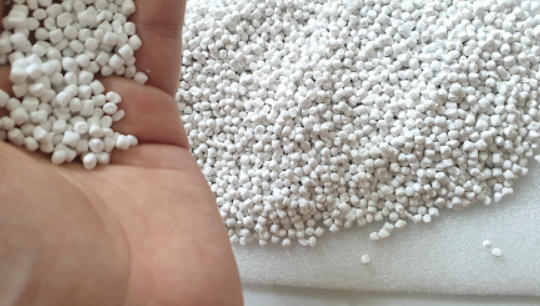
Many converters find that combining local PP resin suppliers with a specialized PP masterbatch partner offers greater flexibility and better optimization. Each party focuses on its core competence while cooperating on technical interfaces.
Evaluation should cover dispersion quality, color strength, compatibility with the base PP resin, and actual plant performance. Short production trials under real conditions provide more reliable insight than laboratory tests alone.
A well‑designed masterbatch can widen processing windows, reduce defects, and stabilize color. Even if its unit price is higher than generic materials, total cost per good part often decreases due to less scrap and downtime.
You should be ready to share details on base resin types, processing equipment, temperature profiles, target properties, regulatory requirements, and typical defect types. This allows the supplier to design or recommend a suitable formulation more efficiently.
Most manufacturers review their sourcing and supplier portfolio at least once a year, or sooner when they launch new products, upgrade equipment, or face significant changes in demand or cost pressure.
1. Indonesia plastics market overview – https://www.example-marketstudy.com/indonesia-plastics
2. PP resin applications and properties – https://www.example-polymer-encyclopedia.com/pp
3. Masterbatch use in packaging applications – https://www.example-packaging-journal.com/masterbatch-case-studies
4. Automotive PP compounds and applications – https://www.example-automotive-plastics.com/pp-compounds
5. Logistics and manufacturing environment in Indonesia – https://www.example-asean-logistics.com/indonesia


