


close
Choose Your Site
Global
Social Media


Views: 222 Author: Rebecca Publish Time: 2025-11-30 Origin: Site


Content Menu
● Understanding Plastic Masterbatch
● Main Types of Masterbatch Offered
● Indonesia's Growing Masterbatch Market
● Leading Plastic Master Batch Manufacturers And Suppliers in Indonesia
>> PT Indonesia Polymer Compound and Intera Lestari Polimer
>> Multinational and Regional Participants
● Manufacturing Process Used by Plastic Master Batch Manufacturers And Suppliers
>> Pelletizing and quality control
● Key End‑Use Sectors in Indonesia
● Sustainability Trends Affecting Masterbatch Producers
● How International Buyers Should Evaluate Indonesian Suppliers
>> Technical and quality capabilities
>> Service, logistics, and communication
>> Sample trials and approval process
● Positioning a Chinese Innovative Plastic Materials Company in This Ecosystem
● Building Long‑Term Partnerships With Plastic Master Batch Manufacturers And Suppliers
● FAQ
>> 1. Why are Indonesian Plastic Master Batch Manufacturers And Suppliers attractive to global buyers?
>> 2. Which end‑use industries drive masterbatch demand in Indonesia?
>> 3. How do Plastic Master Batch Manufacturers And Suppliers in Indonesia ensure product quality?
Plastic Master Batch Manufacturers And Suppliers in Indonesia are becoming essential partners for global plastics processors who need reliable color, filler, and additive solutions combined with competitive pricing and flexible supply. Plastic masterbatch producers in Indonesia now serve not only domestic converters but also brand owners and OEMs across Asia, the Middle East, Europe, and the Americas, making the country a strategic sourcing base for international buyers.[5][7]

Plastic masterbatch is a solid concentrate of pigments and/or functional additives dispersed in a carrier resin, typically supplied in pellet form. It is dosed into base polymers such as polyethylene, polypropylene, polystyrene, ABS, or PET during processing to achieve the desired color, mechanical performance, or processing behavior without handling powders directly.[8][5]
Plastic Master Batch Manufacturers And Suppliers usually classify their portfolios into three broad groups. Color masterbatches deliver branding and appearance; filler masterbatches reduce cost and modify stiffness or opacity; additive masterbatches solve specific issues like UV degradation, moisture, static, or friction.[1][8]
Color masterbatch remains the backbone of most Plastic Master Batch Manufacturers And Suppliers, especially those oriented to packaging and consumer goods. These producers rely on precise pigment formulations and advanced dispersion techniques to guarantee consistent color even at low let‑down ratios.[7][9]
Indonesian color masterbatch makers typically support a wide range of carrier resins and provide color‑matching services based on Pantone or RAL references, physical samples, or corporate brand guidelines. This helps brand owners maintain visual identity across packaging, caps, closures, films, and molded components.[2][9]
Filler masterbatch, most commonly based on calcium carbonate, is widely used by Plastic Master Batch Manufacturers And Suppliers to help converters reduce raw material costs and adjust stiffness, opacity, and thermal properties. Producers in Indonesia and the wider Southeast Asia region have developed competitive filler masterbatch grades for film, sheet, and injection applications.[10][5]
By optimizing filler particle size, surface treatment, and loading level, filler masterbatch suppliers can help processors maintain acceptable mechanical properties while improving productivity, for example by reducing shrinkage or improving dimensional stability in certain products.[1][10]
Additive masterbatch includes a large family of products focused on functional performance rather than appearance. Plastic Master Batch Manufacturers And Suppliers in Indonesia increasingly provide UV stabilizer, antioxidant, slip, antiblock, antistatic, flame retardant, optical brightener, and desiccant masterbatches to support more demanding applications.[11][5]
For example, desiccant masterbatch plays a crucial role when processors use recycled plastics or hygroscopic materials and need to absorb residual moisture during extrusion or molding. UV stabilizer masterbatch is widely used in agricultural films, outdoor furniture, and construction products exposed to intense sunlight in tropical environments.[4][11]
Indonesia's masterbatch market has been expanding along with rapid growth in plastics demand for packaging, automotive, construction, consumer goods, and electrical applications. Market analysis indicates that the Indonesia masterbatch market is expected to grow at a solid compound annual rate through 2030, supported by rising flexible packaging consumption and infrastructure investment.[5]
Government‑backed projects in building and construction, as well as the development of electric vehicle manufacturing clusters, are increasing demand for plastic components that rely on color and additive masterbatch for performance and aesthetics. At the same time, e‑commerce growth and changing consumer lifestyles are driving higher usage of flexible and rigid packaging, which directly benefits Plastic Master Batch Manufacturers And Suppliers operating in the country.[5]
Several prominent companies illustrate the depth of the Indonesian masterbatch industry, from local specialists to multinational players.
Khitas Masterbatch, based in Bekasi, is a color plastic masterbatch and compound producer that has supplied hundreds of plastic manufacturers since its establishment in 1999. It serves diverse industries, including food and cosmetic packaging, electronic accessories, automotive parts, and other plastic products, emphasizing customized colors and fast delivery.[2]
As a representative of Indonesian Plastic Master Batch Manufacturers And Suppliers focused on color, Khitas offers tailor‑made shades and supports customers with short lead times and application‑specific technical support. Its long market presence demonstrates the maturity of local color masterbatch capabilities.[2]
PT Kasakata Kimia positions itself as a leading Indonesian producer of masterbatch for multipurpose industrial colorants and additives. The company underlines the use of advanced technology, high‑quality raw materials, and a team of engineers, chemists, and technicians to deliver both standard and custom‑made masterbatches.[7]
Kasakata's approach reflects a trend among Plastic Master Batch Manufacturers And Suppliers in Indonesia to strengthen R&D and quality control, creating a “center of excellence” model that can attract regional and global customers seeking consistent performance and technical collaboration.[7]
Dunia Kimia Jaya provides plastic masterbatch products that modify plastic properties and add color or special characteristics to final products. The company acts as part of Indonesia's broader chemicals and masterbatch ecosystem serving multiple industries.[3]
Its position in the market demonstrates how Indonesian Plastic Master Batch Manufacturers And Suppliers often integrate masterbatch with other specialty chemicals, enabling one‑stop solutions for converters who need both pigments and functional additives.[3]
PT Indonesia Polymer Compound and Intera Lestari Polimer are identified among key companies in Indonesia's masterbatch and compounds market. They supply polymer compounds and masterbatch to sectors such as automotive, consumer goods, and electrical components.[12][5]
As component suppliers in the masterbatch value chain, these firms support converters that require tailored compounds rather than standalone masterbatch, showing how Plastic Master Batch Manufacturers And Suppliers in Indonesia increasingly offer broader formulation and compounding services.[12][5]
Beyond local firms, multinational corporations and regional exporters have invested in Indonesia or actively supply its market. For instance, a major international carbon black and black masterbatch producer has established a black masterbatch and conductive compound plant in Cilegon, adding significant capacity dedicated to Asian customers.[6]
Regional masterbatch producers from neighboring countries and India also export to Indonesia and maintain distributor networks, contributing to a competitive environment where Plastic Master Batch Manufacturers And Suppliers must continuously upgrade quality, service, and innovation.[13][11]
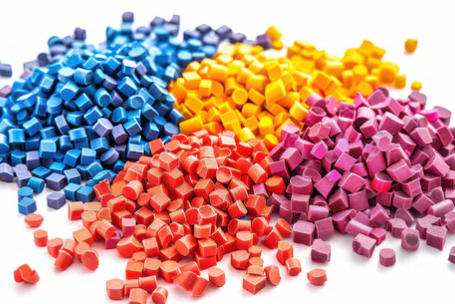
The production of polyolefin and other plastic masterbatches usually starts with accurate pre‑mixing of base resin, pigments, fillers, and additives according to the desired formulation. This pre‑mixing stage ensures uniform distribution of ingredients before they enter the extruder, and precision here strongly influences final product stability.[4][1]
Formulators at Plastic Master Batch Manufacturers And Suppliers carefully balance pigment loading, additive dosage, and carrier resin to achieve required properties such as color strength, light fastness, heat stability, and compatibility with the customer's processing conditions.[8][4]
Extrusion is the core processing step in masterbatch manufacturing. The pre‑mixed materials are fed into a single‑ or twin‑screw extruder where heat and shear forces melt the carrier resin and disperse pigments or additives throughout the polymer matrix.[1][4]
High‑performance twin‑screw extruders are commonly used because they provide strong mixing and dispersion, essential for consistent masterbatch performance, especially in thin films and fibers. Plastic Master Batch Manufacturers And Suppliers adjust screw design, temperature profile, and screw speed to optimize dispersion for each formulation.[4][1]
After extrusion, the molten compound is cooled and cut into uniform pellets or granules, which are easier to handle, dose, and transport. Pelletizing methods must ensure minimal dust and consistent pellet size to help converters maintain accurate dosing and stable processing conditions.[1][4]
Quality control is an integral part of the workflow for serious Plastic Master Batch Manufacturers And Suppliers. Typical tests include color measurements with spectrophotometers, mechanical property evaluations, dispersion checks, and functional testing of additives, with corrective actions taken whenever results deviate from targets.[8][4]
Indonesia's demand for masterbatch is closely tied to the growth of several major end‑use sectors that rely on plastics. Understanding these sectors will help overseas buyers align with Plastic Master Batch Manufacturers And Suppliers that already have relevant application experience.
The packaging industry holds a particularly large share of Indonesia's plastics usage, using masterbatch to achieve required color, mechanical strength, and barrier properties in both flexible and rigid formats. Flexible packaging, such as films for food, beverages, personal care, and e‑commerce shipping, is especially prominent because it is lightweight, cost‑effective, and can be recycled when properly collected.[5]
Automotive, building and construction, consumer appliances, and agriculture also contribute significantly to masterbatch demand. For example, automotive manufacturers use color and additive masterbatch to produce lightweight, durable interior and exterior parts, while construction companies rely on masterbatch for pipes, profiles, roofing sheets, and insulation materials that must withstand harsh environmental conditions.[5]
Global and local pressure for more sustainable materials and processes is reshaping the strategies of Plastic Master Batch Manufacturers And Suppliers in Indonesia. Regulations and brand commitments are accelerating the shift toward biodegradable and compostable solutions, as well as more efficient use of conventional plastics.[5]
This trend is driving demand for bio‑based carrier resins, masterbatches compatible with recycled polymers, and additive systems that support extended product life or improved recyclability. At the same time, stricter rules on waste management and carbon emissions are pushing end‑users to adopt renewable or lower‑impact products, challenging traditional masterbatch sales but opening new opportunities for innovation.[5]
International buyers need a systematic approach to evaluate Plastic Master Batch Manufacturers And Suppliers in Indonesia. Priority should be given to companies with strong formulation expertise, advanced production equipment, and comprehensive quality systems.[9][5]
Indicators include well‑equipped laboratories for color matching and testing, use of modern twin‑screw extruders, documented quality certifications, and proven experience in demanding export markets. Buyers should request technical data sheets, test reports, and information about regulatory compliance for food contact, toy safety, or other industry‑specific standards.[14][9]
Beyond technical factors, service quality is vital for long‑term cooperation. Reliable Plastic Master Batch Manufacturers And Suppliers provide responsive communication, clear lead‑time commitments, flexible packaging options, and support in resolving processing or quality issues.[15][16]
Buyers should evaluate how quickly suppliers respond to inquiries, whether they can adjust delivery schedules, and how effectively they handle documentation, customs procedures, and Incoterms. Suppliers with established export histories are more likely to understand the practical needs of overseas partners.[16][15]
Before committing to large orders, buyers should organize structured trials using lab samples or pilot‑scale batches obtained from shortlisted Indonesian suppliers. These trials allow validation of dispersion quality, color strength, additive efficiency, and potential impacts on processing conditions.[9][1]
A robust qualification process typically includes laboratory evaluation, small‑scale production runs, and gradual scale‑up, with feedback shared transparently between converter and masterbatch producer. Plastic Master Batch Manufacturers And Suppliers that respond constructively to trial results and quickly optimize formulations are strong candidates for long‑term strategic partnerships.[9][4]
For a Chinese enterprise specializing in innovative plastic materials, working with Plastic Master Batch Manufacturers And Suppliers in Indonesia offers several strategic advantages. Collaboration can combine large‑scale R&D and production capabilities in China with Indonesia's geographic proximity to ASEAN markets and favorable trade conditions.[17][5]
Possible cooperation models include joint development of color and additive masterbatches tailored to tropical climates, localized compounding or warehousing in Indonesia to shorten lead times, and co‑branding arrangements where both Chinese and Indonesian companies present unified solutions to global OEMs and brand owners. This approach positions your company not only as a supplier but as an integrator of regional masterbatch capabilities.[16][17]
To build sustainable, mutually beneficial relationships with Indonesian Plastic Master Batch Manufacturers And Suppliers, international buyers should treat suppliers as technical partners rather than purely transactional vendors. Long‑term cooperation enables joint optimization of formulations, cost structures, and logistics.[9][5]
Regular technical exchanges, shared trials on new materials, and transparent forecasts help masterbatch producers plan capacity and invest in dedicated solutions for key customers. As Indonesia's masterbatch market continues to evolve, such partnerships will be essential to capturing growth opportunities while managing price volatility and regulatory changes.[17][5]
Indonesia has emerged as a dynamic center for Plastic Master Batch Manufacturers And Suppliers, with local and multinational companies supplying color, filler, and additive masterbatches to rapidly growing packaging, automotive, construction, and consumer goods markets. The combination of expanding domestic demand, improving production technology, and strengthening export capabilities makes Indonesian masterbatch producers increasingly attractive to global buyers.[7][5]
For international converters and brand owners, success lies in selecting Plastic Master Batch Manufacturers And Suppliers that combine strong technical capabilities, rigorous quality control, responsive service, and a commitment to sustainability. By engaging Indonesian partners through structured evaluations, trials, and long‑term collaboration, and by integrating these relationships with broader regional strategies, your Chinese innovative plastic materials company can build a powerful network that supports customers across ASEAN and worldwide.[17][5]
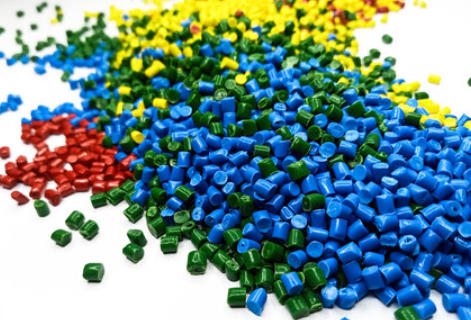
Indonesian Plastic Master Batch Manufacturers And Suppliers benefit from a fast‑growing domestic plastics market, competitive operating costs, and strategic proximity to ASEAN and Asia–Pacific customers. Many have upgraded their production technology and quality management, enabling them to supply consistent masterbatch products to export‑oriented converters.[17][5]
The largest share of Indonesia's masterbatch consumption comes from the packaging industry, especially flexible packaging for food, beverages, personal care, and e‑commerce. Additional growth drivers include automotive, building and construction, consumer appliances, agriculture, and medical applications that all rely on color and additive masterbatch for performance and aesthetics.[5]
Reputable Plastic Master Batch Manufacturers And Suppliers use controlled pre‑mixing, advanced extrusion technology, and rigorous quality control procedures to ensure uniform dispersion and stable performance. They employ laboratory instruments such as spectrophotometers and mechanical testing equipment to check color accuracy, physical properties, and additive functionality before shipment.[4][1]
Growing concern about plastic waste and carbon emissions, along with stricter regulations, is pushing end‑users toward biodegradable, compostable, and recyclable solutions. This creates challenges for conventional masterbatch products but also opens opportunities for Plastic Master Batch Manufacturers And Suppliers that develop eco‑oriented formulations, bio‑based carriers, and masterbatches designed for recycled polymers.[5]
Overseas buyers should first define technical requirements clearly, then shortlist Indonesian Plastic Master Batch Manufacturers And Suppliers with suitable product portfolios and export experience. After requesting samples and running structured trials, buyers can negotiate long‑term agreements that cover technical support, logistics, and forecast sharing to ensure stable supply and continuous improvement.[16][9]
[1](https://europlas.com.vn/en-US/blog-1/6-common-methods-applied-in-plastic-and-masterbatch-manufacturing-2)
[2](https://www.khitakharisma.com)
[3](https://duniakimiajaya.com/our-industry?q=plastic)
[4](https://eupegypt.com/blog/polyolefin-masterbatch/)
[5](https://www.marknteladvisors.com/research-library/indonesia-masterbatch-market.html)
[6](https://www.youtube.com/watch?v=_JQXZbdWP4w)
[7](https://kasakata.co.id)
[8](https://www.tosaf.com/article/plastic-masterbatch-article/)
[9](https://www.zoecolor.com)
[10](https://europlas.com.vn/en-US/blog-1/top-10-filler-masterbatch-manufacturers-in-southeast-asia)
[11](https://vardhmanenter.com/indonesia/)
[12](https://ipcompound.co.id/our-product.php)
[13](https://www.universalpolychem.com/indonesia/masterbatches.php)
[14](https://artience-id.com/product/plastic-masterbatches/masterbatch/ppm-series)
[15](https://interapolimer.com)
[16](https://masterbatchglobal.com)
[17](https://www.stdpoly.com/knowledge-centre/indonesia%E2%80%99s-masterbatch-market/)


